
Table of Contents
- The Surprising Link Between Gut Health and Autism
- How the Microbiome Shapes the Developing Brain
- The Role of Interleukin-17a in Autism Development
- Testing the Hypothesis in Mice
- The Impact of Fecal Transplants on Autism-Like Behaviors
- Is This the Answer to Autism’s Origins?
- Autism and the Role of Inflammation
- The Importance of the Mother’s Gut Health
- What This Means for Future Research and Treatments
- A New Avenue for Autism Research
The Surprising Link Between Gut Health and Autism
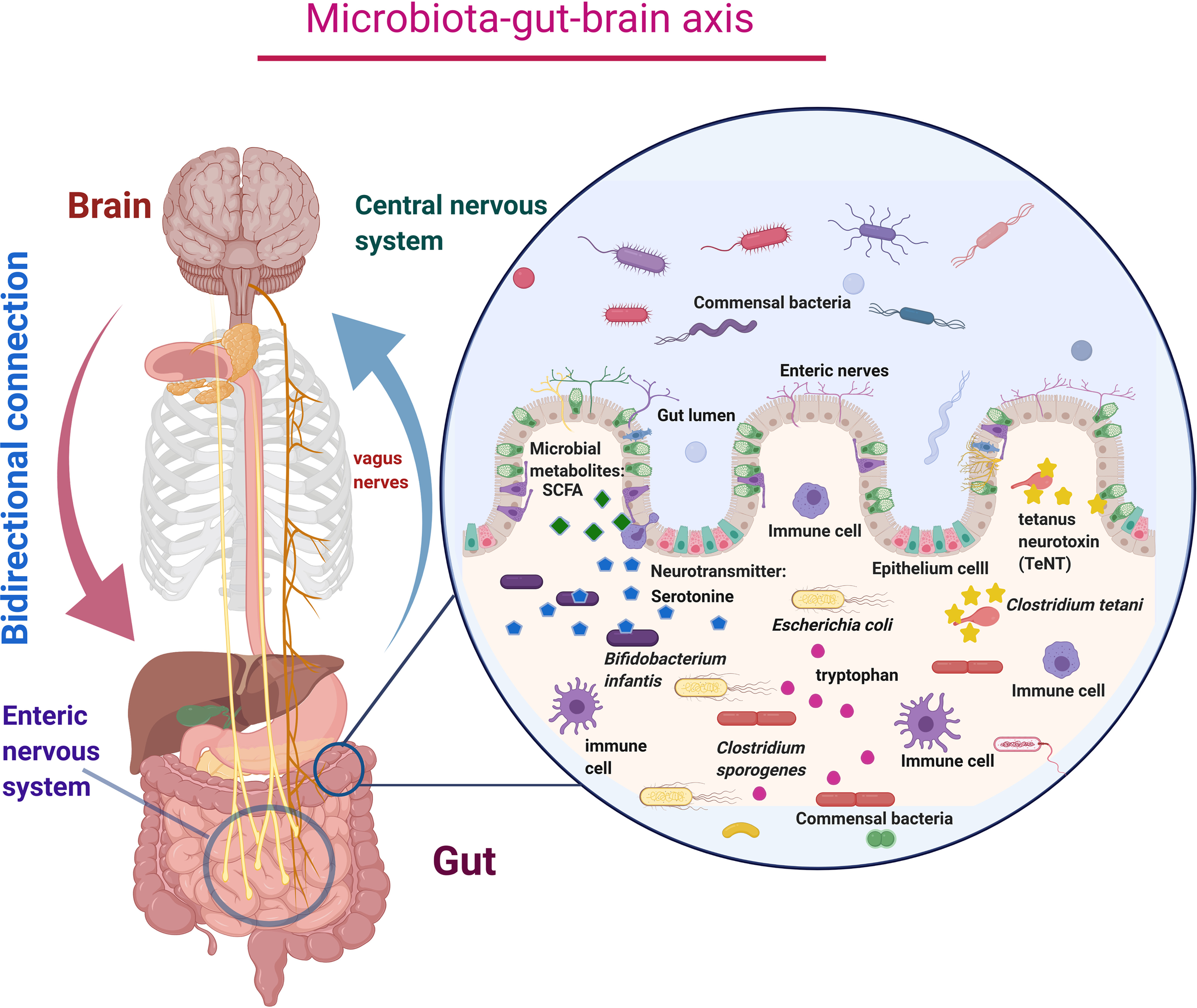
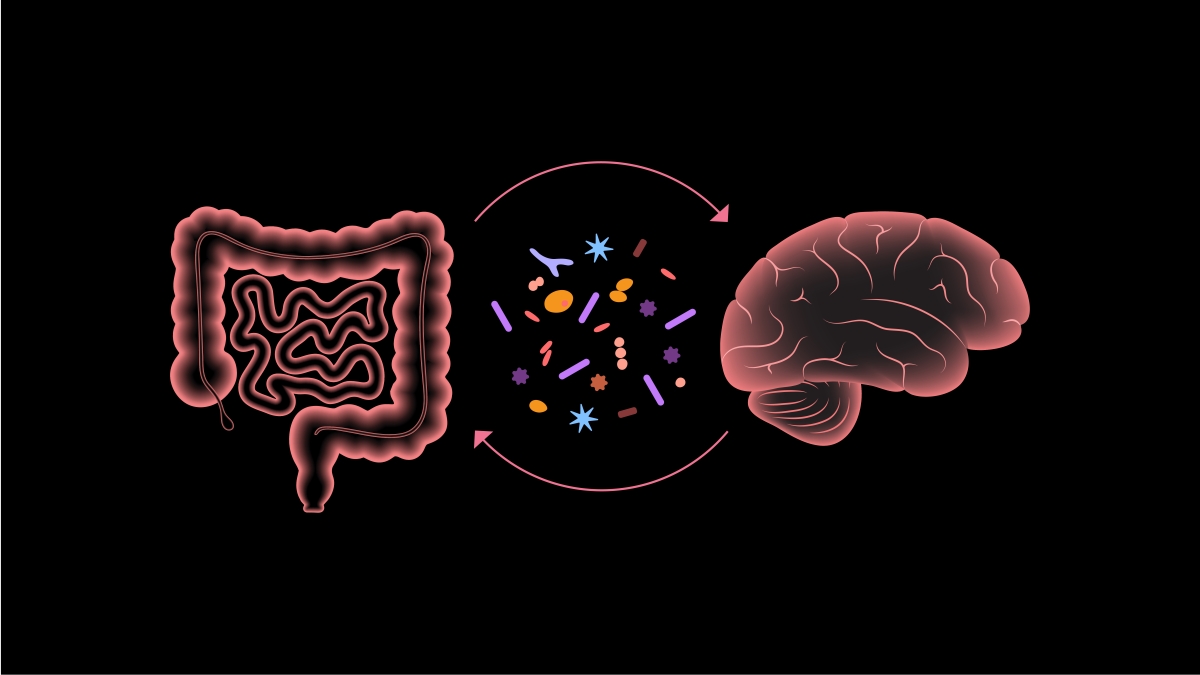
The connection between the gut and the brain, often referred to as the “gut-brain axis,” has become a hot topic in recent years. More and more research points to the idea that our gut microbiome—the collection of microorganisms living in our digestive tract—can profoundly affect our overall health, including our mental health and immune system responses. But in a groundbreaking new study, scientists have proposed that it may also influence the development of autism.
What makes this discovery even more remarkable is that the research suggests the condition may not be directly linked to the child’s microbiome but rather to that of the mother. According to lead researcher Dr. John Lukens, a PhD student from the University of Virginia, the gut microbiome plays a crucial role in shaping the immune system during pregnancy. This, in turn, can impact the development of the brain in the fetus, potentially contributing to neurodevelopmental conditions like autism.
How the Microbiome Shapes the Developing Brain
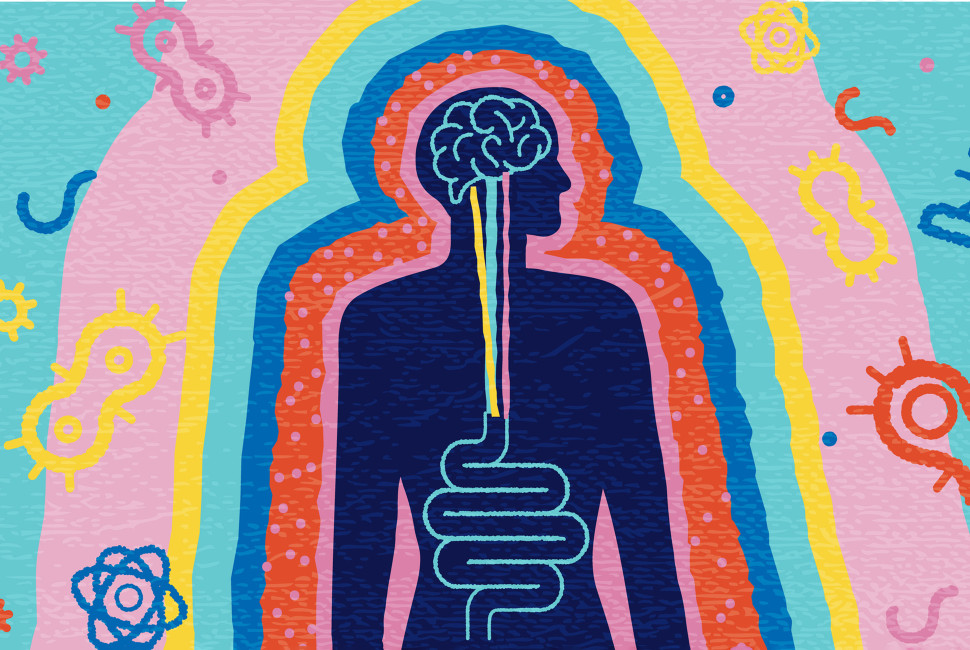
Dr. Lukens explained that the microbiome does not only affect how our immune system responds to infections or stress. It also plays an essential role in the early development of the brain, particularly in the fetus. The immune system is pivotal during pregnancy, not only for protecting the mother and fetus from pathogens but also in modulating the environment in which the brain develops.
In the case of autism, this research suggests that the immune response triggered by a mother’s microbiome could influence how the brain forms in the womb. Specifically, the study identified a molecule known as interleukin-17a (IL-17a), which is produced by the immune system and has been linked to several autoimmune conditions such as rheumatoid arthritis and multiple sclerosis. Researchers hypothesize that this molecule may play a significant role in neurodevelopmental disorders like autism.
The Role of Interleukin-17a in Autism Development
Interleukin-17a (IL-17a) is a cytokine, a type of protein that plays a critical role in immune system responses. In this study, IL-17a was found to influence the development of the brain in the womb. While IL-17a is important for immune responses, particularly in protecting against fungal infections, it can also trigger inflammation. Inflammation during pregnancy is thought to disrupt the normal development of the brain, potentially leading to neurodevelopmental disorders like autism.
The researchers focused on IL-17a because of its known role in autoimmune diseases. High levels of IL-17a have been associated with various conditions where the immune system attacks the body’s own tissues, such as psoriasis and rheumatoid arthritis. The team hypothesized that increased levels of IL-17a in a mother’s immune system during pregnancy could interfere with normal brain development in the fetus, leading to an increased risk of autism.
Testing the Hypothesis in Mice
To test their theory, the research team conducted experiments on mice. They used two groups of female mice: one group had a gut microbiome that triggered a strong IL-17a-induced immune response, while the other group did not. The researchers then blocked IL-17a in the mice to see what impact it would have on the development of autism-like behaviors in their offspring.
The results were striking. When IL-17a was blocked, the offspring from both groups of mice exhibited neuro-typical behaviors. However, when IL-17a was allowed to function normally, the offspring from the first group—those with a microbiome prone to triggering the IL-17a response—developed autism-like traits, including social and repetitive behavior issues.
The Impact of Fecal Transplants on Autism-Like Behaviors
To confirm that the gut microbiome was responsible for the differences in brain development, the researchers conducted a fecal transplant on the second group of mice. This involved transferring the gut bacteria from the first group of mice—those with a microbiome prone to triggering the IL-17a response—into the second group. The results were astonishing: the offspring from the second group, now exposed to the altered microbiome, developed autism-like behaviors.
This experiment provided strong evidence that the gut microbiome can significantly influence the development of neurodevelopmental conditions. It also suggested that the health of the mother’s microbiome—particularly during pregnancy—could have far-reaching effects on her child’s brain development.
Is This the Answer to Autism’s Origins?
While these results are promising, it is important to note that they are based on animal models, not human studies. The researchers caution that more work is needed to determine whether similar mechanisms are at play in human pregnancies. The next step will be to see if similar correlations can be detected in humans and to identify specific components of the mother’s microbiome that may contribute to the development of autism.
Dr. Lukens and his team are now focused on identifying which specific molecules in the mother’s microbiome are most responsible for triggering these effects. They are also investigating whether other immune molecules besides IL-17a might play a role in the development of autism. The hope is that this research could eventually lead to new diagnostic tools or even preventive treatments for neurodevelopmental conditions.
Autism and the Role of Inflammation
The link between inflammation and autism is not a new concept. Previous research has shown that inflammation in the brain during early development can lead to a variety of neurodevelopmental disorders. This study, however, takes things a step further by showing that the inflammation may not be directly caused by the child’s own immune system but rather by the mother’s microbiome.
Inflammation can affect the way the brain develops, especially during critical periods of fetal development. The researchers suggest that the immune system’s response to the mother’s gut microbiome could trigger a cascade of inflammatory reactions, ultimately altering the brain’s wiring in ways that lead to autism-like behaviors.
The Importance of the Mother’s Gut Health
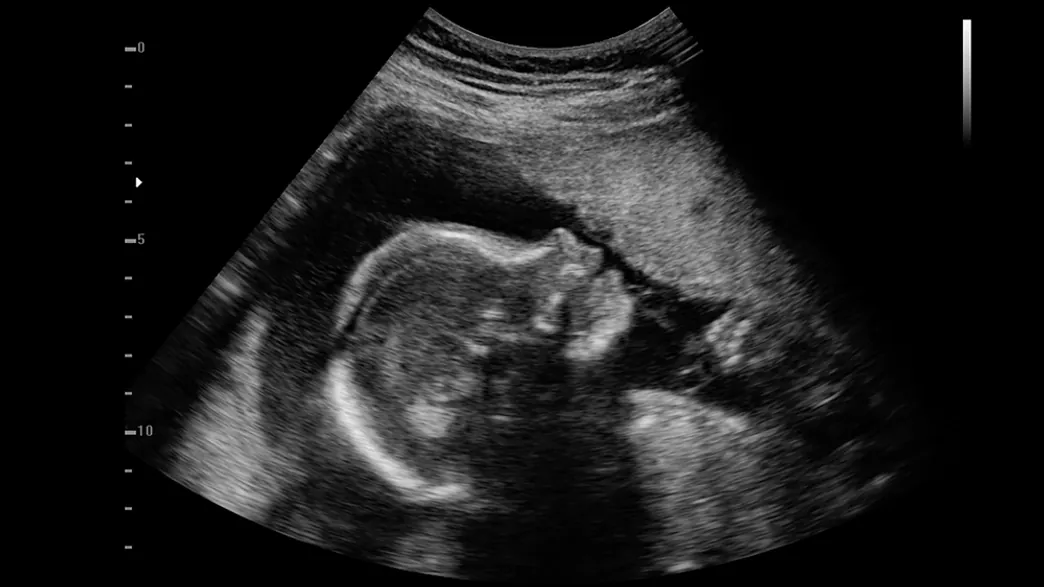
What this research highlights is the crucial role of the mother’s health—specifically her gut health—during pregnancy. For years, we’ve known that the health of a mother during pregnancy can impact the development of her child. This includes everything from the mother’s diet to her exposure to stress, toxins, and infections. Now, this study suggests that the health of the mother’s microbiome could be just as important.
For expectant mothers, this underscores the importance of maintaining a healthy diet and lifestyle, not just for their own health but for the future health of their child. By focusing on gut health and preventing inflammation, there may be ways to reduce the risk of neurodevelopmental disorders like autism.
What This Means for Future Research and Treatments
This study opens up exciting possibilities for future research. If further studies confirm that the mother’s microbiome plays a significant role in autism development, it could lead to groundbreaking new approaches to treatment and prevention. For example, doctors may begin to focus more on improving gut health in pregnant women as a way to reduce the risk of autism and other neurodevelopmental disorders.
Moreover, the findings could eventually lead to targeted treatments that alter the microbiome in specific ways to reduce the likelihood of developing autism. This could include dietary interventions, probiotics, or other therapies aimed at promoting a healthy gut microbiome during pregnancy.
A New Avenue for Autism Research
In conclusion, this study represents a significant step forward in understanding the origins of autism and neurodevelopmental disorders. While much more research is needed to confirm these findings in humans, the results from animal studies are compelling. They suggest that the health of a mother’s gut microbiome could play a crucial role in the development of autism in her child.
The findings also highlight the importance of maintaining a healthy microbiome, not just for digestive health, but for overall well-being. As research into the gut-brain connection continues to evolve, we may discover new ways to prevent and treat autism—starting with the health of the mother’s microbiome during pregnancy.