
Table of Contents
- The Cruise Ship At The Center Of The Outbreak
- The Number Of Cases Continues To Rise
- Why The Nebraska Biocontainment Unit Matters
- The Andes Virus Creates Unique Concerns
- How The Outbreak May Have Started
- Passengers Finally Begin Leaving The Ship
- Experts Say Panic Is Not Necessary
- Cruise Ships And Disease Outbreaks
- Social Media And The Fear Of Another Pandemic
- What Happens Next
- A Reminder About Hidden Global Risks
The Cruise Ship At The Center Of The Outbreak
The MV Hondius began its voyage from Ushuaia, Argentina, on April 1 with approximately 150 passengers representing more than 20 nationalities. The expedition was designed as a once in a lifetime journey through Antarctica and remote South Atlantic destinations.
Passengers expected wildlife encounters, icy landscapes, and adventure tourism. Instead, the trip slowly evolved into a medical emergency that would capture global attention.
The vessel traveled through Antarctica, South Georgia, Tristan da Cunha, Saint Helena, Ascension Island, and Cape Verde before concerns about a possible infectious disease outbreak began escalating.
Initially, the death of an elderly Dutch passenger onboard was reportedly described as natural causes. But as more passengers developed fever, respiratory distress, and pneumonia like symptoms, health officials began suspecting a far more serious problem.
Eventually, testing confirmed hantavirus infection linked to several passengers.
The Number Of Cases Continues To Rise
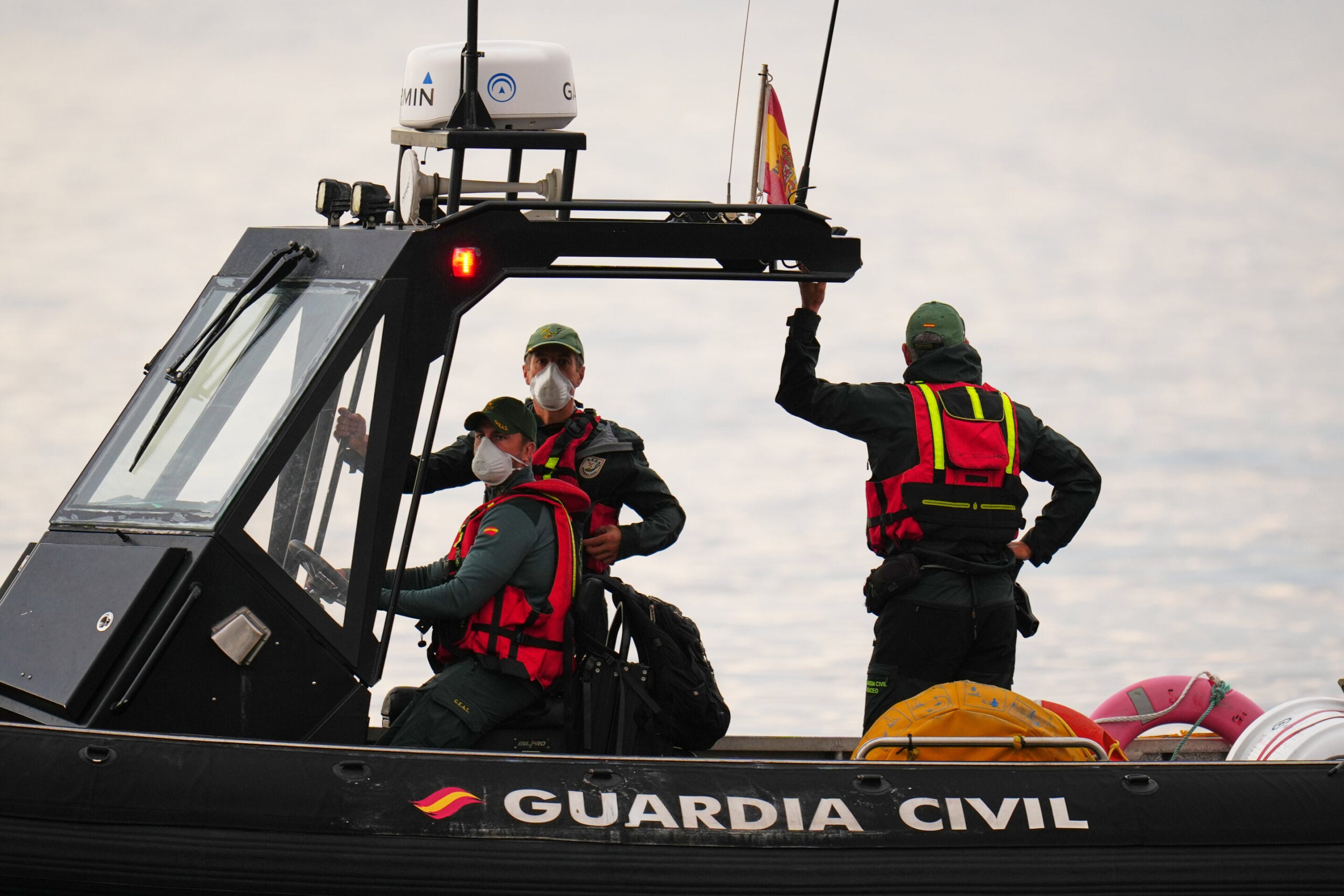
According to health authorities, the total number of confirmed and probable hantavirus cases associated with the MV Hondius has now reached nine.
At least two deaths have been officially confirmed as caused by hantavirus, while a third death remains under investigation but is strongly suspected to be connected to the outbreak.
The confirmation that an American passenger tested positive added a major new dimension to the crisis. The United States is now directly involved in containment efforts, monitoring returning passengers and preparing specialized treatment facilities.
Officials also confirmed that there were 17 American citizens aboard the ship during the outbreak.
While only one positive American case has been confirmed publicly so far, another passenger is reportedly symptomatic, raising concerns that additional infections may emerge in the coming days or weeks.
Why The Nebraska Biocontainment Unit Matters
One detail that immediately captured public attention was the decision to transport the infected American passenger to the Nebraska Biocontainment Unit.
The facility is one of the most advanced infectious disease treatment centers in the United States and has previously treated patients during outbreaks involving Ebola and other dangerous pathogens.
For many people, hearing the words “biocontainment unit” triggered memories of earlier global health emergencies. Social media quickly filled with speculation and fear, even though experts continue stressing that hantavirus does not spread nearly as easily as viruses like COVID 19 or influenza.
Still, the use of a high security medical facility highlights how seriously authorities are treating the situation.
The goal is not only to provide specialized care, but also to ensure strict infection prevention while scientists continue learning more about how this specific outbreak unfolded aboard the ship.
The Andes Virus Creates Unique Concerns
Hantavirus itself is already considered dangerous because it can cause hantavirus pulmonary syndrome, a severe illness affecting the lungs and respiratory system.
But the strain linked to the MV Hondius outbreak appears to be the Andes virus, which is especially concerning for one major reason. It is the only known hantavirus strain capable of human to human transmission.
That detail has dramatically changed how experts view the outbreak.
Most hantavirus infections occur when people inhale particles contaminated by rodent droppings, saliva, or urine. Human transmission is considered extremely rare with most hantavirus strains.
The Andes virus, however, has shown evidence of spreading through close and prolonged contact between people.
Even so, infectious disease specialists emphasize that the virus remains far less contagious than COVID 19, measles, or influenza. Transmission generally requires very close exposure rather than casual contact.
How The Outbreak May Have Started
Investigators believe the outbreak may trace back to a Dutch bird watching couple who visited a rat infested landfill near Ushuaia shortly before boarding the ship.
The landfill reportedly attracts bird watchers hoping to photograph rare Patagonian species. Unfortunately, the site is also believed to contain long tailed pygmy rice rats known to carry the Andes strain of hantavirus.
Authorities suspect the couple may have inhaled contaminated particles while visiting the landfill.
The husband later became ill aboard the ship and eventually died after suffering respiratory distress. His wife later developed symptoms and also died after traveling to South Africa.
From there, officials believe the virus may have spread to others aboard the vessel.
The possibility that one environmental exposure may have triggered an international outbreak involving multiple countries has become one of the most alarming aspects of the investigation.
Passengers Finally Begin Leaving The Ship
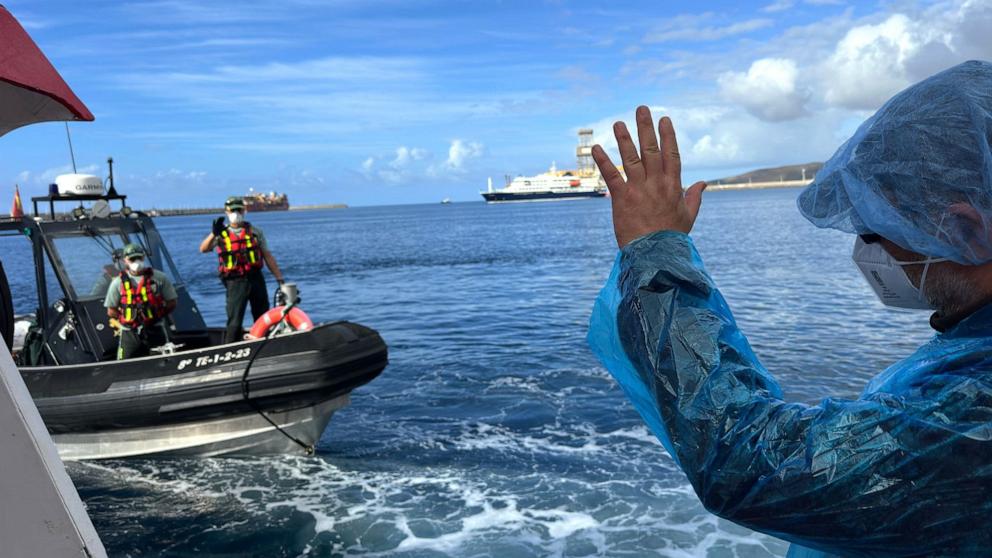
On Sunday morning, passengers aboard the MV Hondius finally began disembarking in Tenerife in the Canary Islands.
The evacuation operation has been carefully coordinated to minimize additional exposure risks. Passengers are reportedly being grouped and transferred onto charter flights returning them to their home countries.
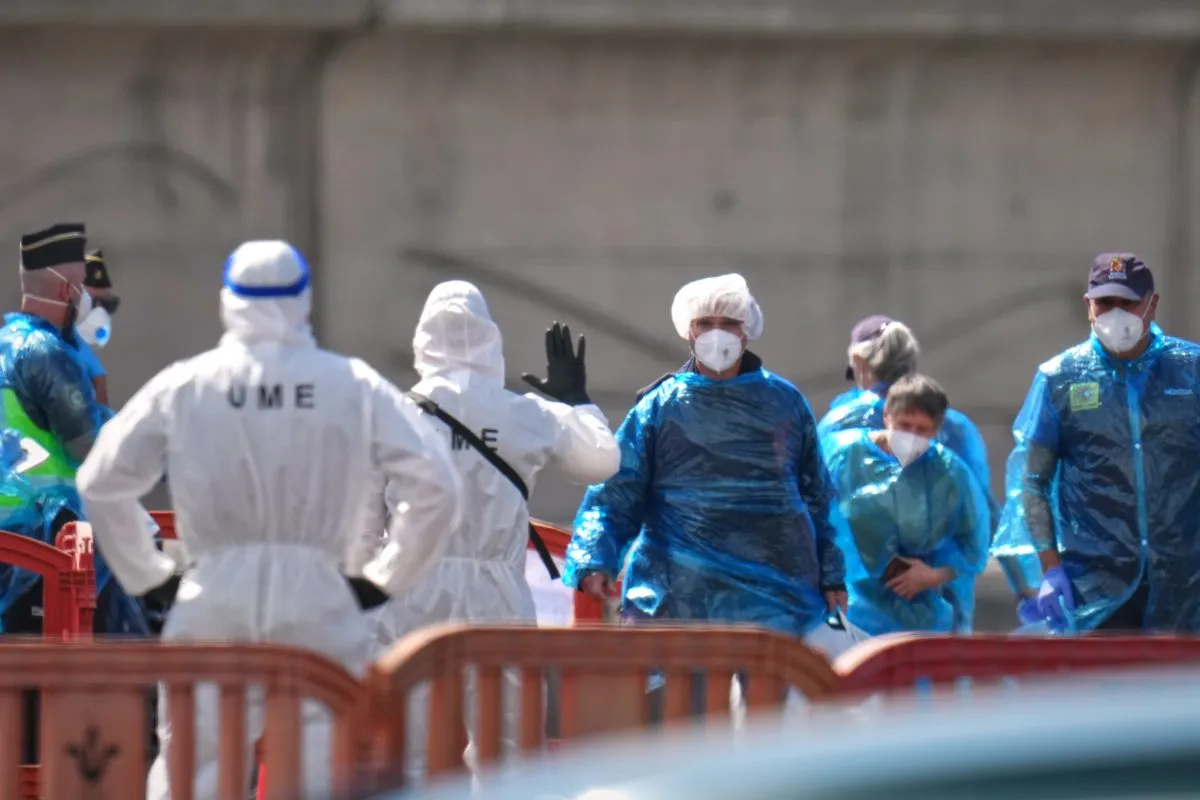
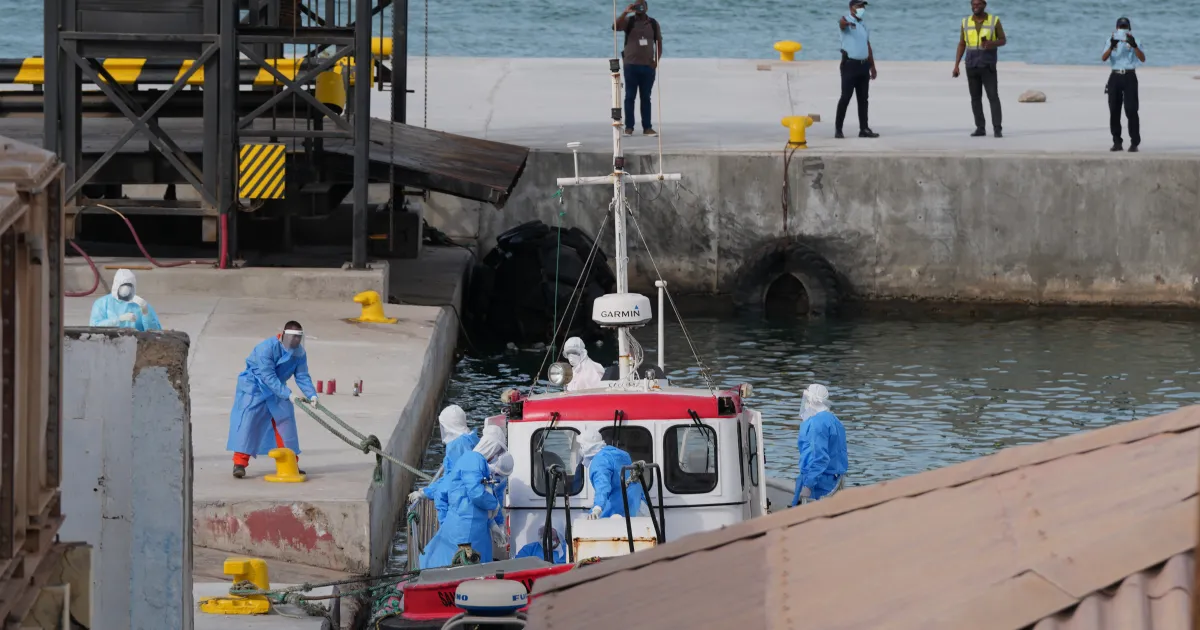
Medical staff equipped with protective equipment have been involved throughout the process.
Passengers who tested negative and showed no symptoms were allowed to continue under controlled monitoring procedures. Others with possible symptoms or known exposure are facing stricter observation and medical evaluation.
The evacuation marks a major turning point in the crisis, but it also creates new challenges. Once passengers disperse internationally, monitoring potential symptoms becomes much more complicated.
Because hantavirus can have an incubation period lasting several weeks, health authorities may need to monitor some passengers long after they arrive home.
Experts Say Panic Is Not Necessary
Despite growing media coverage and public anxiety, infectious disease experts continue urging calm.
Several specialists have stressed that the current outbreak does not resemble the early stages of COVID 19. Hantavirus spreads differently, behaves differently, and historically has remained far more contained.
Experts explain that transmission of the Andes virus between humans appears relatively limited and usually requires close interaction with infected bodily fluids or prolonged proximity.
Health authorities also now have extensive experience with outbreak response systems following the COVID 19 pandemic. Governments, hospitals, and international agencies are far more prepared for rapid containment efforts than they were several years ago.
Still, experts acknowledge that the outbreak deserves serious attention because of the virus’s high fatality rate and unusual transmission characteristics.
The combination of a deadly virus and international cruise travel naturally creates public fear, especially when information continues evolving in real time.
Cruise Ships And Disease Outbreaks
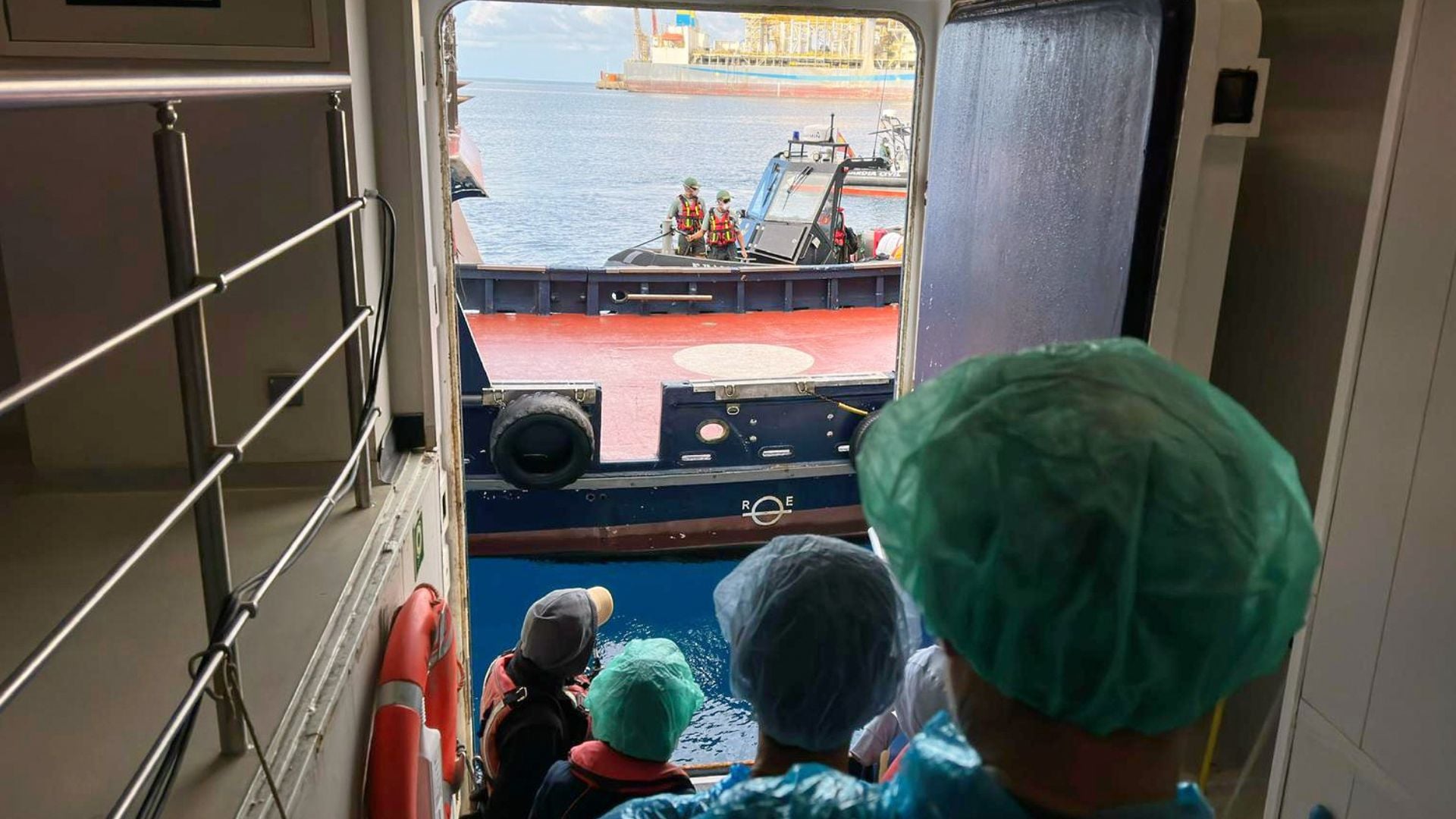
Cruise ships have long presented unique challenges for infectious disease control.
Passengers live closely together for extended periods while sharing dining areas, corridors, recreational facilities, and ventilation systems. Even illnesses that do not spread easily can become more difficult to manage in such confined environments.
In the case of the MV Hondius, the expedition’s remote route created additional complications. The ship spent long periods far from advanced medical facilities, which may have delayed testing and diagnosis.
By the time the outbreak was fully recognized, some passengers had already left the ship at different destinations and traveled internationally.
This forced health officials into a massive multinational contact tracing operation involving airlines, hospitals, cruise operators, and governments.
The incident also raises broader questions about health screening and emergency preparedness aboard expedition style cruises visiting remote locations.
Social Media And The Fear Of Another Pandemic
As news spread about the infected American passenger, social media platforms quickly became flooded with speculation, fear, and misinformation.
Some users described the outbreak as “the next pandemic,” while others shared dramatic theories about cruise ships becoming floating quarantine zones. Videos and photos of passengers disembarking in masks intensified public anxiety.
Health experts, however, continue pushing back strongly against comparisons to COVID 19.
They emphasize that while the Andes virus is dangerous, it does not spread with the same speed or efficiency as highly contagious respiratory viruses.
Nevertheless, the psychological impact of recent pandemic history remains powerful. Even relatively small outbreaks now generate intense global attention because many people remain deeply sensitive to any signs of emerging infectious disease threats.
The combination of deaths, quarantine procedures, international travel, and uncertain transmission routes creates a situation that naturally fuels fear.
What Happens Next
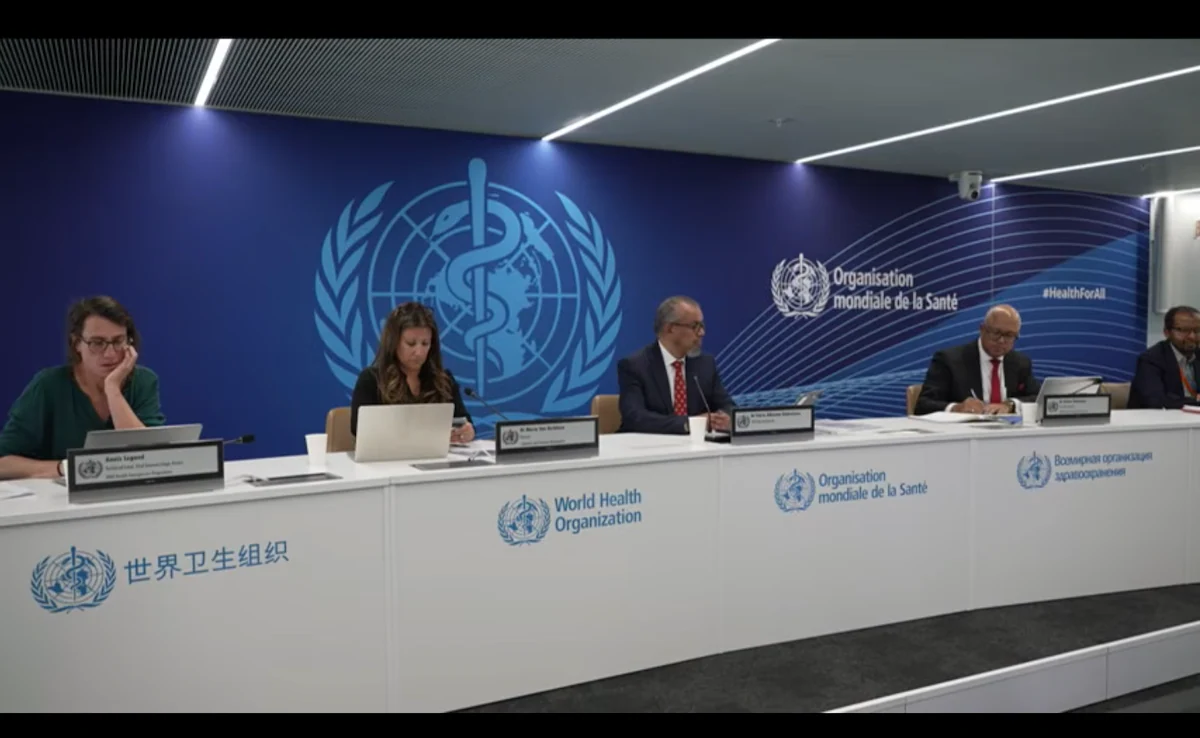
Over the coming weeks, health authorities will continue monitoring passengers, crew members, and close contacts connected to the MV Hondius outbreak.
More cases may emerge because symptoms can appear long after exposure. Former passengers who traveled internationally before the outbreak was identified could still develop illness later.
At the same time, experts remain hopeful that the outbreak can be contained before significant wider spread occurs.
The response now depends heavily on rapid testing, symptom monitoring, medical isolation where necessary, and continued international cooperation between health agencies.
Investigators will also continue examining exactly how transmission occurred aboard the ship. Determining whether infections came mostly from environmental exposure or from person to person spread will be critical for future prevention efforts.
A Reminder About Hidden Global Risks

The hantavirus outbreak aboard the MV Hondius highlights how quickly modern travel can transform a local environmental exposure into an international health emergency.
A remote landfill visited by bird watchers in southern Argentina may now be linked to deaths, emergency evacuations, and medical alerts spanning multiple continents.
For many people, the outbreak serves as another reminder that global travel connects distant regions in ways that can spread not only culture and tourism, but also infectious disease.
Still, experts insist that awareness should not become panic.
The outbreak is serious, but health authorities are responding aggressively, monitoring exposed individuals, and applying lessons learned from previous international health crises.
What remains uncertain is whether the current cases represent the full extent of the outbreak or merely the beginning of a wider investigation that could continue unfolding over the coming weeks.