
Table of Contents
- The Beijing Auto Show Revealed A Different Reality
- Why Chinese EVs Are So Much Cheaper
- The Geely EX2 Became A Surprise Superstar
- The Tiny Car That Became A Global Talking Point
- BYD Is Becoming A Global EV Powerhouse
- Why American Automakers Are Watching Closely
- The EV Price War Is Reshaping The Industry
- Why These Cars May Never Reach America
- The Bigger Question Facing The Auto Industry
- What China’s EV Revolution Means For Consumers
The Beijing Auto Show Revealed A Different Reality
The Beijing Auto Show became a symbol of how far China’s EV market has evolved ahead of many Western competitors.
For years, electric vehicles were often viewed as premium products reserved for wealthier buyers. Tesla helped establish the modern EV image around technology, luxury, and high performance. In many Western countries, EV ownership still carries a significant price premium compared to gasoline powered vehicles.
But in China, that model has been completely disrupted.
Visitors at the show discovered compact EVs packed with touchscreen systems, advanced driver assistance features, fast charging capabilities, and respectable battery ranges for prices that would seem almost impossible in the United States.
Some models cost less than a used economy car in America.
The scale of competition in China’s auto market has pushed manufacturers into an intense battle for affordability. Instead of focusing only on luxury or performance, many companies are now racing to produce electric vehicles for ordinary middle class consumers.
The result is a market unlike anything currently seen elsewhere in the world.
Why Chinese EVs Are So Much Cheaper
Many people outside China immediately ask the same question. How can these companies sell EVs so cheaply?
The answer involves several factors working together.
China spent years aggressively investing in electric vehicle supply chains, battery manufacturing, charging infrastructure, and domestic competition. The country also benefits from massive production scale. Chinese factories manufacture enormous numbers of batteries, electric motors, and vehicle components, allowing costs to drop significantly.
Competition inside China has become extraordinarily fierce. Hundreds of EV brands are fighting for market share in the world’s largest car market. Companies that fail to innovate or reduce prices risk disappearing entirely.
Unlike some Western markets where a handful of major automakers dominate sales, China’s EV sector resembles a technological battlefield filled with constant experimentation and aggressive pricing.
Labor costs, manufacturing efficiency, localized supply chains, and government support policies have also helped reduce production expenses.
Combined together, these conditions have created what many analysts now describe as the most competitive EV market on Earth.
The Geely EX2 Became A Surprise Superstar
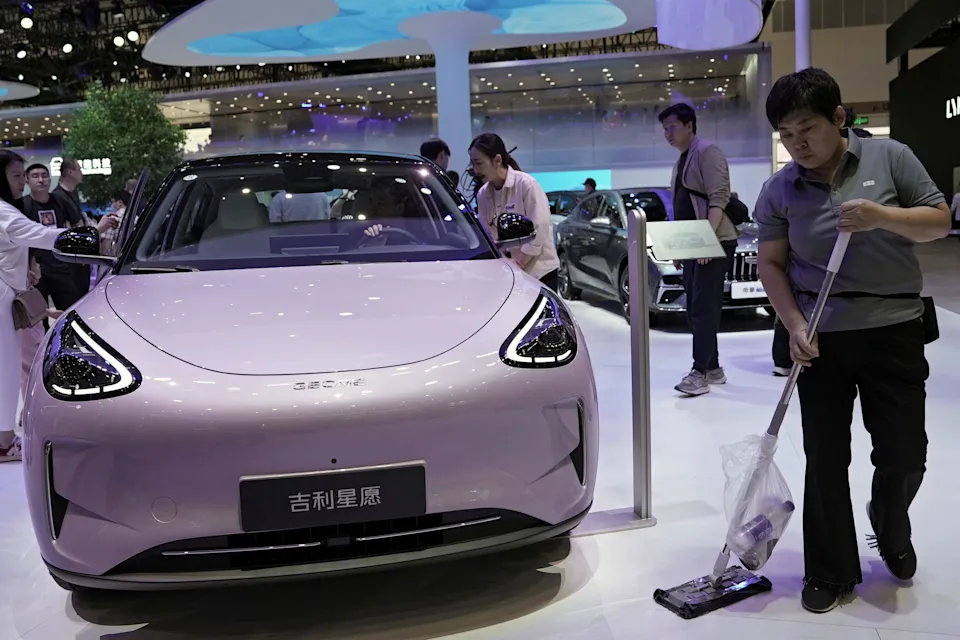
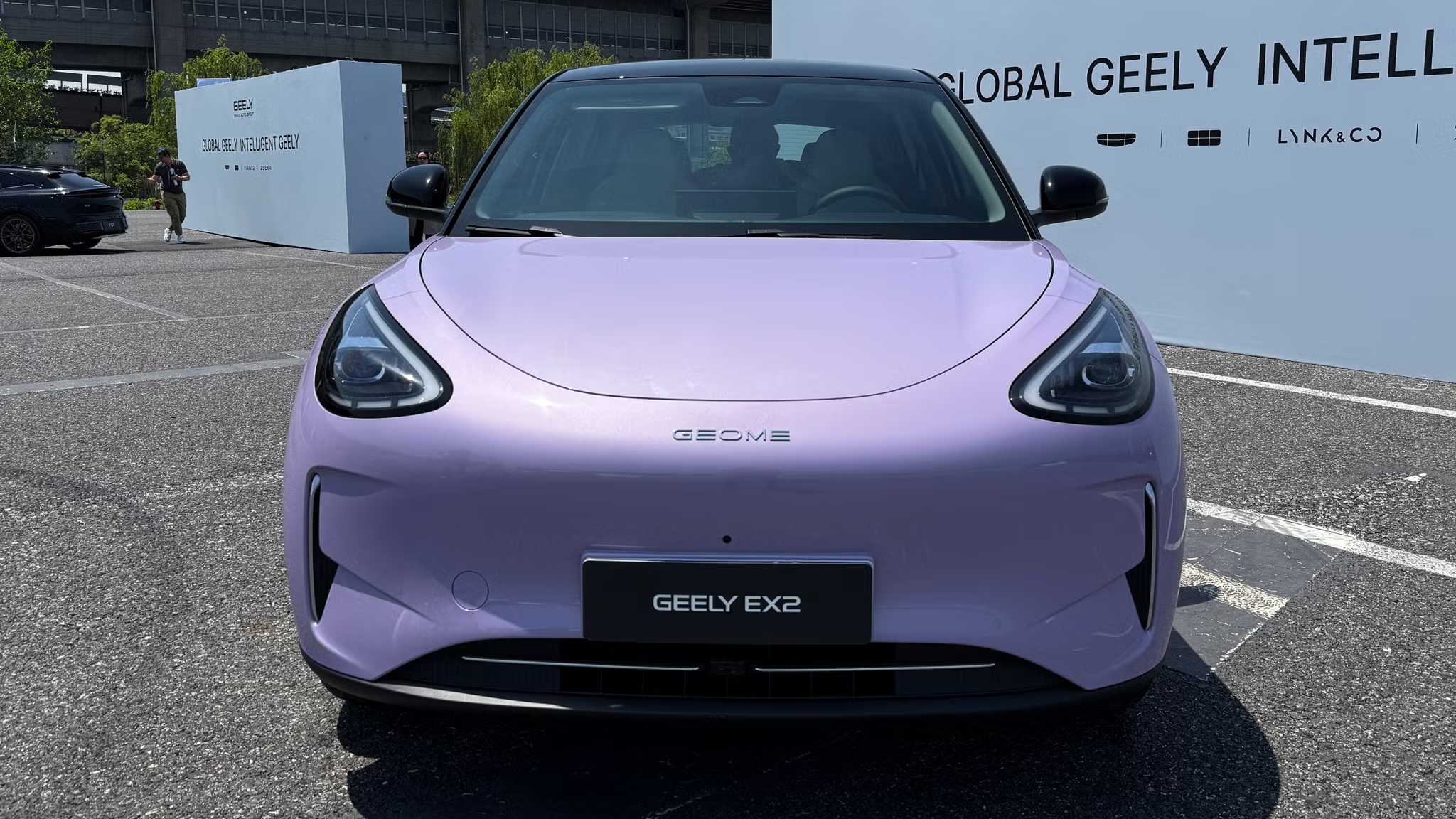
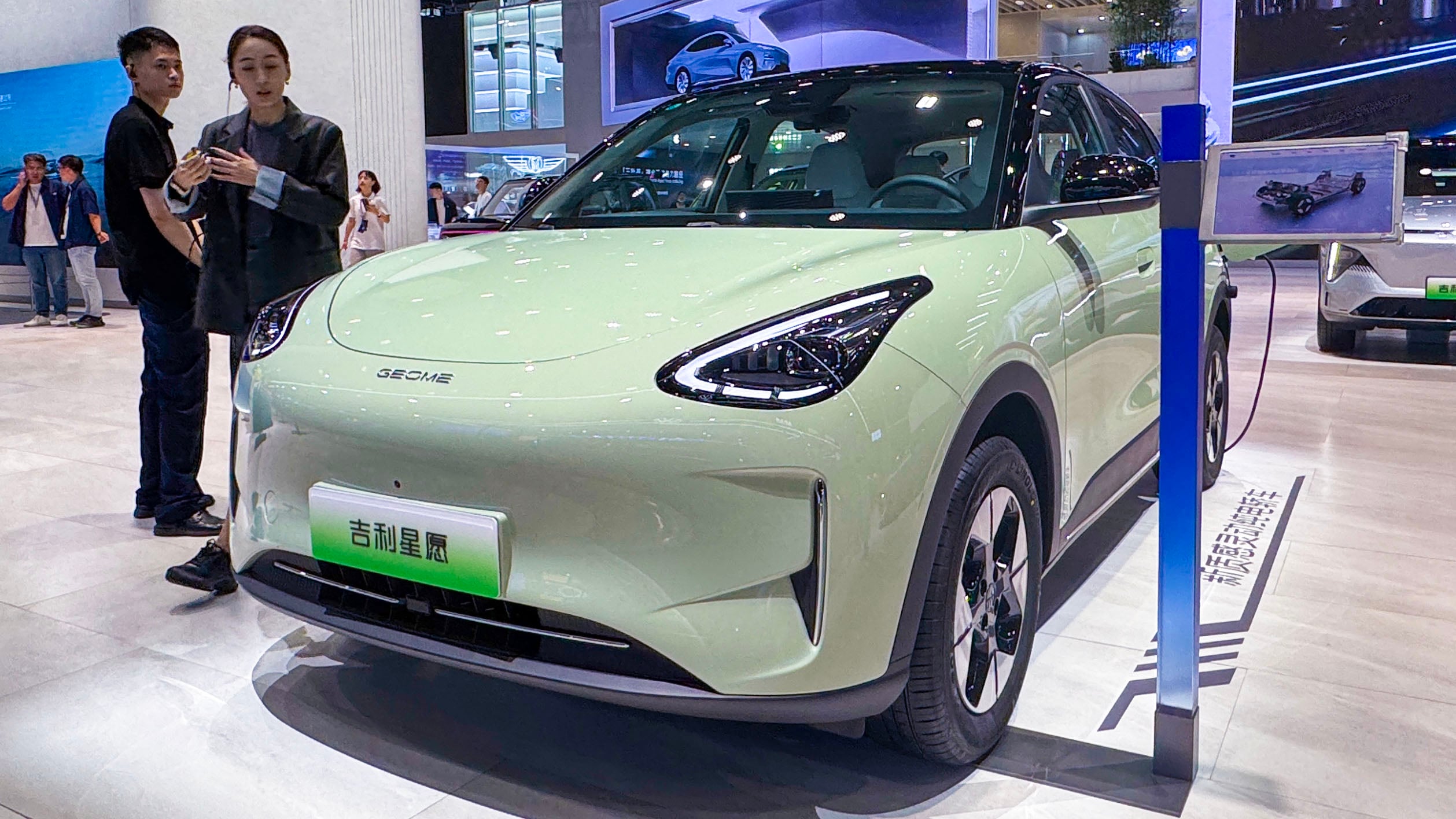
One of the biggest stars at the Beijing Auto Show was the Geely EX2, known domestically as the “Star Wish.”
Starting at roughly $10,000, the compact EV became one of China’s best selling vehicles in 2025 across all categories, not just electric cars.
That success shocked many international analysts because the vehicle does not feel as stripped down as its price suggests. Despite being marketed as an affordable compact EV, the EX2 includes features such as a front storage trunk, multiple cabin compartments, a large central touchscreen, and surprisingly refined interior quality.
The premium version reportedly offers a battery range of around 255 miles using Chinese testing standards.
Industry observers who tested the car noted that it feels larger and more comfortable than many people expect from such an inexpensive vehicle.
Its success also highlights another major trend. Chinese automakers are no longer building products only for domestic buyers. Geely has already expanded sales of the EX2 into countries including Brazil, Indonesia, and Thailand.
This signals that Chinese manufacturers are increasingly targeting global markets with affordable EV strategies.
The Tiny Car That Became A Global Talking Point
Perhaps no vehicle better represents China’s unusual EV revolution than the Wuling Hongguang MiniEV.
At a starting price of roughly $6,500, the tiny city car has become an international curiosity. Small, boxy, and unapologetically simple, the MiniEV challenges many traditional assumptions about what a car should be.
By American standards, it is incredibly small. Analysts joked that two older MiniEV models could fit inside the parking footprint of a Ford F 150 pickup truck.
But size is exactly part of the appeal.
In crowded Chinese cities, compact vehicles are practical, efficient, and easy to park. Many urban drivers simply do not need massive SUVs or long range highway vehicles for daily commuting.
The latest MiniEV generation now includes four doors and slightly improved rear seating space. While still basic compared to premium EVs, it offers mobility at a price point almost unheard of in modern automotive markets.
Its popularity reveals something important about changing consumer behavior. Many younger buyers increasingly prioritize affordability, practicality, and technology over traditional ideas of automotive prestige.
BYD Is Becoming A Global EV Powerhouse
No company symbolizes China’s electric vehicle dominance more clearly than BYD.
Already one of the largest EV manufacturers in the world, BYD has become especially dominant in the affordable EV category.
The company’s models under $12,000 reportedly generated around 700,000 sales over the past year in China alone.
Among its most famous vehicles is the BYD Seagull, a compact electric hatchback that stunned the automotive industry when it launched several years ago.
Experts were shocked not only by its low price, but also by how modern and refined the vehicle appeared. Buyers received advanced styling, impressive efficiency, touchscreen systems, and respectable battery performance at prices that many global automakers struggle to approach.
The 2026 version now reportedly includes optional lidar systems for driving assistance, fast charging upgrades, and battery ranges exceeding 300 miles under Chinese testing conditions.
That combination of affordability and technology has created major pressure on international automakers.
Why American Automakers Are Watching Closely
The rise of ultra affordable Chinese EVs has triggered serious concern among American and European car companies.
Many Western automakers are still struggling to make EV production profitable. Battery costs remain high, labor expenses are significant, and consumer demand in some markets has slowed due to pricing concerns.
Chinese manufacturers, however, appear increasingly comfortable operating in lower price segments with thinner profit margins.
This creates a major competitive challenge.
If Chinese companies successfully expand internationally, they could force global automakers into difficult decisions involving pricing, manufacturing, and market positioning.
Some analysts believe affordable Chinese EVs could completely disrupt entry level vehicle markets worldwide, especially in developing countries where consumers are highly price sensitive.
Others argue that trade restrictions, tariffs, safety regulations, and political tensions may slow Chinese expansion into markets like the United States.
Still, the technological gap between expectations and pricing has become impossible for the industry to ignore.
The EV Price War Is Reshaping The Industry
China’s hypercompetitive EV market is creating an automotive environment where prices continue falling while technology continues improving.
That combination is rare in modern manufacturing industries.
Normally, advanced features increase prices. But Chinese automakers are increasingly adding premium technology while simultaneously lowering costs.
Consumers now expect features like large touchscreens, fast charging, smart software systems, and driver assistance packages even in budget vehicles.
This pressure is beginning to reshape global expectations about what affordable transportation should include.
Some experts believe the EV industry is entering a phase similar to the smartphone revolution, where rapid competition drove massive innovation while steadily reducing consumer prices.
If that trend continues, electric vehicles may eventually become dramatically cheaper than many current gasoline powered cars.
Why These Cars May Never Reach America
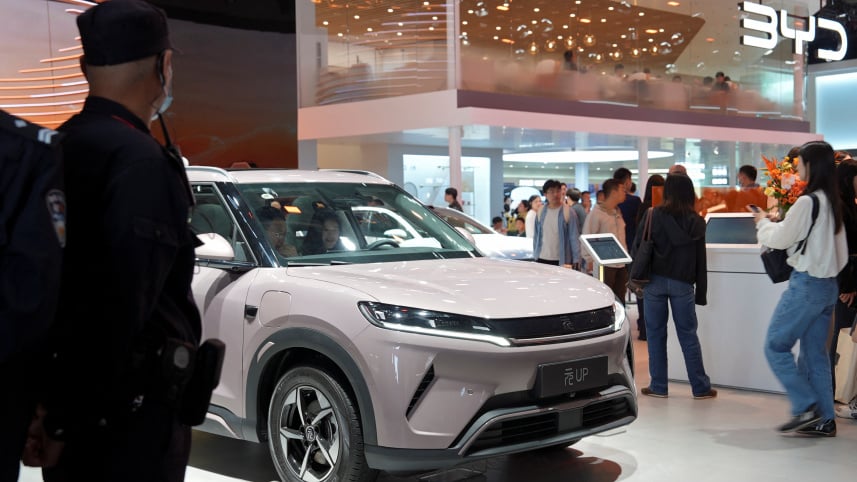
Despite the excitement surrounding Chinese EV pricing, many of these vehicles may never appear in American dealerships.
Safety regulations, import tariffs, political tensions, and consumer preferences all create barriers.
American buyers also tend to favor larger vehicles with longer highway driving capability. Pickup trucks, SUVs, and crossovers dominate the American market in ways that differ significantly from China’s urban focused environment.
Still, some analysts believe global pressure from Chinese manufacturers could indirectly benefit American consumers.
If Western automakers fear losing market share internationally, they may be forced to accelerate development of more affordable EV models at home.
Even without direct imports, China’s pricing revolution could influence the broader global market.
The Bigger Question Facing The Auto Industry
The most important question may no longer be whether electric vehicles are the future. Instead, the question is who will dominate that future.
For years, many people assumed American and European automakers would naturally lead the EV transition because of their long automotive history and engineering reputation.
China’s rise has challenged that assumption dramatically.
The country now controls enormous battery manufacturing capacity, massive domestic demand, rapidly evolving technology ecosystems, and an intensely competitive production environment.
Some industry leaders worry that global automakers underestimated how quickly Chinese EV companies could evolve from low cost imitators into serious international competitors.
Today, vehicles like the BYD Seagull and Geely EX2 are forcing the world to pay attention.
What China’s EV Revolution Means For Consumers
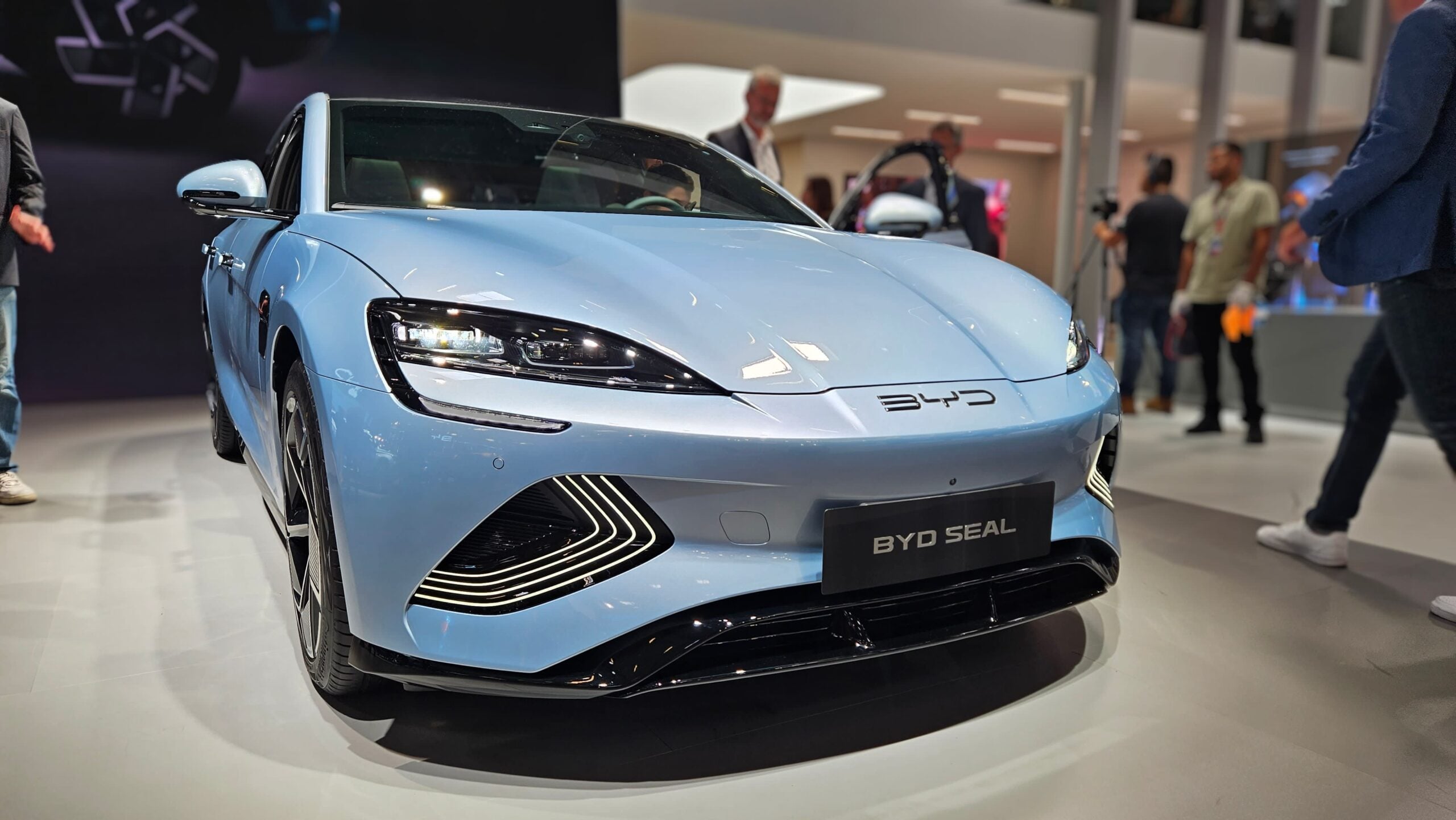
For consumers, China’s electric vehicle boom represents something larger than cheaper cars.
It reflects a broader shift in how technology spreads through society. Products once considered futuristic luxury items are becoming accessible to ordinary buyers at remarkable speed.
The idea that someone could purchase five brand new Chinese EVs for the average price of a single American vehicle would have sounded absurd only a few years ago. Today, it is a real market comparison backed by actual showroom pricing.
Whether Chinese automakers eventually dominate global markets remains uncertain. Political tensions, trade barriers, and regulatory challenges may slow expansion.
But one reality has already become clear. China has fundamentally changed expectations surrounding electric vehicle affordability.
And as consumers around the world watch prices continue falling while technology improves, the global automotive industry may be entering one of the most disruptive periods in its entire history.