
Table of Contents
- The Nightclub Policy That Went Viral
- A Response To Trump’s Comments
- The Gentrification Anger Behind The Price
- Mexico City’s Tourism Boom Has A Cost
- Protests Already Showed The Tension
- Why Americans Became The Focus
- Supporters Say It Is A Protest
- Critics Say It Targets The Wrong People
- A Nightclub Becomes A Political Stage
- The Bigger Debate About Travel Ethics
- What This Means For Mexico City
The Nightclub Policy That Went Viral
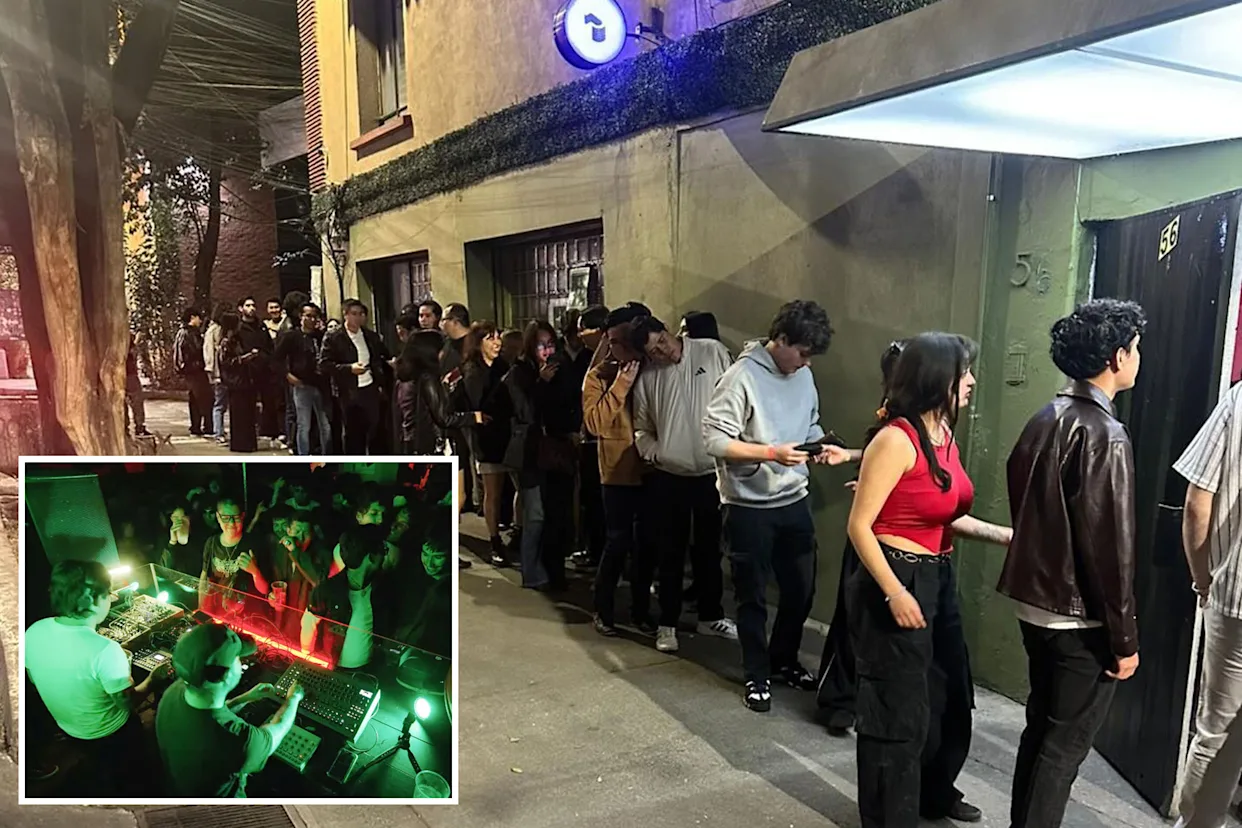
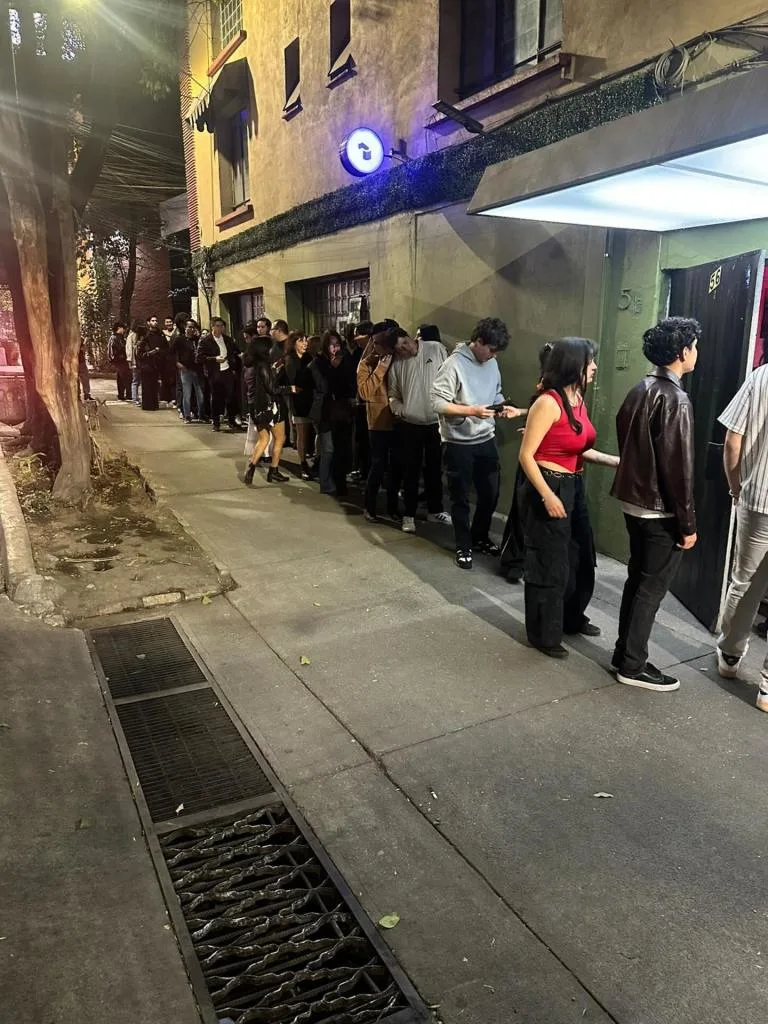
Club Japan explained its pricing by saying it was not simply charging Americans more, but offering discounts to people who needed them. According to the club’s post, the general access price is 5,000 pesos, and United States citizens do not receive a discount.
Other international visitors reportedly receive a 93 percent discount, bringing their entrance fee down to around 350 pesos. Mexican citizens and people from other Latin American countries receive an even larger discount, paying around 250 pesos. Students and teachers outside the United States reportedly receive the biggest reduction, paying only 150 pesos.
The policy immediately grabbed attention because of the huge gap between what Americans pay and what other guests pay. In practical terms, United States citizens are being asked to pay around 15 times more than many other tourists.
That contrast made the story spread quickly across social media, where many people debated whether the move was discriminatory, clever, political, justified, or simply a publicity stunt.
A Response To Trump’s Comments
Crespo said the pricing policy was partly a response to comments and attitudes from President Donald Trump toward Mexico. He described it as a reaction to what he viewed as a year of insults directed at Mexico by the United States.
The club owner framed the policy as a political response rather than a personal attack on individual American visitors. In later comments, the club clarified that the policy was not meant to express hatred toward American citizens as people. Instead, it described the move as political positioning.
That distinction has become central to the controversy. Supporters argue that businesses have the right to express political frustration, especially when they feel their country has been disrespected. Critics argue that punishing ordinary tourists for the words of a politician is unfair and divisive.
The story quickly became more than a nightclub pricing issue. It became a symbol of how international politics can spill into everyday travel, entertainment, and local business decisions.
The Gentrification Anger Behind The Price
Beyond politics, Crespo also linked the policy to gentrification in Mexico City. Over the past several years, Mexico City has become a popular destination for foreigners, especially Americans working remotely. Many arrived during and after the pandemic, attracted by lower living costs, vibrant culture, food, architecture, and neighborhood life.
But for local residents, that wave of foreign arrivals has brought serious consequences. Rents have risen sharply in many neighborhoods. The cost of living has increased. Some longtime residents feel pushed out of the communities they helped build.
Crespo said the extra money collected from American tourists is given to the club’s staff, who are among the people affected by rising rents and daily living costs.
In that sense, the cover charge is being presented not only as protest, but as redistribution. The club says the money goes to workers who deal with longer commutes, higher expenses, and a changing city economy shaped by tourism and foreign money.
Mexico City’s Tourism Boom Has A Cost
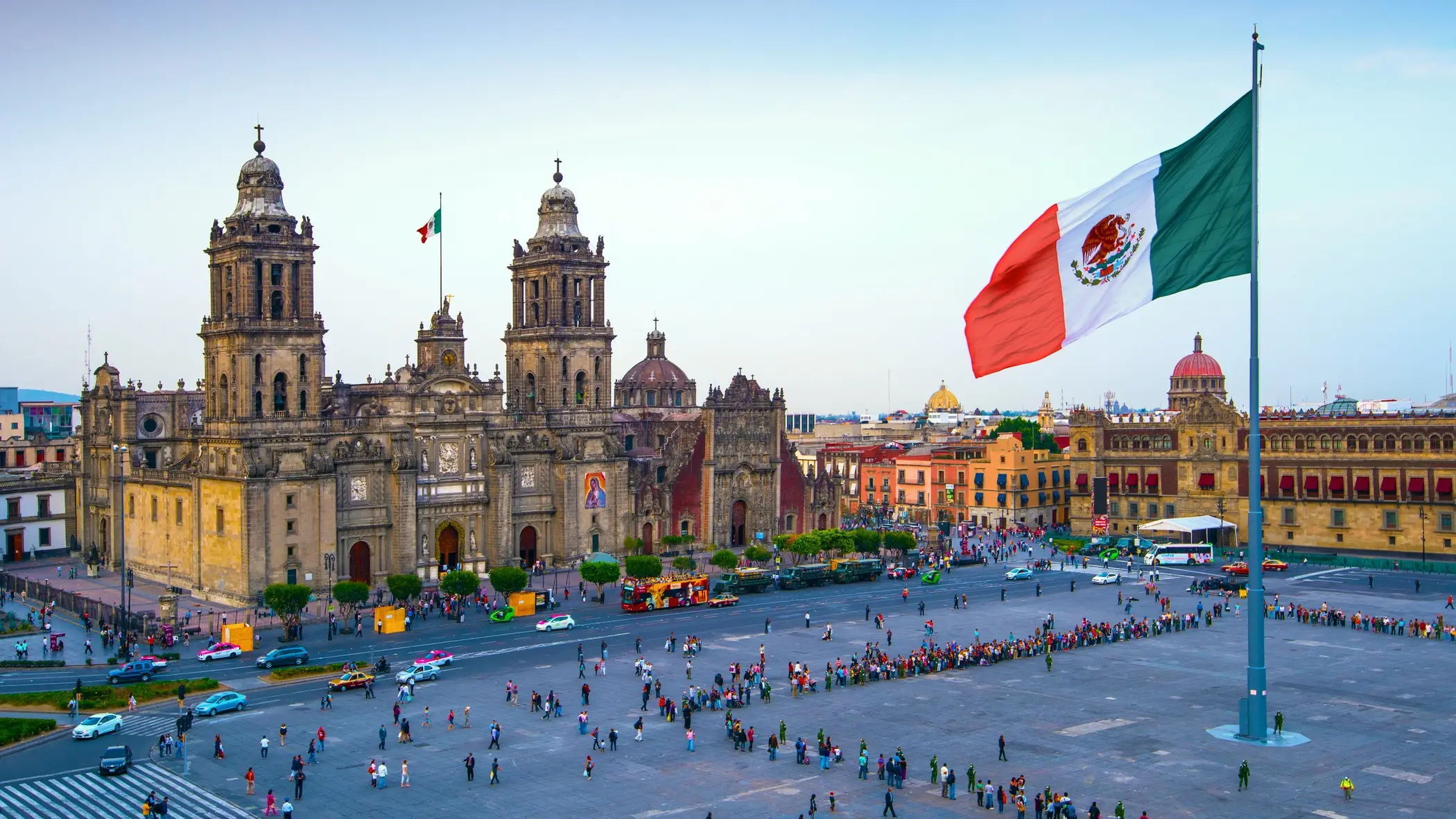
Mexico City has long been admired for its art, music, food, history, nightlife, and creative culture. In recent years, it has also become one of the world’s most popular destinations for remote workers and digital nomads.
For visitors, the city can feel affordable, exciting, and culturally rich. For locals, however, the rapid rise in international attention has created pressure.
Neighborhoods that were once primarily residential have become packed with short term rentals, cafes aimed at foreigners, English language menus, and businesses catering to tourists with higher spending power. Local residents often cannot compete with foreign salaries or dollars.
This has created a growing sense of resentment among some residents who feel that their city is being reshaped for visitors rather than the people who live there.
The Club Japan pricing policy tapped directly into that frustration.
Protests Already Showed The Tension
The nightclub controversy did not appear out of nowhere. Mexico City has already seen protests against mass tourism and gentrification. Demonstrators have carried signs telling foreigners to respect local culture, learn Spanish, pay taxes, and stop contributing to housing displacement.
These protests reveal a deeper frustration. Many residents do not necessarily oppose visitors, but they object to a tourism model that raises prices while locals struggle to remain in their own neighborhoods.
The anger is especially strong toward digital nomads who live temporarily in Mexico City while earning salaries from the United States or Europe. Their income gives them far more spending power than many local workers.
When foreign residents can afford higher rents, landlords may increase prices across entire neighborhoods. Local families, students, service workers, and artists may then be pushed farther away from the city center.
Club Japan’s policy is now being viewed as one dramatic expression of this broader tension.
Why Americans Became The Focus
Americans became the center of the policy for two reasons. First, the club owner directly connected the pricing decision to Trump’s comments about Mexico. Second, Americans represent one of the most visible groups of foreign visitors and temporary residents in Mexico City.
For many locals, Americans have become the face of the digital nomad boom. They are often associated with rising rents, English dominated spaces, expensive cafes, and neighborhoods that feel less accessible to locals.
That does not mean every American visitor contributes equally to the problem. Many tourists visit respectfully, support local businesses, learn about Mexican culture, and behave responsibly. But in public debates, groups often become symbols of larger issues.
In this case, American tourists have become a symbol of political tension, economic inequality, and cultural displacement.
That is why the nightclub’s pricing policy sparked such a strong emotional reaction.
Supporters Say It Is A Protest
Supporters of the club say the policy is a creative form of protest. They argue that Mexico City residents have been dealing with the consequences of foreign wealth for years, while their concerns are often ignored.
To them, the expensive cover charge makes a point. If foreigners can afford to live comfortably in Mexico City while locals struggle with rising costs, then perhaps they can also pay more to enter a nightclub.
Some supporters also praised the club for giving the extra money to staff. They see the policy as a small but symbolic way to redirect money from wealthy visitors to workers affected by the city’s changing economy.
Others said the controversy itself is useful because it forces people to talk about gentrification, housing pressure, and tourism inequality.
From this perspective, the $300 charge is not just a price. It is a message.
Critics Say It Targets The Wrong People
Critics, however, argue that the policy unfairly targets individuals based on nationality. They say ordinary American tourists should not be charged more because of the actions of a president, government, or broader economic system.
Some have called the move discriminatory. Others say it risks encouraging more division between locals and visitors.
Critics also argue that gentrification is a complex issue that cannot be solved by charging one nationality more at a nightclub. Housing policy, short term rental regulation, wage inequality, and urban planning are far bigger problems than one group of tourists going out at night.
Some Americans online said they sympathized with local frustrations but felt the pricing system was hostile and unfair.
The backlash shows the difficulty of protest pricing. It may draw attention, but it can also alienate people who might otherwise support the underlying cause.
A Nightclub Becomes A Political Stage
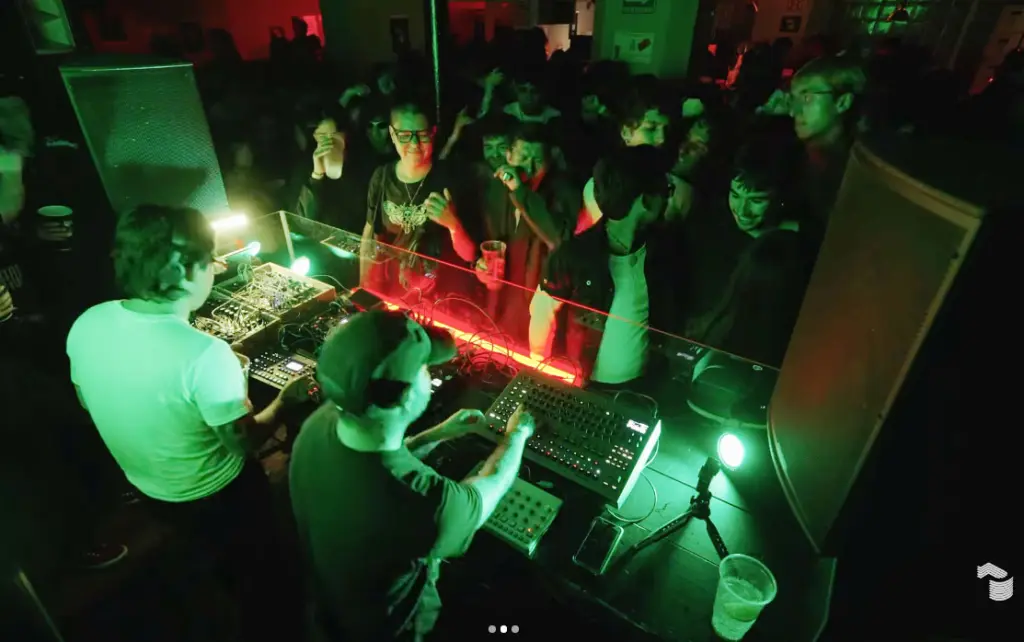
What makes this story unusual is how a nightlife venue became a platform for political expression. Clubs are usually associated with music, entertainment, dancing, and social life. But in this case, the door price became a statement about international relations and urban inequality.
That is partly why the story went viral. It took a serious topic and placed it in an unexpected setting.
Instead of a government speech or protest march, the message appeared at the entrance of a nightclub.
That contrast made the policy feel bold, provocative, and easily shareable online. People who may not usually read about urban housing issues suddenly found themselves debating Mexico City gentrification because of a cover charge.
Whether people agree with the policy or not, it succeeded in turning attention toward the pressures facing local residents.
The Bigger Debate About Travel Ethics
The controversy also raises a wider question about modern travel. When visitors arrive in a city with more money than local residents, what responsibility do they have?
Tourism can bring jobs, income, and international attention. But it can also raise prices, strain housing markets, and change the cultural character of neighborhoods.
Mexico City is not alone. Cities around the world, from Lisbon to Barcelona to Bali, have faced growing backlash against overtourism and digital nomad culture.
The Club Japan debate fits into this global pattern. Local communities are asking who benefits from tourism and who pays the price.
For travelers, the lesson may be simple but uncomfortable. Visiting a city is not only about enjoying what it offers. It also means entering a living community with its own pressures, history, and struggles.
What This Means For Mexico City
The nightclub’s policy may not last forever, but the debate behind it is unlikely to disappear. Mexico City will continue attracting foreign visitors because of its beauty, culture, and energy. At the same time, local residents will continue demanding protection from rising costs and displacement.
The city now faces a difficult balancing act. It must welcome tourism without allowing tourism to overwhelm local life. It must support economic opportunity while protecting housing access. It must remain open to the world while preserving the communities that make it special.
Club Japan’s $300 charge for Americans may be controversial, but it has exposed a real tension.
Behind the viral headline is a city wrestling with global attention, political anger, and economic pressure. For some, the nightclub’s policy is unfair. For others, it is a long overdue warning.
Either way, one thing is clear. In Mexico City, even a night out can become a statement about who gets to enjoy the city, who gets priced out of it, and who should pay when the cost of popularity becomes too high.