
Table of Contents
- What is Hantavirus and Why Is It Dangerous?
- The MV Hondius Outbreak: A Deadly Discovery
- How the Virus Spread on the Ship
- WHO’s Warning: The 40% Mortality Rate
- The Search for Human-to-Human Transmission
- The Role of the Andes Virus: A Rare, Deadly Threat
- Immediate Response to the Outbreak
- The Impact on the Cruise Industry
- What Happens Next? Global Health Efforts Intensify
- The Growing Threat of Hantavirus
What is Hantavirus and Why Is It Dangerous?
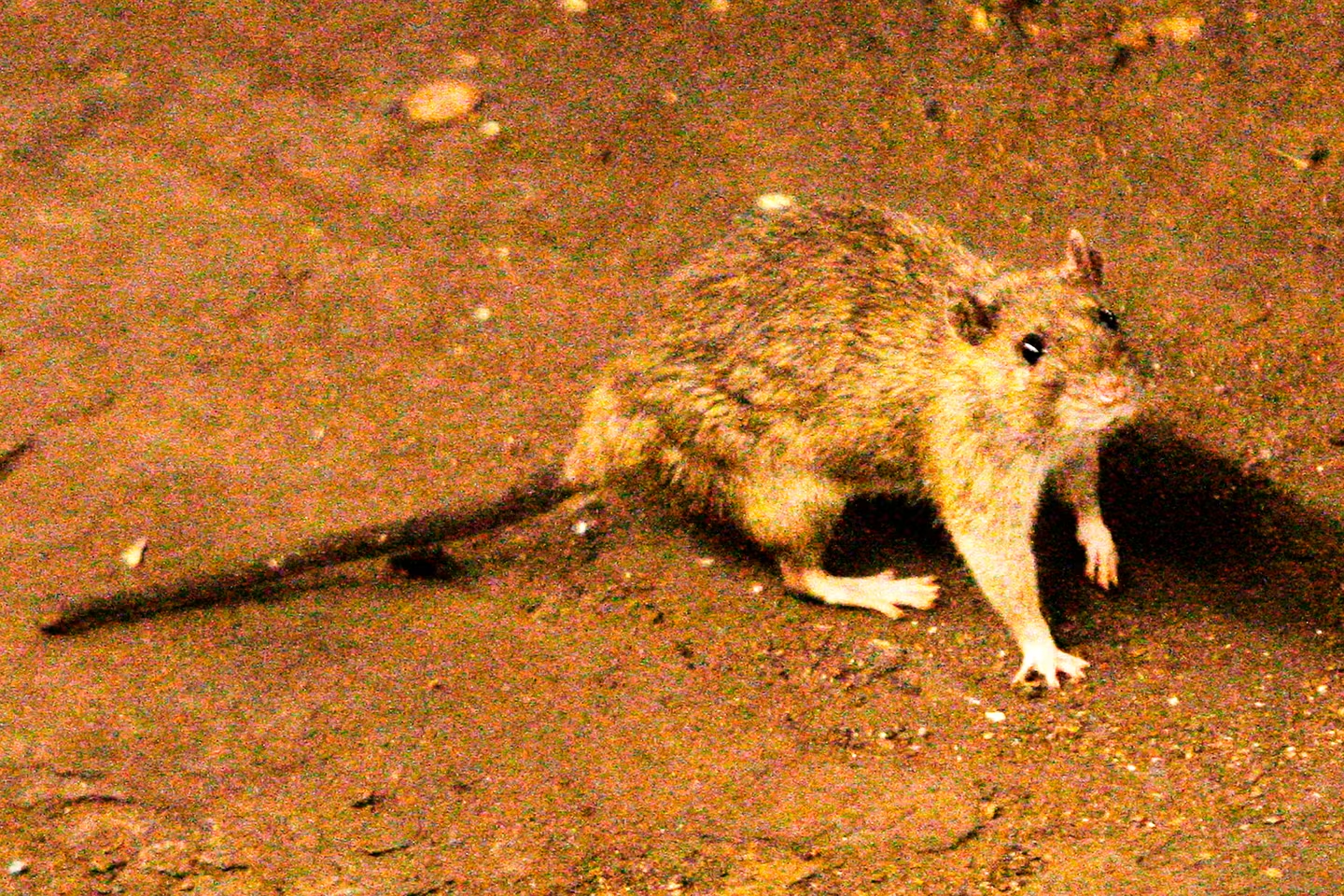
Hantavirus is a group of viruses that typically spread to humans through contact with rodents, specifically their urine, feces, or saliva. Most hantavirus strains are transmitted through inhalation of particles from rodent excrement. However, the Andes virus strain, responsible for the current outbreak on the MV Hondius, is an alarming exception. While rare, this variant can be transmitted directly from person to person, raising significant concerns for public health. The virus causes hantavirus pulmonary syndrome (HPS), a severe respiratory illness that often leads to respiratory failure and, in some cases, death.
The MV Hondius Outbreak: A Deadly Discovery
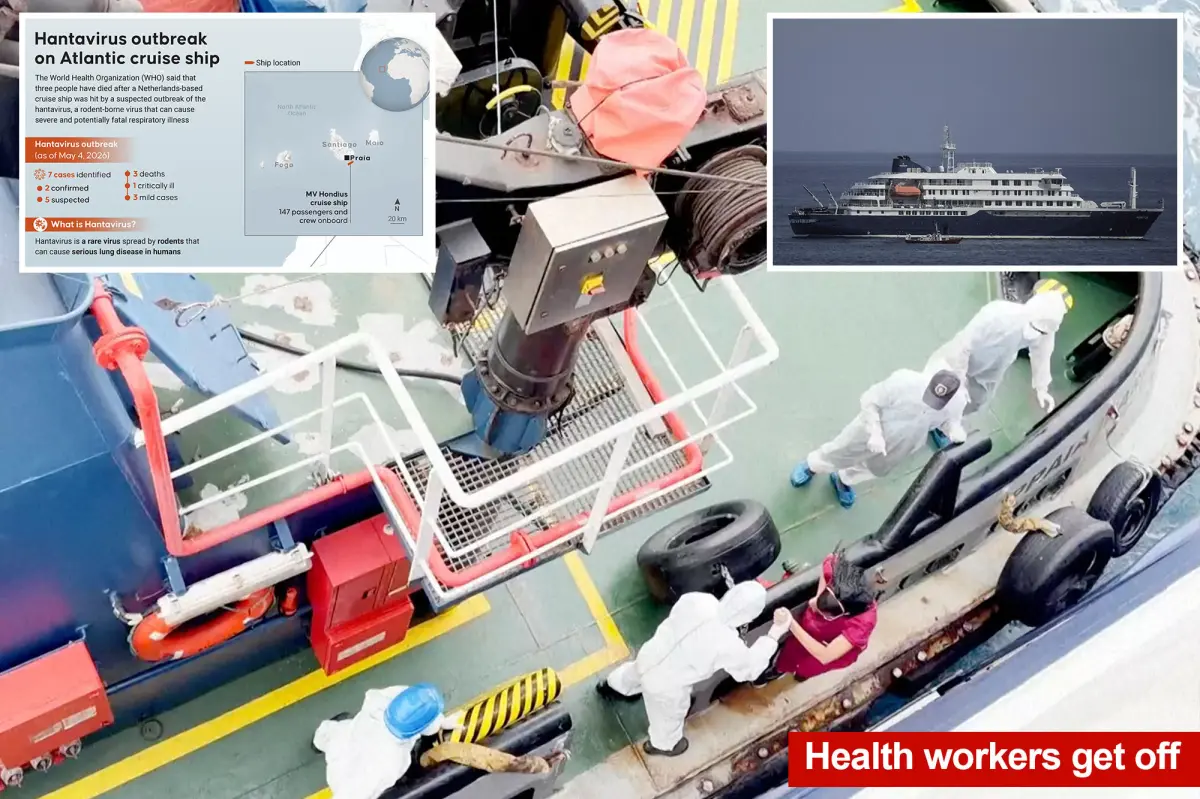
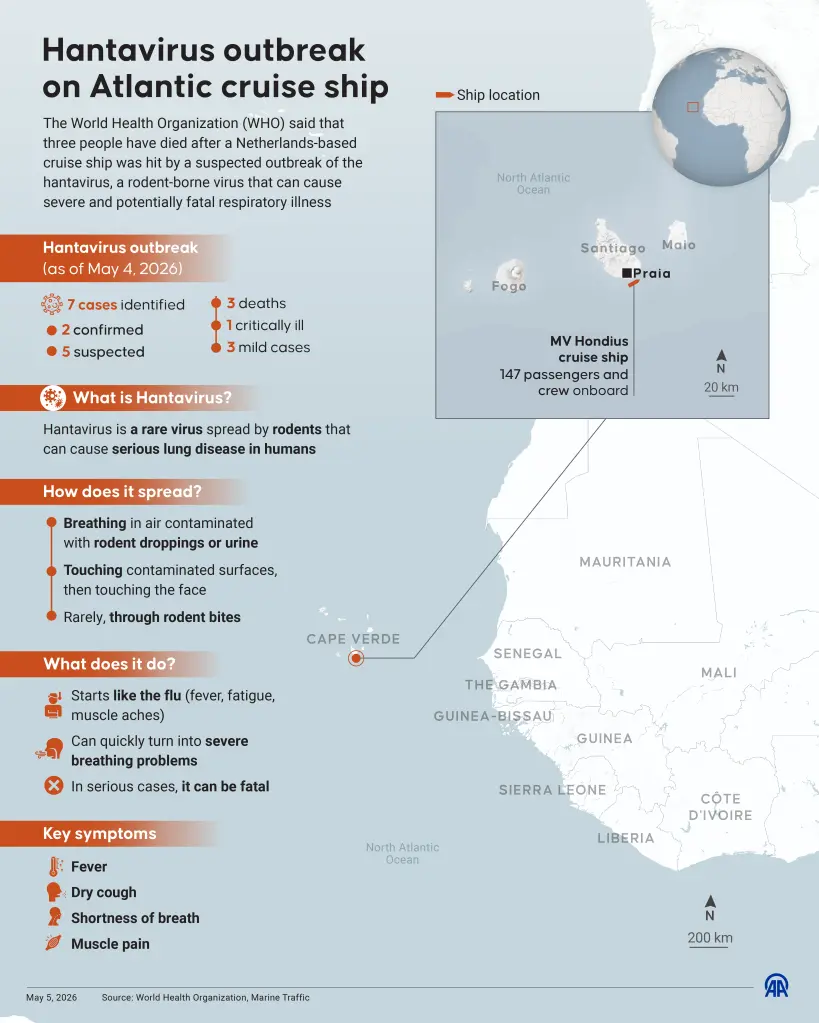
The outbreak aboard the MV Hondius cruise ship began during its voyage from Argentina, which started on March 20, 2026. The vessel, which was carrying over 100 passengers, had departed from Buenos Aires, but not from a region where the Andes virus is usually found. Despite the initial lack of a direct link to the virus’s typical geographic location, the disease quickly spread among the passengers. Health officials confirmed that three passengers died aboard the ship, and several others were diagnosed with severe symptoms of hantavirus.
How the Virus Spread on the Ship
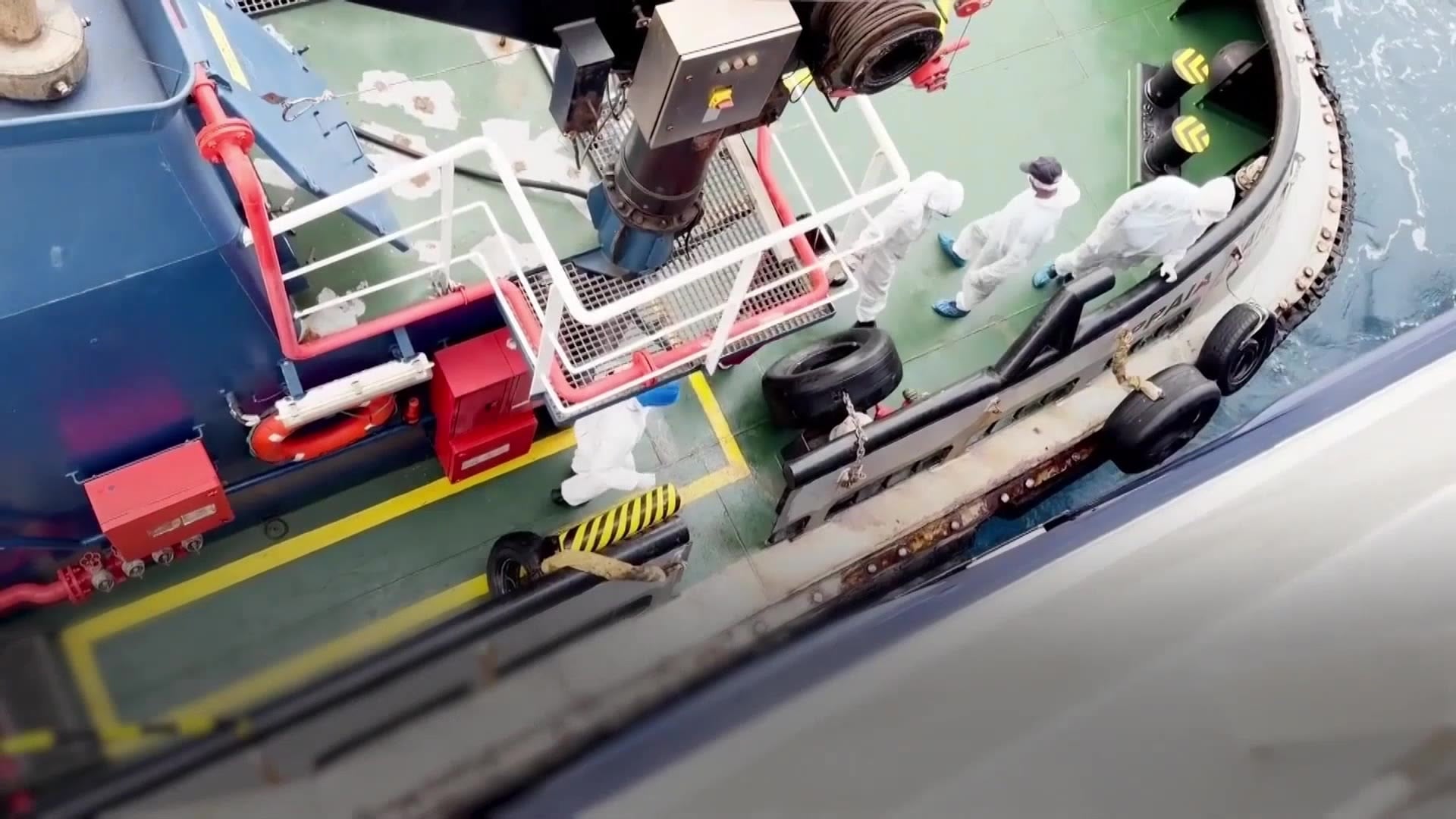
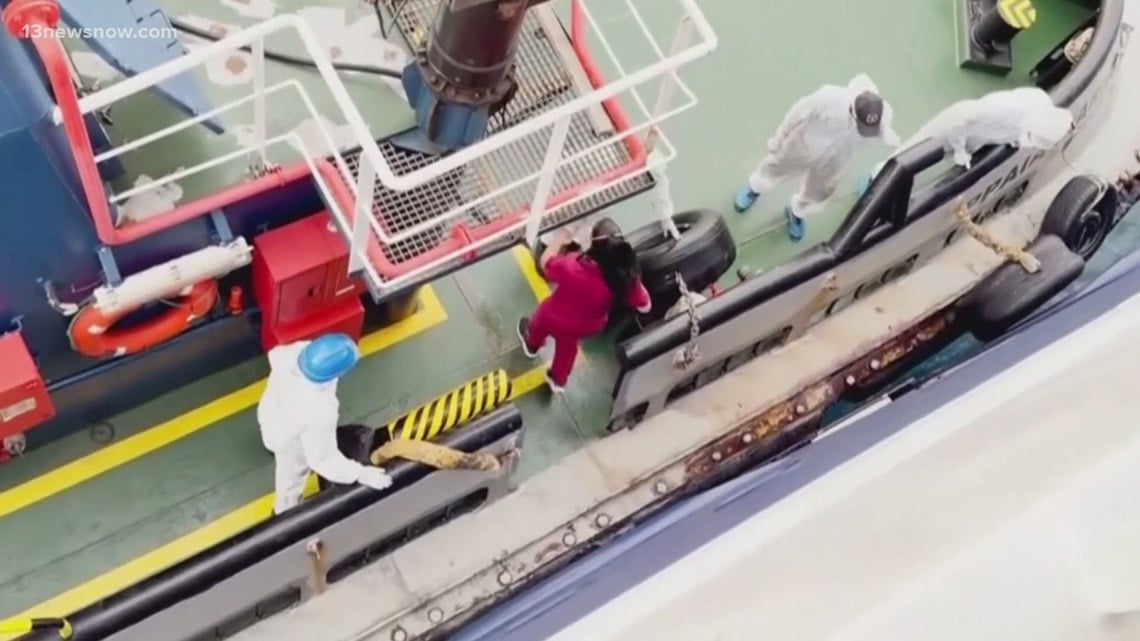
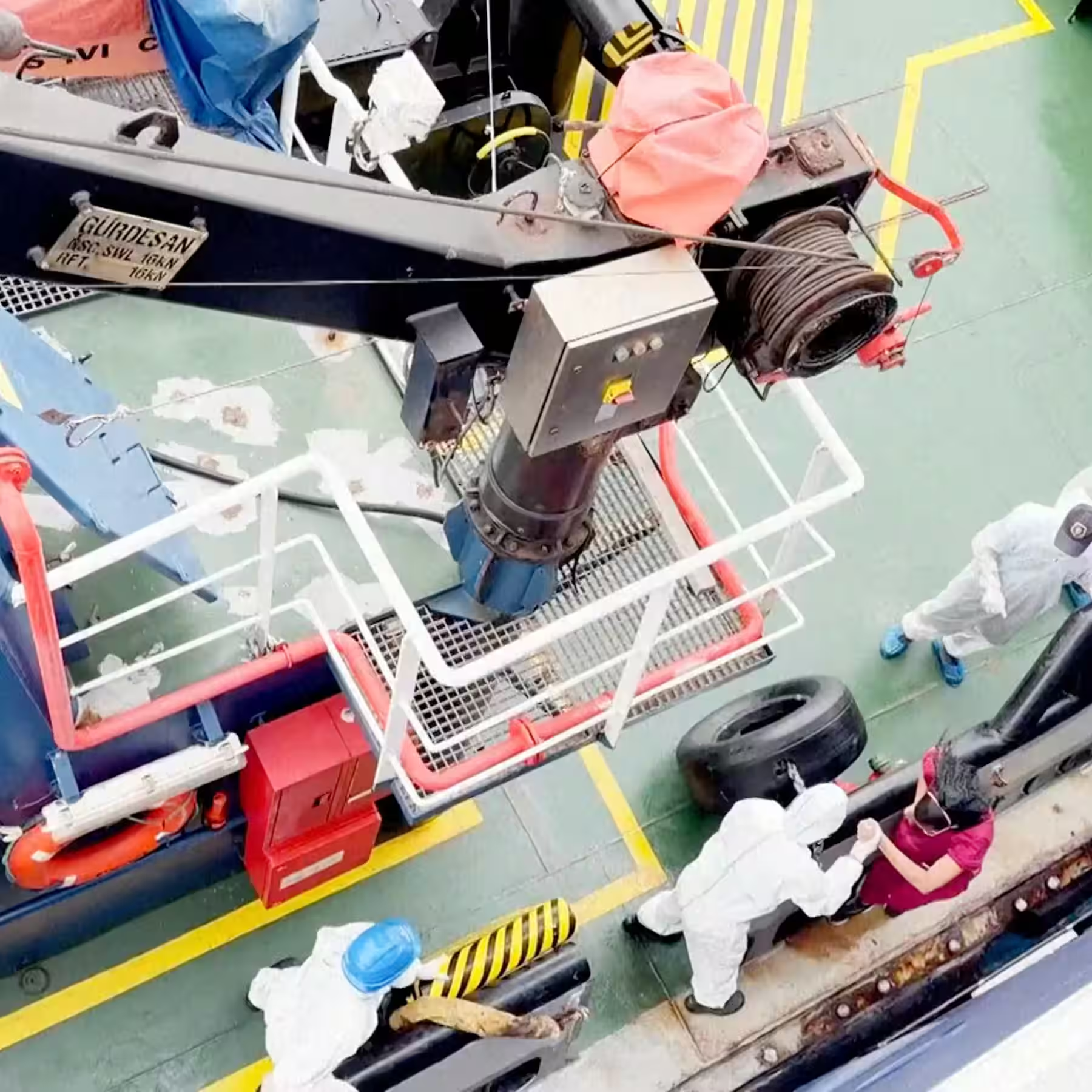
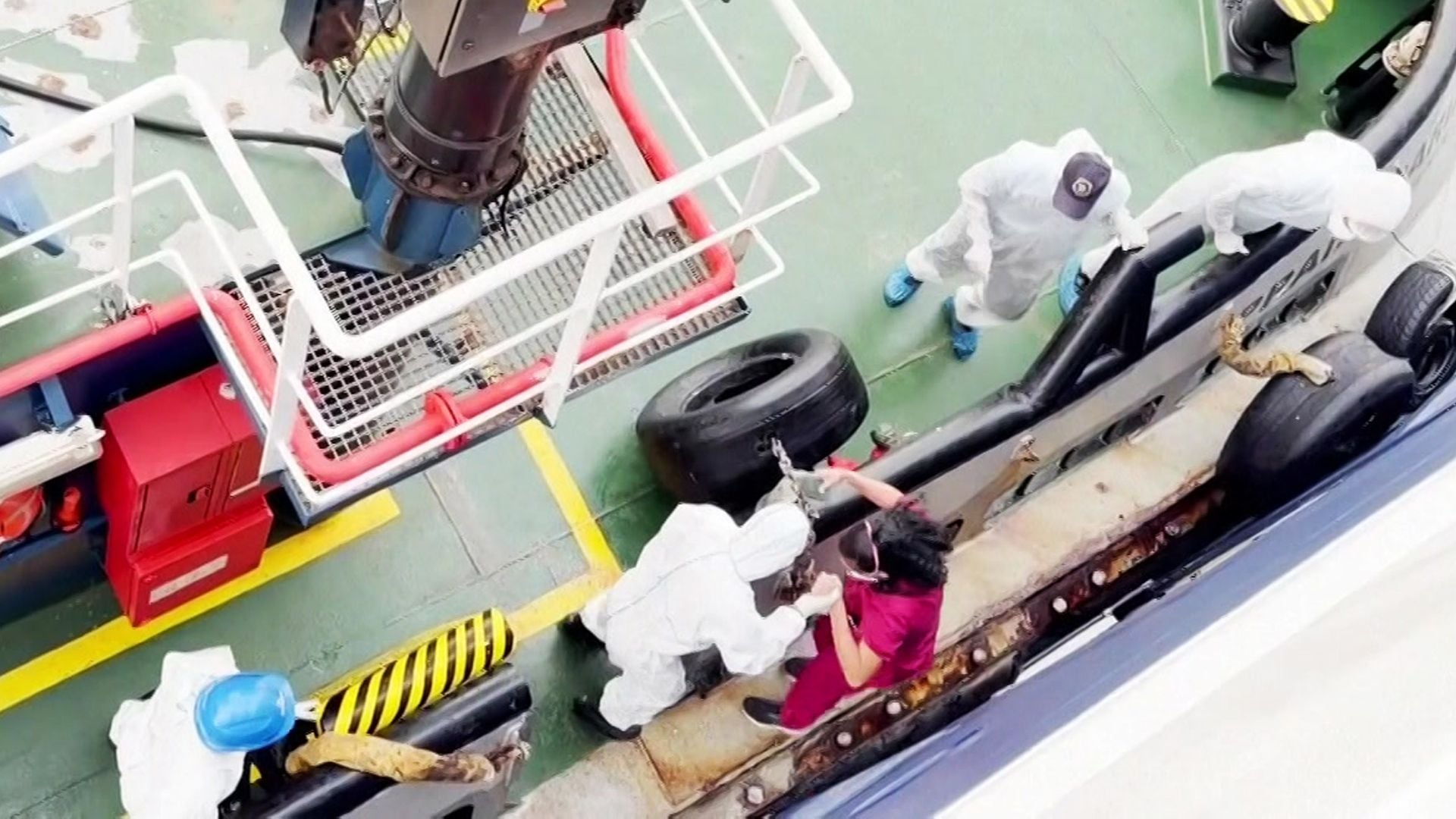
Though hantavirus is primarily spread through rodent contact, the spread of the Andes virus on the MV Hondius is being closely scrutinized. WHO officials have acknowledged that person-to-person transmission is suspected among close contacts. This discovery has escalated the situation, making it far more dangerous than typical hantavirus outbreaks. The MV Hondius was quarantined, and a medical response team was dispatched to Cape Verde, where the ship was docked for further investigation. Hazmat-suited medical personnel were seen approaching the vessel as they prepared to transport affected passengers to medical facilities.
WHO’s Warning: The 40% Mortality Rate
The World Health Organization has raised its alert level due to the severity of the outbreak. Maria Van Kerkhove, the WHO’s director for epidemic and pandemic preparedness, confirmed that the Andes virus is a rare strain with an alarmingly high mortality rate — 40%. While hantavirus generally has a lower fatality rate, this strain is exceptionally deadly, which makes it a priority for international health organizations to contain it swiftly.
The Search for Human-to-Human Transmission
One of the most concerning aspects of this outbreak is the possibility of human-to-human transmission. While hantaviruses are typically spread by rodents, the Andes virus strain appears to be capable of passing from one infected person to another. This shift in transmission mode has spurred urgent measures to contain the virus before it spreads to more individuals, particularly in crowded or confined environments like cruise ships. The cruise ship’s crew and passengers who may have been in close contact with the affected individuals are being monitored for symptoms, and medical evacuations are ongoing.
The Role of the Andes Virus: A Rare, Deadly Threat
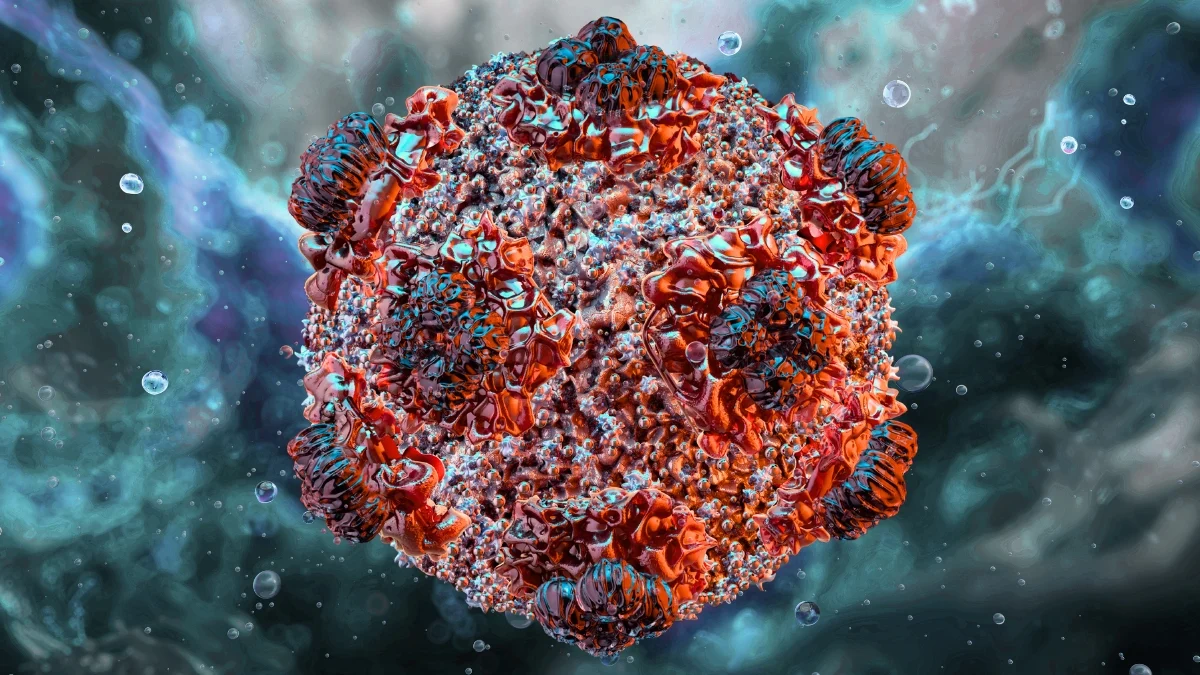
The Andes virus, named after the Andean region where it was first discovered, is the only strain of hantavirus known to be transmitted from person to person. This strain typically resides in rodent populations in the mountains of Argentina and Chile. However, it was not expected to appear in the areas the MV Hondius sailed through. Despite this unexpected appearance, health officials are now bracing for the possibility of more outbreaks linked to this strain. Experts warn that this virus could emerge in other parts of the world, potentially causing widespread outbreaks in densely populated areas.
Immediate Response to the Outbreak
In response to the growing health crisis aboard the MV Hondius, authorities have moved swiftly. Ambulance boats equipped with hazmat suits have been dispatched to the cruise ship, and health experts are working to isolate the affected passengers. Those who have shown symptoms of hantavirus infection are being immediately transferred to healthcare facilities, and the ship itself remains under quarantine. Cape Verde authorities have reinforced their borders to prevent any further spread, while the WHO coordinates with local officials to ensure that medical resources are fully mobilized.
The Impact on the Cruise Industry
This outbreak on the MV Hondius is likely to have far-reaching consequences for the cruise industry, particularly regarding passenger safety and health protocols. The cruise industry has already faced challenges during the COVID-19 pandemic, and this latest outbreak of a dangerous virus could prompt additional scrutiny. Health and safety measures will be reassessed by international maritime authorities, and stricter protocols may be put in place to prevent the spread of infectious diseases on cruise ships in the future.
What Happens Next? Global Health Efforts Intensify
As the situation aboard the MV Hondius continues to unfold, health organizations are on high alert. International collaboration is crucial to preventing the spread of the Andes virus to other countries. The WHO is working closely with local health authorities in Cape Verde and surrounding nations to trace potential contacts and monitor any secondary cases. Researchers are also focused on determining whether the virus could be transmitted more widely, and they are exploring treatment options to combat the virus’s deadly effects.
The Growing Threat of Hantavirus
The outbreak aboard the MV Hondius serves as a stark reminder of the unpredictable nature of infectious diseases. The Andes virus, with its rare ability to transmit between humans, presents a serious threat to global health. As the WHO and other health authorities work tirelessly to contain the outbreak, the world watches closely, hoping that swift action can prevent further loss of life. The outbreak also raises questions about the readiness of public health systems to handle such rare, deadly viruses, especially in settings where people are confined together, such as on cruise ships.