
Table of Contents
- A Troubling Incident: ICE Agent Involved in Fatal Shooting
- The Prior Incident: Ross Dragged by Vehicle During Arrest
- The Shooting Incident: Details of the Fatal Encounter
- Expert Reactions: Was the Shooting Justified?
- Ross’s Background: An Experienced Agent with a Violent History
- ICE’s Response: Defending Ross’s Actions
- Public Reaction and Legal Implications
- ICE’s Role in U.S. Immigration Enforcement: A Controversial Agency
- What’s Next for Jonathan Ross and ICE?
- Conclusion: A Tragic and Complex Case
A Troubling Incident: ICE Agent Involved in Fatal Shooting
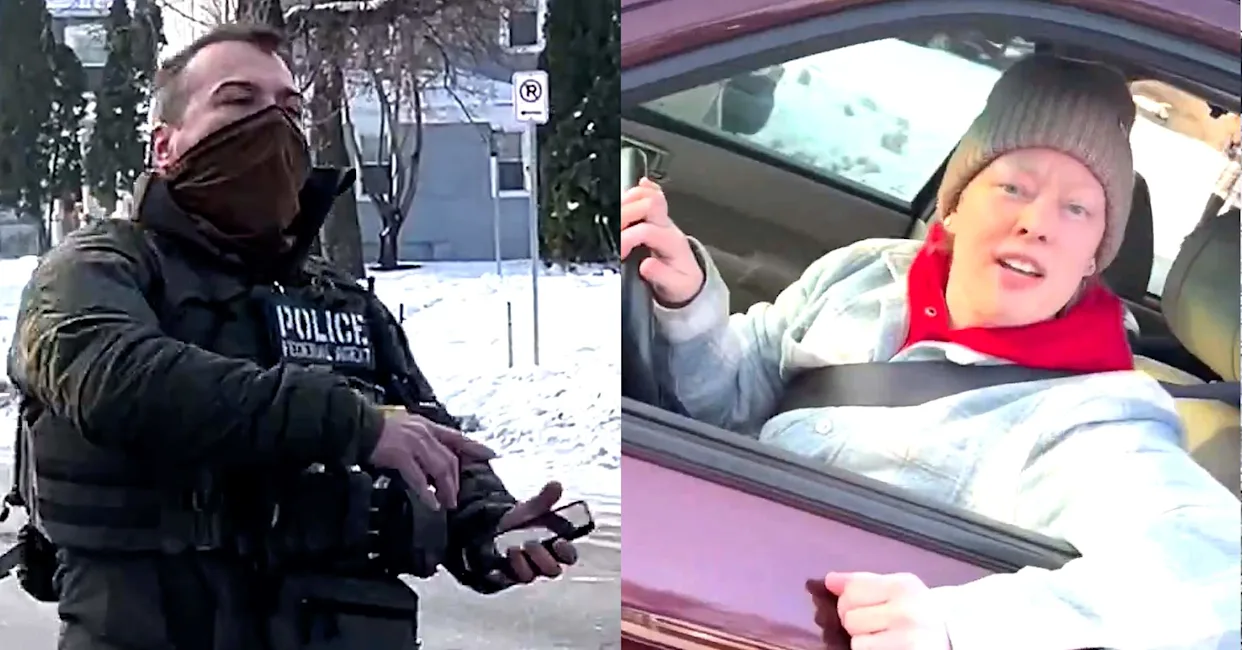
When news broke that ICE agent Jonathan Ross had fatally shot 37-year-old Renee Nicole Good in Minneapolis on January 7, 2026, it was not just the tragic loss of life that captured attention, but the history of the officer involved. Jonathan Ross, an experienced ICE agent, was previously injured in a separate, violent incident during an arrest in June 2025 when he was dragged by a fleeing vehicle. The re-emergence of Ross in the spotlight, this time in connection with a fatal shooting, raises significant questions about his actions, training, and past experiences.
ICE officials have only described Ross as a seasoned agent with over a decade of service, but little else is known about his background or his field office. On the day of the shooting, Ross was part of a federal agent crackdown in south Minneapolis, targeting suspected criminals, but the tragic incident escalated when Good was shot and killed.
The Prior Incident: Ross Dragged by Vehicle During Arrest
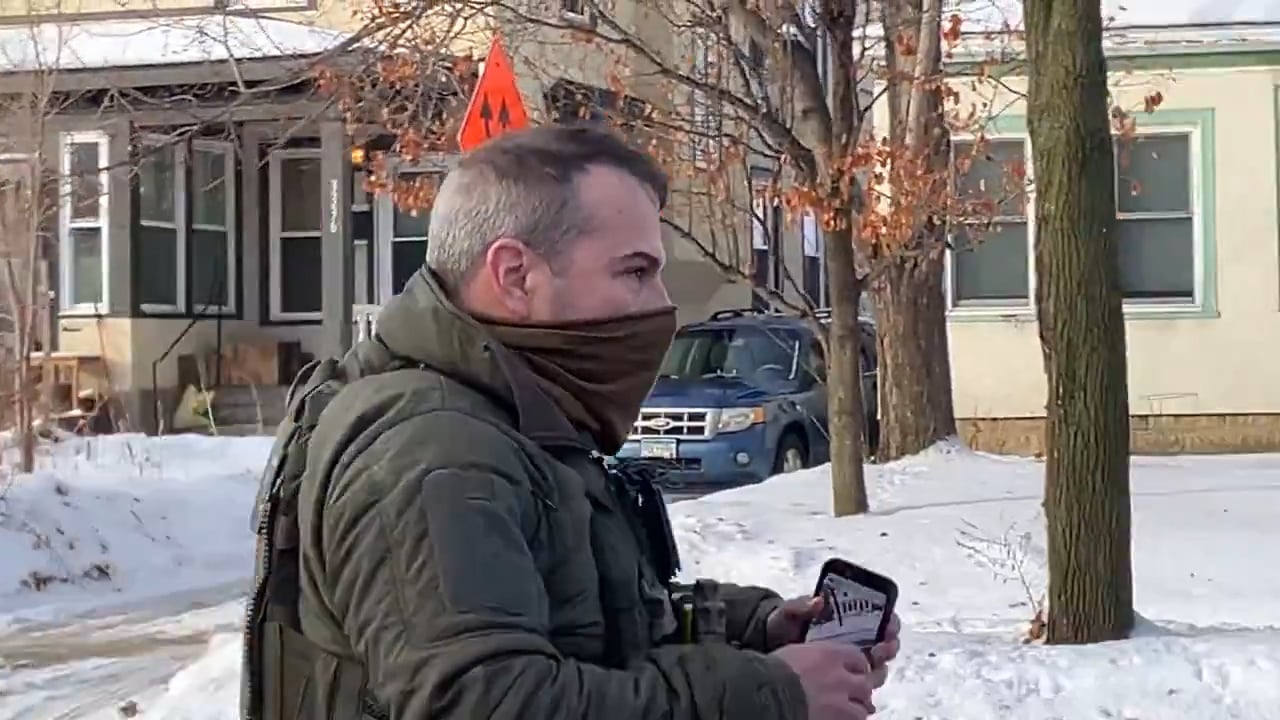
Ross’s involvement in a violent encounter was not unprecedented. On June 17, 2025, he participated in the arrest of Roberto Carlos Munoz-Guatemala, a Mexican national wanted by immigration authorities. During the arrest, Munoz-Guatemala ignored commands and attempted to flee. Ross, who had broken the car’s rear window to unlock the door, was dragged alongside the vehicle as the suspect attempted to escape, resulting in severe injuries.
Ross was left with deep cuts and required 33 stitches for injuries sustained to his right arm and left hand. Munoz-Guatemala was convicted of assaulting a federal officer later that year. This earlier incident, involving a violent and high-risk arrest, is particularly notable in the context of the fatal shooting of Good, especially given Ross’s history of being injured in a similar type of confrontation.
The Shooting Incident: Details of the Fatal Encounter
On the morning of January 7, 2026, Jonathan Ross was working alongside other federal agents on a targeted operation in south Minneapolis. This operation, part of an ongoing initiative to address crime in the area, took a deadly turn when 37-year-old Renee Nicole Good was fatally shot. The details surrounding the incident are still under investigation, but the shooting occurred as Good was allegedly in a vehicle, and Ross fired at her after some form of confrontation.
ICE spokespersons, including Assistant Secretary of the Department of Homeland Security Tricia McLaughlin, defended Ross’s actions, claiming that he followed his training. McLaughlin also highlighted the intense danger faced by federal agents in the line of duty, pointing to a surge in assaults and threats against ICE officers. However, the decision to shoot at a moving vehicle has raised concerns among law enforcement experts, with several questioning whether such an action was necessary or warranted.
Expert Reactions: Was the Shooting Justified?
The decision to fire on a moving vehicle has been widely debated among law enforcement experts. Several use-of-force specialists interviewed by the Minnesota Star Tribune suggested that shooting at a moving car is often discouraged due to the risk it poses to bystanders and the low likelihood that such force would stop the vehicle. While some experts suggested Ross may have acted out of fear for his life, others labeled it a “bad shooting,” citing concerns about the escalation of force.
The situation has raised questions not only about Ross’s actions but also about broader issues within ICE and the way federal law enforcement agencies handle high-risk operations. The scrutiny of the incident intensified after it was revealed that Ross had a history of being dragged by a car in a previous arrest, a detail that some believe may have influenced his decision-making during the January 2026 incident.
Ross’s Background: An Experienced Agent with a Violent History
Jonathan Ross, described by ICE as an experienced officer, has served in federal law enforcement for over ten years. His background includes work with ICE’s Special Response Team, where he received advanced training in tactical operations and weapons handling. Additionally, he is described as an expert marksman, which suggests a high level of proficiency with firearms.
Despite his experience, however, Ross’s past encounters with violent situations raise concerns about how these experiences may have shaped his approach to use-of-force decisions. The incident in Bloomington, where Ross was dragged by a fleeing vehicle during an arrest, highlights the physical danger ICE agents face, but it also complicates the public’s perception of his actions in the January shooting.
ICE’s Response: Defending Ross’s Actions

In the aftermath of the January 7 shooting, ICE officials were quick to defend Jonathan Ross’s actions. Tricia McLaughlin, assistant secretary of the Department of Homeland Security, emphasized that Ross acted “according to his training” and had faced significant threats during previous operations. McLaughlin’s statement underscores a broader narrative pushed by ICE and Homeland Security: that agents are frequently subjected to extreme danger, which justifies the use of force in certain situations.
However, while the department has defended Ross, there are still unanswered questions about the circumstances surrounding Good’s death. The incident has reignited debates about the broader role of ICE and its approach to law enforcement, especially in communities already wary of federal agencies.
Public Reaction and Legal Implications
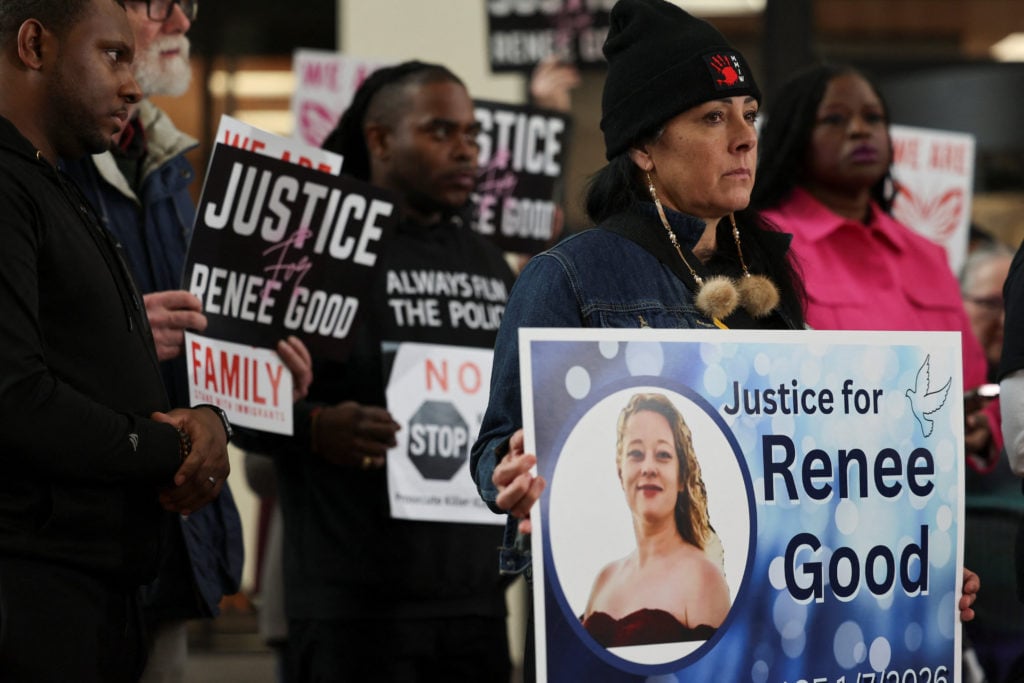
Public reaction to the shooting of Renee Nicole Good has been mixed, with some defending Ross’s actions, citing the risks associated with law enforcement operations, and others condemning the use of deadly force in such circumstances. The case has sparked outrage among some community members, particularly in light of Ross’s prior injury during an earlier incident. The legal implications of the shooting remain unclear, but it’s likely that further investigation will focus on whether Ross’s actions were legally justified.
At the same time, the case brings attention to the role of federal agents in high-profile arrests and their increasing use of force, which continues to stir public controversy. The investigation into Ross’s actions, along with the scrutiny of ICE’s broader tactics, will be crucial in determining whether the shooting was justified or whether further policy changes are needed.
ICE’s Role in U.S. Immigration Enforcement: A Controversial Agency
ICE, as part of the Department of Homeland Security, has long been a controversial agency, particularly in its enforcement of U.S. immigration laws. Critics argue that ICE’s aggressive tactics, including raids and arrests, contribute to the criminalization of immigrants and create fear in communities across the United States. The agency has faced increasing scrutiny over its methods, especially in light of incidents like the one involving Ross.
While supporters of ICE argue that the agency plays a vital role in securing U.S. borders and enforcing immigration laws, the high-profile shooting has brought renewed attention to concerns about the agency’s use of force and its impact on communities.
What’s Next for Jonathan Ross and ICE?
As the investigation into the shooting of Renee Nicole Good continues, ICE faces increasing pressure to address concerns about its use of force and the safety of its agents. The outcome of the investigation could have significant implications for Ross’s future with the agency and for ICE’s policies regarding the use of deadly force in arrest situations.
The case also brings into question the broader issue of law enforcement accountability, particularly in cases involving federal agents. Whether or not Ross faces legal repercussions for the shooting, the incident will likely spark further debates about the role of federal agencies in local law enforcement and the use of force in high-stakes operations.
Conclusion: A Tragic and Complex Case
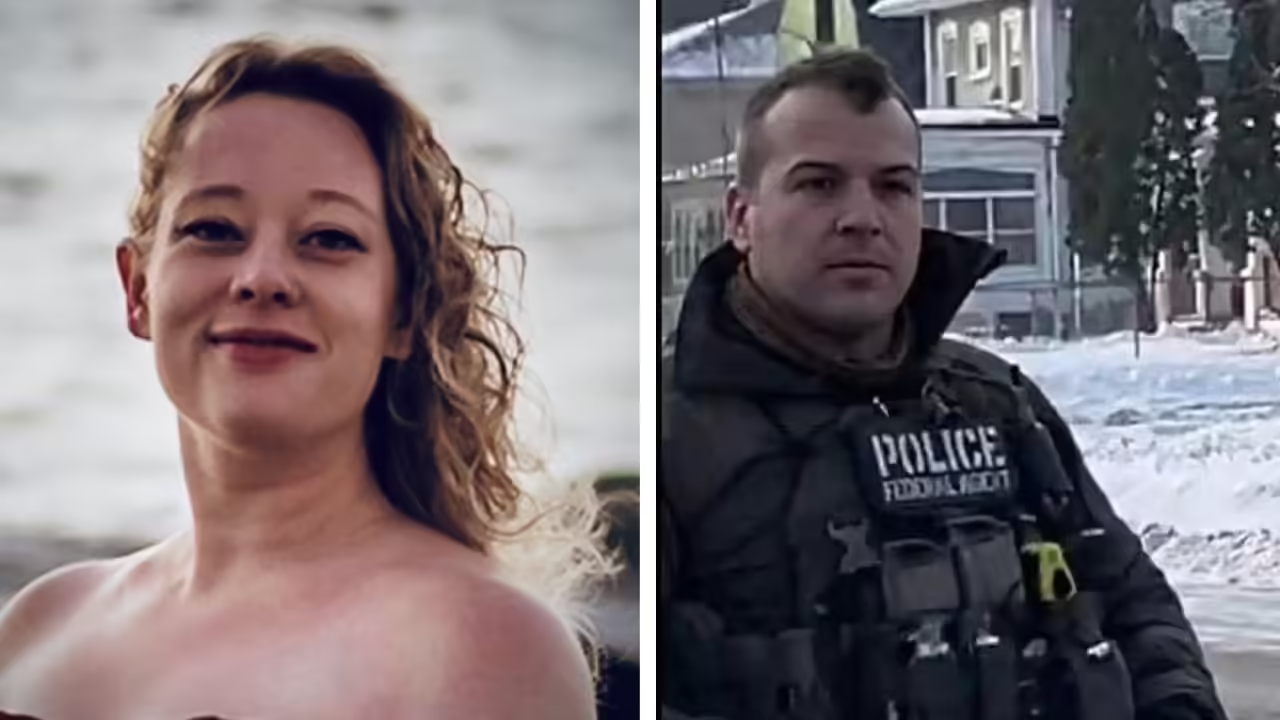
The fatal shooting of Renee Nicole Good by ICE agent Jonathan Ross highlights the complex and often controversial role that federal law enforcement agencies play in the United States. While ICE defends Ross’s actions as part of his training, questions about his decision-making, the justification for using deadly force, and the implications of his previous experiences with violence remain unresolved. As the investigation continues, the case will likely become a focal point in discussions about law enforcement practices, accountability, and the broader role of ICE in the U.S. immigration system.