
Table of Contents
- The Rise of Fake Influencers in Pro-Trump Propaganda
- The Scale of the Fake Accounts
- How the Photos Were Stolen and Manipulated
- European Women Speak Out About Impersonation
- The Role of X (Formerly Twitter) in the Issue
- The Role of Foreign Interference in U.S. Politics
- Social Media and the Exploitation of Women’s Bodies
- The Legal Landscape: The Digital Services Act and Accountability
- Moving Forward: The Need for Stronger Protections Online
- Conclusion: The Future of Online Protection and Political Integrity
The Rise of Fake Influencers in Pro-Trump Propaganda
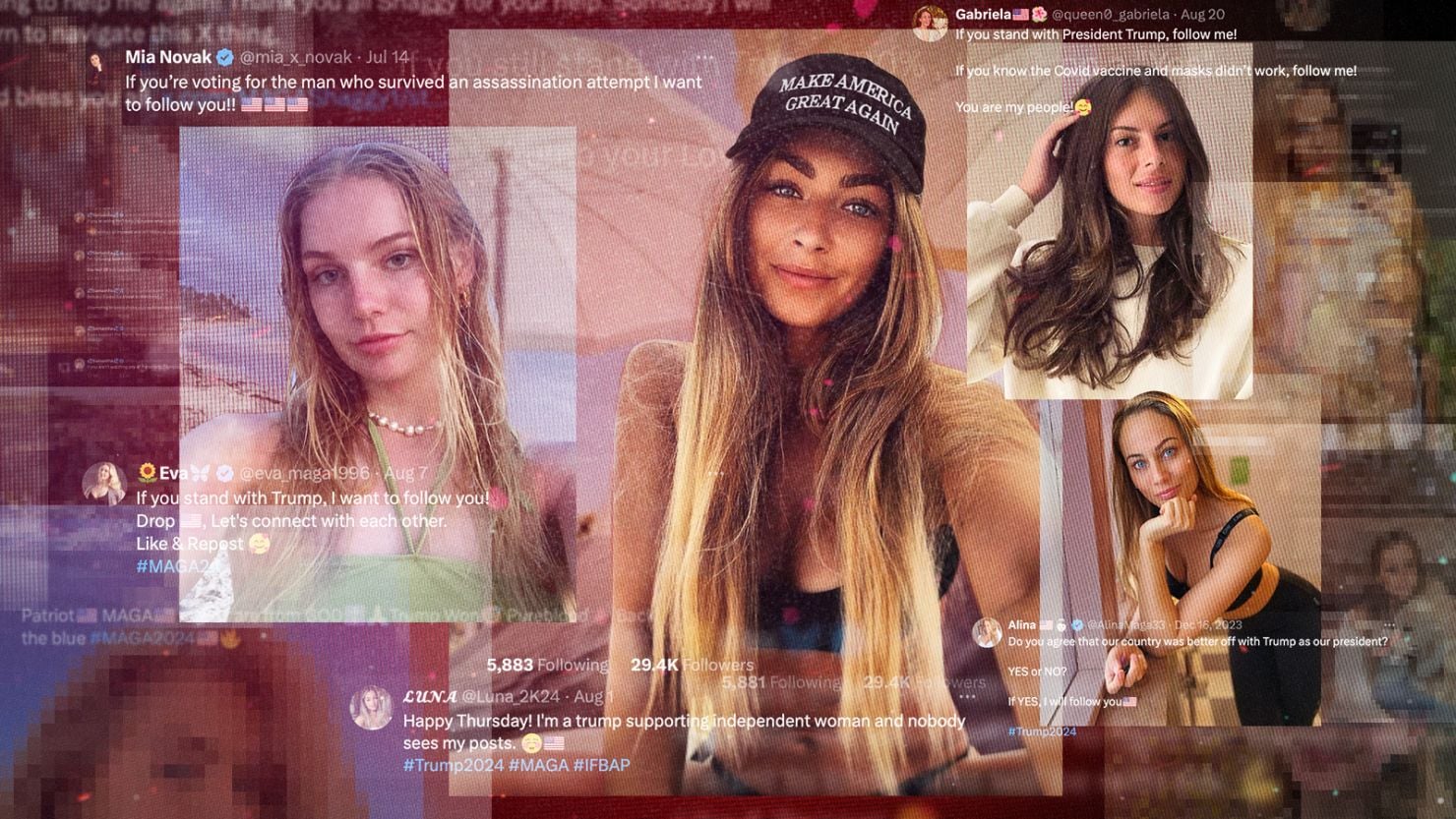
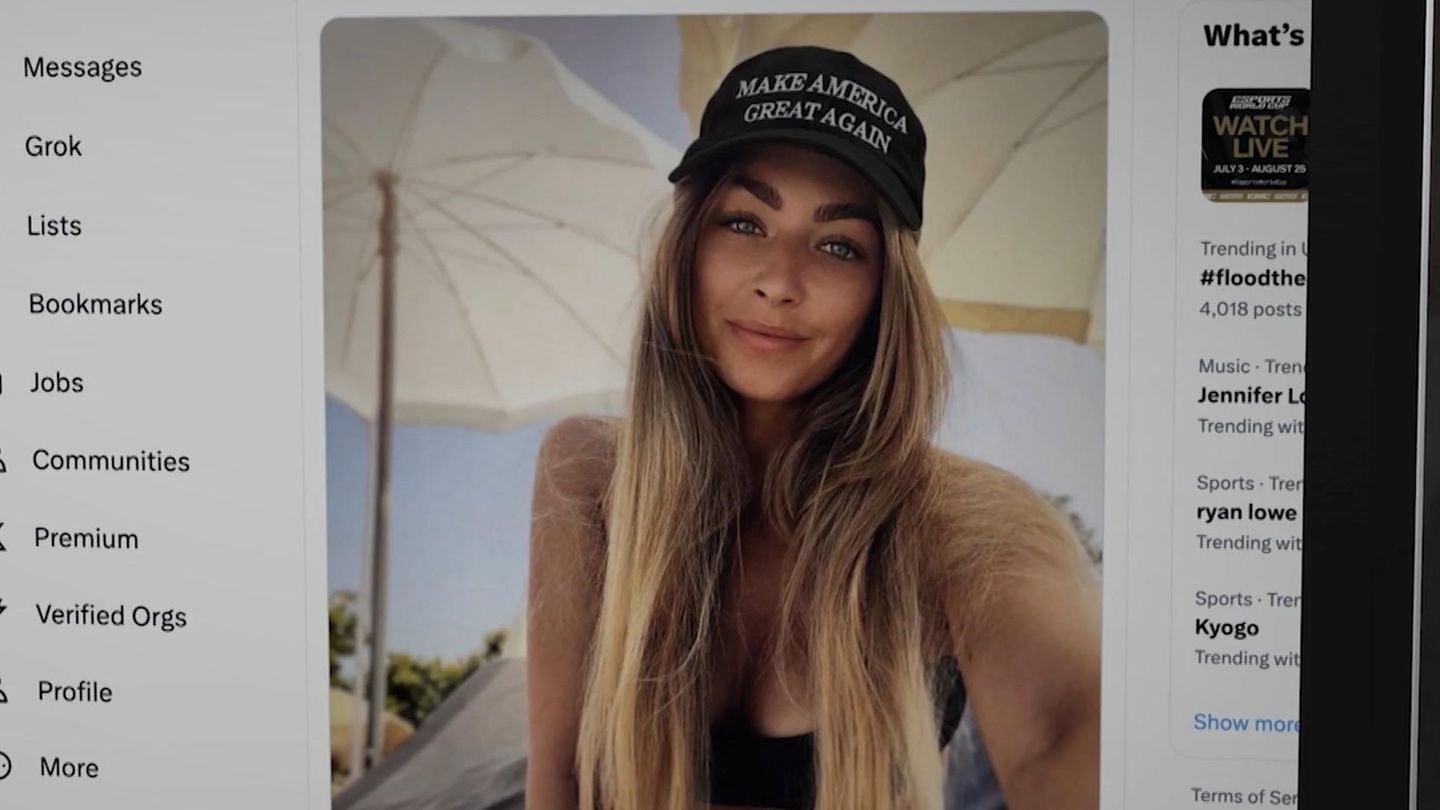
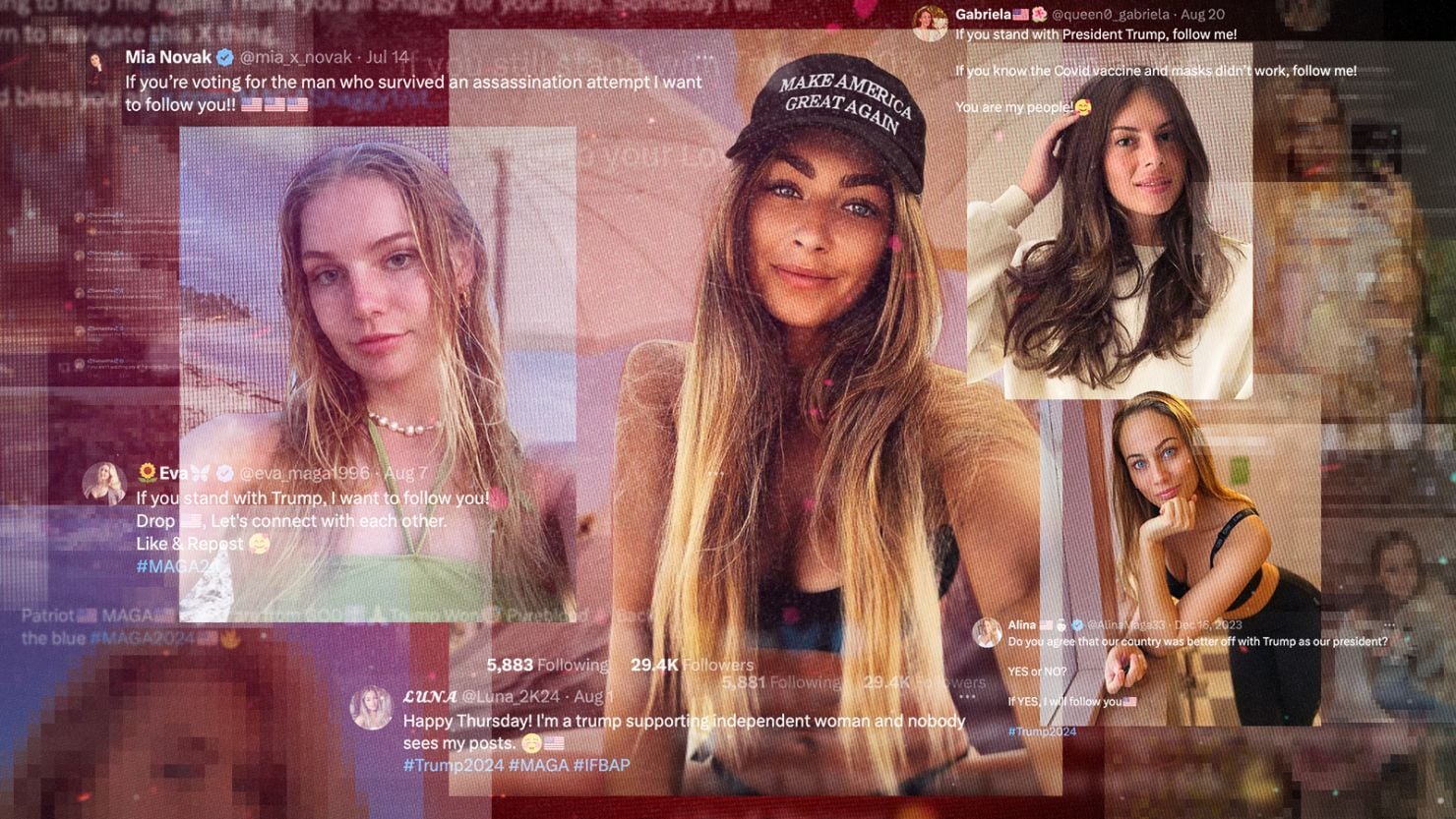
When Luna, a 32-year-old self-proclaimed “MAGA Trump supporter” from Wisconsin, joined X (formerly Twitter) in March 2024, she quickly amassed a significant following. Praising Donald Trump’s re-election bid, promoting conspiracy theories about his opponent Kamala Harris, and pushing Republican talking points, Luna’s account gained nearly 30,000 followers. However, Luna was not who she claimed to be. The photos of the smiling brunette in beach selfies were not of a U.S. citizen but of Debbie Nederlof, a German fashion influencer who had no connection to U.S. politics.
Nederlof, alongside 16 other European influencers, discovered that her photos were being stolen and used to promote pro-Trump messages on fake accounts on X. These stolen images were used to advance a coordinated campaign aimed at influencing U.S. voters ahead of the 2024 presidential election. In a joint investigation by CNN and the Centre for Information Resilience (CIR), it was revealed that these fake profiles were part of a larger, orchestrated effort to manipulate political opinions, using attractive young women to build relatable, seemingly authentic personas to gain followers.
The Scale of the Fake Accounts
The fake accounts on X, using photos of European influencers, promote messages supporting Trump and his running mate, Senator JD Vance of Ohio. These accounts echo similar political messages, including conspiracy theories and calls for action to support Trump’s campaign. According to CNN and CIR’s investigation, 56 fake accounts have been identified, and all of them exhibit signs of inauthentic behavior. They use stolen images of young, beautiful women—many of whom are fashion and beauty influencers from Europe. The accounts often include hashtags such as #MAGAPatriots, #MAGA2024, and #IFBAP (I Follow Back All Patriots), further amplifying the pro-Trump messages.
Moreover, these fake accounts often repost each other’s content, creating a false impression of widespread support. They were also found to be generating significant engagement, with several of the accounts sporting blue checkmarks, typically reserved for verified accounts. Despite these accounts violating X’s guidelines regarding impersonation, they remained active on the platform for a considerable time before being removed.
How the Photos Were Stolen and Manipulated
The use of stolen photos is not new, but the manipulation of those images for political purposes marks a disturbing trend in online deception. The fake accounts did not only use influencers’ photos but also edited them to include pro-Trump and MAGA slogans on their clothing. This level of manipulation is a clear attempt to align the images with the political messaging of the campaign. The creators of these fake profiles seem to understand the power of creating believable personas that resonate with the audience.
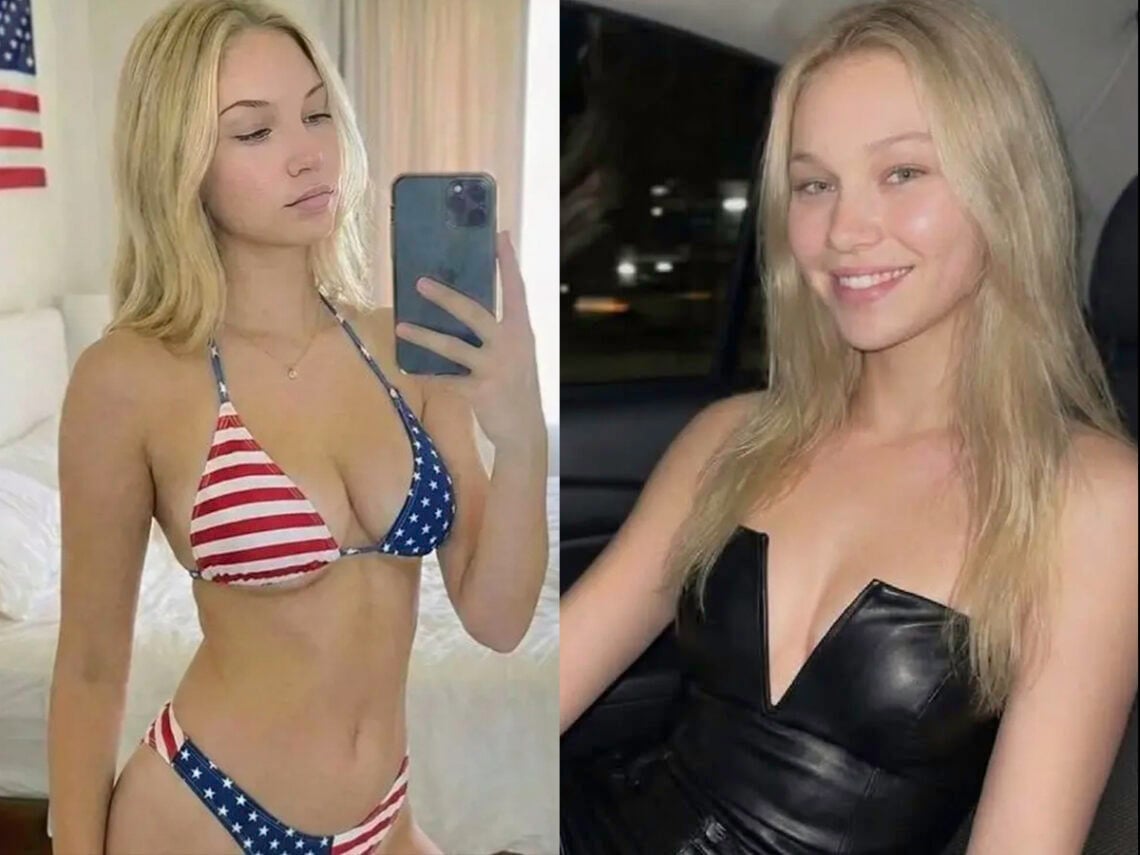
These influencers, many of whom are based in Europe, never consented to having their images used for such purposes. Debbie Nederlof, for instance, was shocked when she learned her photos were being used to spread conspiracy-laden posts falsely claiming that the U.S. election was rigged and that Trump had been the target of assassination attempts. She was outraged, questioning how her image had become part of a foreign political agenda.
European Women Speak Out About Impersonation
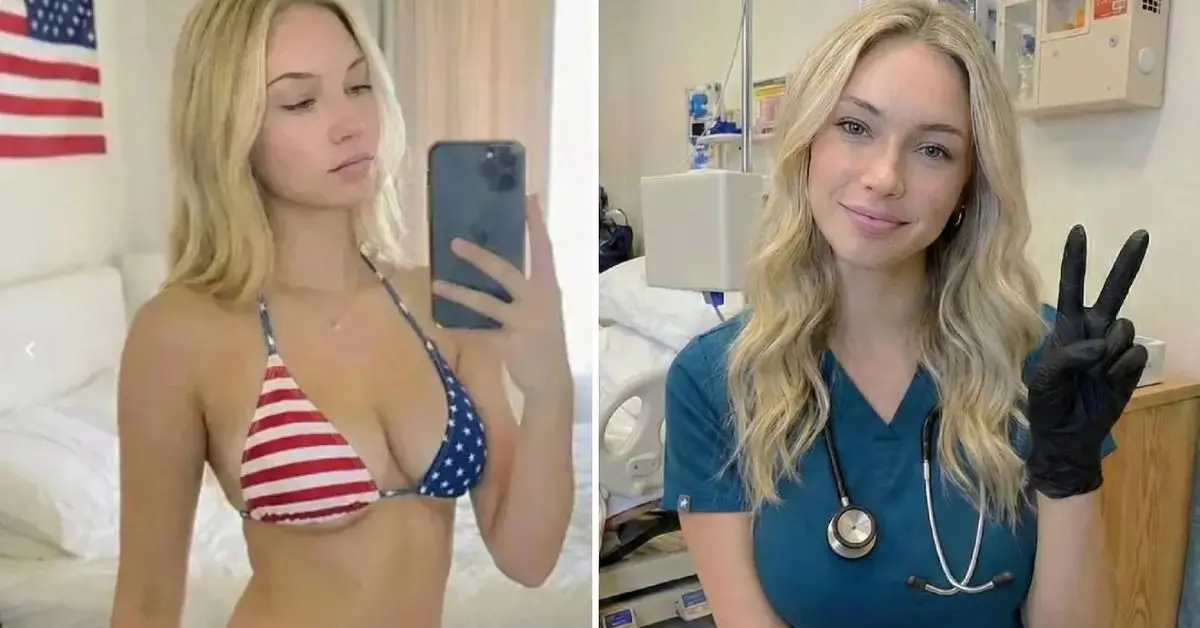
Among the European women affected by this wave of impersonation was Nederlof, who explained that this was not the first time her images had been stolen online. However, it was the first time her likeness had been used for political propaganda. Like many of the other women whose photos were hijacked, Nederlof had built a following on Instagram for her fashion and lifestyle content, never intending her platform to be used for divisive political campaigns.
For influencers like 27-year-old Demi Maric from Amsterdam, the implications of having their photos used for political purposes extend beyond privacy violations. Maric recalled an instance in which one of her impersonators became involved in a U.S. lawsuit, despite her having no connection to the case. The legal troubles that arose from these fake profiles have real-world consequences for the influencers, who must deal with the fallout from the stolen images.
The Role of X (Formerly Twitter) in the Issue
X, which was purchased by Elon Musk in 2022, has faced significant criticism for its handling of misinformation and impersonation on the platform. Despite having clear policies prohibiting identity theft and impersonation, X did not immediately take down these fake pro-Trump accounts when they were flagged by the influencers themselves. This delay in action highlights the challenges social media platforms face in effectively policing content and protecting users from online exploitation.
In response to the growing concern over online impersonation and misinformation, X did eventually remove most of the fake accounts identified by CNN and CIR. However, this incident underscores the need for better enforcement of social media policies and stronger safeguards against the spread of political disinformation, especially as the 2024 election draws nearer.
The Role of Foreign Interference in U.S. Politics
The rise of fake pro-Trump accounts using European influencers’ photos is a reminder of the ongoing threat of foreign interference in U.S. elections. While there is no evidence that the Trump campaign is directly involved in the creation of these fake accounts, experts have pointed out that the systematic use of stolen images to spread political messages resembles tactics used in previous elections by foreign actors, particularly Russia.
Emily Horne, a former senior director for press at the National Security Council, suggested that the sophistication of these fake accounts could be the work of state actors. Given the widespread manipulation of online content to influence political opinion, it is not far-fetched to assume that these actions are part of a broader strategy to interfere in the 2024 election.
Social Media and the Exploitation of Women’s Bodies
One of the most concerning aspects of this issue is the use of young women’s images for political gain. Experts point out that posts featuring images of attractive women tend to generate more engagement, especially from specific demographics. This dynamic reflects the ongoing exploitation of women’s bodies online, where their images are commodified and used without consent for a variety of purposes, including political manipulation.
While the use of women’s photos for fake pro-Trump accounts is particularly egregious, it also highlights the broader issue of online misogyny. As women continue to be disproportionately targeted and exploited in digital spaces, there is a growing need for platforms like X to implement stronger protections and for policymakers to take action to prevent this kind of online abuse.
The Legal Landscape: The Digital Services Act and Accountability
The European Union’s Digital Services Act (DSA) was designed to hold platforms accountable for the content they host, including the spread of misinformation and harmful content. The DSA mandates that social media platforms ensure that users are identifiable and that impersonation and disinformation are minimized. The European Commission has already launched investigations into X’s compliance with the DSA, given the platform’s failure to prevent the spread of fake accounts and misinformation.
Under the DSA, the perpetrators of identity theft and disinformation campaigns could be held accountable, potentially facing legal action. This regulatory framework could play a crucial role in holding social media platforms like X accountable for allowing harmful content to flourish and in ensuring that victims of impersonation, such as the European influencers affected by these fake pro-Trump accounts, receive adequate protection.
Moving Forward: The Need for Stronger Protections Online
The incidents surrounding the fake pro-Trump accounts have raised critical questions about how social media platforms handle online identity theft and the spread of political disinformation. As digital spaces become increasingly central to political discourse, the need for robust protections against the exploitation of personal images and the manipulation of voters grows ever more urgent.
For influencers like Nederlof, Maric, and others, the issue is not just about protecting their reputations but also about safeguarding their personal identities from being co-opted for political agendas. The ongoing struggle to get social media platforms to take action against these violations highlights a fundamental gap in how online platforms are regulated and how they handle the rights of individuals whose images are used without consent.
Conclusion: The Future of Online Protection and Political Integrity
As the 2024 election approaches, incidents like the use of stolen photos to push pro-Trump propaganda on X underscore the growing risks of online exploitation and foreign interference. While social media platforms are making strides in removing harmful content, much more needs to be done to protect users from identity theft and to combat the spread of disinformation. The European Commission’s ongoing investigations into X and its handling of such issues could be a turning point in the push for stronger online protections. Moving forward, it will be crucial for platforms, lawmakers, and users alike to work together to ensure that digital spaces remain safe, accountable, and free from political manipulation.