

Table of Contents
- What Happened During the ICE Pursuit?
- Impact on Traffic and Local Safety
- Who Was the Target of the ICE Pursuit?
- The Role of ICE in Law Enforcement Pursuits
- The Dangers of High-Speed Chases in Law Enforcement
- Should ICE Pursuits Be Restricted?
- Legal and Ethical Questions Raised by the Incident
- The Role of Technology in Reducing Risk
- Will Reform Be Enough?
What Happened During the ICE Pursuit?
The incident began when ICE agents attempted to stop a vehicle in Virginia that they suspected was involved in illegal activity. The suspect vehicle fled the scene, triggering a high-speed chase that quickly escalated. According to reports, the pursuit reached dangerously high speeds as the suspect attempted to evade capture. The chase continued for several miles, weaving through traffic and causing drivers to pull over to avoid collision.
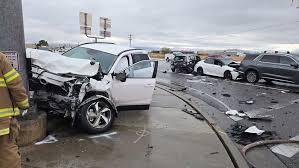
As the pursuit continued, the suspect vehicle reportedly lost control, crashing into multiple other vehicles. The high-speed nature of the chase made it difficult for other drivers to react in time, and the crash resulted in significant damage to several cars. Fortunately, no fatalities were reported, but multiple individuals were injured and required medical attention at the scene. Local authorities and first responders arrived quickly, managing the scene and providing assistance to those affected.
Impact on Traffic and Local Safety

The aftermath of the pursuit had significant consequences for local traffic and public safety. The highway, which is often busy with commuters and commercial vehicles, was blocked for hours as investigators worked to clear the scene and assess the damage. Traffic delays were severe, and drivers were forced to take detours, resulting in chaos on nearby roads.
The crash also raised questions about the safety of high-speed chases conducted by federal agencies such as ICE. While law enforcement officials often argue that pursuing suspects is necessary to uphold the law, critics point out that the risks to innocent bystanders and the potential for accidents make these chases dangerous. This incident has once again ignited a national conversation about the need for stricter regulations and better practices when it comes to high-speed law enforcement pursuits.
Who Was the Target of the ICE Pursuit?
The suspect being pursued in this incident remains a key figure in the ongoing investigation. While details about the individual’s identity have not been fully disclosed, reports indicate that the suspect was a person of interest in an immigration-related case. ICE agents often engage in pursuits like these when they believe a suspect may be involved in illegal immigration activities or other federal crimes.
However, the nature of the suspect’s alleged crime has raised questions about whether such a high-speed chase was warranted. Critics argue that pursuing a suspect at high speeds, especially in populated areas, could have been avoided or handled differently. The situation prompts a broader conversation about the priorities of federal law enforcement agencies like ICE and whether public safety should always be prioritized over immediate apprehension.
The Role of ICE in Law Enforcement Pursuits

ICE, a division of the U.S. Department of Homeland Security, is responsible for enforcing federal immigration laws and investigating criminal activities related to immigration violations. While ICE is tasked with making arrests and pursuing suspects, their methods, particularly in high-speed chases, have been under scrutiny for some time.
ICE has a long history of controversial practices, especially concerning immigration enforcement in urban areas. Some argue that ICE’s aggressive tactics have led to unnecessary risk to the public, particularly in situations involving vehicle pursuits. The agency’s actions have been criticized for not always adhering to best practices when it comes to balancing the need for enforcement with the safety of innocent people.
In light of the Virginia incident, many are questioning whether ICE should adopt alternative strategies for handling suspected individuals without resorting to dangerous, high-speed pursuits. Advocates for reform argue that the agency should implement stricter guidelines that prioritize public safety over aggressive tactics.
The Dangers of High-Speed Chases in Law Enforcement
High-speed chases are among the most dangerous and unpredictable operations in law enforcement. While they can sometimes result in the apprehension of suspects, they often end in tragedy, either for the suspect, innocent bystanders, or law enforcement officers themselves. According to the National Highway Traffic Safety Administration (NHTSA), over 350 fatalities occur annually due to police pursuits in the United States.
The dangers of high-speed chases are compounded by the unpredictability of traffic patterns, weather conditions, and road obstacles. When an officer initiates a chase, especially at high speeds, there is a real risk that the vehicle may collide with other vehicles, pedestrians, or structures. In many cases, innocent people become victims of these dangerous pursuits, leading to serious injuries or fatalities.
As seen in this Virginia incident, the consequences of such chases can be devastating, not only for those involved directly but also for the wider community. The crash caused by the ICE pursuit could have easily resulted in more severe outcomes, prompting experts to call for reform in how law enforcement handles vehicle pursuits.
Should ICE Pursuits Be Restricted?

The incident in Virginia has once again brought attention to the broader issue of law enforcement vehicle pursuits, particularly those carried out by federal agencies like ICE. There is a growing debate about whether these high-speed chases should be restricted or even banned in certain circumstances. Advocates for reform argue that ICE should adopt more cautious and calculated methods of apprehending suspects, such as using technology like drones, surveillance, or GPS tracking to locate suspects without putting lives at risk.
On the other hand, proponents of ICE’s tactics argue that the agency must be able to act quickly to apprehend suspects involved in criminal activities, especially those who pose a threat to national security. They contend that limiting pursuits could undermine the agency’s ability to carry out its mission and apprehend dangerous individuals.
Despite these opposing views, there is widespread agreement that public safety should be the primary consideration during any pursuit. Many experts believe that there is room for reform in how ICE handles these operations, with a focus on minimizing risk and utilizing alternative methods of surveillance and tracking.
Legal and Ethical Questions Raised by the Incident
The crash caused by the ICE pursuit raises a number of legal and ethical questions. For one, should law enforcement agencies be held accountable for the consequences of their high-speed pursuits? In cases where innocent bystanders are harmed, should agencies like ICE be liable for the damage caused during a pursuit? Legal experts argue that federal agencies must be held to the same standards as local law enforcement when it comes to public safety and accountability.
Ethically, the decision to engage in a high-speed chase raises important concerns about the risks involved. At what point should law enforcement officers consider the safety of the public over the need to apprehend a suspect? While stopping a suspect is important, it should not come at the expense of innocent lives. The ethical dilemma surrounding high-speed chases will likely continue to be a point of contention as the public becomes more aware of the dangers posed by these operations.
The Role of Technology in Reducing Risk
Advancements in technology have opened new doors for law enforcement agencies to pursue suspects without resorting to dangerous, high-speed chases. Tools like GPS tracking, drones, and surveillance systems can help authorities track suspects without putting public safety at risk. These technologies have already been successfully implemented by law enforcement agencies in various countries and could offer a safer alternative to traditional vehicle pursuits.
As law enforcement agencies look to modernize their methods, there is growing interest in exploring these technologies as a way to prevent future incidents like the one in Virginia. By using technology to monitor and apprehend suspects, agencies could reduce the need for dangerous chases and minimize the risks to the public. However, this approach would require significant investment in infrastructure and training, as well as a shift in law enforcement culture.
Will Reform Be Enough?
As the dust settles from the Virginia incident, questions about the future of ICE operations remain. While the agency has made efforts to reform certain practices, including limiting the scope of some pursuits, the debate over high-speed chases continues. Moving forward, it is likely that ICE will face increasing pressure from the public and lawmakers to implement stricter regulations on vehicle pursuits, especially in urban areas where the risks to innocent people are greater.