
Table of Contents
- A Strong Contender
- A Growing Concern in Morocco
- Why the Stray Dog Issue Could Impact Morocco’s World Cup Bid
- How Morocco Is Addressing the Stray Dog Problem
- What Needs to Be Done
- The Role of the International Community and Animal Rights Groups
- The Broader Implications for Hosting Major Sporting Events
- Will Morocco Overcome the Stray Dog Challenge?
A Strong Contender
Morocco has a rich history of soccer, with passionate fans and a growing infrastructure to support major sporting events. The country’s football teams have consistently performed well on the international stage, and hosting the World Cup would be a monumental achievement. In recent years, Morocco has hosted several major events, including the African Nations Cup and various international qualifiers, showcasing its ability to manage large-scale sporting operations.
In 2025, Morocco officially joined a coalition of nations, including Spain and Portugal, to jointly bid for the 2030 World Cup. This historic bid aims to bring the global football spectacle to North Africa for the first time, with Morocco positioned as the lead host country. However, Morocco’s World Cup dream now faces significant scrutiny due to its stray dog problem, which has become a growing concern for both residents and tourists alike.
A Growing Concern in Morocco
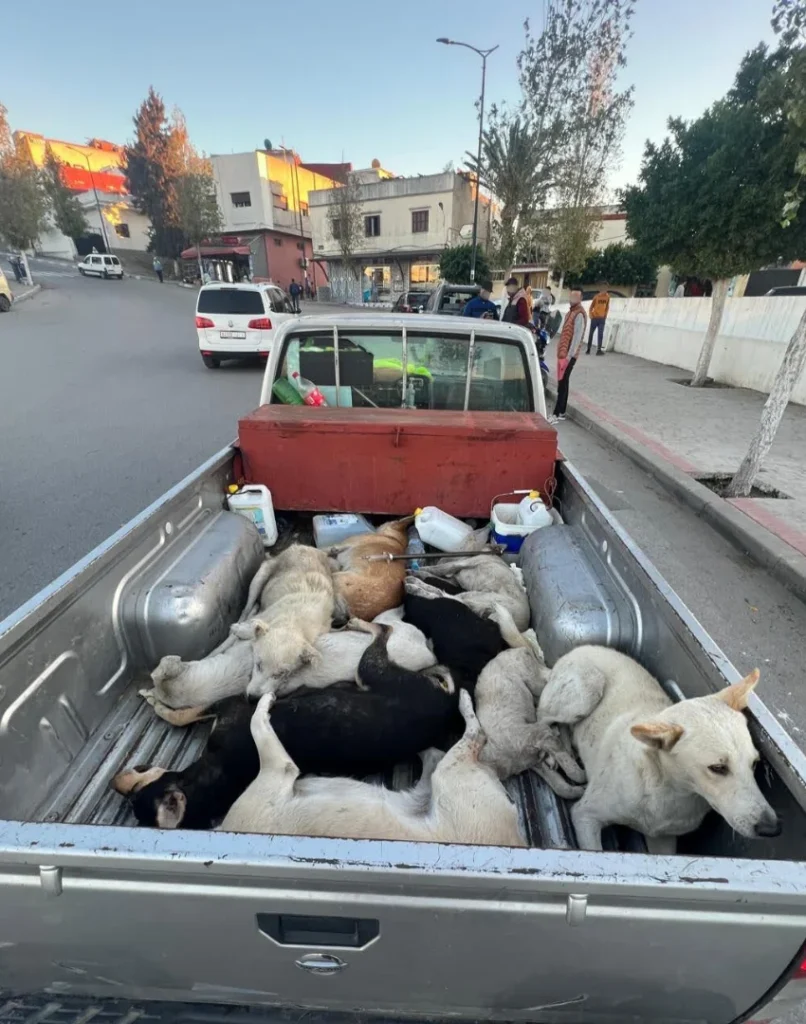
The issue of stray dogs in Morocco is not new. Cities like Casablanca, Marrakesh, and Tangier have long struggled with the presence of large numbers of stray dogs roaming the streets. These animals, often malnourished and unvaccinated, pose a public health risk and contribute to environmental and safety concerns. In addition, the sight of stray dogs wandering in tourist areas and crowded markets has raised concerns about Morocco’s reputation as a potential host for international events.
Recent surveys have shown that the stray dog population in Morocco has been steadily increasing, particularly in urban areas. This growth can be attributed to several factors, including inadequate animal control policies, lack of resources for humane animal management, and social attitudes toward stray animals. The stray dog issue has become more pressing as Morocco’s bid for the World Cup intensifies, with stakeholders calling for swift action to address the problem before the tournament.
Why the Stray Dog Issue Could Impact Morocco’s World Cup Bid
The stray dog issue has the potential to significantly impact Morocco’s World Cup bid for several reasons. First and foremost, the World Cup attracts millions of visitors from around the globe, and the presence of stray dogs could create a negative image for Morocco. For an event as high-profile as the World Cup, maintaining clean, safe, and welcoming environments for international visitors is crucial. Stray dogs, particularly in high-traffic areas, could undermine this image.
Secondly, the health and safety concerns associated with stray animals are particularly worrying. Stray dogs are often carriers of diseases such as rabies, which pose a risk to both locals and visitors. Additionally, stray dogs can be aggressive, particularly in areas where they are competing for food or territory. While attacks on humans are relatively rare, the presence of aggressive dogs could lead to public safety concerns and create an environment that is less than ideal for the tournament.
Lastly, the international media would likely cover the issue extensively, and any negative attention could tarnish Morocco’s reputation as a potential host country. In a highly competitive field of World Cup bids, countries vying for the opportunity to host the tournament are keenly aware of how the international press and public perceive them. Negative coverage surrounding the stray dog issue could potentially weaken Morocco’s chances of securing the World Cup, especially when competing against other nations with fewer challenges.
How Morocco Is Addressing the Stray Dog Problem
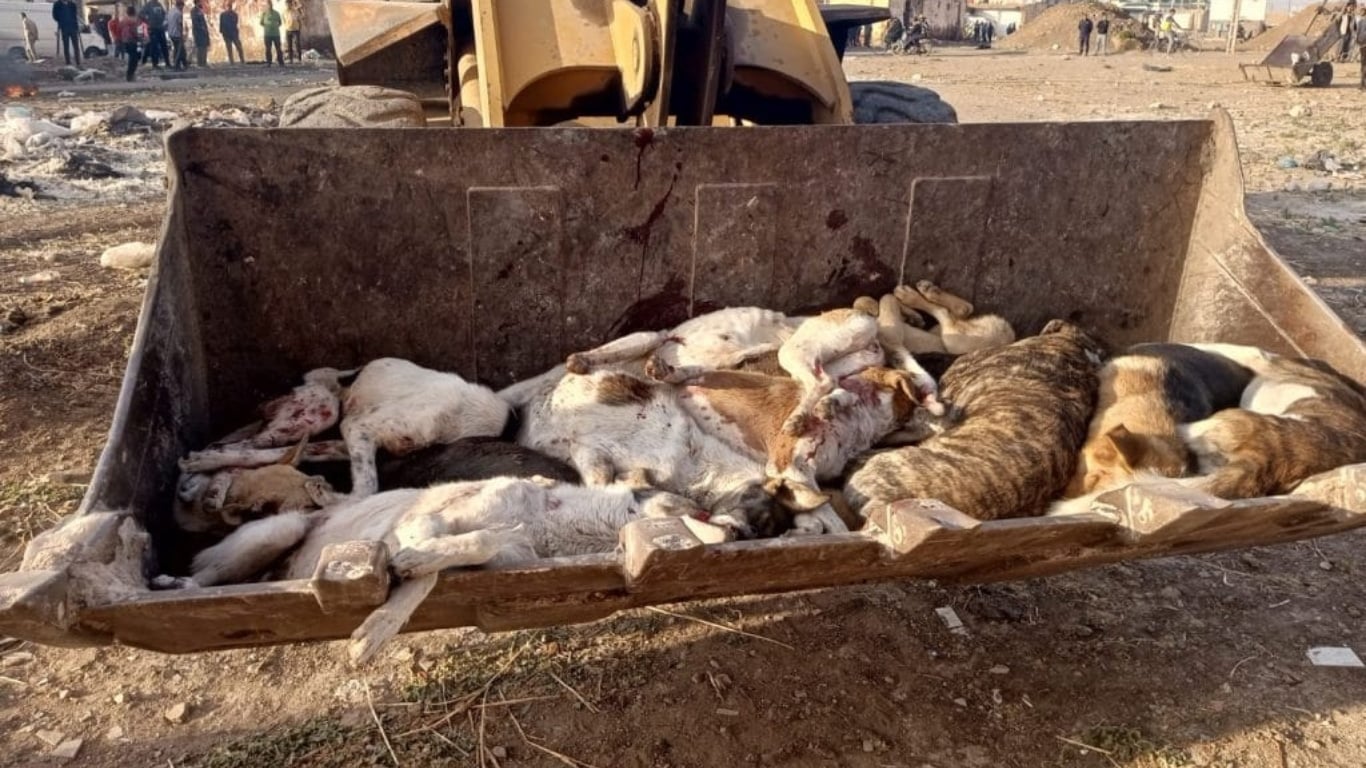
In response to the growing concerns about stray dogs, Morocco has taken several steps to address the issue. One of the key strategies has been the implementation of sterilization and vaccination programs aimed at controlling the population of stray dogs. These programs are designed to reduce the number of new puppies born on the streets, while also preventing the spread of diseases like rabies. Local authorities have partnered with animal welfare organizations to roll out these programs in major cities, with mixed results.
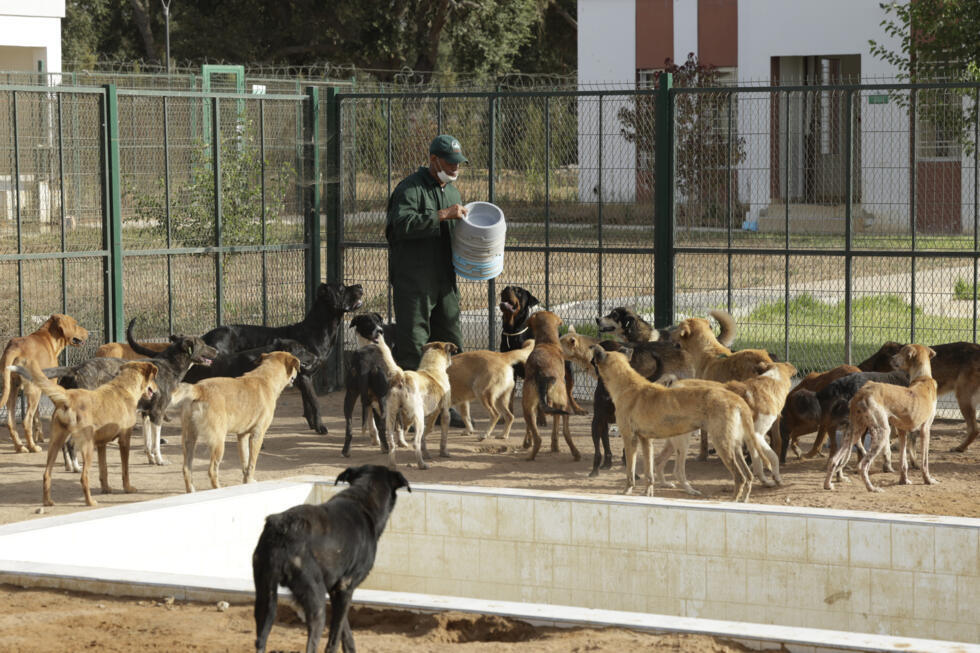
In addition to sterilization, Morocco has also increased efforts to provide shelters and medical care for stray dogs. Several non-governmental organizations (NGOs) and animal welfare groups have been working with the government to create a network of shelters where dogs can receive treatment, food, and shelter. While these efforts have made a positive impact in some areas, critics argue that they are not enough to address the scale of the problem. With the World Cup less than a decade away, the need for more comprehensive action is becoming increasingly urgent.
Furthermore, public awareness campaigns have been launched to educate citizens about the importance of responsible pet ownership and animal welfare. These campaigns encourage people to adopt stray dogs, spay or neuter their pets, and report abandoned animals to local authorities. Despite these efforts, the issue persists, and many argue that a more coordinated and large-scale approach is necessary to ensure that Morocco is prepared to host the World Cup without the distraction of a stray dog crisis.
What Needs to Be Done
As Morocco continues to prepare for the 2030 World Cup, addressing the stray dog issue will require a multi-faceted approach. First, the government must invest in more robust animal control programs, including increased funding for sterilization and vaccination efforts. These programs need to be expanded beyond major cities to rural areas, where the stray dog problem is often more severe.
In addition to sterilization and vaccination, Morocco should explore innovative solutions, such as establishing more temporary shelters for stray dogs during the World Cup. These shelters could provide a safe place for the dogs and prevent them from wandering into public spaces during the event. Furthermore, establishing a public-private partnership with international animal welfare organizations could help Morocco implement best practices in managing stray populations.
Finally, Morocco should develop a long-term strategy for preventing future stray dog issues. This includes improving laws surrounding pet ownership, encouraging responsible pet practices, and ensuring that local authorities are better equipped to manage stray populations year-round.
The Role of the International Community and Animal Rights Groups
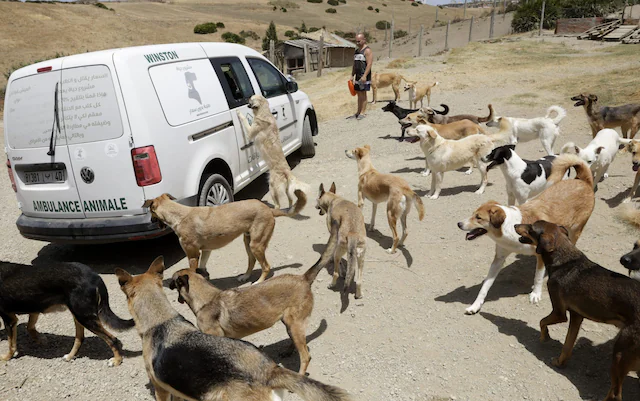
The international community, particularly animal rights organizations, has a critical role to play in addressing Morocco’s stray dog problem. Groups such as the World Animal Protection organization and local animal rights activists have called on the government of Morocco to prioritize animal welfare as part of its preparations for the 2030 World Cup. These organizations can provide technical expertise, funding, and volunteer support to help manage the issue and ensure that it does not detract from the event’s success.
Furthermore, the global spotlight that the World Cup brings could be an opportunity to showcase Morocco’s commitment to improving animal welfare. By addressing the stray dog problem effectively, Morocco could position itself as a leader in animal protection within the region, gaining respect from both international animal rights groups and global sports organizations.
The Broader Implications for Hosting Major Sporting Events
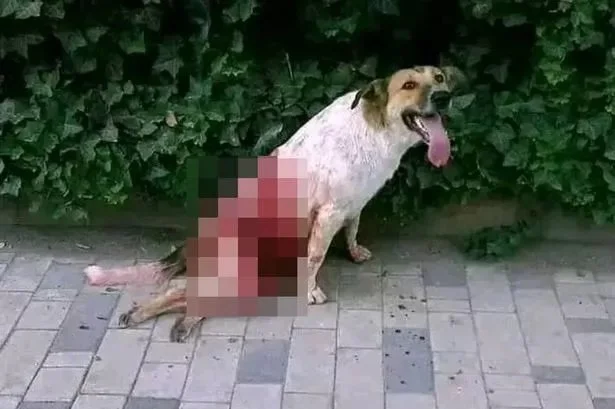
The stray dog issue in Morocco highlights a broader concern that countries must address when bidding to host major international sporting events. While the allure of hosting the World Cup can be strong, it also requires careful consideration of a nation’s infrastructure, public health, and environmental challenges. For Morocco, the stray dog problem is just one of many issues that must be resolved before it can host the world’s largest sporting event.
Other countries have faced similar challenges when hosting international events, such as the Olympics and the World Cup. Issues like pollution, traffic, and public health concerns are often exacerbated during large-scale events, and countries must take proactive steps to address these challenges before the event begins. Morocco’s ability to manage the stray dog issue will be a key test of its preparedness for the World Cup and its commitment to creating a safe and welcoming environment for global visitors.
Will Morocco Overcome the Stray Dog Challenge?
As Morocco continues to push forward with its bid to host the 2030 World Cup, the stray dog issue remains a significant challenge that could impact the country’s ability to secure the event. While efforts are underway to address the problem, it is clear that more comprehensive action is needed to ensure that Morocco’s cities are prepared for the influx of millions of visitors.
With only a few years left until the tournament, Morocco must act quickly to resolve the stray dog issue and demonstrate its commitment to animal welfare and public safety. If successful, Morocco could not only host a successful World Cup but also set a precedent for other nations facing similar challenges. For now, the world is watching to see if Morocco can rise to the occasion and overcome this unique obstacle on its path to hosting the 2030 FIFA World Cup.