
Table of Contents
Iran’s Preparedness for a Long War
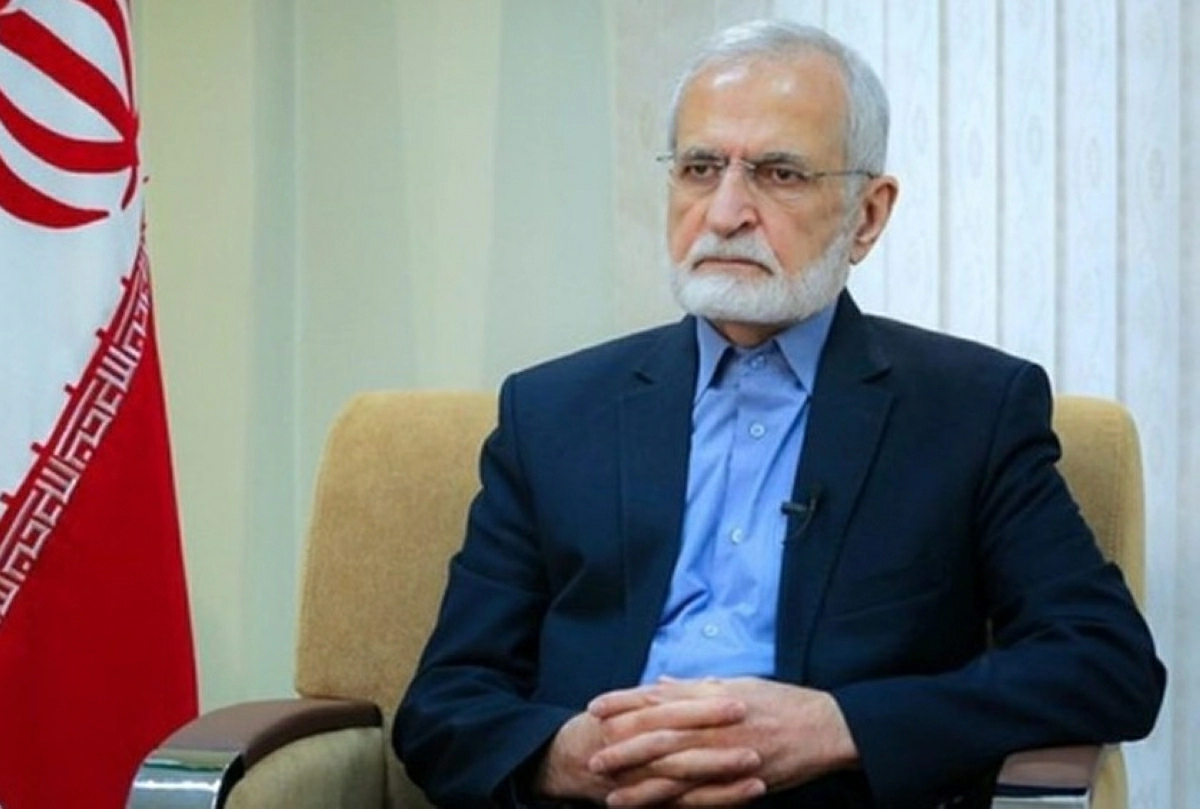
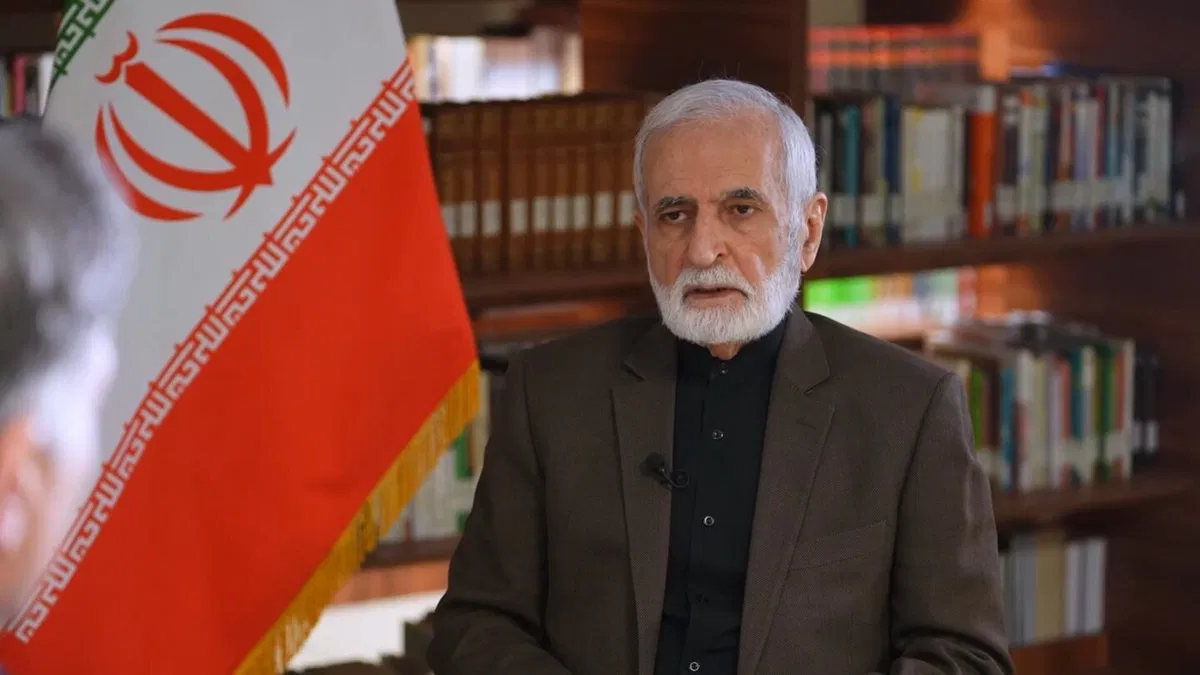
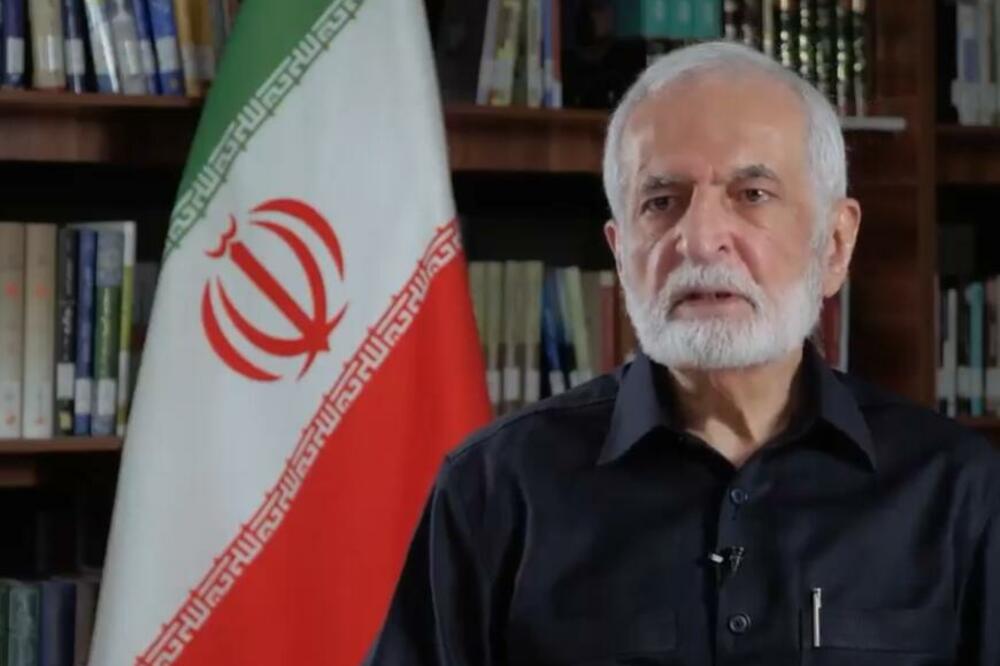
In a rare and candid interview with CNN, Kamal Kharazi, foreign policy adviser to the Office of the Supreme Leader in Tehran, made it clear that Iran is not interested in immediate negotiations to end the war with the United States and its allies. Kharazi emphasized that Tehran is prepared to fight a protracted conflict and believes that only sustained economic pressure on global partners — not diplomatic engagement — could eventually compel adversaries to reconsider their military strategies.
This declaration underscores Iran’s confidence in enduring extended hostilities, a stark message that reflects both Tehran’s strategic calculations and its determination to resist what it perceives as disproportionate foreign aggression. The official’s framing of the conflict as one that must wear down opponents through economic strains rather than political negotiations highlights a significant hardening of Iran’s war posture.
Escalating Hostilities with the United States
The backdrop to this uncompromising pronouncement is the intense and expanding conflict between Iran and the United States, allied with Israel. The conflict escalated dramatically after joint airstrikes by the U.S. and Israeli forces targeted key Iranian leadership and military infrastructure late last month, followed by a series of retaliatory strikes by Tehran across the region.
This confrontation has not only resulted in a growing number of casualties and military engagements but has also disrupted one of the globe’s most critical energy corridors, the Strait of Hormuz. Disruptions to maritime traffic through this chokepoint have caused oil prices to surge and rattled financial markets worldwide, illustrating how interconnected and fragile global systems have become amid geopolitical strife.
Iran’s Rejection of Negotiated Peace
Kharazi’s interview made it clear that Iran does not currently see diplomacy as a viable path to peace. “I don’t see any room for diplomacy anymore,” he told CNN, referencing past negotiations that Iran felt were betrayed or undermined by Western actions. The official argued that the continuation of war-related economic pressure might eventually prompt other nations — particularly Gulf Arab states — to urge the United States to de-escalate. However, this strategic patience hinges on intensifying pressure rather than ceding to negotiations.
By effectively dismissing diplomatic channels at this stage, Tehran’s leadership appears to be signaling that any future negotiations would require terms heavily influenced by battlefield realities and economic leverage rather than mutual trust.
How War Strains Global Systems
The war’s economic impact has rippled far beyond battlefield boundaries. According to analysts, reduced oil exports from the Middle East — especially through the Strait of Hormuz — have significantly strained global energy supplies. At one point during the conflict, crude oil prices exceeded $100 a barrel, largely due to uncertainty over fuel availability and logistical challenges in transporting energy through affected waters.
Moreover, Iran’s strategy of attacking not just military targets but also infrastructure in Gulf states has amplified economic stress across the region, causing energy volatility, inflationary pressures, and the redirection of shipping routes. These dynamics are central to understanding why Iran’s official framed economic pain as a tool that could ultimately reshape geopolitical alignments and compel rival states to push for an end to hostilities.
Sustaining Conflict
Iran’s ability to endure a protracted war rests on a complex network of military strategies and alliances. Tehran has repeatedly demonstrated its capacity to launch missile and drone attacks not only on U.S. bases but also against infrastructure and strategic sites in allied Gulf nations. Such attacks underscore the nation’s reach and its willingness to expand the conflict beyond its borders, as part of a broader deterrence strategy.
Meanwhile, Iran’s internal leadership dynamics continue to evolve. Mojtaba Khamenei’s recent elevation to supreme leader, following the assassination of his father, signals a continuation — and perhaps intensification — of hard-line approaches within Iran’s political elite. Many analysts see this leadership shift as reinforcing Tehran’s resolve to resist external pressure rather than capitulate to it.
Allies, Rivals, and the International Community
The world’s response to Iran’s declaration of readiness for long-term conflict has been varied. Western powers have generally increased military support for regional allies, while emphasizing deterrence and defense to contain the spread of war.
Nearby countries, particularly in the Gulf, are caught in a precarious position. Many rely on both U.S. security guarantees and Iranian neighborly relations to maintain stability. That dual dependence complicates diplomatic postures, with some states advocating for de-escalation and others reinforcing alliances with military powers. The economic implications, particularly around energy markets, also push international institutions to explore contingency planning and relief measures.
Russia and China, two major global players often at odds with Western policy frameworks, have also expressed the need for negotiated solutions to ease broader geopolitical tensions. Their strategic interests in the region and economic ties with Iran add layers of complexity to the unfolding situation.
What a Long War Means for Regional Stability
If Iran’s prediction of a prolonged conflict comes to pass, the Middle East could see years — or even decades — of insecurity and strategic recalibration. Entrenched war economies, refugee movements, and shifting alliances could redefine the regional order. A long war may also incentivize proxy engagements, in which non-state actors aligned with Iran or Western interests participate in contested spaces across Syria, Yemen, Lebanon, and beyond.
Moreover, sustained conflict could accelerate militarization among neighboring countries and escalate technological investments in defense systems. This evolving security landscape risks normalizing conflict as a default diplomatic strategy, making peaceful solutions even harder to broker in the future.
A New Phase in Iran’s Strategic Posture
Iran’s public declaration that it is prepared for a long war marks a watershed moment in the ongoing conflict. By rejecting immediate diplomacy and framing future resolution in terms of economic endurance rather than political negotiation, Tehran signals a strategic patience that challenges traditional conflict resolution frameworks.
The ramifications of this stance — for energy markets, global security alliances, regional politics, and civilian populations — are profound. Iran’s hardened posture may prolong instability, but it also underscores the urgency for innovative diplomatic engagement and international cooperation. Whether global powers can find a path away from protracted conflict remains to be seen, but the world now faces a stark reality: this war may not be nearing its end anytime soon.