

Table of Contents
Beyond Brain-Machine Interfaces
Before diving into the specifics of Hodak’s comments, it’s important to understand the broader context in which they were made. Neuralink, the brain-machine interface company co-founded by Elon Musk, has focused on developing technologies that bridge the gap between the human brain and artificial intelligence. However, Neuralink’s ambitions extend far beyond just human enhancements. In a recent interview, Hodak suggested that the techniques being pioneered by the company could one day be applied to genetic engineering, opening up new possibilities for creating entirely new life forms.
The idea of genetic engineering and synthetic biology is not new, but the advancements in technology over the past few years have pushed the boundaries of what is possible. The ability to manipulate DNA at a granular level has already led to significant breakthroughs in medical research, agriculture, and other fields. Hodak’s statements take this a step further, suggesting that the power to create entirely new species is within our grasp.
What Does This Mean?

When Hodak refers to “super exotic species,” he is speaking about animals or organisms that do not exist in nature today. This could involve resurrecting extinct species, creating hybrid creatures, or even engineering entirely new types of life forms that have never been seen before. The potential applications of such technology are vast, ranging from the creation of new animals with enhanced capabilities to the development of entirely novel ecosystems.
For example, imagine a species of animal designed to thrive in extreme environments, or a creature with specialized traits that could be used for scientific purposes, such as drug development or environmental monitoring. The possibilities seem endless, but so do the ethical dilemmas. Should humanity have the power to create life in this way? What are the consequences for natural biodiversity? And how far should science go in experimenting with life?
Tools for a New Era
Genetic engineering has made tremendous strides in recent years, especially with the advent of CRISPR-Cas9 technology, which allows scientists to edit genes with unprecedented precision. CRISPR has already been used to alter the DNA of plants and animals, and its potential to cure genetic diseases in humans has made it one of the most exciting advancements in biotechnology.
However, creating entirely new species would require more than just gene editing. It would involve advanced techniques in synthetic biology, such as creating synthetic DNA and assembling it into entirely new organisms. This is where Hodak’s vision intersects with the work being done in the field of genetic engineering. By leveraging the tools developed for brain-machine interfaces and combining them with advances in genetic engineering, Hodak believes it is possible to create creatures that are not only novel but also super exotic — animals that are entirely different from anything nature has produced.
The Moral Dilemmas of Creating Life
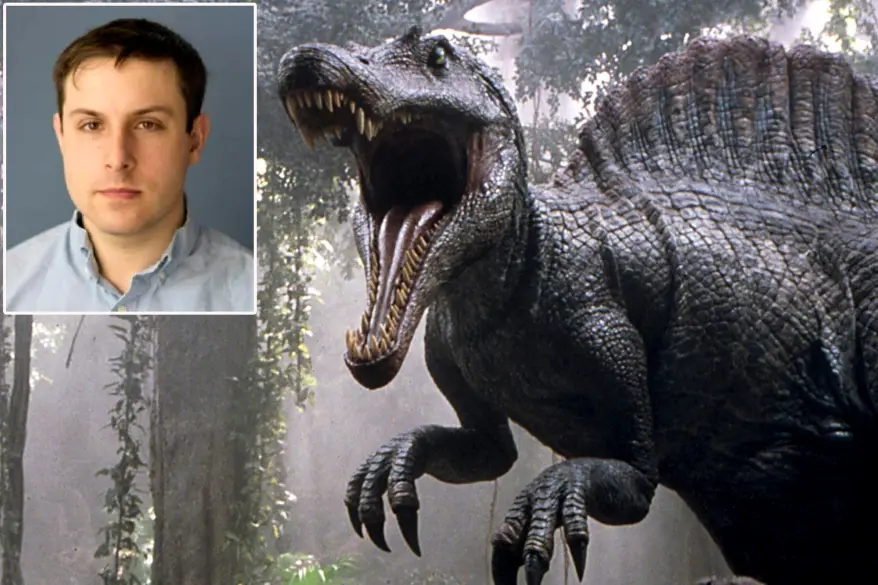
As with any new technology, the ability to create genetically engineered species raises important ethical questions. The idea of resurrecting extinct species or creating entirely new forms of life prompts debates about the role of humanity in shaping the natural world. Should we be allowed to play God by creating life, and if so, under what circumstances?
Ethicists warn that creating genetically modified organisms (GMOs) could have unintended consequences, both for the creatures themselves and for the environment in which they are introduced. For example, the reintroduction of extinct species could disrupt existing ecosystems, leading to the extinction of other species or creating new imbalances in nature. Similarly, the creation of hybrid or synthetic animals could result in unpredictable genetic mutations that may pose risks to public health or the environment.
Hodak’s comments about creating super exotic species highlight the need for thoughtful consideration of these ethical concerns. While the technology to create such creatures may be within reach, the question remains whether humanity is prepared to take on the responsibility of managing the consequences.
Beyond the Jurassic Park Dream
While the idea of bringing back dinosaurs may capture the imagination, Hodak’s comments suggest that the real potential of genetic engineering lies in creating animals that can serve practical purposes. These super exotic species could be designed for a variety of applications, including environmental conservation, agriculture, and medicine.
For example, genetically engineered creatures could be used to help solve pressing environmental problems, such as cleaning up pollution or enhancing biodiversity in endangered ecosystems. In agriculture, engineered animals could be developed to withstand harsh climates or produce more efficient resources, such as food or biofuels.
The medical possibilities are equally exciting. Hodak envisions using genetic engineering to create animals that can produce valuable biological substances, such as antibodies or organ tissues, that could be used for human health treatments. These animals could also serve as models for studying human diseases, helping researchers develop new treatments and cures.
The Science Behind Creating New Species
Creating a new species from scratch would be an incredibly complex and ambitious scientific endeavor. The process would likely involve several key steps, including:
- Designing the organism: Scientists would need to determine the specific traits or characteristics they want the new species to have. This could involve using advanced computational tools to model genetic sequences and predict how changes to the DNA would manifest in the organism.
- Creating synthetic DNA: Once the design is finalized, synthetic DNA would need to be created in a laboratory. This DNA would then be introduced into a host cell or organism, using techniques like CRISPR or other gene-editing technologies.
- Growing the organism: After the DNA is inserted, the organism would need to be grown and nurtured in a controlled environment, ensuring that it develops according to the desired specifications. This step would likely require extensive monitoring to ensure that the new species grows and functions properly.
- Testing and adjusting: As the organism develops, it would need to be tested to ensure that it exhibits the intended traits and behaviors. Any unforeseen issues or mutations would need to be addressed, and adjustments might need to be made to the genetic code.
This process would require significant advances in genetic engineering, synthetic biology, and biotechnology, as well as extensive ethical and regulatory oversight.
What Could Go Wrong?

The potential risks of creating genetically engineered species are substantial. One of the primary concerns is the possibility of unintended consequences. For example, the introduction of new species into ecosystems could have disastrous effects, upsetting the delicate balance of nature and causing harm to existing wildlife populations.
Additionally, there are concerns about the safety of genetically engineered organisms. While the technology has made great strides, it is still relatively new, and the long-term effects of creating super exotic species are not well understood. The possibility of unforeseen mutations or health risks makes it crucial to proceed with caution and ensure that proper safety protocols are in place.
Another significant concern is the potential for genetic engineering to be misused. While creating beneficial species for medical or environmental purposes may have positive outcomes, there is the risk that this technology could be used for malicious or unethical purposes. For example, it could be used to create bio-weapons or organisms designed for exploitation.
What’s Next for Genetic Engineering?
As we look toward the future, the possibility of creating super exotic species through genetic engineering raises many exciting and challenging questions. While the technology is advancing rapidly, its potential applications are still being explored, and it will be crucial for scientists, policymakers, and ethicists to collaborate in order to ensure that these advancements are used responsibly.
The future of genetic engineering is still uncertain, but one thing is clear: the ability to create novel life forms opens up a world of possibilities. Whether or not we’re ready to welcome super exotic species into our world is a question that will need careful thought, planning, and oversight.
A Brave New World of Genetic Possibilities
Mark Hodak’s bold claim about the potential for creating super exotic species marks an exciting chapter in the world of genetic engineering. The possibilities are vast, ranging from medical breakthroughs to environmental solutions. However, the ethical considerations and potential risks must not be overlooked as we enter this new frontier.
As we move forward, it will be essential to balance the promise of genetic engineering with the responsibility to ensure that we are using these powerful technologies for the greater good. The future may hold many surprises, but the key to success will lie in how we manage the potential and pitfalls of these groundbreaking scientific advancements.