
Table of Contents
- The Long Standing Problem With Cargo Hold Travel
- Why Italy Chose To Act
- What The New Cabin Policy Means
- How Pet Owners Reacted Worldwide
- Airline Concerns And Operational Challenges
- The Science Behind Reduced Stress
- A Cultural Shift In How Animals Are Viewed
- Economic And Tourism Implications
- Pressure On Other Countries And Airlines
- Not A Perfect Solution But A Meaningful One
- What This Means For The Future Of Air Travel
- A Symbol Of Ethical Modernization
- Closing Reflection
The Long Standing Problem With Cargo Hold Travel
For many years, cargo holds were the default solution for transporting dogs on flights. While airlines insisted that holds were pressurized and temperature controlled, the reality often fell short of reassurance.
Pets were separated from their owners, placed among luggage, and subjected to unfamiliar sounds and movements. Even when flights went smoothly, the stress endured by animals could be severe. In some tragic cases, pets were injured, lost, or died during transport.
Veterinarians and animal behavior experts repeatedly warned that cargo travel could cause anxiety, dehydration, respiratory issues, and long term trauma.
Why Italy Chose To Act

Italy’s decision emerged from a growing recognition that animals are sentient beings with emotional and physical needs. Public pressure from animal welfare advocates played a key role, as did increasing awareness of pet related incidents during air travel.
Regulators acknowledged that dogs are not cargo. They are companions. Treating them as luggage no longer aligned with evolving societal values.
Italy’s aviation authorities worked with airlines, veterinarians, and animal welfare experts to design policies that balanced safety with compassion.
What The New Cabin Policy Means
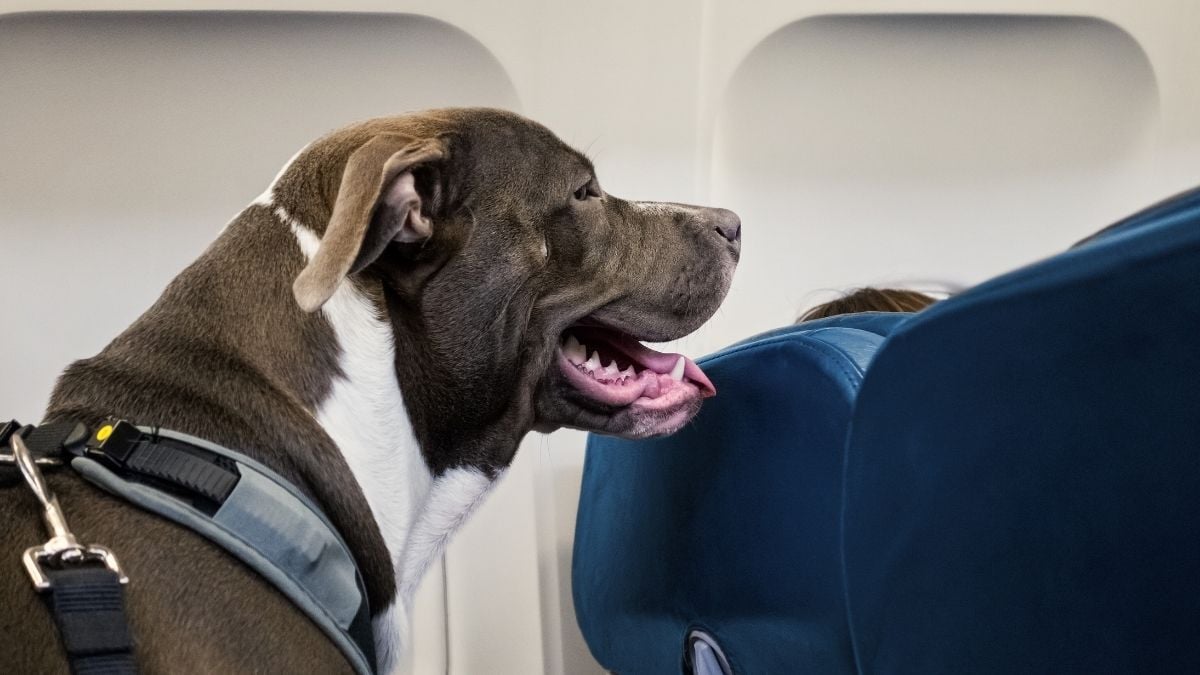
Under the new approach, dogs are allowed to travel in the cabin under specific conditions. Weight limits, carrier standards, and behavioral requirements ensure safety for all passengers.
Instead of isolation, dogs remain close to their owners. Familiar voices, scents, and reassurance significantly reduce stress. For many animals, this difference can determine whether travel is tolerable or traumatic.
The policy does not remove all challenges, but it transforms the experience fundamentally.
How Pet Owners Reacted Worldwide
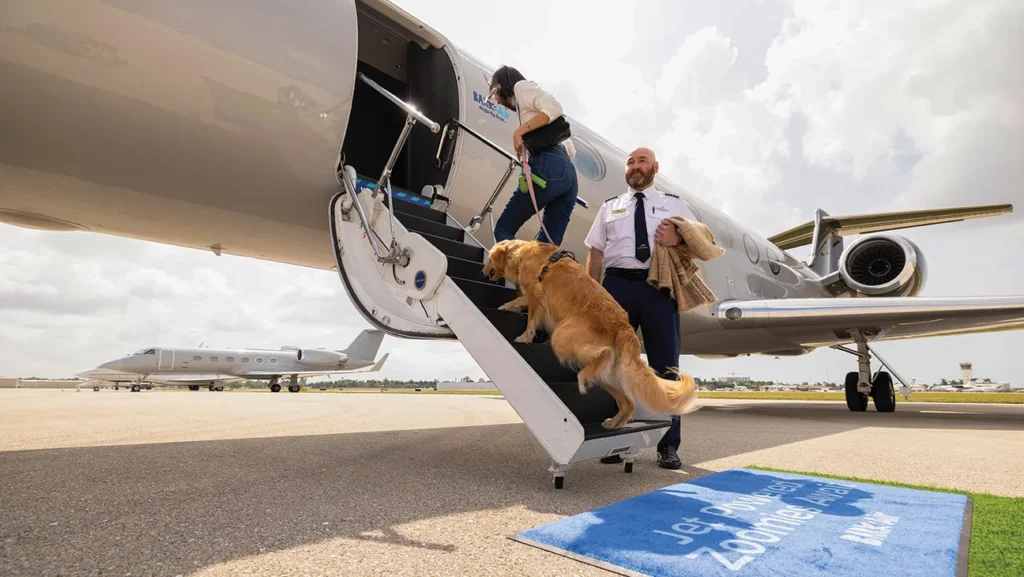
The response from pet owners was immediate and emotional. Many shared stories of flights they avoided for years because of cargo fears. Others recalled difficult experiences that left lasting guilt.
For families relocating, traveling long distances, or facing emergencies, Italy’s decision felt liberating. It suggested a future where choosing between mobility and pet safety might no longer be necessary.
Social conversations quickly framed Italy as a model for humane reform.
Airline Concerns And Operational Challenges
Airlines initially raised concerns about space, allergies, and passenger comfort. Allowing dogs in cabins requires careful regulation and clear guidelines.
Italian authorities addressed these issues through structured rules. Dogs must be properly restrained, clean, and well behaved. Cabin crews receive training on handling animal related situations.
Rather than chaos, the goal is coexistence through preparation.
The Science Behind Reduced Stress
Animal behavior research supports the cabin policy. Dogs experience lower cortisol levels when near their owners during stressful events. Familiar presence helps regulate heart rate and breathing.
Cargo holds remove these stabilizing factors entirely. Even short flights can feel endless to animals separated from their humans.
Italy’s policy aligns with scientific understanding rather than outdated assumptions.
A Cultural Shift In How Animals Are Viewed

This change reflects a deeper cultural evolution. Across Europe and beyond, animals are increasingly recognized as family members rather than property.
Laws governing animal welfare have expanded into housing, healthcare, and public spaces. Transportation was one of the last frontiers.
Italy’s decision suggests that infrastructure must adapt to changing ethical standards, not resist them.
Economic And Tourism Implications
Allowing dogs in cabins may also influence tourism. Pet friendly travel encourages longer stays and broader mobility for travelers who would otherwise remain home.
Italy, already a major tourism destination, strengthens its appeal by accommodating travelers with pets. Airlines may benefit from increased demand rather than suffer losses.
Compassion and commerce are not always in conflict.
Pressure On Other Countries And Airlines
Once one nation acts, comparison becomes inevitable. Pet owners now question why similar policies are not universal.
Animal welfare organizations have already pointed to Italy as evidence that reform is possible without compromising safety.
Other countries and airlines face growing pressure to justify continued reliance on cargo holds.
Not A Perfect Solution But A Meaningful One
Italy’s policy does not eliminate all risks. Dogs must still cope with noise, crowds, and confined spaces. Not all animals are suited for cabin travel.
However, the change acknowledges responsibility rather than denial. It shifts the burden from animals enduring harm to systems adapting for care.
Progress rarely arrives fully formed. It arrives through steps.
What This Means For The Future Of Air Travel
The decision raises broader questions about how transportation systems accommodate non human passengers. As travel evolves, so must definitions of safety and comfort.
Italy’s move suggests that humane design can coexist with modern efficiency. It invites innovation rather than fear.
Air travel, once indifferent to animal experience, is being asked to reconsider its priorities.
A Symbol Of Ethical Modernization
Policies often reflect what societies value. By allowing dogs into cabins, Italy has made a symbolic statement about empathy in public life.
The message is subtle but powerful. Convenience should not override compassion. Systems built for humans must acknowledge those who depend on them.
That principle extends far beyond aviation.
Closing Reflection
Italy’s decision to allow dogs to fly in airplane cabins marks a quiet but profound shift in how animals are treated in modern society. It challenges long accepted norms and replaces them with consideration.
For pet owners, it offers relief. For animals, it offers dignity. For the world, it offers a model.
As more countries observe the outcome, the question is no longer whether change is possible. It is whether others are willing to follow.