
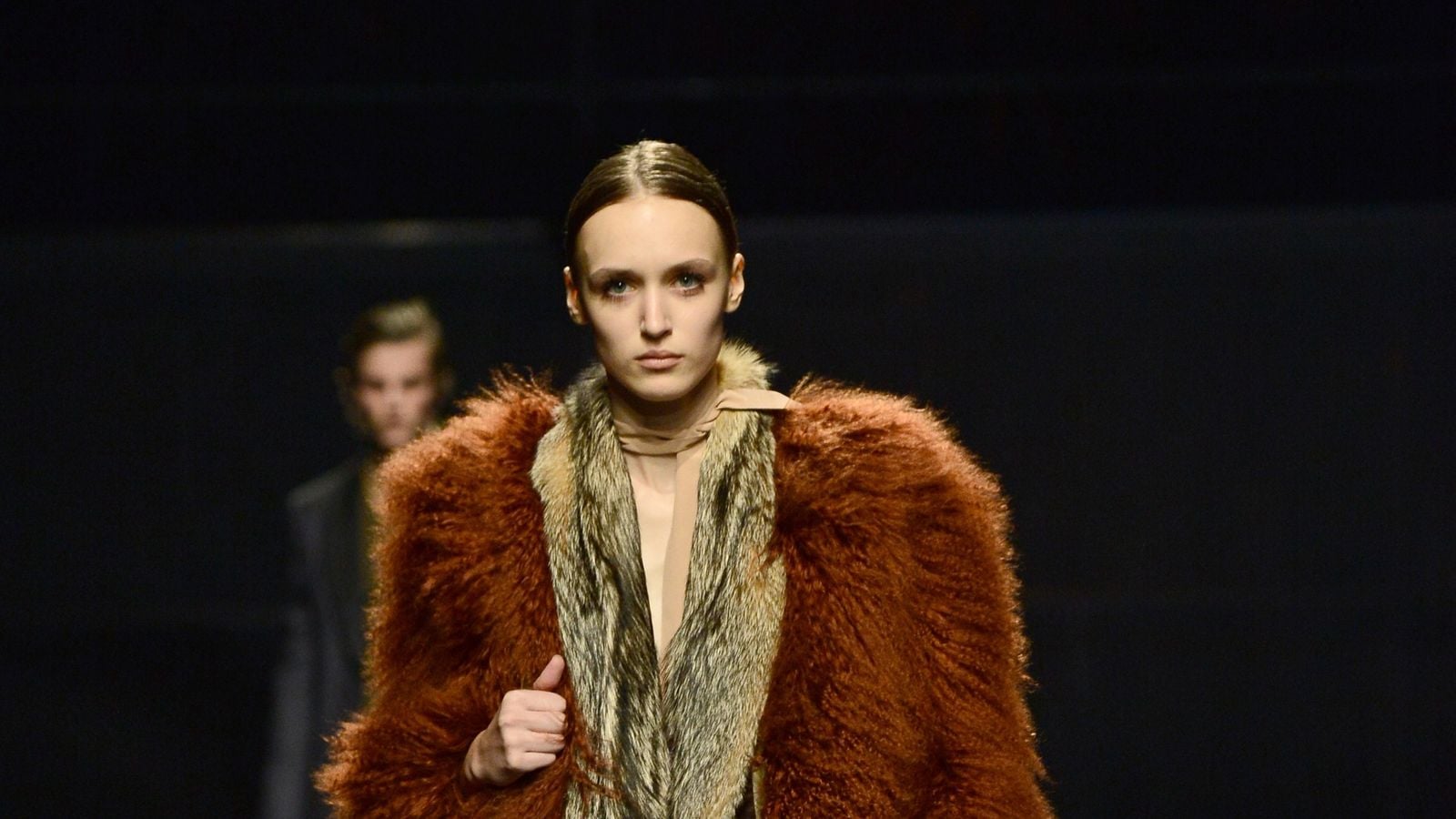
Table of Contents
- Why Prada’s Decision Matters Globally
- The Long Relationship Between Fur And High Fashion
- Pressure From A Changing Public Consciousness
- The Role Of Animal Welfare Advocacy
- Internal Reflection Within The Fashion Industry
- Alternatives To Fur And Creative Adaptation
- Economic Implications For Fashion And Supply Chains
- A Cultural Turning Point For Italian Fashion
- How Other Luxury Brands Are Affected
- The Debate Between Tradition And Progress
- Sustainability Beyond Animal Welfare
- Public Reaction And Cultural Impact
- What This Means For The Future Of Luxury
- A Signal To Emerging Designers
- Closing Reflection
Why Prada’s Decision Matters Globally
Prada is not merely another fashion label. As a house rooted in Italian craftsmanship and intellectual design, its choices often influence the direction of the wider industry. When such a brand changes course, it sends a message that resonates far beyond Milan.
Luxury fashion sets aspirational standards. What appears on high end runways eventually filters into mainstream design language. By abandoning fur, Prada effectively challenges the assumption that animal materials are necessary to convey elegance and prestige.
This move signals that ethical considerations are no longer peripheral to luxury. They are becoming central.
The Long Relationship Between Fur And High Fashion
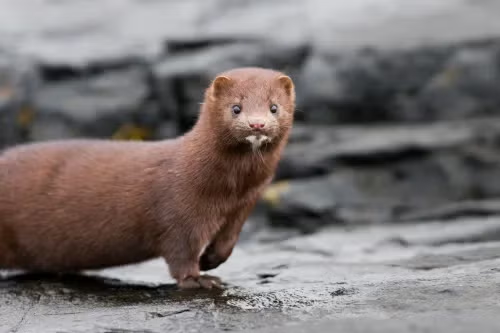
Historically, fur occupied a privileged place in fashion. It was prized for warmth, texture, and visual impact. Designers used it as a symbol of refinement and exclusivity.
However, the very qualities that made fur desirable also placed it under scrutiny. The conditions under which animals were bred and killed became a focal point for criticism. Visual evidence and investigative reporting shifted public perception.
What once symbolized opulence increasingly came to represent discomfort and moral tension.
Pressure From A Changing Public Consciousness
Over the past decade, consumer values have evolved rapidly. Younger generations, in particular, began questioning the ethics behind luxury goods. Sustainability, transparency, and cruelty free practices became key purchasing considerations.
Fashion brands found themselves under growing pressure to justify material choices. Silence was no longer neutral. It was interpreted as indifference.
Prada’s decision reflects this shift. It acknowledges that luxury consumers are no longer satisfied with beauty alone. They want alignment with values.
The Role Of Animal Welfare Advocacy

Animal welfare organizations played a significant role in reshaping the conversation around fur. Campaigns highlighted the suffering involved in fur production, often confronting consumers with uncomfortable realities.
These efforts gradually influenced public sentiment. As more designers and brands committed to fur free policies, resistance weakened.
Prada’s announcement validated years of advocacy, demonstrating that sustained pressure can result in meaningful change.
Internal Reflection Within The Fashion Industry
The decision to eliminate fur is not made lightly. For a luxury house, materials are part of identity. Changing them requires internal debate, research, and innovation.
Prada’s leadership acknowledged that ethical responsibility must evolve alongside creativity. Designers explored alternative materials capable of delivering the same tactile richness without animal harm.
This process reflects a broader industry realization. Innovation is no longer limited to aesthetics. It now includes ethics.
Alternatives To Fur And Creative Adaptation
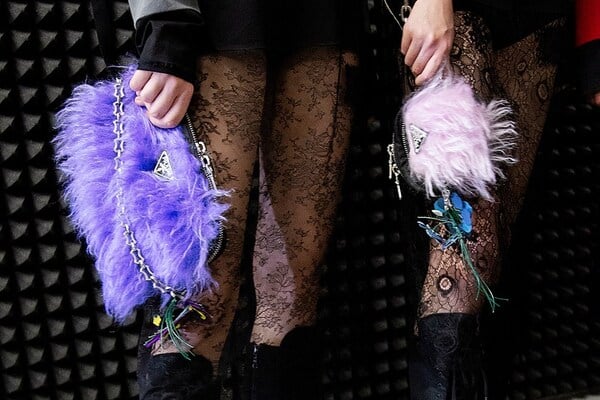
Technological advances have produced high quality alternatives to animal fur. These materials offer similar warmth and visual depth while avoiding cruelty.
Designers increasingly view these alternatives not as compromises, but as creative opportunities. New textures allow experimentation without ethical compromise.
Prada’s move encourages further investment in sustainable material development, accelerating industry wide transformation.
Economic Implications For Fashion And Supply Chains
Eliminating fur also impacts supply chains. Fur farms, suppliers, and manufacturers must adapt or decline. While this raises concerns about livelihoods, many argue that economic systems must evolve alongside ethics.
Prada’s decision may encourage a shift toward alternative industries and innovation driven employment.
Change inevitably disrupts existing structures, but it also creates new possibilities.
A Cultural Turning Point For Italian Fashion

Italy holds a central place in global fashion heritage. Decisions made by Italian houses carry symbolic weight.
By choosing to go fur free, Prada challenges traditional associations between luxury and animal exploitation. It redefines Italian fashion not as static tradition, but as evolving cultural expression.
This decision positions Italy as a contributor to ethical leadership rather than resistance.
How Other Luxury Brands Are Affected
Once a major house acts, others must respond. Silence becomes conspicuous.
Prada’s announcement increases pressure on remaining fur using brands to explain their position. Consumers and activists now have a benchmark.
Momentum in fashion often moves collectively. One influential shift accelerates others.
The Debate Between Tradition And Progress
Critics argue that abandoning fur erases craftsmanship traditions. Supporters counter that tradition must adapt to survive.
Fashion history shows constant reinvention. Materials change. Techniques evolve. What remains is the spirit of design.
Prada’s decision suggests that progress does not negate heritage. It reframes it.
Sustainability Beyond Animal Welfare
While fur was the focal point, Prada’s decision aligns with broader sustainability goals. Environmental impact, resource use, and long term responsibility increasingly define brand reputation.
Luxury consumers are paying attention not just to what brands sell, but how they operate.
Ethical fashion is no longer niche. It is becoming a standard.
Public Reaction And Cultural Impact
Public response to the announcement was largely positive. Many praised Prada for taking responsibility rather than waiting for regulation.
The decision sparked conversations across fashion media, social platforms, and academic spaces. It became a reference point in discussions about the future of luxury.
Cultural change often crystallizes around symbolic moments. This was one of them.
What This Means For The Future Of Luxury
Luxury has always been about aspiration. Today, aspiration includes conscience.
Prada’s move suggests that the highest form of luxury may no longer be excess, but intention. Beauty aligned with responsibility carries its own prestige.
As markets evolve, brands that ignore this shift risk becoming irrelevant.
A Signal To Emerging Designers
Young designers often look to established houses for cues. Prada’s decision sends a clear message to the next generation.
Ethical considerations are not obstacles to creativity. They are catalysts.
This influence may shape fashion education and innovation for years to come.
Closing Reflection
Prada’s decision to stop using animal fur is more than a policy change. It represents a moment when luxury fashion openly acknowledged its ethical responsibilities.
In choosing evolution over tradition, the brand affirmed that values and aesthetics do not need to conflict. They can coexist.
As the industry continues to transform, this decision will be remembered as part of a broader cultural shift. One where elegance is measured not only by appearance, but by the principles behind it.