

Table of Contents
- Who is Jake Paul?
- Why Did Trump Endorse Jake Paul?
- The Growing Influence of Social Media Personalities in Politics
- The Potential Impact of Paul’s Political Career
- The Criticism of Celebrity Involvement in Politics
- The Role of Populism in Modern Politics
- What This Means for the Future of Political Campaigns
- The Debate Over Qualifications for Political Office
- Trump’s Influence on the Political Landscape
- A New Era for Politics?
Who is Jake Paul?
Jake Paul first became famous as a Vine star, then transitioned to YouTube, where he became known for his wild stunts, pranks, and controversial content. His larger-than-life personality quickly made him a figure who couldn’t be ignored in the digital space. As his fame grew, Paul expanded into professional boxing, further solidifying his place in mainstream media. While his career has been marked by controversy, Paul has amassed a massive following, particularly among younger generations. His ability to rally millions of supporters on social media gives him a platform that many traditional politicians lack. This has led to speculation that Paul could one day use his celebrity status to enter the political arena, a possibility that Trump’s endorsement seems to support.
Why Did Trump Endorse Jake Paul?

Trump’s endorsement of Jake Paul appears to be driven by several factors, including the desire to appeal to younger voters and the growing influence of social media personalities in shaping public opinion. Trump, who himself has utilized social media as a key part of his political campaigns, has long understood the power of influencers. By endorsing Paul, Trump is aligning himself with a figure who can reach an audience that may be disillusioned with traditional politics. Additionally, Paul’s defiance of mainstream norms and his outsider status may resonate with Trump’s own brand, which has been built on challenging the political establishment. For Trump, backing Paul could also be seen as a strategic move to cultivate a future ally in the political world who shares his populist appeal.
The Growing Influence of Social Media Personalities in Politics
Jake Paul’s potential political future is indicative of a larger trend: the growing influence of social media personalities in politics. In recent years, influencers like Paul, along with figures such as Kanye West and Kim Kardashian, have used their platforms to shape public discourse, voice political opinions, and even endorse candidates. This marks a significant shift from the traditional political campaign models that once relied solely on established political figures and party machinery. With millions of followers, social media influencers have the power to sway opinions, mobilize voters, and create viral movements. Jake Paul’s endorsement by Trump reflects how the political landscape is increasingly shaped by figures outside the traditional political sphere.
The Potential Impact of Paul’s Political Career

Jake Paul’s foray into politics, with Trump’s endorsement, could have a significant impact on the way political campaigns are run in the future. As a celebrity, Paul already has a vast network of supporters who are highly engaged with his content. This digital-first approach could appeal to younger voters who feel disconnected from traditional political processes. If Paul chooses to run for office in the future, he could leverage his social media influence to reach a wide audience, using platforms like YouTube, Instagram, and TikTok to bypass traditional media and communicate directly with potential voters. This shift could lead to more unconventional, grassroots-style campaigns that rely heavily on digital platforms.
The Criticism of Celebrity Involvement in Politics
While Trump’s endorsement of Jake Paul may resonate with certain segments of the population, it has also drawn criticism. Many critics argue that the increasing involvement of celebrities in politics undermines the seriousness of political discourse. They worry that figures like Jake Paul, who have little experience in governance, may not have the qualifications necessary to hold public office. This criticism reflects broader concerns about the role of celebrity in politics and whether public figures without traditional political experience should be allowed to wield significant influence. The endorsement of a figure like Jake Paul raises questions about whether celebrity status and social media popularity should be the primary criteria for political leadership.
The Role of Populism in Modern Politics
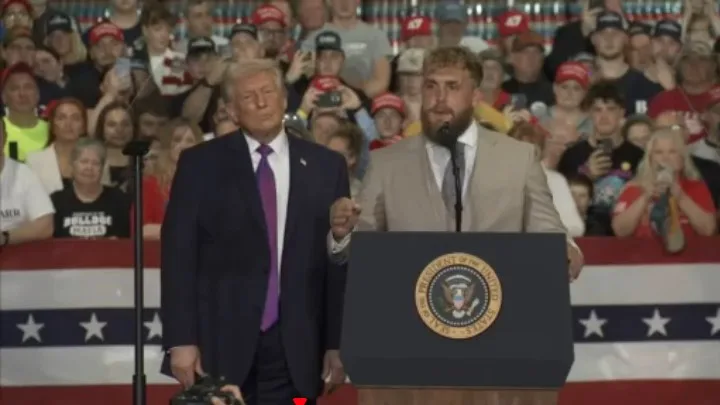
Trump’s endorsement of Paul can also be seen as part of the broader populist movement that has swept across many countries in recent years. Populist leaders often embrace unconventional approaches to politics, positioning themselves as outsiders who challenge the establishment. Jake Paul’s image as a rebellious figure who defies traditional norms aligns with the populist message of shaking up the political system. By endorsing Paul, Trump may be positioning him as a future leader who can carry on his populist legacy. However, this move also raises questions about whether the populist approach, which often prioritizes media savvy over policy expertise, is sustainable in the long term.
What This Means for the Future of Political Campaigns
If Jake Paul follows through with a political career, his candidacy could mark a new era in political campaigning. Traditional campaigns often rely on experience, policy knowledge, and institutional support. However, Paul’s celebrity status and massive social media following could allow him to bypass these traditional pathways, relying on direct communication with voters through his platforms. This could lead to a fundamental shift in how political candidates run for office, with digital engagement and media presence becoming even more central to the process. For better or worse, Paul’s rise in the political arena could signal a future where public office is more about personal branding and media influence than traditional political experience.
The Debate Over Qualifications for Political Office
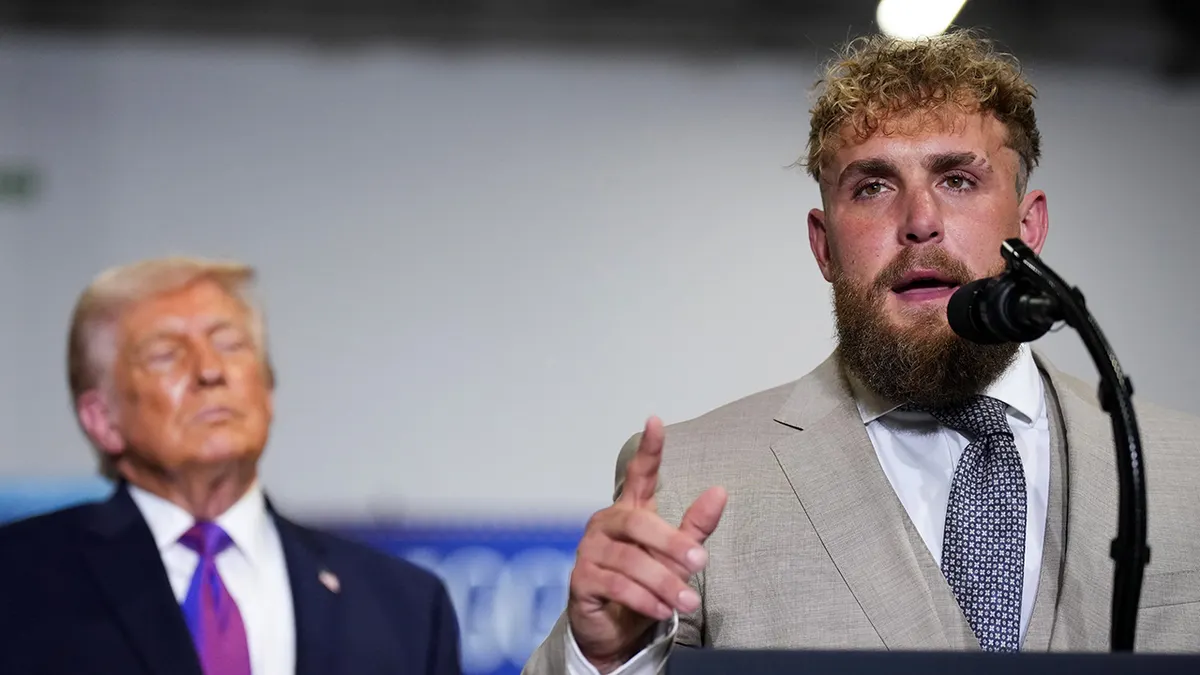
Jake Paul’s potential candidacy also raises important questions about what qualifies someone to run for political office. In many democracies, political leaders are expected to have a deep understanding of governance, law, and public policy. However, in the age of celebrity-driven politics, the definition of a qualified candidate is increasingly being broadened to include individuals with media influence, regardless of their lack of formal political experience. This shift could have profound implications for the future of democratic leadership, as voters may place greater value on personality and public image than on expertise and experience. Jake Paul’s rise, supported by Trump’s endorsement, challenges traditional notions of what makes someone fit for office.
Trump’s Influence on the Political Landscape
Trump’s decision to endorse Jake Paul is part of a larger strategy to continue shaping the political landscape after his own presidency. By endorsing Paul, Trump is attempting to cement his influence over the future of the Republican Party and the broader political spectrum. Many view Trump as a kingmaker, someone who can boost the political careers of outsiders who share his populist ideals. Paul’s endorsement could be the beginning of a larger trend of celebrity-backed political figures, signaling a shift toward an entertainment-driven model of politics. This could fundamentally alter the way political campaigns are conducted in the coming decades.
A New Era for Politics?
Jake Paul’s endorsement by Donald Trump signifies a potential new era in American politics—one that blurs the lines between celebrity, social media, and political leadership. Whether Paul ultimately pursues a political career or not, his endorsement by a figure like Trump speaks to the growing influence of celebrities in the political realm. As traditional political structures continue to evolve, the future of American politics may be shaped less by policy expertise and more by personal brand, media presence, and the ability to connect with a digital audience. Jake Paul’s potential political future, with Trump’s backing, could be just the beginning of a broader transformation in how political campaigns are run in the United States.