
Table of Contents
- What is the Millionaire’s Tax Proposal?
- The Rationale Behind the Millionaire’s Tax
- How the Tax Would Work
- A Step Toward Economic Justice
- The Opposition: Concerns Over Economic Impact
- The Broader Debate on Tax Reform
- The Role of Public Opinion
- The Economic Impact: What Will the Tax Fund?
- How Other States Are Responding
- The Future of Washington’s Millionaire’s Tax
- A Landmark Decision in Tax Policy
What is the Millionaire’s Tax Proposal?
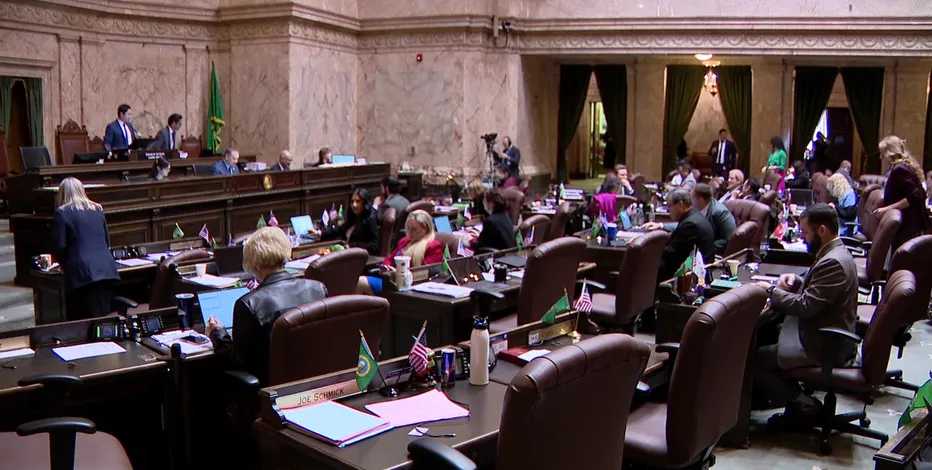
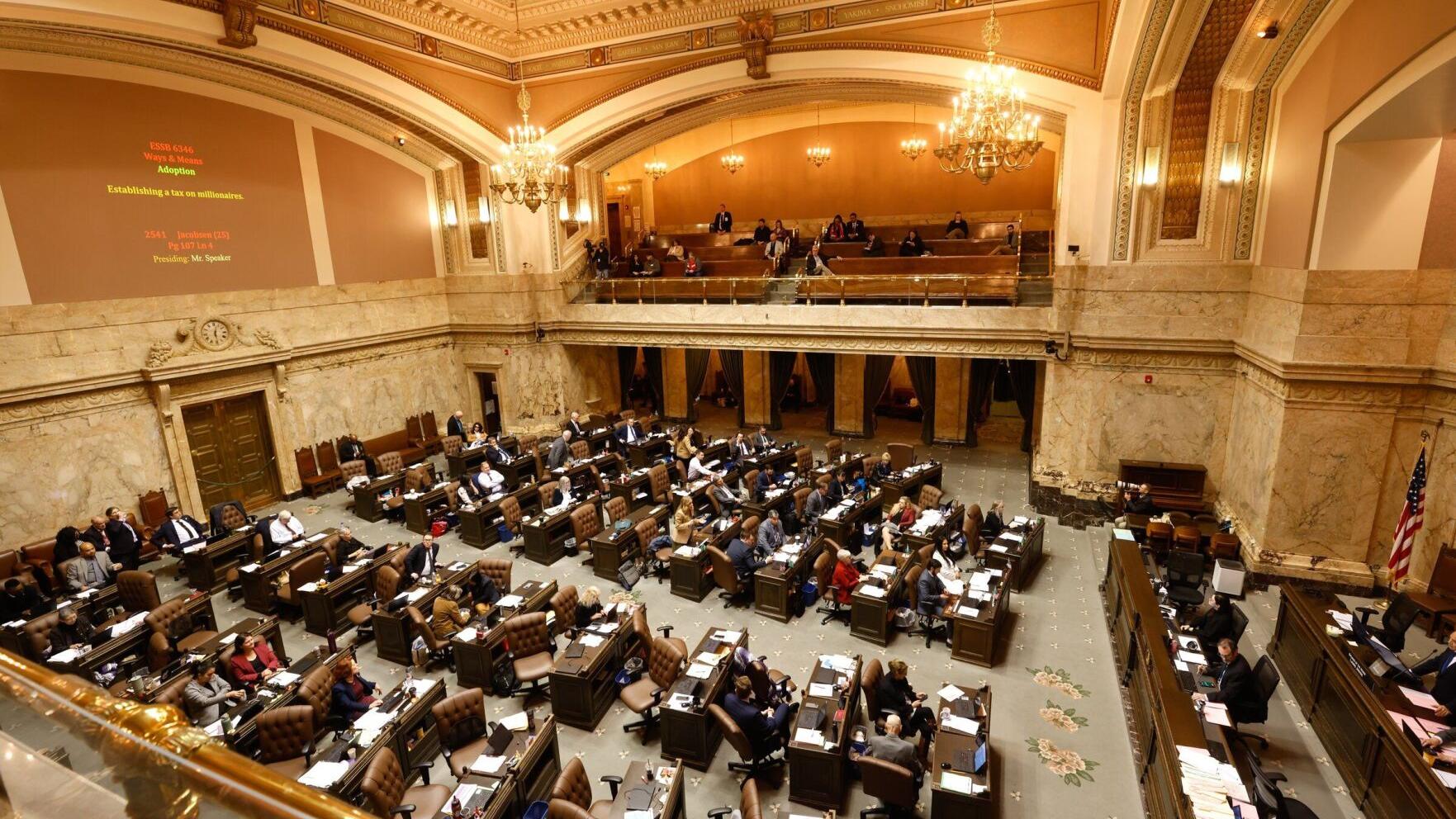
The millionaire’s tax proposal, which has passed the Washington State House, is aimed at individuals with a net worth of $250 million or more. The proposed tax would require these high-net-worth individuals to pay a percentage of their wealth annually. Unlike traditional income taxes, which focus on earnings, this wealth tax would focus on assets such as stocks, bonds, and real estate. Proponents argue that the tax is a fair way to ensure the wealthiest residents contribute to the state’s public services, which are funded primarily by sales and fuel taxes that disproportionately affect lower-income residents.
The Rationale Behind the Millionaire’s Tax

The argument for a millionaire’s tax is rooted in the concept of economic fairness. Washington State is known for having one of the most regressive tax systems in the country, meaning that lower-income residents pay a larger percentage of their income in taxes compared to wealthier individuals. By implementing a tax on the wealthy, supporters argue that the state can begin to balance the tax burden and reduce income inequality. They also emphasize that the tax revenue would be directed toward vital public services such as education, healthcare, and infrastructure, benefiting the entire state.
How the Tax Would Work
Under the proposal, individuals with a net worth exceeding $250 million would be taxed on the value of their assets, including stocks, bonds, and real estate. This wealth tax would be assessed annually, and the proceeds would be used to fund public programs aimed at improving the lives of Washington’s residents. The tax rate would be set at a certain percentage of the individual’s total wealth, with higher rates applied to larger assets. The specifics of the tax rate and how it would be enforced are still being worked out, but the proposal has already drawn significant attention due to its potential to significantly alter Washington’s tax landscape.
A Step Toward Economic Justice
Supporters of the millionaire’s tax argue that it is long overdue. The wealthiest individuals in Washington have seen their fortunes grow exponentially in recent decades, while middle- and lower-income residents have struggled with rising living costs. By implementing a wealth tax, proponents say, the state can begin to address the growing wealth inequality and ensure that the rich contribute their fair share. Many supporters also point to the success of similar taxes in other countries, such as Sweden and Norway, where wealth taxes have helped fund public services and reduce economic disparities.
The Opposition: Concerns Over Economic Impact
On the other hand, critics of the millionaire’s tax warn that it could have negative consequences for Washington’s economy. Some argue that the tax could drive wealthy individuals and businesses out of the state, resulting in a loss of tax revenue in the long term. Others fear that the implementation of such a tax could discourage investment and economic growth, as high-net-worth individuals might seek to move their assets elsewhere. There are also concerns that the tax could be difficult to enforce, particularly when it comes to accurately assessing the value of non-liquid assets like real estate or private investments.
The Broader Debate on Tax Reform
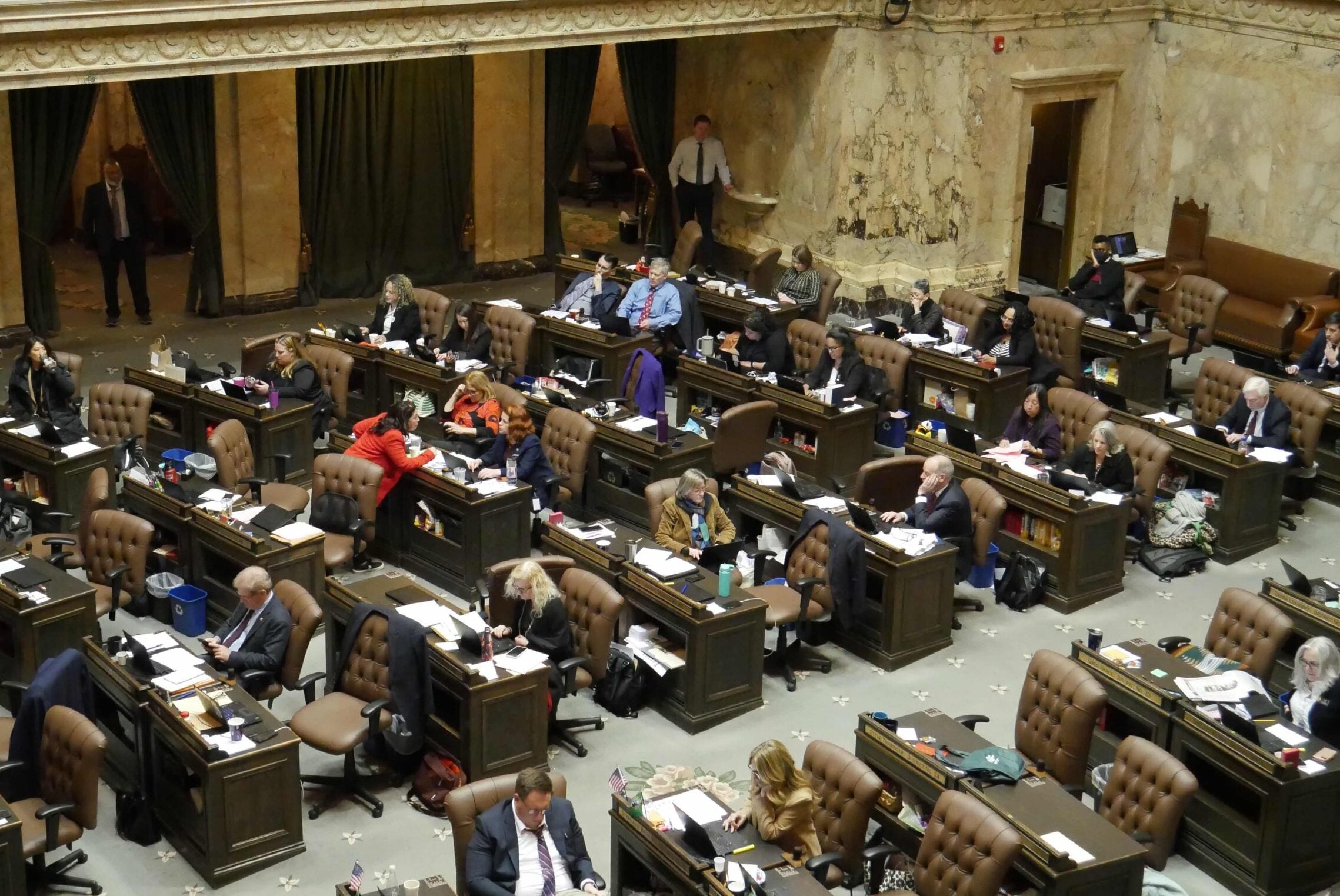
Washington State’s millionaire’s tax proposal is part of a larger, national debate about tax reform in the United States. Across the country, many states are grappling with how to balance their budgets while ensuring that the tax system is fair and equitable. Some states have implemented progressive tax policies to address income inequality, while others have resisted such changes, arguing that they could harm the economy. The conversation around tax reform often centers on the question of how to ensure that the wealthiest individuals contribute fairly to society, without stifling economic growth or driving away investment. The outcome of Washington’s millionaire’s tax proposal could have significant implications for the future of tax policy in other states.
The Role of Public Opinion
As with any significant tax proposal, public opinion plays a crucial role in determining its success. In Washington, the millionaire’s tax has sparked heated discussions, with both supporters and opponents voicing strong opinions. Some polls suggest that a majority of residents support the tax, particularly those from lower- and middle-income households who would benefit from increased funding for public services. However, wealthier individuals and business owners have voiced opposition, arguing that the tax would harm the state’s economy and make it less attractive to investors. As the proposal continues to make its way through the legislative process, it will be important to gauge public opinion and see how it influences the final outcome.
The Economic Impact: What Will the Tax Fund?
One of the main arguments for the millionaire’s tax is that it will provide a much-needed revenue stream for Washington’s public services. With sales and fuel taxes making up a significant portion of the state’s budget, many lower-income families have been burdened by a tax system that disproportionately impacts them. By taxing the wealthiest individuals, the state hopes to reduce this burden and fund essential services, such as education, healthcare, and transportation infrastructure. Supporters argue that the tax will help address critical needs within the state and create a more equitable tax system that benefits all residents.
How Other States Are Responding

While Washington’s millionaire’s tax is unique, it is not the only state exploring wealth taxes as a way to address income inequality. Other states, such as California and New York, have been discussing similar proposals in recent years. California, for example, has implemented a progressive income tax, which taxes higher earners at a greater rate. However, wealth taxes are still relatively rare in the United States, and Washington’s proposal could serve as a model for other states considering similar measures. If successful, the millionaire’s tax in Washington could pave the way for similar initiatives in other states, further fueling the debate over tax fairness and economic justice.
The Future of Washington’s Millionaire’s Tax
As the proposal moves forward, there are still many unknowns about how it will be implemented and what its ultimate impact will be. The state legislature will need to work out the details of the tax rate, the enforcement mechanisms, and the allocation of revenue. The outcome of the debate could significantly affect Washington’s economy and its residents. If passed, the millionaire’s tax could represent a major shift in how the state funds public services and addresses wealth inequality. It could also spark a broader conversation about the role of wealth taxes in the United States and how to ensure that the wealthiest individuals contribute fairly to society.
A Landmark Decision in Tax Policy
The passing of Washington State’s millionaire’s tax proposal is a historic moment in the ongoing debate over wealth and taxation in the United States. The proposal represents a bold move toward addressing income inequality and ensuring that the wealthiest individuals contribute more to public services. While the tax has faced significant opposition, it has also garnered widespread support from those who believe that the current tax system is unfair. As the proposal moves through the legislative process, it will be important to watch how it evolves and what impact it ultimately has on Washington’s economy and its residents. Whether this tax becomes a model for other states remains to be seen, but it is clear that the conversation around tax reform is far from over.