
Table of Contents
- When Disaster Strikes, These Machines Come Alive
- The Idea That Started with Compassion
- How the System Works
- Designed for a Nation That Lives with Earthquakes
- The Unsung Heroes of Everyday Life
- The Power of Preparation: A Lesson from Japan
- Not Just Food — A Message of Hope
- A Model the World Should Copy
- Behind the Technology: Smart, Connected, and Reliable
- The Human Side of a Machine
- What the Rest of the World Can Learn
- The Next Evolution: Beyond Earthquakes
- Final Thoughts: Small Machines, Big Humanity
When Disaster Strikes, These Machines Come Alive
In Japan, vending machines aren’t just for snacks and sodas — they can save your life.
During earthquakes, when panic spreads and infrastructure collapses, some of Japan’s vending machines automatically unlock to provide free food, water, and supplies to those in need.
It’s not science fiction. It’s real. And it’s a glimpse of how smart innovation can turn everyday convenience into emergency survival.
The Idea That Started with Compassion
Japan is home to over 4 million vending machines, one of the highest densities in the world — about one for every 30 people.
They’re famous for selling everything from coffee and ramen to umbrellas and batteries. But one company decided these machines could do more than just serve convenience — they could serve humanity.
That company is DyDo DRINCO, a major Japanese beverage manufacturer. After seeing the devastating effects of earthquakes like the 2011 Tōhoku disaster, which killed nearly 20,000 people, DyDo wanted to rethink what a vending machine could be.
What if, in times of crisis, these machines could become lifelines instead of luxuries?
How the System Works
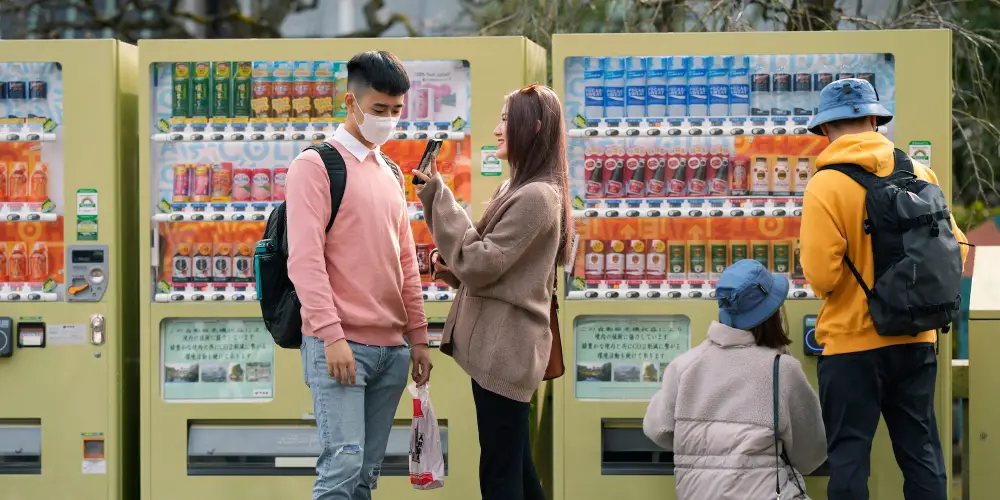
Each of these special vending machines looks ordinary — until disaster strikes.
They’re equipped with emergency-response technology connected to Japan’s national earthquake alert systems. When a major quake hits, the machines automatically unlock, offering free access to bottled water and canned goods.
The machines can even operate off-grid, thanks to built-in battery backups and solar power options, ensuring they remain functional even when power lines go down.
And because Japan’s citizens know these machines are strategically placed in public areas, they’ve become part of the country’s disaster preparedness network.
It’s one of those ideas so simple and brilliant that it makes you wonder: why isn’t every country doing this?
Designed for a Nation That Lives with Earthquakes
Japan sits at the intersection of four major tectonic plates — the Pacific, Philippine, Eurasian, and North American plates — making it one of the most earthquake-prone countries in the world.
From small tremors to catastrophic quakes, the ground moves daily somewhere in the country. For Japan, disaster preparedness isn’t optional — it’s cultural.
That’s why vending machines, train stations, schools, and even public toilets are part of a national resilience system, built to support citizens when everything else fails.
In this ecosystem, technology meets empathy.
The Unsung Heroes of Everyday Life
Vending machines are often seen as symbols of modern convenience, but in Japan, they represent community trust.
Manufacturers like DyDo and Asahi partner with local governments to place these machines in high-risk areas — from school grounds and coastal towns to office districts — ensuring that no one is ever too far from a potential food source during crisis.
Some machines even include digital signage that switches to emergency instructions during disasters, guiding people to nearby shelters or safe zones.
It’s like having a quiet guardian on every street corner — one that’s always ready to help.
The Power of Preparation: A Lesson from Japan
When the 2011 Tōhoku earthquake and tsunami struck, over 450,000 people were displaced. Access to clean water and food was among the biggest challenges.
In the aftermath, Japan realized that speed saves lives. The faster aid reaches survivors, the better their chances.
That’s what inspired companies to start developing smart vending machines — systems that don’t wait for government response but act instantly when disaster hits.
Because sometimes, minutes can mean the difference between life and death.
Not Just Food — A Message of Hope
When these machines unlock, they do more than dispense drinks and snacks. They send a message: You’re not alone.
Imagine standing in the rubble of a quake, phone lines dead, stores closed, help still hours away — and suddenly finding a glowing machine offering free water and food.
It’s a small act of mercy powered by design and foresight — one that reminds people of the power of human ingenuity in the face of chaos.
Wouldn’t you want that same sense of security in your own city?
A Model the World Should Copy
Japan’s vending machine system is so effective that other countries are starting to take notice.
Urban planners and emergency agencies in earthquake-prone regions like California, Chile, and Indonesia have discussed similar ideas — using private infrastructure as part of public safety networks.
The concept could also extend beyond earthquakes — think floods, hurricanes, or wildfires. Imagine vending machines that detect power outages, heatwaves, or air pollution levels and automatically provide relief items.
It’s the future of resilient cities — where technology doesn’t just entertain but protects.
Behind the Technology: Smart, Connected, and Reliable
So, what makes these machines so advanced?
They’re equipped with IoT (Internet of Things) technology that allows remote monitoring and control.
Manufacturers can check inventory, track energy usage, and receive real-time alerts — ensuring that when disaster strikes, the machines are fully stocked and operational.
Some are even integrated with AI-driven analytics, predicting when and where supplies might be needed most.
This isn’t just smart design — it’s the evolution of urban resilience engineering.
The Human Side of a Machine
At the heart of this innovation isn’t just code or circuitry — it’s compassion.
Japanese culture places deep value on collective responsibility. The belief that individuals, companies, and governments all share a role in protecting society.
These vending machines reflect that philosophy perfectly. They don’t just sell convenience; they store kindness, ready to deploy when it matters most.
In a world where technology often feels cold and distant, Japan reminds us that even a machine can have a soul.
What the Rest of the World Can Learn
The idea of converting vending machines into emergency tools could change how we think about infrastructure, technology, and community resilience.
Instead of waiting for help, what if help was already waiting for us — hidden in plain sight, on street corners, in parks, and near schools?
It’s a reminder that innovation doesn’t always come from Silicon Valley or billion-dollar labs. Sometimes, it comes from a bottle of water and a little empathy.
And if Japan can do it on such a massive scale, maybe it’s time the rest of us caught up.
The Next Evolution: Beyond Earthquakes
DyDo DRINCO and other Japanese companies are already working on the next generation of emergency vending machines.
Future versions may include solar panels, first-aid kits, phone charging ports, and emergency communication systems that can connect survivors to local authorities.
Imagine a machine that not only feeds you but also guides you to safety. That’s not science fiction — it’s a blueprint for the future.
Japan has proven that resilience doesn’t need to be complicated. Sometimes, it just needs to be accessible.
Final Thoughts: Small Machines, Big Humanity
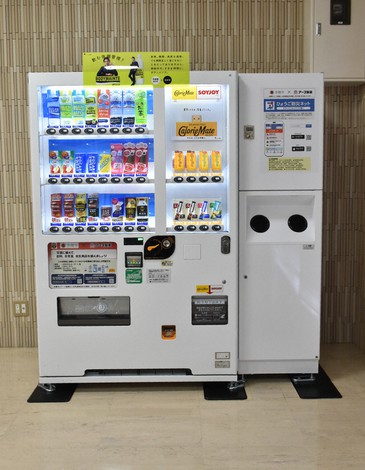
In the aftermath of disaster, help often comes from unexpected places — a neighbor’s hand, a stranger’s voice, or even a vending machine glowing in the dark.
Japan’s earthquake-activated vending machines are more than a clever invention. They’re a testament to the country’s unwavering commitment to safety, innovation, and community care.
Because true innovation isn’t about making life easier — it’s about making life survivable.
And maybe, just maybe, these machines are quietly teaching the world how to care smarter.