
Table of Contents
- A Breakthrough in Medical Science
- What is Artificial Blood?
- The Development Process
- How It Works and What Makes It Unique
- Clinical Trials and Future Prospects
- A Global Need for Blood Alternatives
- Challenges and Ethical Considerations
- Ethical Implications for the Future of Medicine
- A New Era in Medical Innovation
A Breakthrough in Medical Science
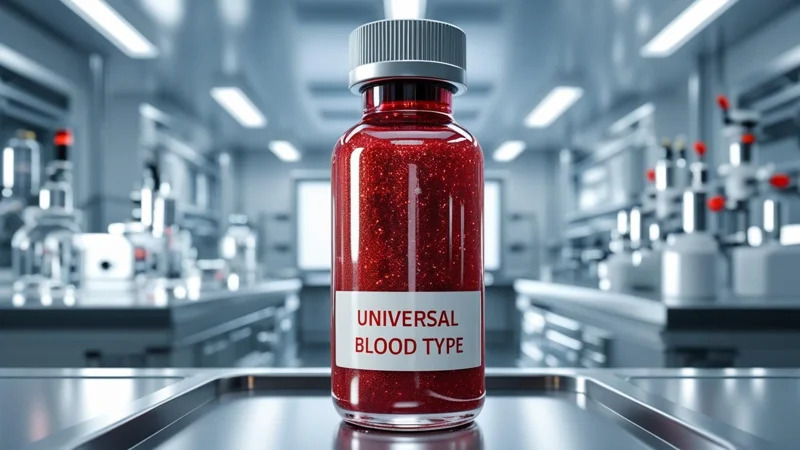
When news broke that Japanese scientists had successfully developed artificial blood compatible with all blood types, the world took notice. This breakthrough in medical science could solve one of the most significant challenges facing healthcare systems today: the shortage of blood supplies. The synthetic blood, which can be stored for up to two years at room temperature, promises to revolutionize transfusions, particularly in regions where blood donations are scarce or limited.
Developed by a team of researchers at Nara Medical University under the leadership of Dr. Hiromi Sakai, this artificial blood could have a far-reaching impact on both developed and low-income countries, where the demand for blood often exceeds the supply. This revolutionary discovery is not just about saving lives today, but ensuring that blood transfusions can become more reliable, accessible, and safe in the future.
What is Artificial Blood?
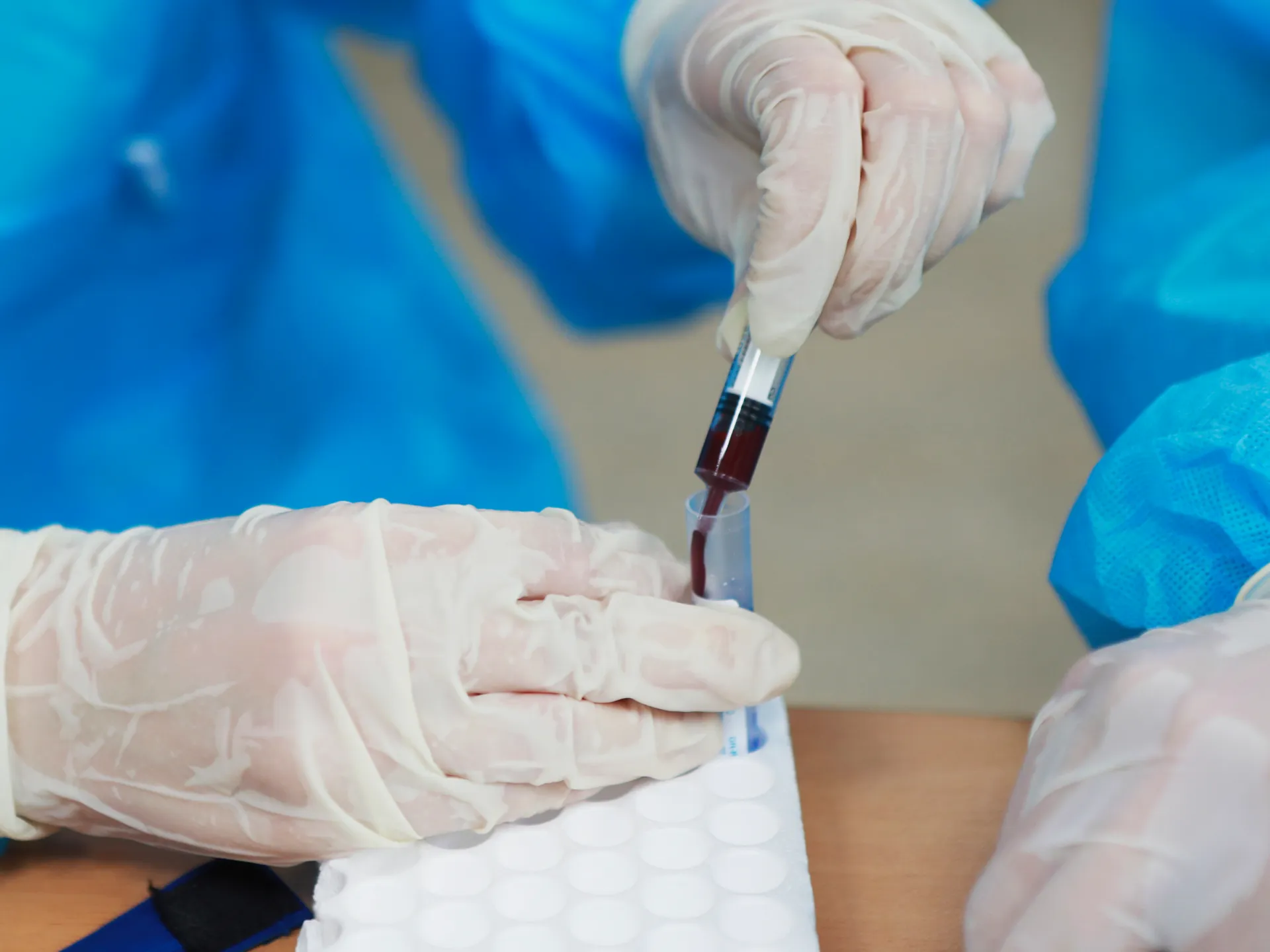
Artificial blood is a synthetic substitute designed to mimic the properties of natural human blood, specifically the function of red blood cells in transporting oxygen throughout the body. Traditional blood transfusions rely on donated blood, which has a limited shelf life and is not always readily available in emergencies or natural disasters. In contrast, artificial blood can be manufactured, stored, and transported for much longer periods, offering a viable alternative for transfusions in urgent situations.
The artificial blood developed by Sakai and his team is made by extracting hemoglobin from expired donor blood. Hemoglobin, the iron-containing protein found in red blood cells, is the key element responsible for oxygen transport. The hemoglobin is then encapsulated in a protective shell to create stable, virus-free red blood cells. This new type of synthetic blood can be used in patients of any blood type, eliminating the need for compatibility testing, which is crucial in traditional transfusions.
The Development Process
The development of artificial blood has been a long-standing challenge for scientists. The process involves not only creating a substance that can safely mimic the function of blood but also ensuring that it is stable, does not carry viruses or contaminants, and can be stored for extended periods without deteriorating. Japan’s successful venture into this field was not instantaneous; it followed years of research and testing, including small-scale trials that began in 2022.
In these trials, healthy male volunteers were administered artificial oxygen carriers—hemoglobin vesicles designed to mimic the structure of red blood cells. These trials were conducted in increasing amounts, up to 100 milliliters. The results were promising, with only mild side effects observed and no significant changes to vital signs like blood pressure. This success set the stage for further testing and refinement of the technology.
How It Works and What Makes It Unique
The uniqueness of this artificial blood lies in its ability to function without the need for blood type compatibility. Traditional blood transfusions require careful matching of donor and recipient blood types to avoid dangerous immune reactions. With this new synthetic blood, that step is completely eliminated, making it a universal solution for blood transfusions.
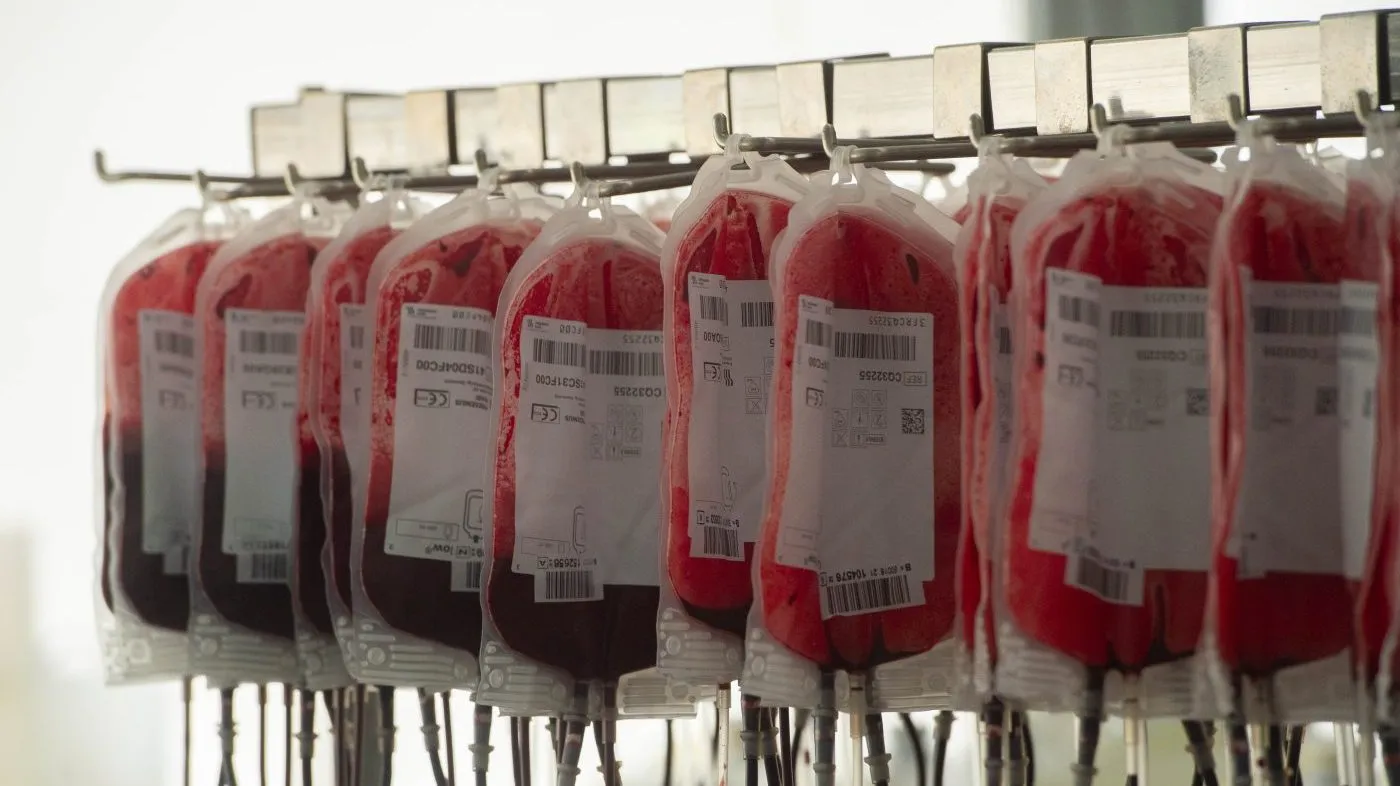
The artificial blood can reportedly be stored at room temperature for up to two years and refrigerated for up to five years—far surpassing the storage limitations of natural blood. Donated blood, even when refrigerated, can only be kept for a maximum of 42 days, after which it must be discarded. This extended shelf life could prove invaluable in emergency situations or in regions with inadequate blood donation infrastructure.
Moreover, the artificial blood can be manufactured on a large scale, offering a stable supply for hospitals, especially in areas facing chronic shortages or during crises like natural disasters or pandemics. This could revolutionize not only the medical field but also humanitarian efforts worldwide.
Clinical Trials and Future Prospects
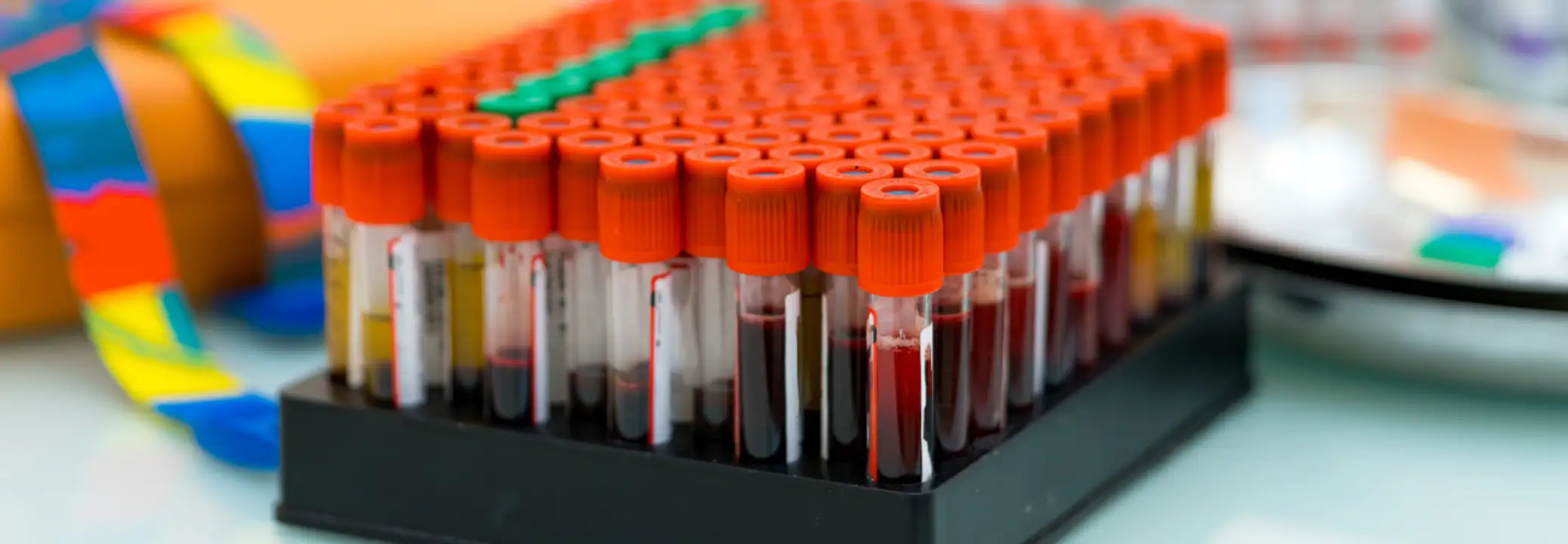
Since 2022, small-scale clinical trials have demonstrated the potential of the artificial blood. Researchers began by administering the artificial blood to groups of volunteers in a controlled environment, with doses ranging from 50 to 100 milliliters. While mild side effects were reported, such as temporary discomfort or minor allergic reactions, the trials showed that the synthetic blood was largely well-tolerated.
The research team, led by Dr. Sakai, plans to scale up the trials and focus on the blood’s long-term efficacy and safety. The goal is to bring this artificial blood to practical use by 2030. As of now, the development team is optimistic about the future and anticipates that more widespread trials will soon begin.
In addition to improving blood transfusions, this technology has the potential to be used in various medical applications, including surgeries, trauma care, and the treatment of conditions that require rapid blood replenishment, such as hemorrhage and anemia. Researchers are also exploring how artificial blood could support patients with chronic conditions who regularly require blood transfusions.
A Global Need for Blood Alternatives
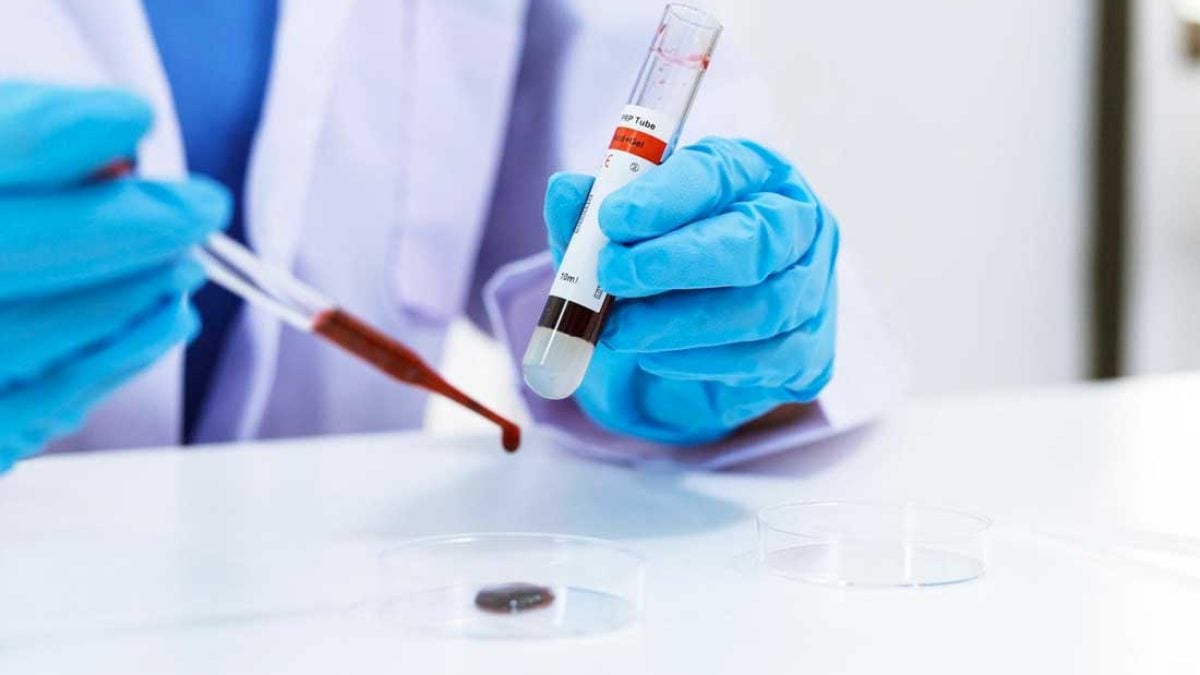
The need for alternatives to traditional blood transfusions is especially critical in low- and middle-income countries (LMICs). In these regions, the infrastructure for blood collection, testing, and storage is often insufficient, leading to frequent shortages and unreliable supplies. Furthermore, the shelf life of donated blood and the complexity of blood matching contribute to delays and complications.
By providing a more stable, long-lasting solution, this artificial blood could revolutionize the way healthcare systems in LMICs handle blood transfusions. With the ability to store and transport the synthetic blood for extended periods, it could become a lifeline for hospitals and clinics struggling with the challenges of blood shortages.
Even in wealthier countries, the discovery of artificial blood represents a major step forward. The cost of blood donations, the logistics of blood drives, and the potential for contamination or mismatches are all challenges that could be alleviated with a synthetic solution. The development of this blood offers a viable alternative that could make transfusions safer, more accessible, and more efficient.
Challenges and Ethical Considerations
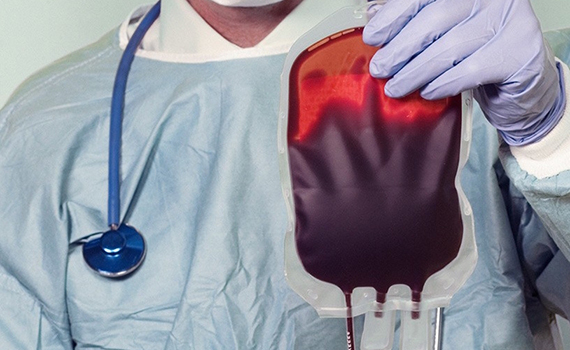
As with any groundbreaking medical development, there are challenges and ethical considerations to address. One major concern is the potential for synthetic blood to disrupt existing donation systems. Blood donations are a critical part of healthcare infrastructure, and many organizations rely on donations to meet patient needs. The introduction of artificial blood raises questions about the future role of blood donation and whether it will undermine public trust in voluntary blood donations.
There are also concerns about the long-term effects of using synthetic blood in patients. While early trials have shown promise, the long-term health implications of using artificial blood are still unknown. Researchers are continuing to study the potential side effects and the overall safety of synthetic blood in various clinical scenarios.
Ethical Implications for the Future of Medicine
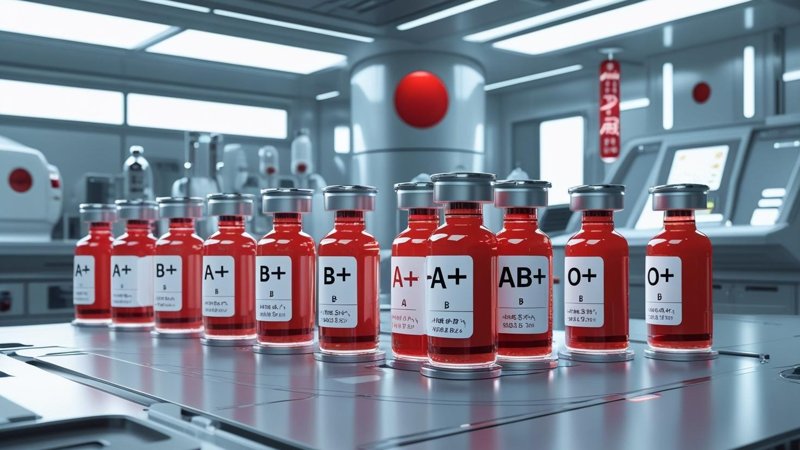
The introduction of artificial blood also raises ethical questions about the future of healthcare. On one hand, the synthetic blood could save lives, reduce the strain on donation systems, and make blood transfusions more widely available. On the other hand, there is the question of whether synthetic blood could ever truly replace natural blood. As with all new medical technologies, there are risks and benefits that must be carefully weighed.
In addition, the commercialization of artificial blood raises concerns about accessibility and equity. While synthetic blood could be a game-changer for hospitals and clinics in wealthy nations, it is crucial that efforts are made to ensure that it is accessible to underserved populations as well. Global healthcare organizations and policymakers must work together to ensure that this technology benefits people around the world, particularly those in regions where blood transfusions are still a major challenge.
A New Era in Medical Innovation
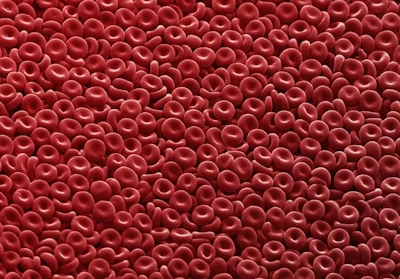
As Japan’s breakthrough in artificial blood continues to gain attention, it’s clear that this technology could have a profound impact on the future of medicine. Not only does it offer a solution to the global blood shortage, but it also paves the way for safer, more efficient blood transfusions that could save countless lives.
With continued research, clinical trials, and ethical considerations, the artificial blood developed by Dr. Hiromi Sakai and his team represents a new era in medical innovation. As the world looks ahead to the potential for widespread use of synthetic blood, there is hope that this breakthrough will make a lasting difference in the lives of patients worldwide, providing them with the life-saving treatment they need, no matter where they are.