
Table of Contents
- The Growing Concern Over Medicaid Fraud
- JD Vance and Trump’s Perspective
- How Will This Move Affect Minnesota?
- Is Suspending Medicaid Legal?
- The Broader Impact on Medicaid Policy in the U.S.
- What’s at Stake for Minnesota’s Healthcare System?
- Moving Forward: What Solutions Are on the Table for Medicaid Fraud?
- A Turning Point for Medicaid and Healthcare in America
The Growing Concern Over Medicaid Fraud
Medicaid, the government-run health insurance program that provides coverage for low-income individuals, has long been a target of fraud. Fraudulent activities in Medicaid programs can include billing for services not provided, falsifying patient information, and misusing government funds. While Medicaid fraud is a nationwide issue, individual states have taken varying approaches to address and prevent it.
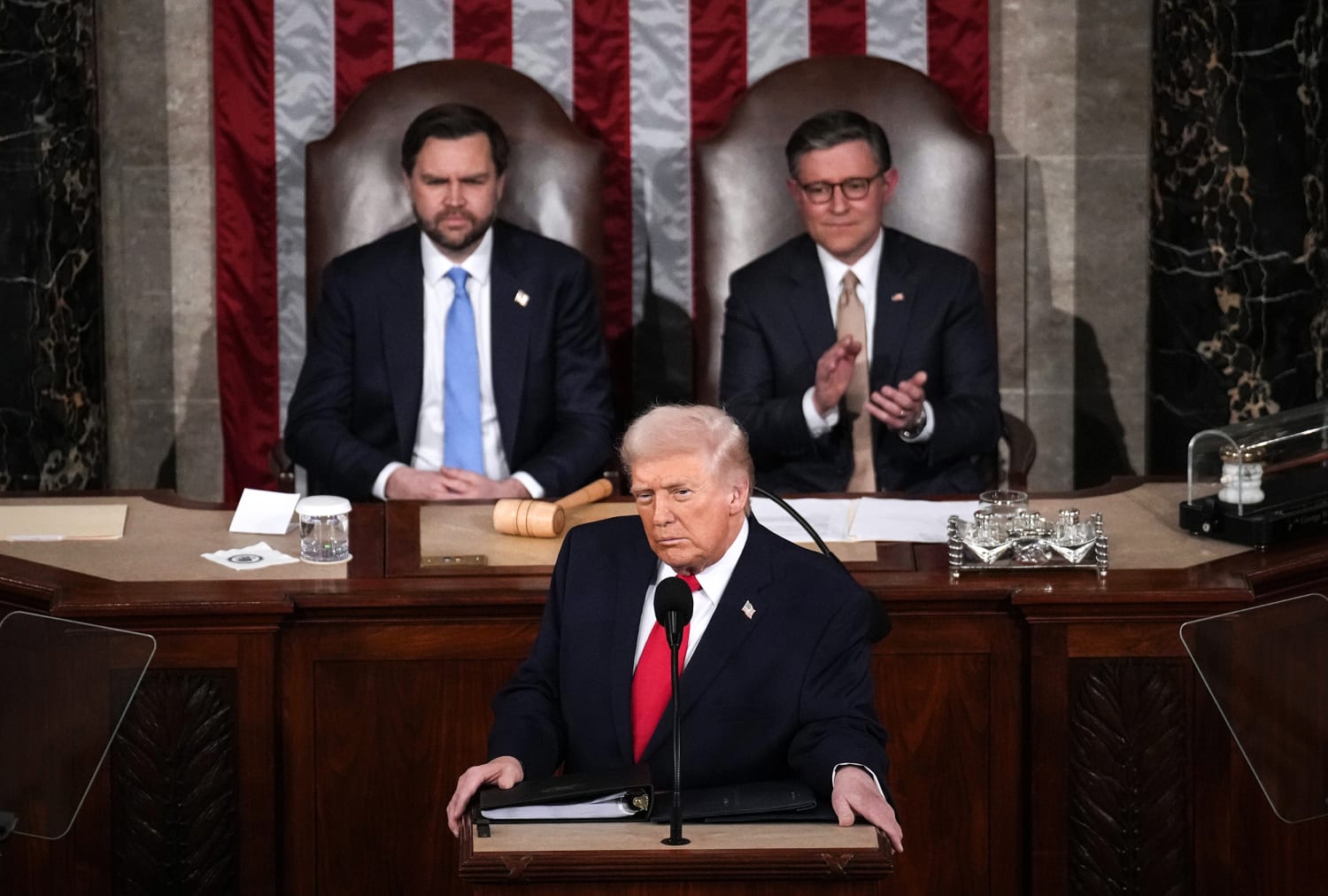
In Minnesota, concerns over Medicaid fraud have grown in recent years, with some high-profile cases highlighting significant issues in the state’s system. State officials have reported that fraudulent billing practices have cost the state millions of dollars, prompting the need for stronger enforcement measures. Both Vance and Trump have cited these issues as justification for their calls to suspend Medicaid payments in Minnesota, arguing that it is essential to address fraud before any further harm is done to the program’s integrity.
JD Vance and Trump’s Perspective
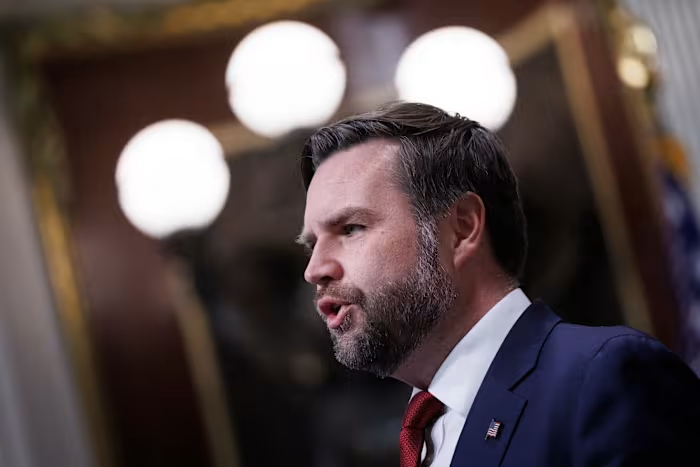
Senator JD Vance has been a vocal advocate for cracking down on government waste, and his stance on Medicaid fraud aligns with his broader efforts to hold states accountable for the proper use of taxpayer dollars. Vance has argued that suspending Medicaid payments in Minnesota would send a strong message that fraud will not be tolerated and that states must take serious action to prevent misuse of the system.
Donald Trump, who has long positioned himself as a champion of fiscal conservatism, has lent his support to Vance’s push. During his time in office, Trump emphasized the importance of reducing government spending and increasing oversight of federal programs, including Medicaid. His endorsement of the suspension of Medicaid payments in Minnesota adds a layer of political weight to the effort, signaling that this issue is not just a state concern but a national one that demands attention.
For both Vance and Trump, the suspension of Medicaid payments is a means to an end: curbing fraud and ensuring that Medicaid funds are used for their intended purpose—providing healthcare to those who need it most. However, critics of the proposal argue that suspending Medicaid payments could have serious unintended consequences, particularly for low-income families who rely on the program for essential health services.
How Will This Move Affect Minnesota?
The proposed suspension of Medicaid payments in Minnesota has sparked a heated political debate. Minnesota’s political leaders, including Governor Tim Walz and several Democratic lawmakers, have criticized the idea, arguing that it unfairly punishes vulnerable citizens who rely on Medicaid for healthcare. They contend that while fraud is a serious issue, the solution should not involve penalizing the very individuals who are most in need of support.
Opponents of the proposal have also raised concerns about the potential disruption to healthcare services in Minnesota. Medicaid provides health coverage for a significant portion of the state’s population, including low-income families, children, and the elderly. A suspension of payments could jeopardize access to critical healthcare services, leading to greater challenges for those who already face financial barriers to obtaining care.
Moreover, critics argue that the proposal is more about scoring political points than addressing the root causes of Medicaid fraud. They believe that a more effective approach would involve targeted investigations and reforms to improve oversight of the Medicaid system without resorting to drastic measures that could harm vulnerable citizens.
Is Suspending Medicaid Legal?
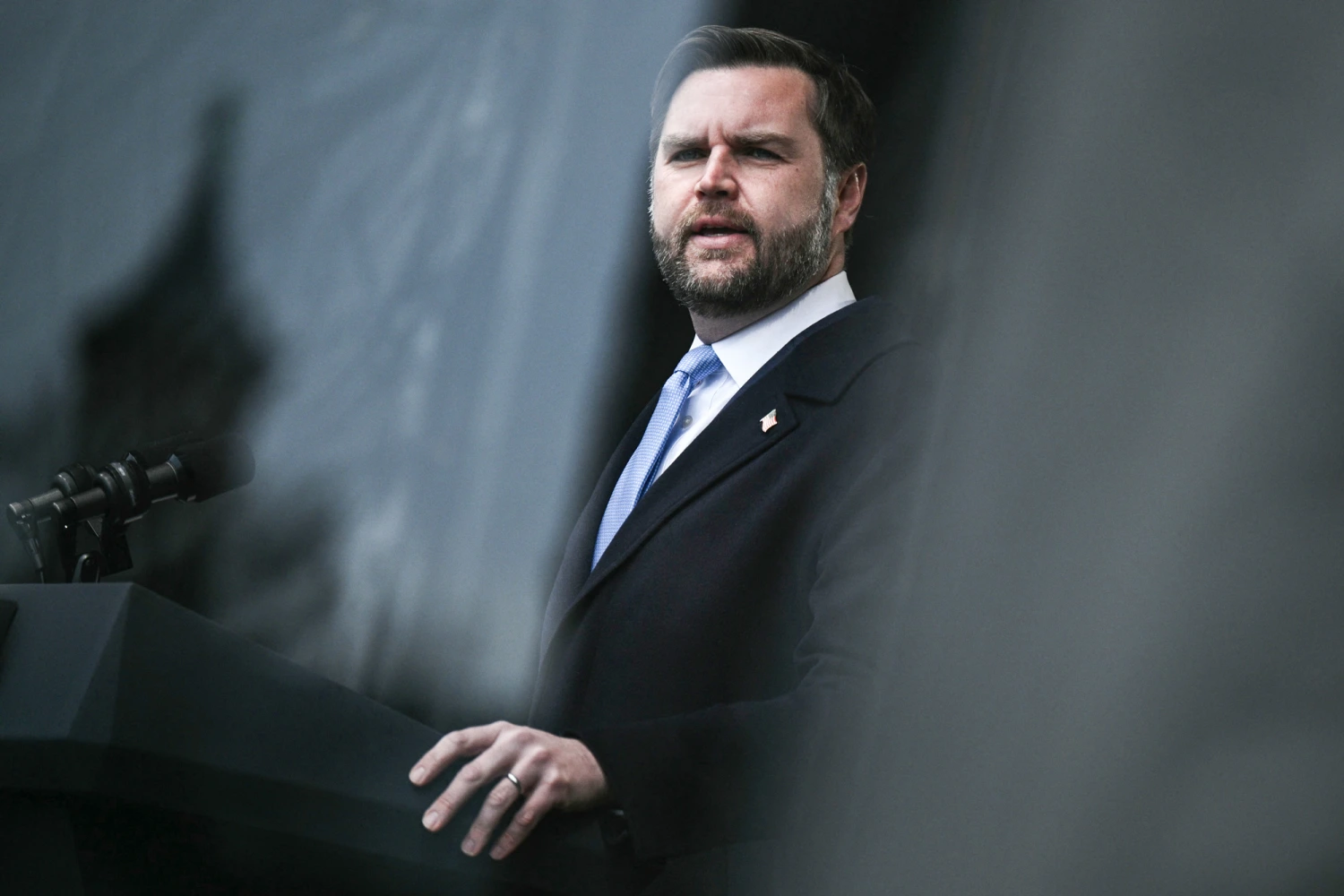
While the political ramifications of suspending Medicaid payments in Minnesota are clear, there are also significant legal and ethical questions surrounding the proposal. Medicaid is a joint federal-state program, meaning that both the state and federal governments share responsibility for its administration and funding. As such, any attempt to suspend payments would require careful consideration of both state and federal laws, as well as the legal framework that governs the program.
From a legal perspective, suspending Medicaid payments could face significant hurdles. It would likely require approval from both state and federal authorities, as well as legal challenges from advocacy groups and individuals who argue that it infringes upon their rights to access necessary healthcare services. Legal experts have suggested that any attempt to suspend payments could be met with lawsuits, potentially delaying or preventing the policy from being implemented.
Ethically, the proposal raises questions about fairness and the potential harm caused to innocent individuals who are not involved in fraudulent activities. While it is clear that fraud within the Medicaid system needs to be addressed, many argue that suspending payments would unfairly punish those who rely on the program for their health needs. A more balanced approach, according to critics, would involve stronger enforcement measures and investigations aimed at identifying and eliminating fraud without disrupting access to healthcare for vulnerable populations.
The Broader Impact on Medicaid Policy in the U.S.
The push for suspending Medicaid payments in Minnesota is part of a larger conversation about Medicaid reform and fraud prevention at the national level. Medicaid fraud is a pervasive issue across the country, with estimates of fraudulent billing and mismanagement costing the U.S. billions of dollars each year. As the government works to combat fraud, lawmakers and policy experts are exploring a range of solutions, from enhanced oversight and audits to stricter penalties for fraudulent activities.
The Minnesota proposal, while controversial, could be a precursor to broader efforts to reform the Medicaid system nationwide. If successful, it could pave the way for similar actions in other states struggling with Medicaid fraud. However, the potential consequences of such sweeping measures—particularly for low-income families who rely on Medicaid for their healthcare—raise important ethical and practical questions about how best to address the issue of fraud without harming those in need.
What’s at Stake for Minnesota’s Healthcare System?

Economically, the proposed suspension of Medicaid payments in Minnesota could have far-reaching consequences for the state’s healthcare system. If Medicaid payments are suspended, healthcare providers who rely on Medicaid reimbursements to care for low-income patients could face significant financial strain. This could result in reduced access to care for vulnerable populations, as providers may be forced to scale back services or close their doors entirely.
The economic impact would also extend beyond the healthcare sector. Medicaid provides coverage for millions of Minnesotans, and any disruption in the program could lead to a rise in uninsured individuals. This could increase the burden on emergency rooms and other healthcare facilities, which would have to absorb the costs of treating uninsured patients.
Furthermore, the suspension of Medicaid payments could lead to increased healthcare costs for the state in the long term. Without access to preventative care and treatment, individuals who rely on Medicaid may experience worsening health conditions, leading to higher healthcare costs down the line. The overall economic impact of such a policy could be substantial, affecting not only the healthcare industry but also the broader economy.
Moving Forward: What Solutions Are on the Table for Medicaid Fraud?
While suspending Medicaid payments in Minnesota is a dramatic proposal, it is unlikely to be the final solution to the problem of Medicaid fraud. Experts agree that a more effective approach involves strengthening the Medicaid system’s oversight mechanisms, including better auditing processes, stricter penalties for fraud, and enhanced training for healthcare providers. These measures would help identify fraudulent activities without disrupting access to healthcare for millions of Americans.
Additionally, increasing transparency and accountability within the Medicaid program could help prevent fraud before it occurs. This could involve implementing more robust data-sharing systems between states and federal agencies to detect fraudulent claims quickly and efficiently.
Ultimately, the key to addressing Medicaid fraud lies in striking a balance between enforcing the law and ensuring that vulnerable populations continue to have access to the care they need. The Minnesota proposal has sparked a national conversation about the future of Medicaid, and it remains to be seen whether other states will follow suit or adopt alternative strategies to combat fraud.
A Turning Point for Medicaid and Healthcare in America
JD Vance and Donald Trump’s push for Medicaid suspension in Minnesota represents a bold, controversial step in addressing the issue of healthcare fraud. While the proposal has generated significant political debate, it also highlights the broader challenges facing the U.S. healthcare system. As policymakers grapple with how to prevent fraud without harming vulnerable citizens, the outcome of this initiative will likely shape the future of Medicaid policy in the U.S.
The push for Medicaid reform is not going away, and as the debate continues, it will be crucial to focus on solutions that balance the need for fraud prevention with the fundamental goal of providing healthcare to those who need it most. The outcome of the Medicaid suspension proposal in Minnesota could serve as a model for other states or as a cautionary tale for the challenges that come with implementing such drastic measures.