
Table of Contents
- JD Vance vs. Pope Leo XIV
- Pope Leo XIV’s Statements on War and Peace
- Vance’s Remarks and the Backlash
- The Intersection of Religion and Politics
- JD Vance’s Catholic Faith and Political Identity
- The Role of Religious Leaders in Political Discourse
- Donald Trump’s Criticism of Pope Leo XIV
- The Heckler’s Disruption: A Symbol of Rising Tensions
- Vance’s Reflections on the Role of Religious Leaders
- The Future of Religious Influence in Politics
- Conclusion: A Growing Divide Between Religion and Politics
JD Vance vs. Pope Leo XIV
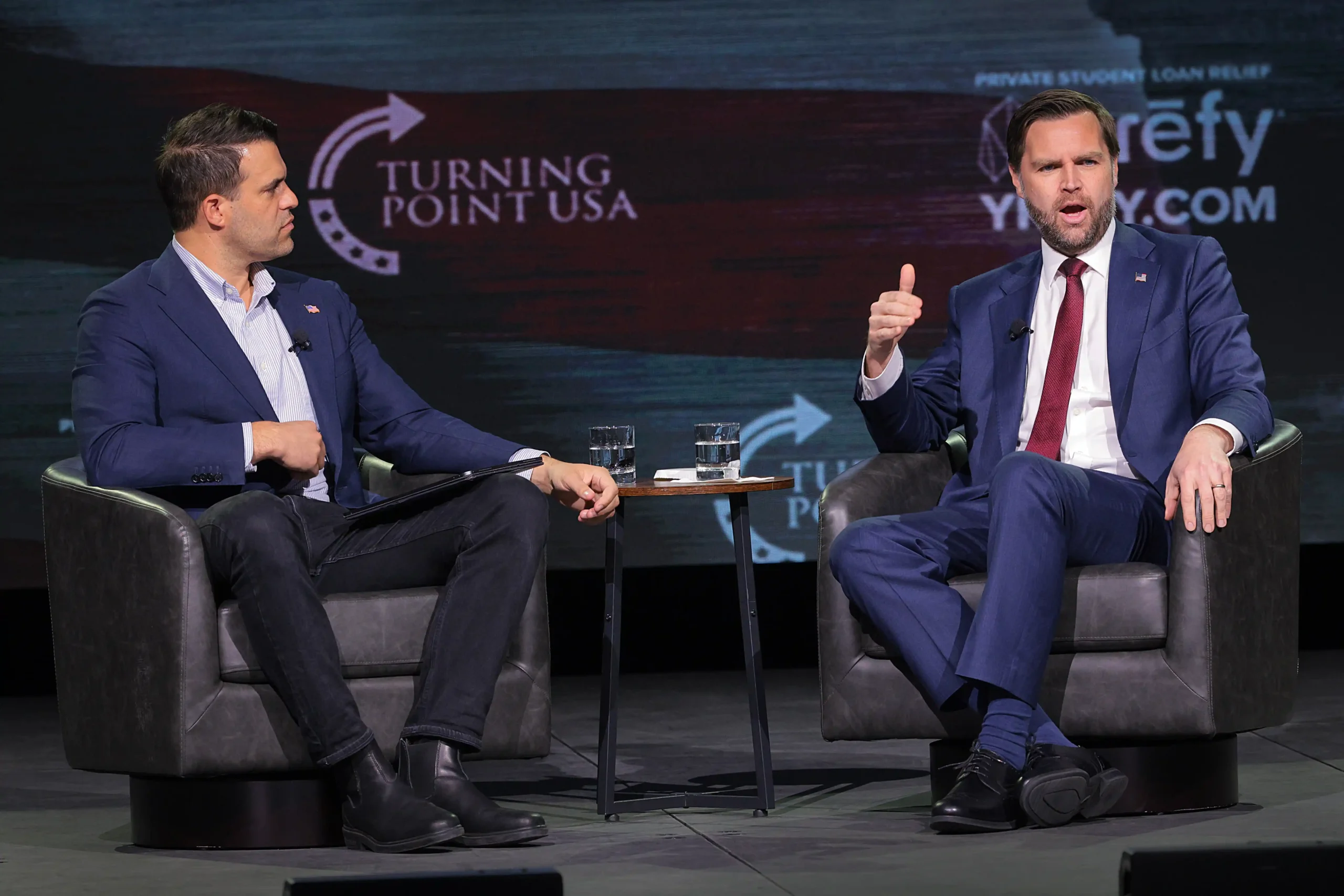
During a Turning Point USA event in Athens, Georgia, on April 14, 2026, Vice President JD Vance stirred controversy by commenting on Pope Leo XIV’s recent remarks about war and peace. Vance, who converted to Catholicism later in life, suggested that the Pope should “be careful when he talks about matters of theology,” sparking immediate backlash from the audience and drawing attention to the broader issue of the role of religious figures in politics. This remark came in the wake of Pope Leo XIV’s statements criticizing U.S. military action and emphasizing peace, which had been challenged by former President Donald Trump. The encounter between Vance and the heckler highlights the deep divisions surrounding the intersection of religion and politics, especially in the context of the ongoing Iran conflict.
Pope Leo XIV’s Statements on War and Peace
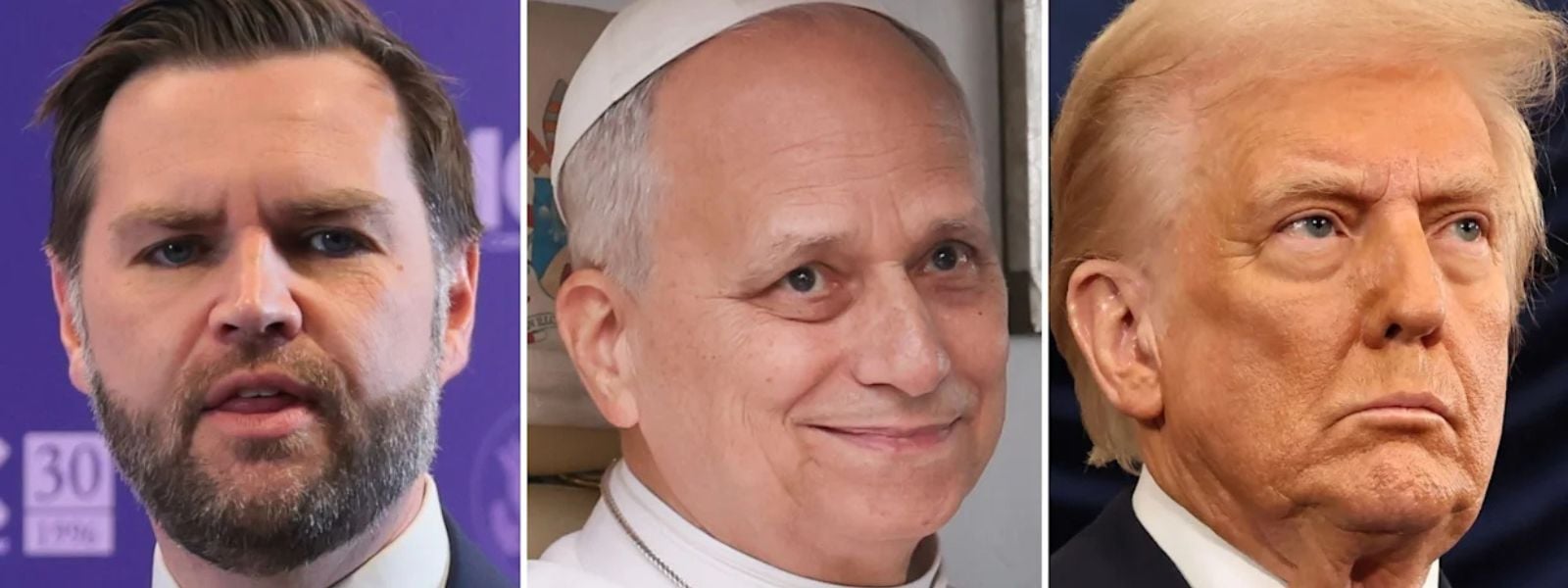
Pope Leo XIV’s remarks on war have garnered significant attention. On April 10, 2026, the Pope posted on his social media account that “God does not bless any conflict” and that true peace comes from dialogue rather than military force. His comments came amid rising tensions related to the Iran war, where the Pope’s call for peace stood in stark contrast to the more hawkish positions held by some political figures in the U.S. These words, which urged nations to seek peaceful solutions, were quickly criticized by Trump, who accused the Pope of being “weak” on international policy.
Vance’s Remarks and the Backlash
JD Vance, addressing the crowd at the event, asserted that Pope Leo XIV should be cautious when discussing matters of theology, especially in the political realm. Vance argued that while religious leaders are free to voice their opinions, they should not overstep when it comes to political decisions, particularly those involving national security. Vance’s criticism of the Pope, a leader of one of the world’s most influential religious institutions, drew sharp reactions from the audience, including a heckler who interrupted his speech with a shout, “Jesus Christ does not support genocide!” Vance briefly acknowledged the comment before continuing with his remarks. This exchange reflected the tension between religious authority and political leadership, especially in the context of global conflicts.
The Intersection of Religion and Politics
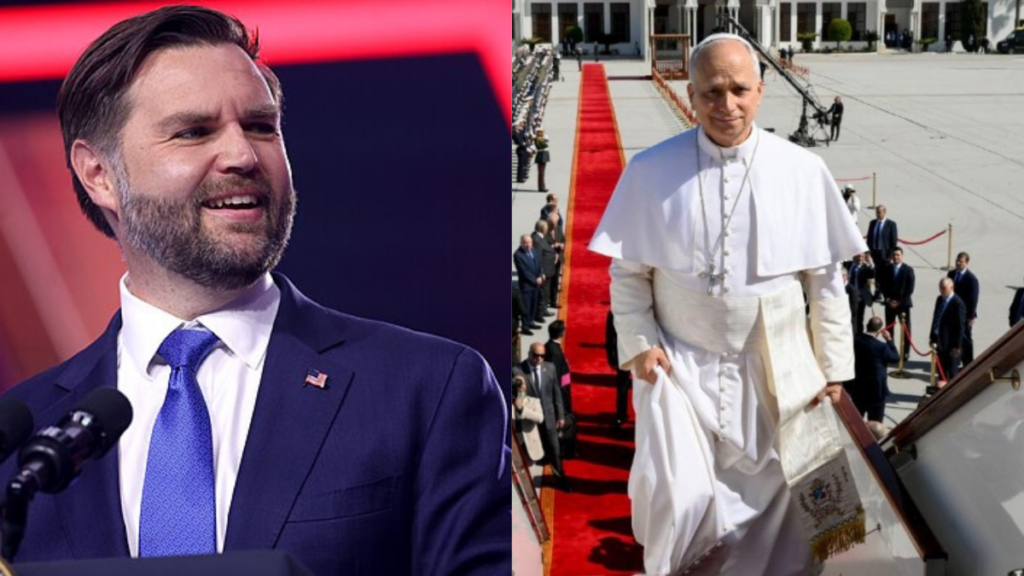
The tension between religious leaders and political figures has been a long-standing issue. Religious figures often carry significant moral authority, while politicians are tasked with making decisions that directly impact national and international security. Pope Leo XIV’s statement on military conflict challenged the political status quo, especially at a time when military actions are deeply entwined with U.S. foreign policy. Vance’s remark that the Pope should tread carefully on theological matters underscores the complex relationship between the church and political governance. As both entities wield considerable influence, their interactions often lead to public debates on the boundaries of moral guidance versus practical politics.
JD Vance’s Catholic Faith and Political Identity
Vance’s conversion to Catholicism has added layers to his political persona. His comments about Pope Leo XIV may be seen as an attempt to align his political stance with the values of his faith, but they also reveal the tension many Catholics experience when navigating the line between religious belief and political action. As a practicing Catholic, Vance may find himself caught between the Pope’s moral teachings and the policies required of him in his political role. His statement at the Turning Point USA event was likely an attempt to reconcile these two worlds, though it ended up exacerbating the ongoing debate about the role of faith in public life.
The Role of Religious Leaders in Political Discourse
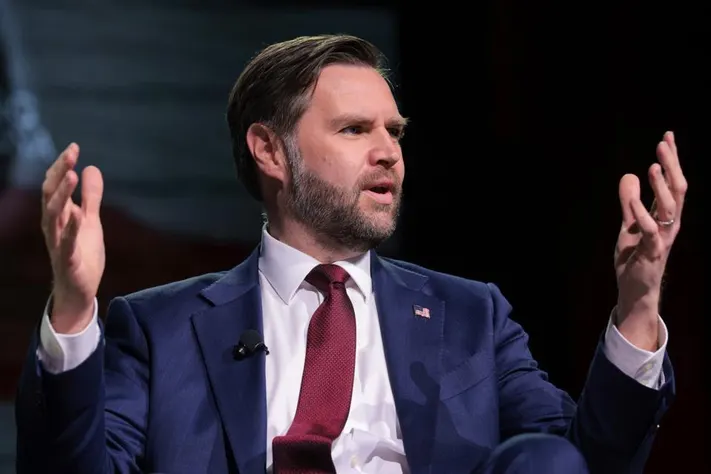
Religious leaders have historically played an influential role in shaping political discourse, particularly on issues like war, peace, and social justice. The Pope’s comments about peace and military action reflect the Catholic Church’s longstanding emphasis on promoting diplomacy and non-violence. However, the intrusion of religious figures into political matters often invites criticism from politicians who argue that such leaders overstep their bounds. Vance’s criticism of the Pope’s theological assertions is a reminder that the intersection of religion and politics remains contentious. This ongoing debate raises questions about the extent to which religious leaders should influence political decision-making and whether their moral authority should extend into policy issues.
Donald Trump’s Criticism of Pope Leo XIV
Former President Donald Trump has never been shy about voicing his opinions on global politics, and his recent criticism of Pope Leo XIV adds another chapter to the ongoing political feud. On April 12, 2026, Trump posted on his social media account that the Pope was “weak on crime” and criticized him for opposing U.S. military interventions, particularly in Venezuela and Iran. Trump’s accusations highlighted the diverging political views between the religious leader and the former president, reflecting broader ideological divisions within the political landscape. This public back-and-forth between a religious leader and a former U.S. president has sparked a wider conversation about the influence of the church on foreign policy and national security decisions.
The Heckler’s Disruption: A Symbol of Rising Tensions
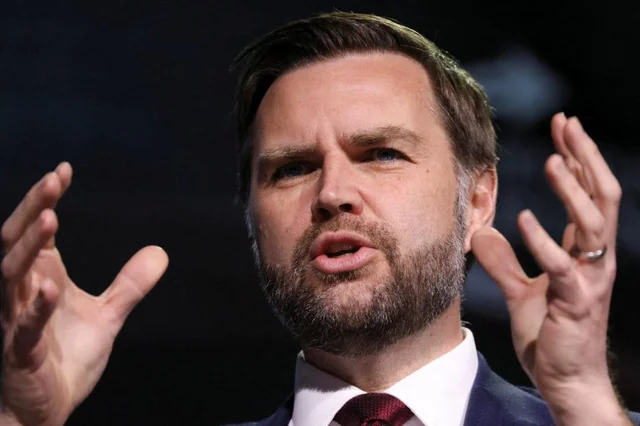
During Vance’s speech, the heckler’s interruption served as a dramatic moment that encapsulated the larger tensions surrounding the Pope’s influence and the political ramifications of his statements. The heckler’s shout—“Jesus Christ does not support genocide”—was a direct challenge to the rhetoric surrounding military action, particularly in the context of the Iran conflict. While Vance tried to steer the conversation back to his point about theological caution, the heckler’s outburst highlighted the deep emotions and moral convictions that people hold when it comes to matters of war and peace. This incident reflects the growing divisions within the U.S. on how to balance religious teachings with political decisions.
Vance’s Reflections on the Role of Religious Leaders

Despite the interruptions, Vance made an important point regarding the role of religious leaders in the public sphere. While he acknowledged the Pope’s right to speak on moral issues, he suggested that religious leaders should be careful when delving into political matters, especially when those issues involve national security and military action. Vance’s comments were a call for respect for the separation of powers between religious and political spheres. This sentiment echoed his earlier appearance on Fox News, where he suggested that the Vatican should focus on morality and leave public policy decisions to elected officials. This idea, however, was met with mixed reactions, particularly from those who feel that religious leaders have a duty to speak out on global issues, especially those impacting human rights and justice.
The Future of Religious Influence in Politics

The ongoing tension between Pope Leo XIV and political figures like Trump and Vance raises important questions about the future of religious influence in politics. As religious figures continue to wield significant moral authority, their statements on issues like war, peace, and human rights will likely continue to spark controversy. The growing division between religious leaders and political figures reflects the challenges of navigating moral authority in an increasingly polarized world. As religious leaders speak out on issues of global significance, the question remains: to what extent should they shape public policy, and when should they step back and let political leaders govern?
Conclusion: A Growing Divide Between Religion and Politics
JD Vance’s comments about Pope Leo XIV serve as a microcosm of the broader struggle between religion and politics. As religious leaders continue to speak out on matters of global importance, political figures will likely continue to challenge their involvement in political discourse. Vance’s remarks, and the resulting heckling, illustrate the growing divide between those who believe religious authority should guide political decisions and those who argue for a clear separation between faith and policy. This ongoing debate will continue to shape political conversations in the years to come, as the influence of religious leaders in global affairs remains a topic of intense discussion.