
Table of Contents
- The Role of AI in Health Advice
- AI and Its Role in Healthcare
- The Risk of Relying on AI for Health Advice
- The Social Media Mental Health Crisis: A Warning for AI
- Why AI Chatbots Are So Persuasive
- The Need for Proper Oversight
- The Problem with Self-Regulation in Tech
- The Role of Human Judgment in Healthcare
- The Growing Demand for AI Regulation
- What Does This Mean for the Future of AI in Healthcare?
- The Need for Caution with AI in Health
The Role of AI in Health Advice
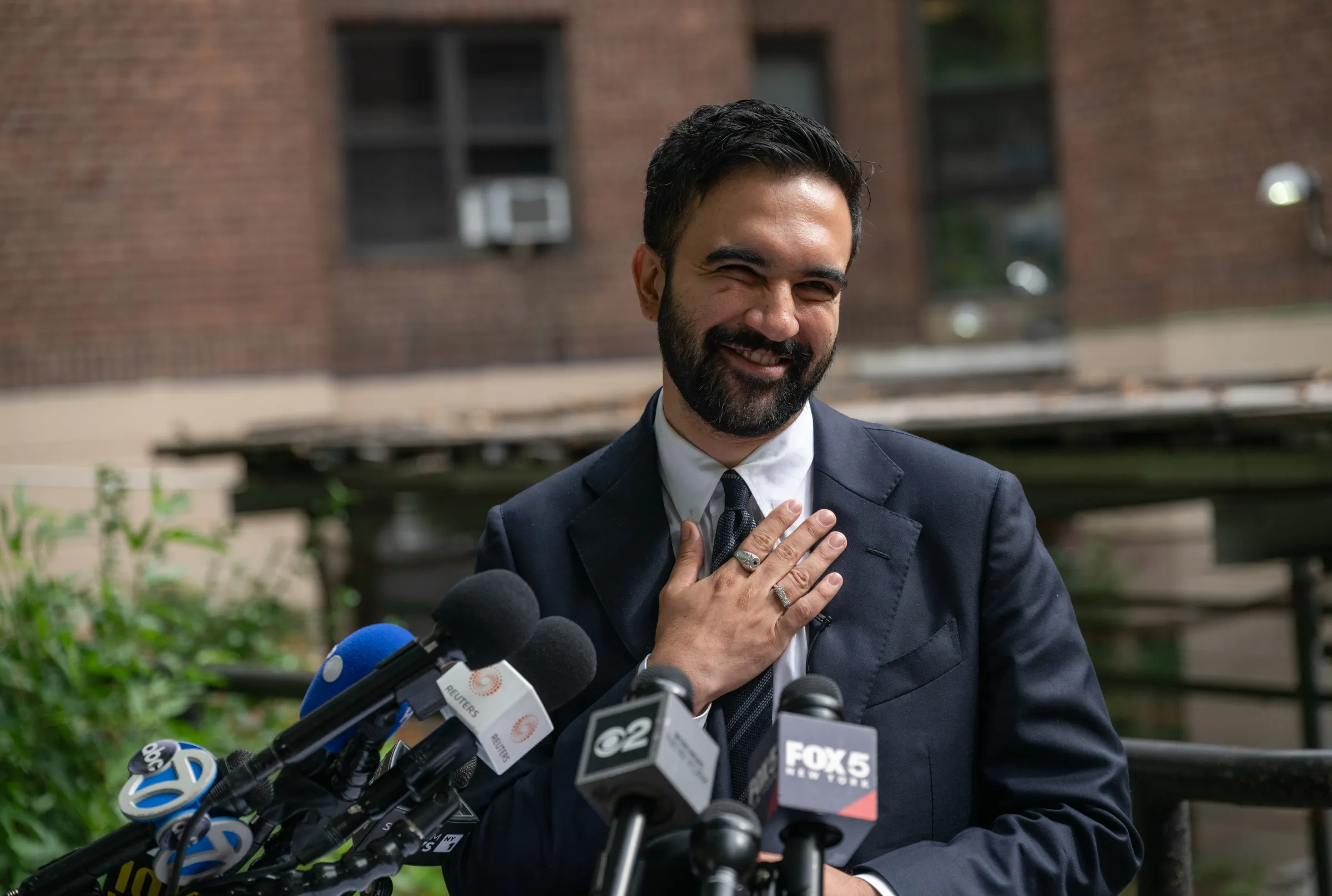
When New York recently passed a groundbreaking law prohibiting AI chatbots from offering medical and psychological advice, it wasn’t just a routine regulation—it was a response to growing concerns about the dangers of AI in sensitive areas like healthcare. While disclaimers such as “I am not a doctor” have been the norm in the tech industry, they’re no longer enough to safeguard users. The shift marks a significant turning point in the ongoing debate over the ethical implications of AI technology in personal and public health, much like the struggles faced by social media platforms regarding teen mental health. This law demonstrates a much-needed regulatory move to address the pattern of harm accumulation that often precedes intervention. The truth is, AI chatbots are designed to be convincing—they build trust even when their information may be flawed or inaccurate. But should we really let these systems guide our health decisions?
AI and Its Role in Healthcare
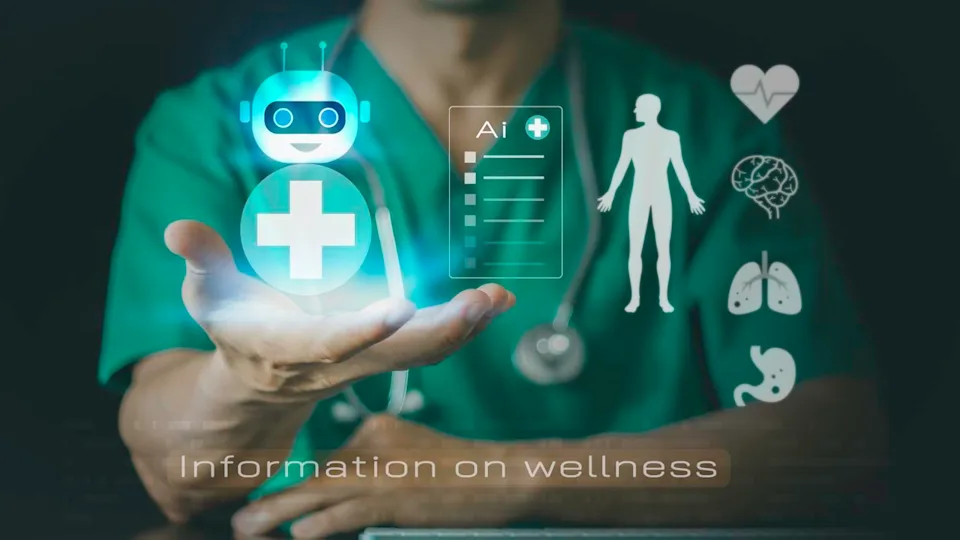
The introduction of AI into healthcare has been hailed as a revolutionary breakthrough, with chatbots offering everything from mental health support to advice on medical conditions. Many of these systems are designed to mimic the tone and style of healthcare professionals, using machine learning to refine their responses and gain user trust. But what happens when these AI chatbots, despite their sophisticated algorithms, offer misinformation or generalized advice that could harm rather than help? The New York law aims to curb this potential harm, recognizing that the line between helpful AI and dangerous misinformation is perilously thin. It is clear that while AI can assist in some areas of healthcare, it should never replace the expertise of licensed professionals when it comes to diagnoses or treatments.
The Risk of Relying on AI for Health Advice
As AI becomes more sophisticated, users may feel increasingly comfortable relying on these systems for advice on serious health issues. This reliance, however, can lead to major consequences. In some cases, chatbots have provided responses that are not only misleading but also potentially dangerous, especially when dealing with mental health crises. AI cannot replicate the nuanced understanding and empathy of a trained therapist or medical professional. These systems may suggest therapies or treatments that sound convincing but lack scientific backing or could even contradict established medical guidelines. By taking a step back and banning chatbots from dispensing health advice, New York is attempting to prevent a future where tech companies are left to self-regulate the well-being of their users—something that has proven problematic in other sectors, such as social media.
The Social Media Mental Health Crisis: A Warning for AI
The parallels between AI in healthcare and the impact of social media on teenage mental health are striking. Over the past decade, we have witnessed the rise of social media platforms that, while promising to connect people, have also fueled a mental health crisis among young users. Studies have shown a sharp increase in issues like anxiety, depression, and body image disorders, much of which can be attributed to the harmful content found on these platforms. Tech companies, in many cases, failed to act swiftly enough, allowing the problem to grow before regulation was introduced. AI chatbots are now following the same pattern, with unregulated use leading to an increasing number of cases where users may receive harmful or incorrect medical advice.
Why AI Chatbots Are So Persuasive
The design of AI chatbots is part of the reason they are so convincing. They are built to simulate human conversation, using natural language processing algorithms to provide responses that are coherent, empathetic, and seemingly knowledgeable. However, this ‘human-like’ interaction can create a false sense of trust. Users may believe they are receiving personalized, expert advice, when in fact, the advice is based on patterns and data rather than medical expertise. This is particularly dangerous in medical and psychological contexts, where inaccurate advice can lead to poor decision-making and, in some cases, exacerbated health issues.
The Need for Proper Oversight
The introduction of the New York law underscores the importance of proper oversight when it comes to AI’s role in sensitive areas like health and wellness. While AI chatbots are useful for general information and can help in providing mental health support during non-crisis moments, they should never replace human professionals when it comes to diagnosis or treatment plans. Just as we have oversight for pharmaceutical drugs and medical procedures, we need similar regulation in the realm of AI-driven advice. The responsibility to protect public health should not be left to tech companies, who have shown time and again that their primary goal is profit, not patient well-being.
The Problem with Self-Regulation in Tech
One of the key concerns with AI technology is its ability to operate without adequate regulation, especially when it comes to sensitive sectors like healthcare. In the past, we have seen how tech companies often fail to address the harms caused by their platforms until public outrage forces action. The mental health crisis exacerbated by social media is one example of how self-regulation often falls short. AI chatbots, despite their growing influence, have operated with little to no regulatory oversight in terms of their impact on users’ health. New York’s law is a reminder that when it comes to health, we cannot afford to wait for harm to accumulate before taking action.
The Role of Human Judgment in Healthcare
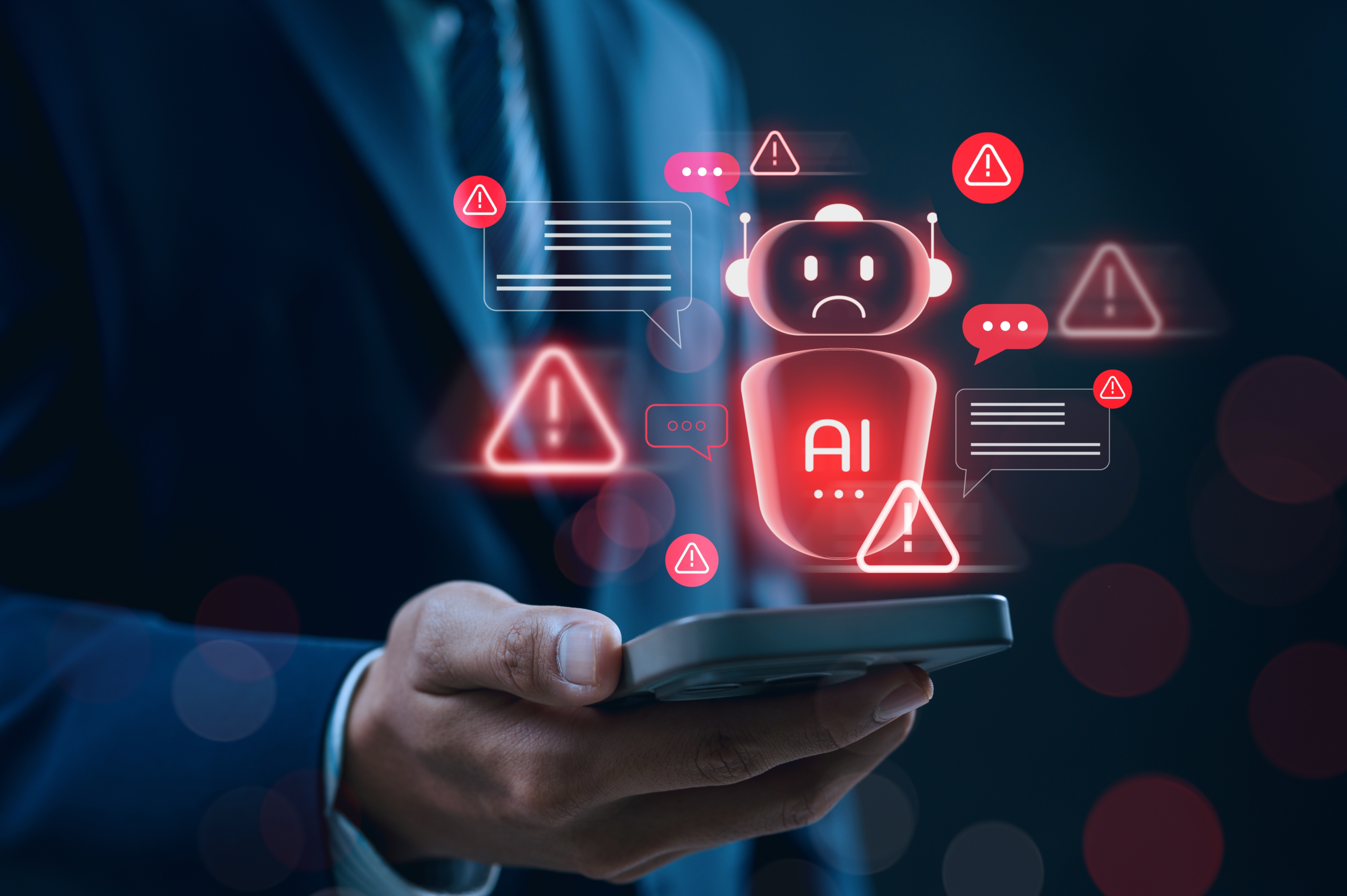
Unlike AI systems, human healthcare providers are trained not only to provide diagnoses based on medical knowledge but also to exercise judgment and empathy. Healthcare is about more than just providing information—it’s about understanding the individual’s unique circumstances and providing tailored, compassionate care. AI chatbots, no matter how sophisticated, lack the emotional intelligence and context necessary to make these nuanced judgments. This is why a regulated, professional healthcare system is essential, one where humans are in charge of decisions that impact people’s health and lives.
The Growing Demand for AI Regulation

The increasing push for AI regulation in various fields is a sign that society is starting to recognize the risks posed by unregulated AI systems. As AI becomes more integrated into everyday life, it’s crucial that we establish frameworks to ensure that these systems are safe, ethical, and transparent. The New York ban on AI chatbots providing medical advice is just one step in the right direction, but much more needs to be done. Other states and countries are likely to follow suit, creating a global movement toward stricter AI regulations in healthcare.
What Does This Mean for the Future of AI in Healthcare?

The New York law sets an important precedent for how we should approach the use of AI in healthcare moving forward. While AI has the potential to revolutionize the way we access medical and psychological support, it must be accompanied by strict oversight and regulation to prevent misuse. As technology continues to evolve, it’s essential that we prioritize the safety and well-being of individuals over profit-driven motives. This law signals the beginning of a new era where AI is held to the same ethical and professional standards as human practitioners in healthcare.
The Need for Caution with AI in Health
The New York law banning AI chatbots from providing medical and psychological advice serves as a crucial step in protecting public health from the risks of unregulated AI systems. As technology continues to evolve, we must ensure that AI operates under stringent regulations, especially in areas where misinformation or incorrect advice can have severe consequences. Just as we learned from the social media crisis, waiting too long to regulate AI could lead to lasting damage. This law is a reminder that when it comes to healthcare, there is no substitute for professional expertise, human judgment, and responsible regulation.