
Table of Contents
- The Hidden Dangers of Ultraprocessed Foods
- What Are Ultraprocessed Foods?
- How Ultraprocessed Foods Affect Your Muscles
- Fat Marbling: More Than Just a Cosmetic Concern
- The Link Between Diet and Knee Health
- Can Ultraprocessed Foods Be Avoided?
- The Impact of Exercise on Muscle Quality
- Why Muscles Matter More Than You Think
- What’s the Best Approach?
- Understanding the Science Behind Fat Infiltration in Muscles
- The Future of Our Health Is in Our Hands
The Hidden Dangers of Ultraprocessed Foods
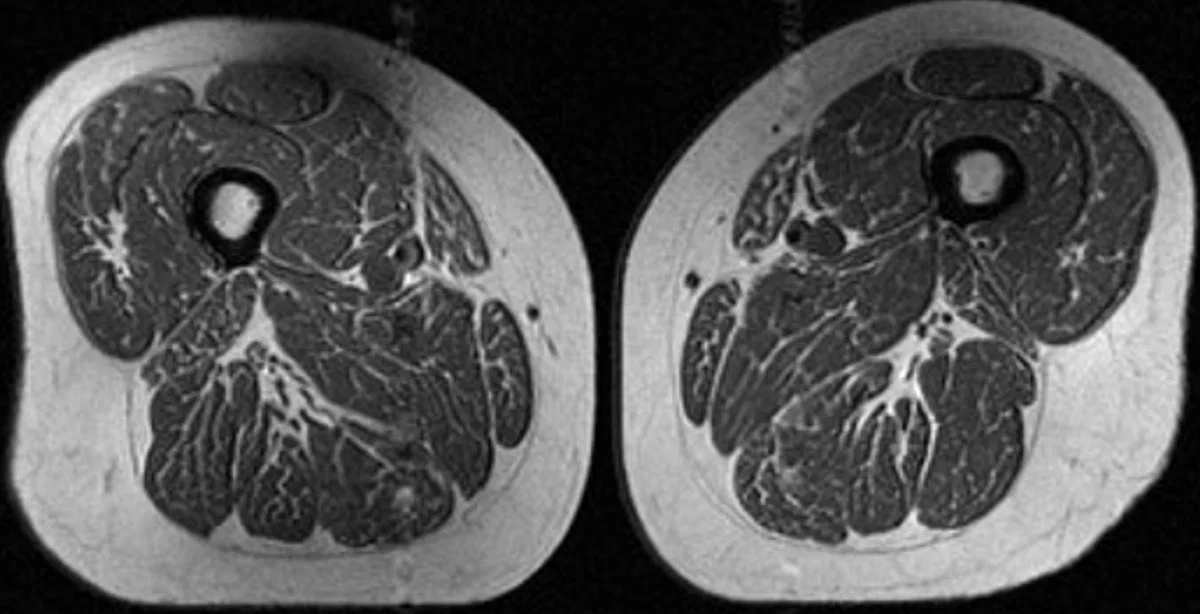
When a 62-year-old woman’s MRI scan revealed thigh muscles that looked eerily like a marbled steak, it wasn’t just the unusual appearance that caught attention, but what it signified. Her diet was a staggering 87% ultraprocessed foods. This image is more than just an oddity; it represents a disturbing trend in modern diets linked to severe health risks, especially in relation to muscle quality and joint health. This study is a wake-up call about the hidden consequences of ultraprocessed foods, showing that the effects go beyond weight gain and obesity.
Ultraprocessed foods, often associated with weight gain and chronic diseases, have long been scrutinized for their link to cancer, diabetes, and heart disease. But recent studies, including the one led by Dr. Zehra Akkaya, highlight another risk—fat marbling within muscles. The study found that diets high in ultraprocessed foods contribute to the infiltration of fat within muscle fibers, a condition that severely impacts muscle function and could even accelerate joint degeneration. So, what does this mean for those consuming these foods, and why should it matter to your health?
What Are Ultraprocessed Foods?

Ultraprocessed foods are items made with artificial ingredients, such as preservatives, sweeteners, and flavor enhancers, that you wouldn’t typically use in home cooking. Think of packaged snacks, sugary drinks, ready-made meals, and even some protein bars. These foods often make up a substantial portion of the average diet, particularly in the United States, where more than 50% of adults’ calories come from them. For children, this number jumps to 62%, signaling an alarming trend of diet dependency on convenience foods.
How Ultraprocessed Foods Affect Your Muscles
In the study published in Radiology, Dr. Akkaya and her team used MRI scans to analyze the muscle quality of participants at risk for knee osteoarthritis. The results were startling. A woman consuming 87% of her calories from ultraprocessed foods had significant fat infiltration in her thigh muscles. This fat wasn’t just sitting around the muscles—it was embedded between muscle fibers, making them weaker and less efficient. This phenomenon, referred to as “fat marbling,” is closely linked to muscle degeneration, which can compromise mobility and stability.
Fat Marbling: More Than Just a Cosmetic Concern

Fat marbling in muscles doesn’t just affect appearance—it weakens the muscles. Fat cells act as a barrier to muscle regeneration, preventing muscle fibers from properly repairing and growing. In the case of thigh muscles, which play a crucial role in stabilizing the knee joint, the impact is even more significant. Weakened muscles increase the stress placed on the knee joint, contributing to conditions like knee osteoarthritis (OA). This isn’t just a concern for older adults. More than half of new OA cases are now found in people under the age of 55, a troubling trend that experts attribute to rising obesity rates.
The Link Between Diet and Knee Health
Dr. Miriam Bredella, a radiologist at NYU Langone Health, emphasized that fat marbling isn’t localized to just the thighs. It’s a systemic issue. This process can affect various muscles in the body, including those in the calves, abdomen, and shoulders. Over time, decreased muscle strength and quality can lead to severe health problems. In hospital settings, muscle weakness increases recovery time and can worsen outcomes for patients undergoing surgery or battling chronic conditions like cancer. The presence of intramuscular fat is a serious indicator of future health risks, which makes understanding the connection between diet and muscle health vital for long-term well-being.
Can Ultraprocessed Foods Be Avoided?
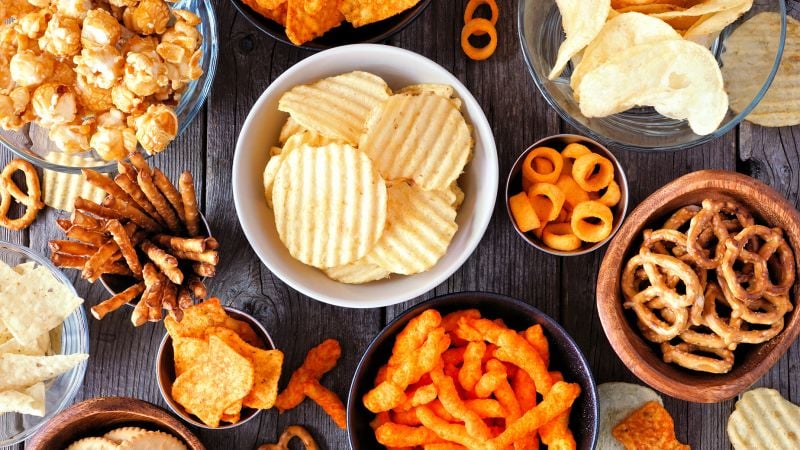
The short answer: yes, with effort and intention. Reducing ultraprocessed foods from your diet is possible with small, manageable changes. Start by reading food labels carefully and opting for whole food alternatives. For instance, swapping flavored yogurt for plain yogurt with added fruit can significantly lower your intake of artificial additives and sugars. Focus on adding more fruits, vegetables, whole grains, and lean proteins to your meals, and cut back on sugary beverages like sodas and juices.
The Impact of Exercise on Muscle Quality
While eliminating ultraprocessed foods from your diet is a critical step in improving muscle health, regular exercise plays an equally vital role. Studies have shown that even with fat infiltration in muscles, consistent exercise can improve muscle quality. Low-impact exercises like wall squats, leg lifts, and calf raises can help strengthen muscles without putting too much stress on the joints. Additionally, activities like elliptical training and strength training can have a profound effect on muscle function, making them crucial parts of a knee osteoarthritis prevention plan.
Why Muscles Matter More Than You Think

Muscles play a key role in overall health beyond just movement. They help maintain balance, posture, and joint stability, particularly in weight-bearing joints like the knees. When muscles weaken, it increases the risk of falls, fractures, and chronic joint pain. In fact, Dr. Bredella points out that muscle weakness is one of the primary contributors to longer hospital stays, poor recovery outcomes, and even higher rates of complications after surgery. Maintaining strong, healthy muscles is critical not just for mobility, but for overall survival and quality of life.
What’s the Best Approach?
Both exercise and diet are critical in maintaining muscle strength and quality. However, Dr. Thomas Link, senior author of the study, advises against high-impact sports that could damage already weakened knee joints. Instead, focusing on exercises that target the muscles surrounding the knee, such as the quads, hamstrings, and glutes, is more beneficial. Strength training, especially with weights, has been shown to improve muscle quality and help prevent osteoarthritis. Combining these exercises with a balanced diet rich in whole foods will go a long way in protecting your knees and muscles.
Understanding the Science Behind Fat Infiltration in Muscles

The science behind fat infiltration in muscles is complex but crucial for understanding the long-term effects of ultraprocessed foods. Fat cells infiltrate muscle tissue when the body accumulates excess fat that the muscles cannot effectively burn off. This infiltrated fat disrupts normal muscle function, leading to a reduction in strength and elasticity. In some cases, this process can be reversed with diet changes and consistent exercise, though the effectiveness of these interventions can depend on age and how long the fat has been present in the muscles.
The Future of Our Health Is in Our Hands
As ultraprocessed foods continue to dominate our diets, it’s clear that the risks extend far beyond the obvious health concerns like obesity and heart disease. The impact on muscle quality and joint health is becoming increasingly apparent, particularly for those at risk of knee osteoarthritis. However, by making informed dietary choices, focusing on whole foods, and committing to regular exercise, we can protect our muscles and joints for the long term. As Dr. Bredella notes, “Muscles need adequate protein, but turning to ultraprocessed protein bars and supplements isn’t the answer.” It’s time to take control of our diets and start focusing on foods that nurture and strengthen our bodies, rather than those that break them down.