
Table of Contents
- When the Internet Learned a TikToker Had Closed a $900 Million Deal
- How a Silent Reaction Became a Global Language
- From Viral Fame to a Structured Media Business
- Why Investors Valued Khaby Lame’s Company So Highly
- The Strategic Importance of Platform Independence
- What This Deal Says About the Creator Economy Today
- Redefining the Meaning of “Overnight Success”
- Global Influence Without Traditional Gatekeepers
- The Questions This Exit Raises for the Future
- Why Khaby Lame’s Deal Will Be Remembered as a Milestone
When the Internet Learned a TikToker Had Closed a $900 Million Deal
When reports surfaced that Khaby Lame had sold his company for more than $900 million, the reaction was immediate and global. Headlines spread rapidly across social media platforms, business forums, and news sites, not because another tech founder had secured a massive exit, but because the figure belonged to a content creator whose fame was built almost entirely on silence. For many, the news felt surreal. A man known for reacting to absurd life hacks without saying a word had just entered the same financial conversation as Silicon Valley founders and entertainment moguls.
The announcement marked a moment of recognition for the creator economy. It forced the public to confront a reality that had been quietly forming for years: digital creators were no longer just entertainers, they were business owners capable of building and selling companies worth nearly a billion dollars. In Khaby’s case, the deal represented far more than personal success. It symbolized a shift in where cultural and economic power now resides.
How a Silent Reaction Became a Global Language
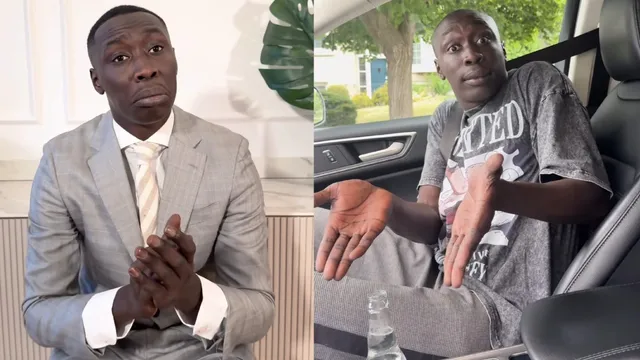
Khaby Lame’s ascent began during the pandemic, a time when millions of people were consuming content at unprecedented rates. While many creators leaned into high-energy performances or complex editing, Khaby did the opposite. His videos featured no dialogue, no captions, and no elaborate setups. Instead, he relied on facial expressions and simple gestures to point out the absurdity of overly complicated solutions to simple problems.
This approach made his content universally accessible. Viewers did not need to understand English, Italian, or any other language to understand the joke. His silence became a global language, allowing him to connect with audiences across cultures, age groups, and regions. That universality became one of the most valuable assets of his brand and a key reason his business could scale so effectively.
From Viral Fame to a Structured Media Business
What many casual viewers failed to see was the infrastructure forming behind Khaby’s content. While his videos appeared simple, the business strategy behind them was increasingly sophisticated. Over time, Khaby and his team began structuring his brand as a company rather than a personal account. This included formalizing intellectual property rights, organizing long-term brand partnerships, and developing monetization channels that extended beyond social media platforms.
By doing so, Khaby avoided one of the most common pitfalls of internet fame: dependence on algorithms. His business was designed to function even if platform dynamics changed. This foresight transformed his influence into an asset that could be evaluated, scaled, and eventually sold.
Why Investors Valued Khaby Lame’s Company So Highly
The reported $900 million valuation raised immediate questions about how a creator-led company could reach such a figure. The answer lies in stability, reach, and brand safety. Khaby’s audience was massive, global, and deeply engaged. More importantly, his content avoided controversy, divisive topics, or short-lived trends, making him an attractive long-term investment.
His brand partnerships reflected this trust. Major international companies saw Khaby not just as a spokesperson, but as a cultural connector capable of delivering consistent visibility without reputational risk. For investors, this combination of scale and reliability justified a valuation once reserved for traditional media empires.
The Strategic Importance of Platform Independence
One of the most overlooked aspects of Khaby’s success was his commitment to platform independence. Although TikTok played a crucial role in his rise, his brand was never limited to a single app. His presence expanded across Instagram, YouTube, fashion campaigns, and global events, ensuring that his influence was not tied to the fate of one company.
This diversification significantly increased the value of his business. Investors were not purchasing a TikTok account, but a multi-platform media brand with the flexibility to adapt to future digital landscapes. In an industry where platforms rise and fall quickly, this adaptability became a cornerstone of Khaby’s appeal.
What This Deal Says About the Creator Economy Today
Khaby Lame’s reported exit represents a turning point for the creator economy as a whole. For years, creators were often viewed as freelancers dependent on sponsorships and ad revenue. This deal challenged that perception by demonstrating that creators could build structured companies capable of generating massive exits.
The transaction also signaled growing confidence from institutional investors in creator-led ventures. No longer experimental or niche, the creator economy has proven itself capable of producing businesses with predictable revenue, scalable influence, and long-term value.
Redefining the Meaning of “Overnight Success”
To the public, Khaby’s rise may have appeared sudden. However, the sale of his company was the result of years of consistency, strategic restraint, and deliberate decision-making. He resisted the temptation to overexpose his brand or chase every trend, focusing instead on maintaining a clear identity and sustainable growth.
This approach redefines the narrative of overnight success. It highlights the importance of patience and structure in transforming viral attention into lasting value. Khaby’s journey serves as a reminder that visibility alone is not enough. Longevity requires planning.
Global Influence Without Traditional Gatekeepers

Khaby’s story is particularly significant because it bypassed traditional pathways to fame. He did not rely on television networks, film studios, or record labels. Instead, his influence emerged organically through digital platforms and audience resonance. This shift challenges long-standing assumptions about how global icons are created.
The sale of his company underscores the power of decentralized fame. It suggests that future media giants may emerge not from corporate boardrooms, but from smartphones and social platforms, guided by audience connection rather than institutional approval.
The Questions This Exit Raises for the Future
While the deal is widely celebrated, it also raises important questions. As creators sell their companies to larger entities, concerns around creative control and authenticity naturally arise. Will creators maintain their voices after such exits, or will their brands evolve under corporate influence?
Khaby’s next steps will be closely watched. His experience may become a case study for how creators navigate life after a major exit, balancing personal expression with the expectations of investors and global audiences.
Why Khaby Lame’s Deal Will Be Remembered as a Milestone
In hindsight, this moment may be remembered as the point when creators crossed fully into the realm of serious economic power. Khaby Lame proved that influence, when paired with strategy and discipline, could rival traditional industries in value. His silence on screen contrasted with the loud statement his business made to the world.
As the creator economy continues to evolve, Khaby’s $900 million deal stands as a defining milestone. It did not just change his life. It reshaped the conversation about what digital creators can achieve, and it signaled a future where influence, ownership, and business are more intertwined than ever.