

Table of Contents
The Impact of Lab-Grown Meat and Synthetic Foods
The debate over synthetic foods, including lab-grown meat, has gained significant traction globally in recent years. Proponents of lab-grown meat argue that it offers a sustainable and environmentally friendly alternative to traditional meat production. Lab-grown meats, made by cultivating animal cells in a controlled environment, are seen as a potential solution to issues such as deforestation, water usage, and greenhouse gas emissions associated with livestock farming.
However, in Italy, the idea of synthetic foods clashing with traditional farming practices has raised alarm. The country is known for its deep agricultural roots, with products like olive oil, wine, cheese, and pasta representing the essence of Italian cuisine. For many Italians, food is not just sustenance, but a representation of their cultural identity. The introduction of synthetic foods, which are produced in laboratories rather than on farms, threatens this way of life.
Lollobrigida’s stance, supported by Meloni and many farmers, highlights the importance of preserving Italy’s agri-food culture, which is based on the Mediterranean diet. This diet emphasizes fresh, local ingredients and is integral to both the health of the population and the country’s economy. For many, lab-grown meat and synthetic foods represent a threat to the authenticity of their food culture and undermine the integrity of Italian agriculture.
A Cultural and Economic Decision

The decision to ban lab-grown meat and synthetic foods is not just about food production; it’s also a cultural and economic choice. The Mediterranean diet, which forms the basis of Italian cuisine, is recognized by UNESCO as an intangible cultural heritage. Italy’s agricultural industry, which includes small family-owned farms and vineyards, is a vital part of the nation’s identity. Farmers, who are the backbone of this industry, have expressed concerns that synthetic foods would undermine their livelihoods and erode the quality of Italian cuisine.
Lollobrigida, a strong advocate for protecting Italy’s agricultural traditions, stated that the new law was essential to maintaining the authenticity of Italian food. He pointed out that while synthetic foods may be seen as a solution to certain global challenges, they do not align with the values and traditions that Italy holds dear. By banning these foods, Italy is sending a clear message that the preservation of its agricultural practices and culinary heritage is paramount.
Previous Measures to Protect Italy’s Food Traditions
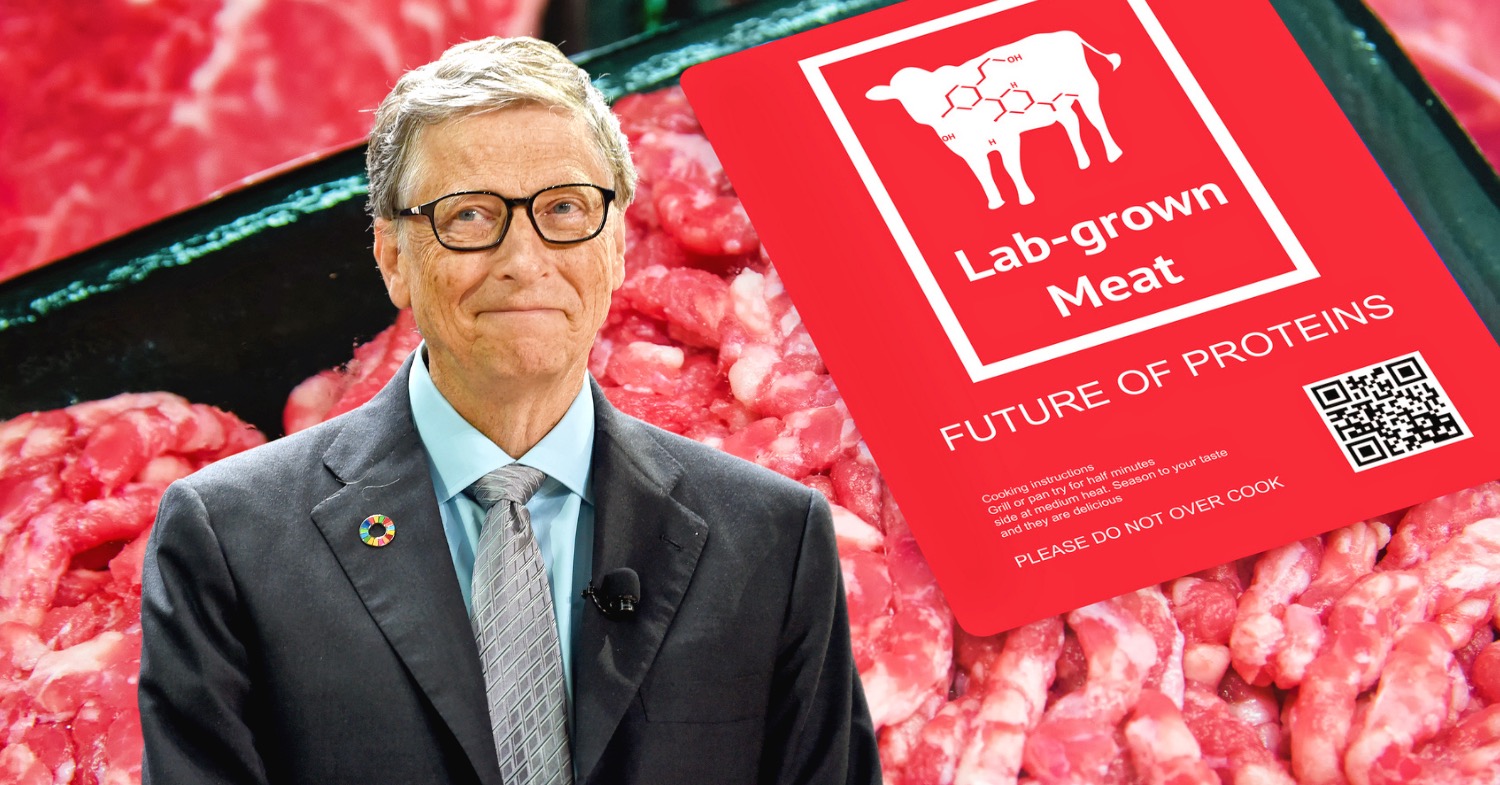
This recent ban on lab-grown meat is not the first measure taken by Italy to protect its agricultural heritage. In fact, Italy has a history of regulating food production to maintain its culinary traditions. Earlier this year, Italy also banned the sale of bug-based flour made from crickets, locusts, and insect larvae. This decision was met with approval from farmers and food producers, who argued that such products were not in keeping with Italy’s food culture.
The decision to ban insect-based flour was driven by concerns that such products would undermine the integrity of Italian cuisine. As with lab-grown meat, insect-based products were seen as foreign to Italy’s culinary traditions, which prioritize fresh, natural ingredients sourced from local farms. By taking action against these synthetic foods, Italy is making it clear that its food culture will not be compromised by outside influences.
Support from Italian Farmers
The new legislation has received strong support from Italian farmers, who view it as a crucial step in defending their livelihoods. Farmers have long been the custodians of Italy’s food culture, and many are concerned that the rise of synthetic foods could threaten their businesses and disrupt traditional farming practices. By banning lab-grown meat and other synthetic foods, Italy is reinforcing the importance of local, sustainable agriculture.
Farmers have expressed fears that synthetic foods, which are produced in laboratories rather than on farms, could lead to a decline in demand for locally produced meats, cheeses, and other agricultural products. For small family farms, which are the backbone of the Italian agricultural system, the rise of synthetic foods could have a devastating economic impact. The ban on lab-grown meat, therefore, represents a way for farmers to protect their industry and ensure that traditional farming practices remain central to Italy’s food culture.
Prime Minister Meloni’s Support for the Legislation
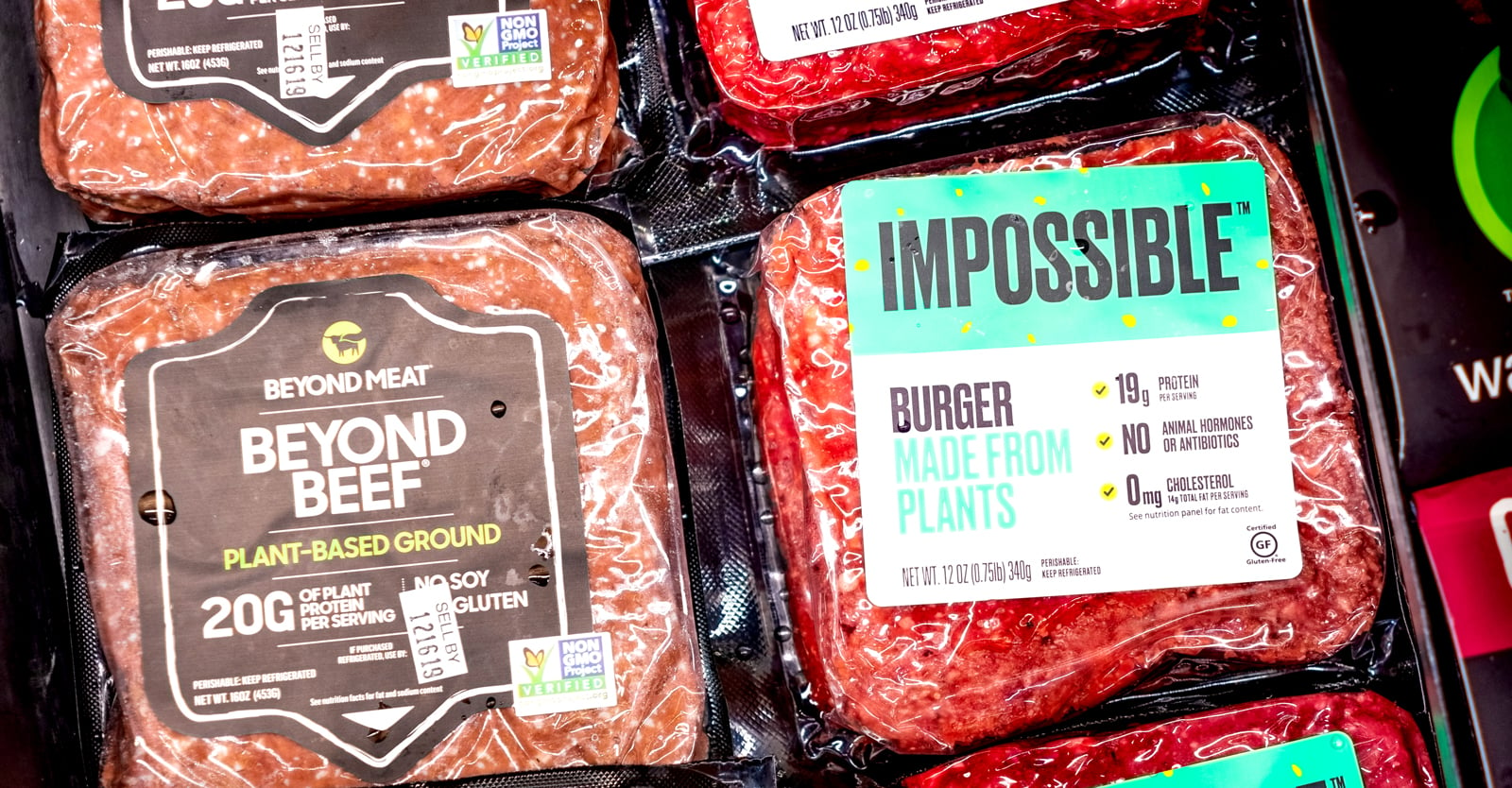
Prime Minister Giorgia Meloni has been a vocal supporter of the new legislation, stating that it is a critical measure for both protecting Italy’s cultural heritage and safeguarding the health of its citizens. Meloni emphasized that the ban on lab-grown meat and synthetic foods was not just about food, but about preserving the values that define Italy as a nation. She echoed the sentiments of Lollobrigida, stressing that Italy’s food culture is a vital part of the country’s identity and should not be compromised.
Meloni’s support for the legislation is also rooted in concerns about consumer protection. She believes that by banning synthetic foods, Italy is ensuring that its citizens continue to have access to high-quality, natural food products that align with the principles of the Mediterranean diet. The new law, she argues, will help protect both Italy’s culinary traditions and the health of its population.
Health Minister’s Comments on the Ban
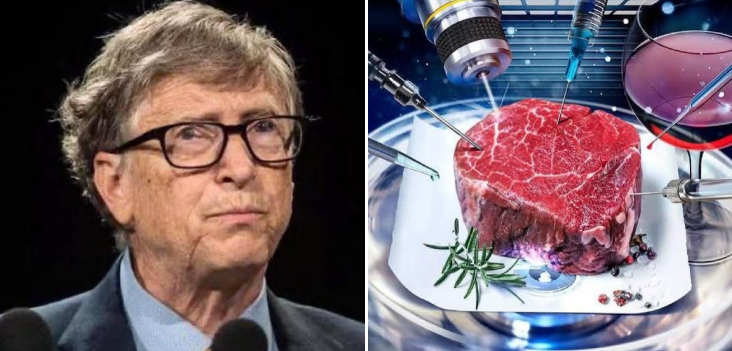
Health Minister Orazio Schillaci also weighed in on the new law, underscoring its importance in protecting citizens’ health. Schillaci stated that the legislation was part of Italy’s broader commitment to safeguarding its agri-food culture and ensuring that citizens continue to have access to nutritious, locally sourced food. He pointed to the Mediterranean diet as a model for healthy eating, and argued that synthetic foods could undermine the health benefits associated with traditional Italian food.
Schillaci’s comments reflect the broader public health concerns associated with synthetic foods. While proponents argue that lab-grown meats could help address global challenges such as food security and climate change, critics worry about the potential health risks posed by these products. By banning lab-grown meat and other synthetic foods, Italy is taking a proactive approach to ensuring that its citizens continue to have access to food that is both healthy and in line with the country’s long-standing culinary traditions.
The Future of Synthetic Foods in Italy
Despite the ban on lab-grown meat and synthetic foods, the debate over their place in Italy’s food system is likely to continue. As synthetic food technologies continue to evolve, it is possible that other countries will embrace these products as a way to address global challenges such as climate change, resource scarcity, and food security. However, for Italy, the focus will remain on preserving its agricultural traditions and ensuring that its citizens continue to have access to high-quality, locally sourced food.
The new law banning synthetic foods and lab-grown meat is a clear statement of Italy’s commitment to protecting its food culture and the livelihoods of its farmers. As the global food industry continues to change, it will be interesting to see how other countries respond to the rise of synthetic foods, and whether Italy’s stance on the issue will inspire similar actions in other parts of the world.
Conclusion
Italy’s decision to ban lab-grown meat and synthetic foods is a landmark move that underscores the country’s commitment to preserving its agricultural traditions and protecting its citizens’ health. The ban reflects Italy’s deep respect for its food culture, which has been shaped by centuries of tradition and the Mediterranean diet. As other countries grapple with the rise of synthetic foods, Italy’s stance serves as a reminder of the importance of maintaining cultural heritage and supporting local farmers in an increasingly globalized world.