
Table of Contents
- A Mark on History
- Historical Context: The Tradition of Currency Signatures
- Trump’s Influence on U.S. Economic Policies
- Controversy Over Trump’s Signature
- The 250th Anniversary Commemoration
- Commemorative Gold Coins Featuring Trump’s Image
- Trump’s Previous Symbolic Moves
- Public Reaction to Trump’s Signature
- Conclusion
A Mark on History
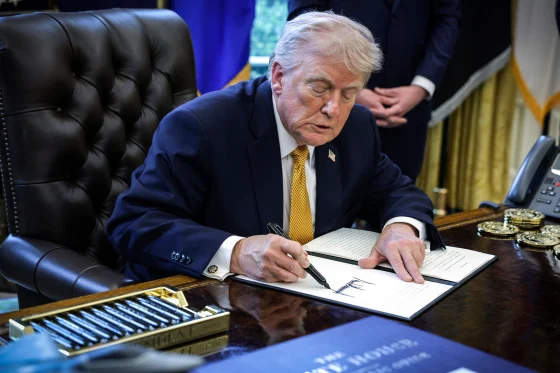
President Donald Trump’s signature on U.S. currency will symbolize his role in what many supporters view as the “Golden Age” of America’s economic revival. Treasury Secretary Scott Bessent praised the move, stating that it was “appropriate” and “well deserved.” In his statement, Bessent highlighted Trump’s impact on the economy, noting that the President had played a pivotal role in the country’s economic resurgence during his time in office.
The inclusion of Trump’s signature on U.S. currency marks a unique moment in history, as it is the first time that a sitting president’s name will be featured on official paper currency. This decision is part of broader efforts to commemorate the nation’s 250th anniversary and celebrate the historical milestones achieved during Trump’s presidency.
Historical Context: The Tradition of Currency Signatures
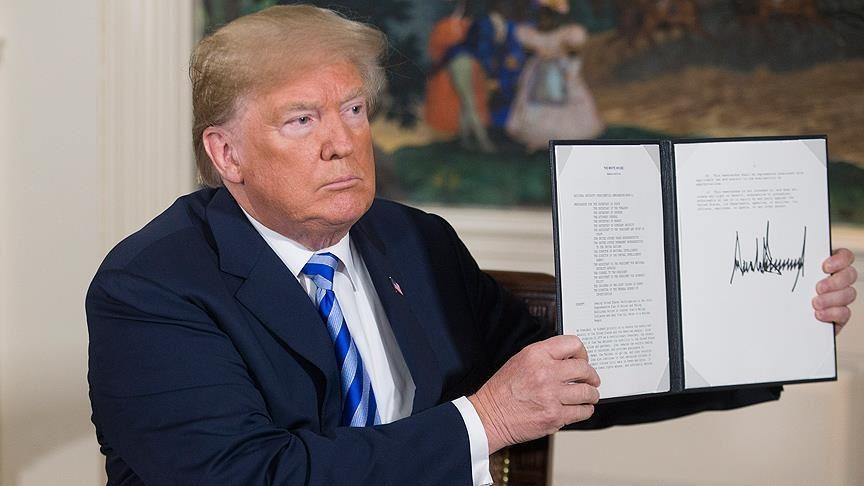
Since the first paper currency was printed in 1861, U.S. money has traditionally carried the signatures of the Treasury Secretary and the Treasurer. This tradition has remained largely unchanged until now. For over a century and a half, no sitting president’s signature has appeared on American currency, making this new decision a rare and significant deviation from tradition.
The reasoning behind this long-standing tradition is that currency signatures were meant to reflect the roles of the Treasury Secretary and Treasurer, who were responsible for managing the nation’s finances and overseeing the production of money. The inclusion of the President’s signature, however, is a departure from this norm and raises important questions about the political and symbolic implications of such a decision.
Trump’s Influence on U.S. Economic Policies
Supporters of Trump’s inclusion on U.S. currency point to his significant influence on the nation’s economic landscape as a justification for the decision. Trump’s economic policies, including tax cuts, deregulation, and trade negotiations, were central to his administration’s agenda. Many of his supporters view his economic legacy as transformative, arguing that his leadership helped to boost job growth, raise wages, and reduce unemployment rates during his tenure.
Trump’s “America First” trade policy, along with his efforts to renegotiate trade deals, were seen as pivotal in reshaping the country’s relationship with global markets. The decision to include his signature on U.S. currency, then, can be viewed as a recognition of his economic achievements and the lasting impact he had on the nation’s financial policies.
Controversy Over Trump’s Signature
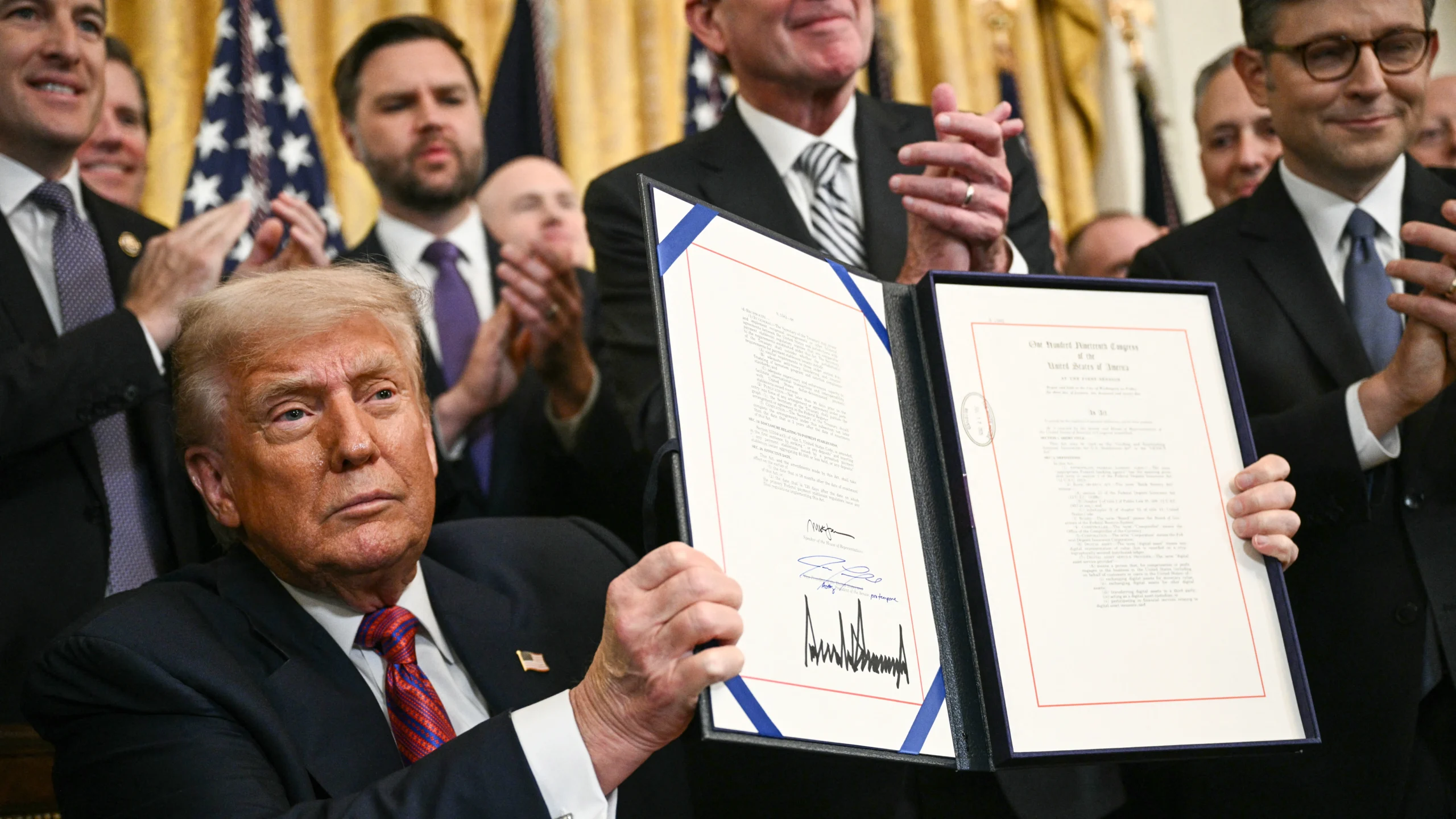
While some view Trump’s signature on U.S. currency as a fitting tribute to his economic legacy, others see it as a controversial and politically charged move. Critics argue that the inclusion of a sitting president’s signature on paper currency could set a troubling precedent, politicizing a long-standing tradition that has remained neutral for over 150 years.
The timing of the decision also raises questions, especially considering the current political climate. With public opinion on Trump’s presidency still divided, adding his signature to U.S. currency may be seen as an attempt to further cement his legacy and maintain his influence on the national stage, even after leaving office.
Moreover, some critics argue that the move could be viewed as an attempt to bolster Trump’s political image in the lead-up to the 2026 midterm elections. The controversy surrounding the decision highlights the polarized nature of American politics, with some citizens questioning whether such a move is appropriate or warranted.
The 250th Anniversary Commemoration
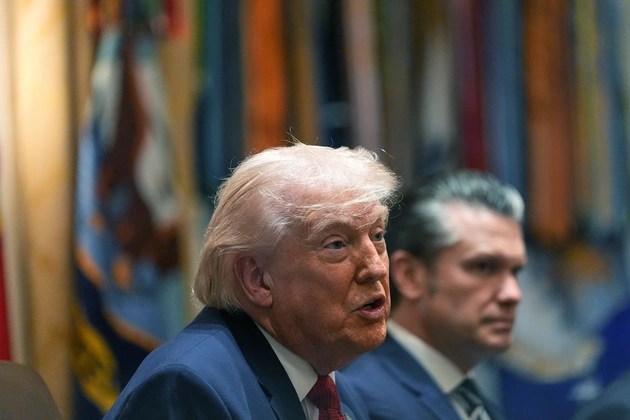
Trump’s signature on U.S. currency will also coincide with the 250th anniversary of the United States, a milestone that will be marked by various celebrations and commemorations across the country. The 250th anniversary will be a time for Americans to reflect on the nation’s history, achievements, and challenges. By including Trump’s signature on currency as part of these celebrations, the Treasury Department is signaling the significance of his presidency within the broader historical context of the country’s development.
For some, Trump’s involvement in the anniversary celebrations is a fitting tribute to his leadership during a period of economic growth. Others, however, may view it as an unnecessary political gesture that detracts from the historical significance of the 250th anniversary.
Commemorative Gold Coins Featuring Trump’s Image
In addition to his signature on paper currency, Trump’s image will also be featured on 24-karat commemorative gold coins, which are set to be released as part of the country’s 250th anniversary celebrations. The design for these coins, which was approved by a federal commission made up of Trump-appointed members, still requires official approval from the Treasury Department.
The coins will serve as another symbolic representation of Trump’s legacy and his role in shaping American history. While the design has yet to be finalized, the inclusion of Trump’s image on these coins further solidifies his place in the nation’s commemoration of its 250th year.
Trump’s Previous Symbolic Moves
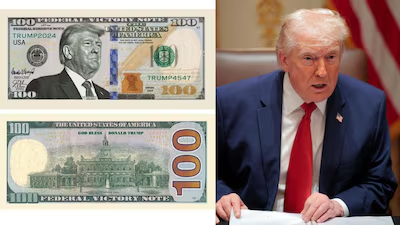
Trump has long been known for his efforts to leave his mark on the U.S. government in ways that previous presidents have not. In 2020, he made headlines when he stamped his name on COVID-19 stimulus checks, which were sent to millions of Americans during the pandemic. This move, though controversial, was part of Trump’s broader efforts to make his presence known during critical moments in American history.
In addition to his signature on currency, Trump’s name is now associated with various federal institutions and programs, including the Kennedy Center for the Performing Arts, the U.S. Institute of Peace, and discount drug programs. These symbolic gestures are part of his ongoing efforts to cement his legacy and maintain a lasting influence on the U.S. government and its institutions.
Public Reaction to Trump’s Signature
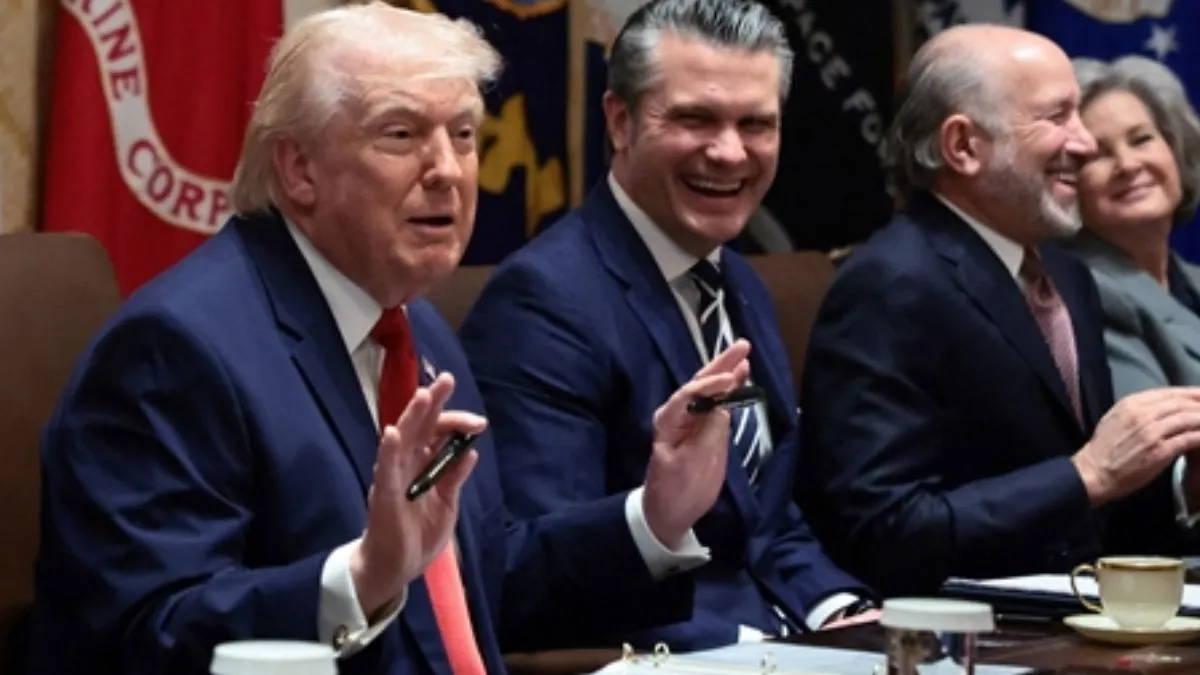
The public’s reaction to Trump’s signature on U.S. currency has been mixed. Supporters of the move view it as a deserved tribute to a president who oversaw a period of economic growth and political change. They argue that Trump’s signature on currency is a fitting recognition of his impact on the country’s financial system and his role in shaping its economic future.
On the other hand, critics of the move view it as a politically motivated gesture that politicizes the U.S. currency system. Some argue that it sets a dangerous precedent, while others question the appropriateness of featuring a sitting president’s signature on currency. The debate over Trump’s signature underscores the deep divisions within American society and the ongoing controversy surrounding his presidency.
Conclusion
President Donald Trump’s signature on U.S. currency is a historic decision that marks a significant moment in American history. While supporters view it as a fitting tribute to his economic policies and legacy, critics argue that it politicizes a long-standing tradition and raises concerns about the role of a sitting president in shaping the nation’s currency. As the 250th anniversary of the United States approaches, the decision to include Trump’s signature on paper money will continue to be a point of contention, with broader implications for how the U.S. commemorates its past and moves forward into the future.