

Imagine a funeral where no body is embalmed, no coffin is lacquered in metal, and no cemetery plot takes up space for centuries. Instead, the deceased is placed in a mushroom-based casket, and over time, their body transforms into nutrient-rich soil. This is not a scene from a science fiction novel — it’s happening right now, and it’s changing how we think about death, sustainability, and even the future of home and garden life.
The story begins with Michael, a man who chose a final resting place that mirrors his environmental values. By opting for a biodegradable mushroom casket, he is not only returning to the earth naturally, but he is also actively contributing to forest ecosystems. This is a profound concept — your final act could literally nourish life after death.
But why mushrooms? And could this new burial trend reshape industries from funeral services to home improvement, landscaping, and even eco-tourism?
In this article, we explore the radical rise of green burials, the science behind mushroom caskets, and how your choices today could leave a legacy that lasts well beyond a headstone.
Table of Contents
The Rise of Green Burials
Traditional burials are expensive, resource-intensive, and far from environmentally friendly. Think of embalming fluids filled with formaldehyde, metal caskets that take centuries to decompose, and cement vaults that use thousands of pounds of concrete.
Green burials, in contrast, focus on returning the body to the earth naturally. This movement is growing rapidly in the U.S., Europe, and even parts of Asia. It appeals to those who care deeply about sustainability, carbon footprint, and the impact of human activity on the planet.
Michael’s choice is emblematic of this trend. Instead of conventional materials, his burial uses a mushroom-based casket designed to accelerate decomposition and absorb toxins naturally. These caskets, crafted from mycelium—the root structure of mushrooms—interact with the body in a remarkable way, breaking down not just the organic matter but also chemicals left behind from pharmaceuticals or pollutants.
If your last act could heal the planet rather than pollute it, would you make a different choice today?
How Mushroom Caskets Work
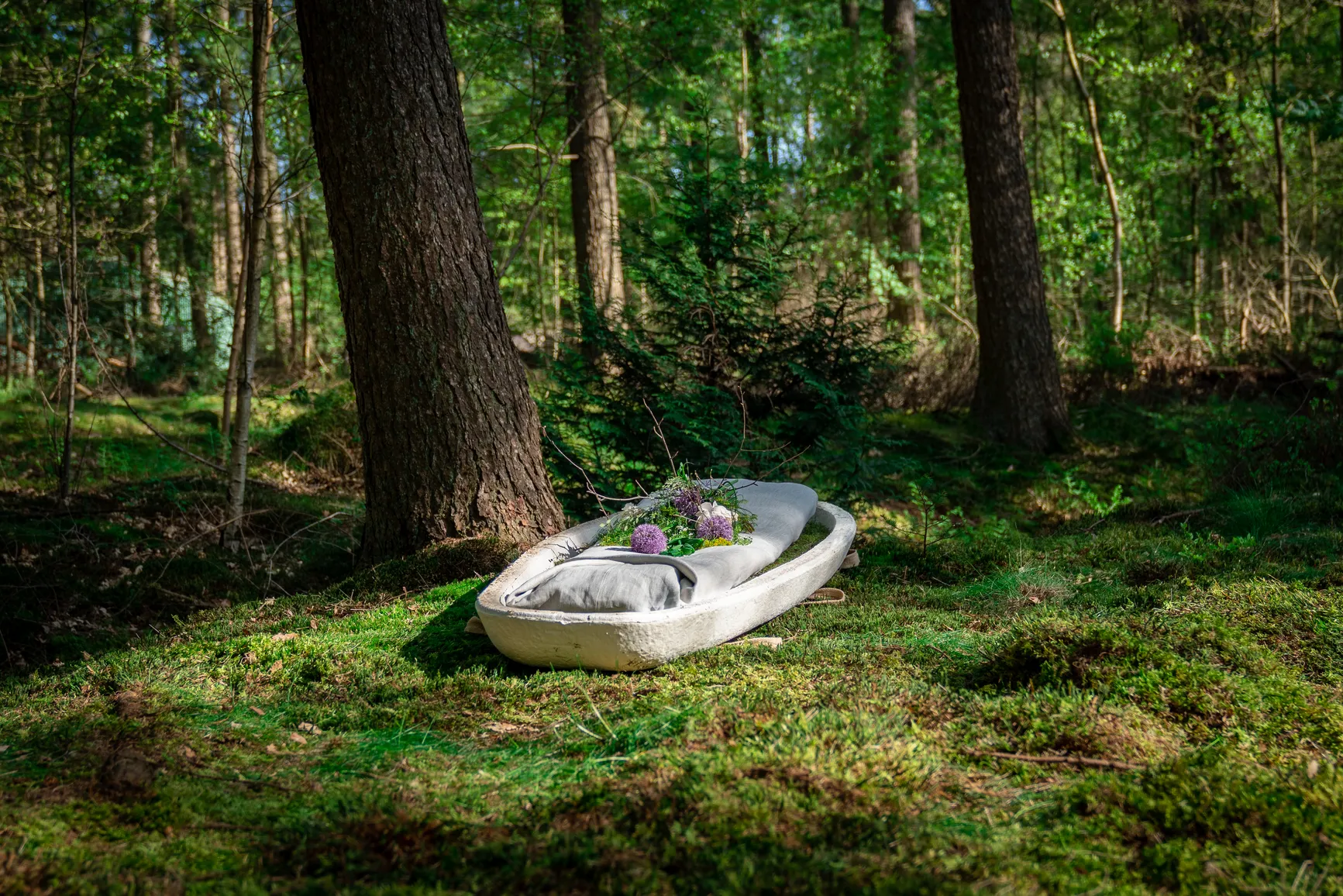
At the heart of the innovation is mycelium. Mycelium is nature’s recycler, breaking down organic matter and transforming it into fertile soil. When a body is placed in a mycelium-infused coffin, it interacts with fungi that feed on the body, converting it into nutrient-rich soil in months rather than decades.
This process also prevents harmful chemicals from leaching into the ground. Unlike embalmed bodies that release formaldehyde and other preservatives, mushroom caskets create an eco-friendly cycle: death becomes life. Trees planted above these caskets can thrive in the enriched soil, creating living memorials that grow over time.
From a home improvement perspective, think of it like composting on a grand scale — only it involves human contribution to the ecosystem. Landscapers, gardeners, and eco-conscious homeowners are watching this trend closely because it aligns with permaculture principles and sustainable gardening practices.
Sustainability Meets the Funeral Industry
The implications for the funeral industry are enormous. Green burials are cheaper than traditional funerals because they eliminate the need for vaults, embalming, and ornate caskets. At the same time, they cater to a growing demographic of environmentally conscious consumers willing to pay a premium for eco-friendly services.
Major funeral chains and independent directors are experimenting with mushroom-based caskets, and demand is growing fast. For businesses, this opens up opportunities not just in coffin manufacturing but also in landscaping, memorial forests, and even eco-tourism experiences. Some companies now offer “living memorials,” where the deceased’s burial site becomes part of a protected nature reserve, blending environmental impact with spiritual legacy.
Could this be the next booming eco-industry, combining finance, sustainability, and wellness in ways we’ve never imagined?
The Personal and Emotional Benefits
Beyond environmental impact, mushroom burials offer a new way to think about grief and legacy. Families often find comfort knowing that their loved one is contributing to life, nourishing plants, and even supporting wildlife. This shift reframes death as a natural, continuous process rather than a permanent loss.
Psychologists suggest that rituals emphasizing connection to nature can aid in grieving. The idea that a parent, spouse, or child continues to sustain life after death resonates deeply, creating an emotional closure that traditional burials may not provide.
For individuals who value sustainability and nature, this approach also fulfills a personal philosophy: aligning life and death with environmental responsibility. It’s a bold choice that sparks questions about how we live, consume, and leave our mark on the planet.
Beyond the Grave: Economic and Lifestyle Impacts

Interestingly, this trend also touches finance and investment. Eco-friendly burial options can influence estate planning, property use, and even local tax incentives. Municipalities that encourage green cemeteries may see reduced maintenance costs and enhanced green space.
Travel and eco-tourism are also affected. Memorial forests and natural burial grounds attract visitors, creating opportunities for educational tours, meditation retreats, and sustainable tourism ventures. Think of it as combining mindfulness, finance, and environmental stewardship into one compelling package.
Home improvement enthusiasts may also draw inspiration from the mushroom casket concept. Techniques used in sustainable burials—mycelium growth, composting, nutrient cycling—are applicable in urban gardening, vertical farms, and backyard permaculture. Essentially, the principles of life after death could influence the way we cultivate life while living.
Could your next gardening project take cues from mushroom-powered decomposition to create richer soil and healthier plants?
The Future of Death, Design, and Nature
Mushroom caskets are just the beginning. As climate change and urbanization pressure traditional burial practices, innovation in sustainable end-of-life solutions is accelerating. Bio-degradable urns, human composting, and reef-building cremation are gaining traction alongside mycelium-based coffins.
Designers, scientists, and entrepreneurs are exploring ways to make death meaningful, sustainable, and integrated with nature. These choices may influence architecture, landscaping, and even real estate development as cities consider eco-cemeteries as part of urban planning.
If society embraces death as a chance to regenerate the planet, what other industries might follow suit in transforming waste into wealth?
Ethical, Cultural, and Social Considerations

Of course, widespread adoption of mushroom caskets comes with ethical and cultural questions. Some religions and traditions emphasize burial rituals that may conflict with eco-friendly practices. There’s also a need to educate the public about the environmental benefits and emotional value of green burials.
Yet, the conversation itself is powerful. It invites society to rethink mortality, ecological responsibility, and how personal choices echo beyond life. For families, choosing a mushroom casket becomes both an ethical statement and a deeply personal tribute, blending science, tradition, and emotion.
Conclusion: Life After Death, Literally
Michael’s burial is more than a story about a mushroom casket; it’s a blueprint for how we might live — and die — more sustainably. In choosing to nourish the earth instead of occupying it, he becomes part of an ecosystem that supports life, growth, and environmental restoration.
This narrative reminds us that even death can be an opportunity to innovate, conserve, and leave a meaningful mark. Whether it’s influencing renewable energy choices, sustainable home design, or eco-conscious finance, small actions have profound ripple effects.
Could your final choice, your home renovation, or even your lifestyle decisions today help nourish life tomorrow? And what other overlooked opportunities exist where sustainability and innovation meet?