
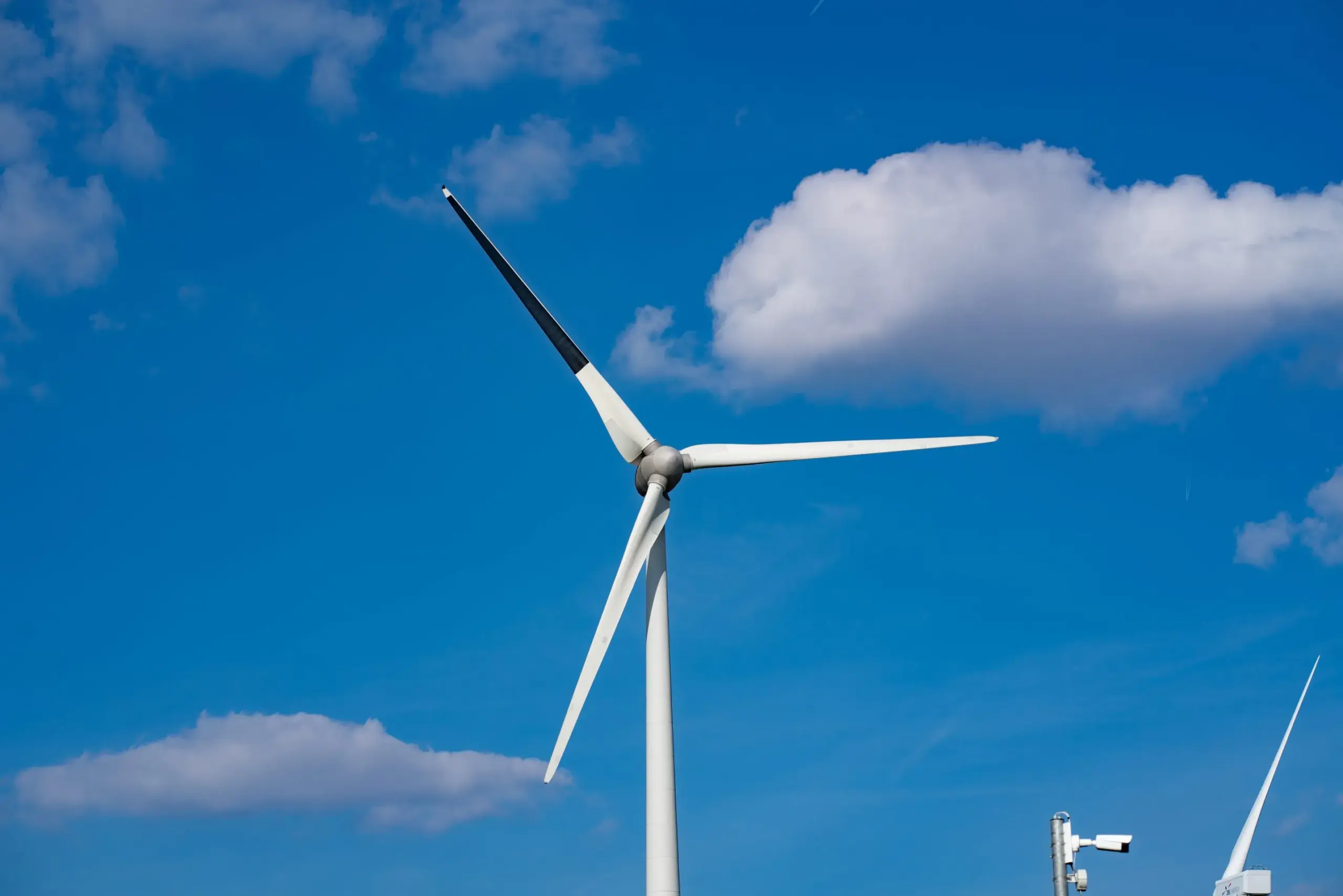
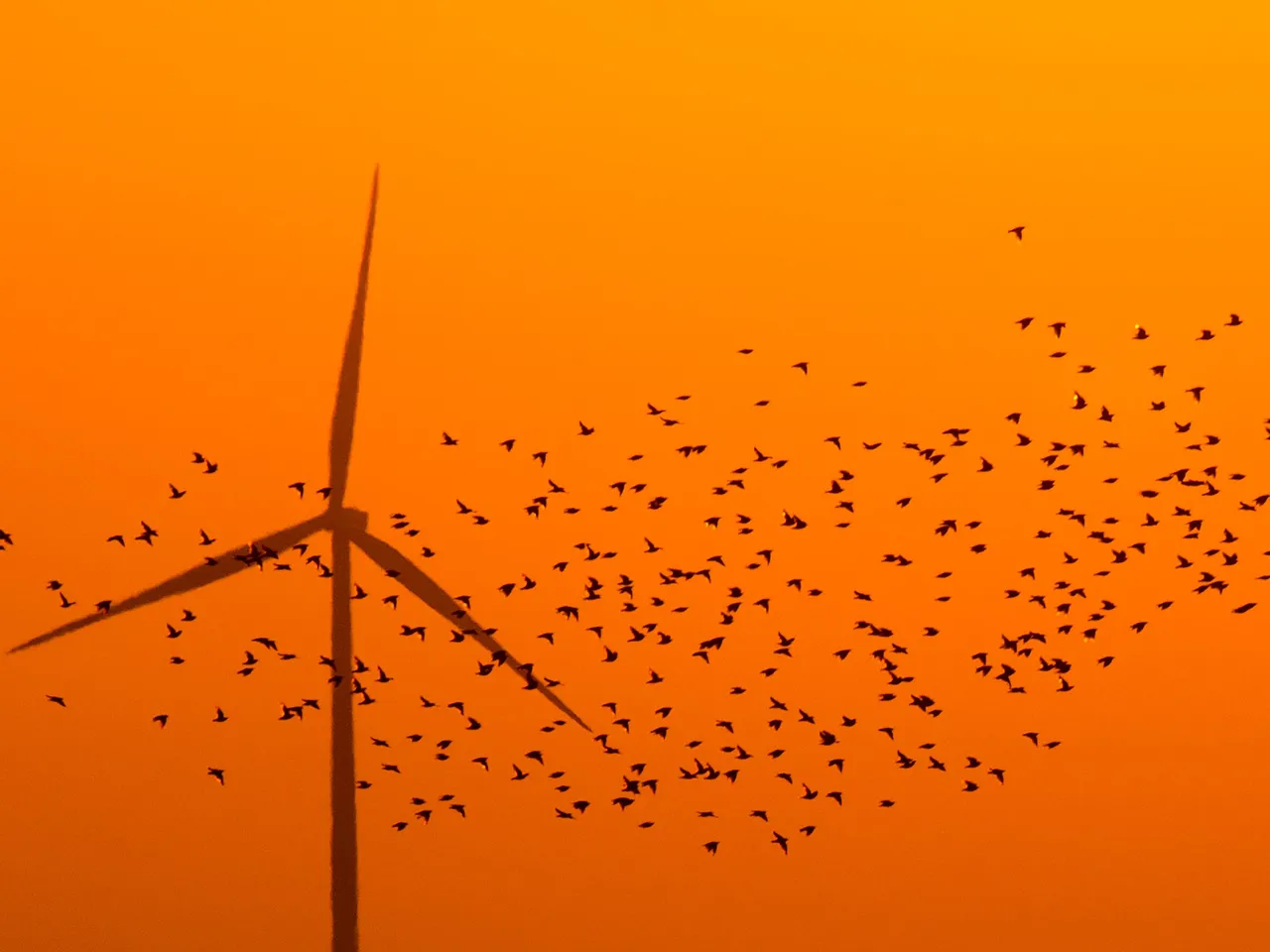
Picture a flock of birds soaring over a vast wind farm. In the blink of an eye, some of them collide with spinning turbine blades—an environmental tragedy hidden in plain sight. Wind energy is celebrated as a clean, renewable source, but for years, bird fatalities have posed a serious ecological concern.
Now, researchers may have found a surprisingly simple solution: paint one of each turbine’s blades black. This small change could reduce bird deaths by as much as 70%, offering hope for both wildlife conservation and the future of renewable energy.
But how exactly does a black blade make such a huge difference? And what does this mean for the future of energy, wildlife, and even investment in renewable infrastructure?
In this article, we’ll explore the fascinating intersection of science, technology, and nature, uncover how tiny design tweaks can save lives, and examine the ripple effects for industries from finance to home improvement.
Table of Contents
- The Problem: Birds and Turbines Collide
- A Simple Solution: Paint One Blade Black
- Implications for Renewable Energy Investors
- Beyond Birds: Lessons for Design and Innovation
- The Science Behind Vision and Flight
- Global Potential: Millions of Lives Saved
- Challenges and Next Steps
- Conclusion: A Small Change With a Big Impact
The Problem: Birds and Turbines Collide
Wind turbines have become symbols of sustainable energy. Towering over fields and coastlines, they capture wind power to generate electricity without the carbon footprint of fossil fuels.
But there’s a dark side. Birds, especially migratory species, often fail to see the fast-spinning blades until it’s too late. Studies estimate that millions of birds die each year due to collisions with turbines worldwide. Raptors, storks, and songbirds are particularly vulnerable.
Imagine flying hundreds of miles on instinct and wind patterns—only to encounter a moving death trap. How would you react if this happened to your flock?
This problem isn’t just about ethics; it also intersects with finance and regulation. Wind energy projects often face scrutiny and delays due to environmental impact assessments. Reducing bird fatalities can accelerate permits, improve investor confidence, and make renewable energy projects more financially viable.
A Simple Solution: Paint One Blade Black

Researchers in Sweden conducted a groundbreaking experiment. They painted one of three blades on selected turbines black, leaving the other two white. The result? Bird collisions dropped by a staggering 70%.
The science behind it is surprisingly simple: birds perceive the black blade more clearly against the sky, giving them a visual cue to avoid the spinning hazard. Contrast is everything—just as a pedestrian crossing is more visible at night with stripes, the black blade makes danger visible in flight.
If one simple paint job can save thousands of lives, why didn’t anyone think of this sooner?
The cost of painting blades black is minimal compared to building turbines, making this a low-investment, high-impact change. For energy companies, this presents an opportunity to improve sustainability credentials while maintaining financial efficiency.
Implications for Renewable Energy Investors
Renewable energy is no longer a niche; it’s a multi-billion-dollar global industry. Investors are increasingly seeking green projects that are both profitable and environmentally responsible. Reducing bird fatalities directly improves the ESG (Environmental, Social, and Governance) rating of wind projects—a metric that many institutional investors monitor closely.
Lowering the environmental impact could also streamline regulatory approvals. In regions with strict wildlife protection laws, projects that incorporate black blades may face fewer legal hurdles, faster timelines, and ultimately higher returns on investment.
Could this small tweak redefine the risk profile of wind energy investments worldwide?
Beyond Birds: Lessons for Design and Innovation
The black blade concept illustrates a broader lesson in engineering: small, data-driven design tweaks can have outsized impacts. From home improvement to finance and tech, thinking creatively about human—or in this case, animal—interaction with products can prevent disasters and unlock efficiencies.
In home design, for example, color contrast improves safety by making stairs, railings, and furniture edges more visible—especially for children and elderly residents. In transportation, high-visibility paint and reflective materials reduce accidents. The principle is universal: visibility saves lives.
What other industries could benefit from tiny design interventions that make a big difference? Could your next renovation or product decision borrow from this insight?
The Science Behind Vision and Flight
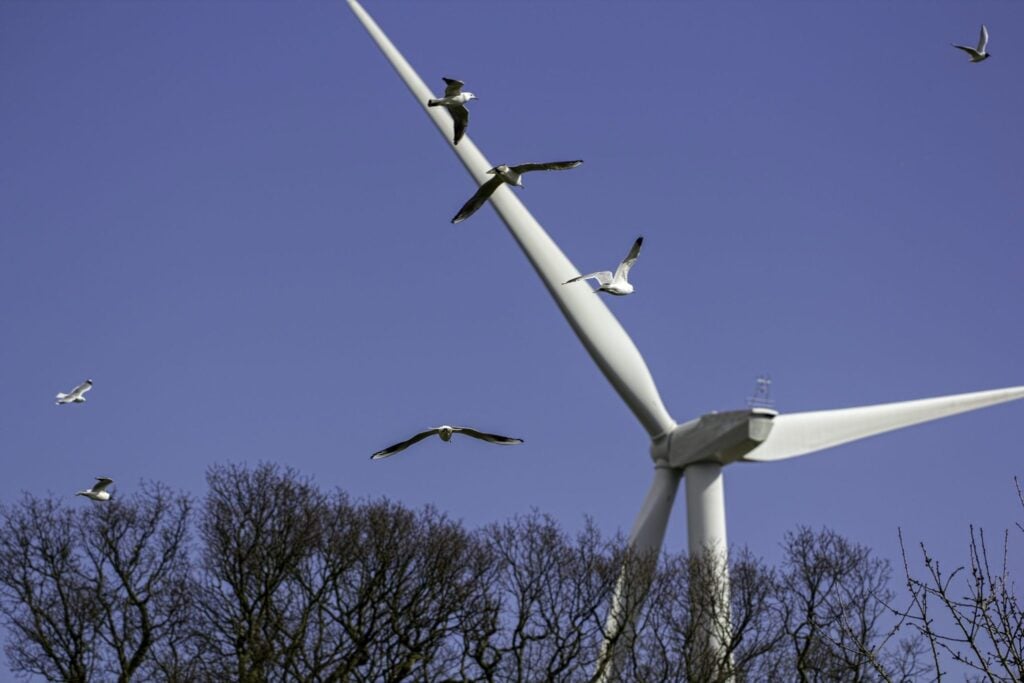
Birds have remarkable visual systems, capable of detecting rapid motion and subtle changes in contrast. The black blade experiment leveraged this evolutionary advantage. By improving visibility, the birds’ natural ability to detect danger kicked in, giving them more time to react.
This principle is similar to traffic safety measures for humans. Fluorescent signs, reflective jackets, and lane markings work because they leverage our ability to see contrast. Nature’s own systems—whether a bird in flight or a human on the road—respond when signals are clear and noticeable.
If we can design machines and structures that account for the perception of other living creatures, how many more unintended tragedies could we prevent?
Global Potential: Millions of Lives Saved
Scaling this intervention could save millions of birds annually. Across Europe, North America, and Asia, wind farms are multiplying rapidly. The International Energy Agency predicts global wind capacity could double within the next decade. If black blades became standard, the environmental benefit would be enormous.
For policymakers, this presents an easy win. Wildlife protection organizations can advocate for immediate implementation, and energy companies can adopt a low-cost, high-impact solution without compromising efficiency.
Imagine a world where renewable energy coexists seamlessly with wildlife—a future where sustainability doesn’t come at the cost of life. Could this be the blueprint for all eco-friendly innovations?
Challenges and Next Steps
Despite promising results, challenges remain. Not all birds respond the same way to black blades; migratory patterns, species-specific vision, and turbine placement all affect outcomes. Further research is needed to optimize color choices, blade contrast, and placement strategies.
Additionally, energy companies must consider maintenance, aesthetics, and public perception. Will consumers accept turbines with black blades? Could the design change affect efficiency? These are questions that researchers and engineers are actively studying.
Could a simple design change spark a wave of innovation across other industries, from solar panels to home energy systems?
Conclusion: A Small Change With a Big Impact
The black blade experiment highlights the power of simplicity. By leveraging scientific insight, researchers found a low-cost, high-impact solution to a persistent environmental problem. Wind turbines, once silent killers of birds, could become icons of coexistence between technology and nature.
This story is a reminder that innovation doesn’t always require cutting-edge materials or complex algorithms. Sometimes, it’s about observing the world, understanding the needs of other living beings, and applying a little common sense.
As wind farms expand globally and renewable energy becomes a cornerstone of modern finance and infrastructure, this tiny tweak may reshape perceptions, reduce ecological impact, and inspire a new era of thoughtful engineering.
Could the next breakthrough in sustainability be as simple as changing a color? And what other unseen problems could a minor tweak solve in your world—home, office, or city?