

Table of Contents
- The Myth That Has Cost Lives for Decades
- “But I’ve Never Smoked” — The Sentence Doctors Are Hearing Far Too Often
- The Silent Dangers That Have Nothing to Do With Smoking
- 1. Radon Gas: The Invisible Threat Inside Your Home
- 2. Air Pollution: Major Cities Are Becoming High-Risk Zones
- 3. Secondhand Smoke: You Don’t Need to Smoke to Be Harmed
- 4. Workplace Exposure: The Risks You Bring Home on Your Clothes
- 5. Genetics: Sometimes, the Risk Is Written Before You’re Born
- Why Doctors Are Asking Everyone to Pay Attention
- Lung Cancer Symptoms Often Appear When It’s Already Advanced
- Early Screening Saves Lives — But Most Nonsmokers Don’t Get It
- The Financial Reality: Medical Costs Can Be Devastating Without Prevention
- Your Home Is One of the Biggest Determinants of Lung Health
- Would You Recognize the Signs in Time?
- The Takeaway: Lung Cancer Isn’t a Smoker’s Disease Anymore — It’s a Global Threat
The Myth That Has Cost Lives for Decades
If you ask most people who gets lung cancer, the answer comes fast:
“Smokers.”
But doctors around the world are now sounding the alarm:
Lung cancer is no longer a ‘smoker’s disease.’
In fact, some of the fastest-growing lung cancer cases today involve people who have never smoked a single cigarette.
Teachers.
Nurses.
Athletes.
Parents.
Young professionals living in major cities.
Many of them lived healthy lifestyles… and still received a diagnosis that shattered their world.
So what is happening?
Why are nonsmokers getting lung cancer at rising rates?
And more importantly —
Could the same risks be affecting you or someone you love?
Let’s start with a real moment from inside a doctor’s office.
“But I’ve Never Smoked” — The Sentence Doctors Are Hearing Far Too Often

Dr. Maya Hollings, an oncologist with 15 years of experience, says she hears this line almost weekly.
A patient sits across from her in disbelief.
A scan shows a dark shadow on their lung.
They never smoked.
They exercised.
They ate clean.
They thought they were safe.
But lung cancer doesn’t care.
Dr. Hollings explains that this “shock diagnosis” is becoming so common that many medical professionals are urging the public to rethink everything they know about lung cancer.
Because while smoking is still a major cause —
it’s no longer the only threat.
And ignoring the other risks can cost you your life.
The Silent Dangers That Have Nothing to Do With Smoking
Doctors now understand that lung cancer in nonsmokers is often triggered by invisible factors hiding in everyday life.
Some are in your home.
Some are in your workplace.
Some are in the air you breathe every time you step outside.
Let’s break down the ones experts are most concerned about — starting with the one nobody talks about until it’s too late.
1. Radon Gas: The Invisible Threat Inside Your Home
Radon is a natural radioactive gas that seeps from the ground into houses.
You can’t see it.
You can’t smell it.
You can’t taste it.
But it’s responsible for tens of thousands of lung cancer cases every year.
Shockingly…
Radon is the #1 cause of lung cancer in nonsmokers.
If you live in a house with poor ventilation, a basement, or an older foundation, you could be exposed without knowing it.
The fix is surprisingly affordable — radon test kits cost less than dinner at a restaurant — yet many households never check.
Why?
Because nobody thinks it will happen to them.
But radon doesn’t care what you think.
And if this risk exists in your home, there’s another one outside your door waiting for you.
2. Air Pollution: Major Cities Are Becoming High-Risk Zones
In many major cities, air quality now ranks among the worst in history.
Between vehicle emissions, industrial output, wildfires, and stagnant heat waves, the air people breathe is carrying carcinogens that damage lungs over time.
It’s no coincidence that:
- Lung cancer rates in nonsmokers are rising fastest in urban areas
- Young adults in cities are reporting more respiratory issues
- Doctors are seeing lung cancer in patients under 40
If you’ve ever walked through a city and felt burning in your nose or throat, that’s not “sensitivity.”
That’s harm.
Doctors say long-term air pollution exposure increases lung cancer risk similarly to secondhand smoke.
And pollution doesn’t stop when you go indoors — unless your home is prepared to fight it.
3. Secondhand Smoke: You Don’t Need to Smoke to Be Harmed
Even if you’ve never held a cigarette, living with a smoker or working around smokers can expose your lungs to the same toxic chemicals.
This form of exposure is linked to thousands of lung cancer cases each year.
But there’s something even more concerning:
Thirdhand smoke — residues left on clothing, walls, carpets, car seats, and furniture — can linger for months.
Babies crawling on carpets
Children hugging parents wearing smoke-contaminated jackets
Adults living in apartments previously occupied by smokers
All are exposed without knowing.
And these aren’t the only hidden dangers.
4. Workplace Exposure: The Risks You Bring Home on Your Clothes
Certain industries pose higher lung cancer risks, including:
- Construction
- Manufacturing
- Mining
- Beauty salons
- Auto repair
- Firefighting
- Laboratories
People working in these environments often breathe chemicals that accumulate slowly and quietly damage lung tissue.
Some companies offer protective gear.
Many don’t.
And even when they do, workers sometimes skip protective equipment because it’s “uncomfortable.”
But the consequences can be lifelong.
Because chemical exposure doesn’t leave the body quickly — and in many cases, it never leaves at all.
5. Genetics: Sometimes, the Risk Is Written Before You’re Born
Doctors are now learning that certain gene mutations dramatically increase a person’s risk of lung cancer, even without smoking or exposure.
Some people are born with mutations that make their cells more vulnerable to uncontrollable growth.
These mutations can sit silently for decades before activating.
The only way to catch them early?
Screening.
But most nonsmokers never get screened — because they assume they’re not at risk.
This assumption has cost thousands of lives.
Why Doctors Are Asking Everyone to Pay Attention
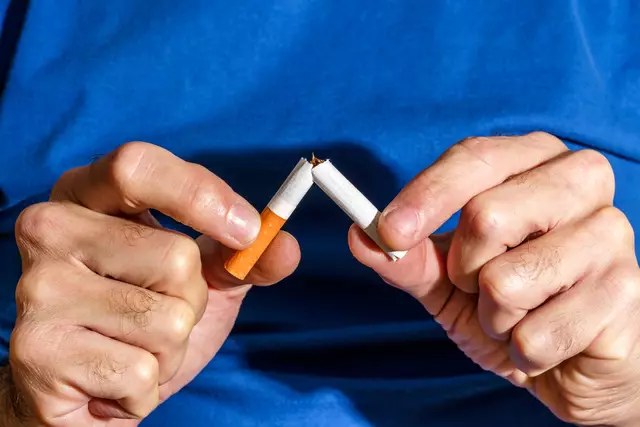
For decades, the medical world focused lung cancer awareness on smokers.
But now that nonsmoking patients fill hospital rooms, the message is shifting.
Doctors want you to know:
If you have lungs, you can get lung cancer.
That might sound blunt.
But it’s true.
And it’s the only way to wake people up to the reality that the disease is changing.
Which brings us to the biggest warning of all.
Lung Cancer Symptoms Often Appear When It’s Already Advanced
Unlike many illnesses, lung cancer rarely shows early symptoms.
By the time something feels “wrong,” the disease may already be in Stage 3 or 4.
Here are symptoms doctors say you should never ignore — even if you’ve never smoked:
- A cough that lasts more than 3 weeks
- Shortness of breath
- Pain in the chest or back
- Hoarseness
- Fatigue that doesn’t go away
- Unexplained weight loss
- Frequent lung infections
- Coughing up blood
But here is the challenge:
Most nonsmokers don’t associate these symptoms with lung cancer — so they assume it’s allergies, a cold, or stress.
And that delay can change everything.
Early Screening Saves Lives — But Most Nonsmokers Don’t Get It
Doctors recommend lung cancer screenings for:
- People over 50
- Anyone with long-term exposure to environmental risks
- Anyone with a family history of cancer
- People living in high-radon regions
- Long-term city residents breathing heavy pollution
The scan is quick.
Non-invasive.
Covered by most insurance plans.
Yet tens of millions of people never schedule it — because they think lung cancer is something that happens to “other people.”
Doctors say this misconception is now deadly.
And there’s a financial angle people rarely consider.
The Financial Reality: Medical Costs Can Be Devastating Without Prevention
Lung cancer treatment can cost hundreds of thousands of dollars, even with insurance.
Early detection:
- Saves lives
- Saves lungs
- Saves money
- Reduces long-term treatment
- Improves survival rates dramatically
Many health economists now argue that at-home radon testing, air purifiers, and regular screenings are among the most cost-effective healthcare investments a family can make.
Preventing the disease — or catching it early — is far cheaper than treating it late.
Which brings us to the part people always underestimate.
Your Home Is One of the Biggest Determinants of Lung Health
Doctors say that improving your home environment can dramatically reduce lung cancer risk.
Here’s what experts recommend:
1. Test your home for radon
Every home has different levels — even houses next door to each other.
2. Improve ventilation
Open windows. Use fans. Improve airflow.
3. Invest in a HEPA air purifier
Especially if you live in a polluted or wildfire-prone region.
4. Replace old carpets
They trap toxins, dust, and thirdhand smoke.
5. Use a range hood when cooking
Gas stoves emit pollutants linked to lung irritation.
6. Avoid chemical-heavy cleaning products
Choose natural or low-VOC options.
7. Upgrade insulation and sealing
It prevents radon seepage and improves indoor air quality.
These home improvements don’t just protect your lungs — they increase home value, reduce utility bills, and create a healthier living environment.
But there’s one more question everyone reading this should ask themselves.
Would You Recognize the Signs in Time?
If you developed a persistent cough next week…
Would you ignore it?
If you felt short of breath walking up the stairs…
Would you blame it on stress?
If your energy dropped for no clear reason…
Would you assume it’s normal?
Or would you get checked?
These questions matter because lung cancer is quiet… until it isn’t.
And the people who survive are often the ones who acted early.
The Takeaway: Lung Cancer Isn’t a Smoker’s Disease Anymore — It’s a Global Threat
Doctors want everyone — smokers and nonsmokers — to understand three things:
- Anyone with lungs can get lung cancer.
- Invisible risks are everywhere — at home, work, and outdoors.
- Early screening is the difference between life and death.
The good news?
You can take control.
You can test your home.
You can filter your air.
You can get screened.
You can protect your family.
No fear.
Just awareness.
Just action.
Because the sooner we stop thinking lung cancer is “someone else’s problem,” the sooner we start saving lives — including our own.