
Table of Contents
- When a Preventable Disease Becomes a National Burden
- A Local Crisis Reveals a National Problem
- The Hidden Cost of Falling Vaccination Rates
- Breaking Down the Billion Dollar Price Tag
- Why Every Case Comes With a High Price
- Lessons From Past Outbreaks
- A Shifting Approach to Public Health Messaging
- The Strain on Health Systems and Workers
- The Human Cost Beyond the Numbers
- A Preventable Crisis With Growing Consequences
- What the Future Holds If Trends Continue
- A Defining Moment for Public Health Policy
When a Preventable Disease Becomes a National Burden
When measles cases began spreading rapidly across parts of the United States in early 2025, local health officials were not just facing a medical emergency but a financial one that few communities were prepared for. What started as a localized outbreak in West Texas quickly exposed deeper cracks in the country’s public health infrastructure, especially as vaccination rates continued to decline in many regions. The resurgence of a disease once declared eliminated has now evolved into a costly and complex national issue, raising urgent questions about preparedness, funding, and the long-term consequences of inaction. What followed was not only a race to contain infections but also a stark realization of how expensive prevention failure can become.
A Local Crisis Reveals a National Problem
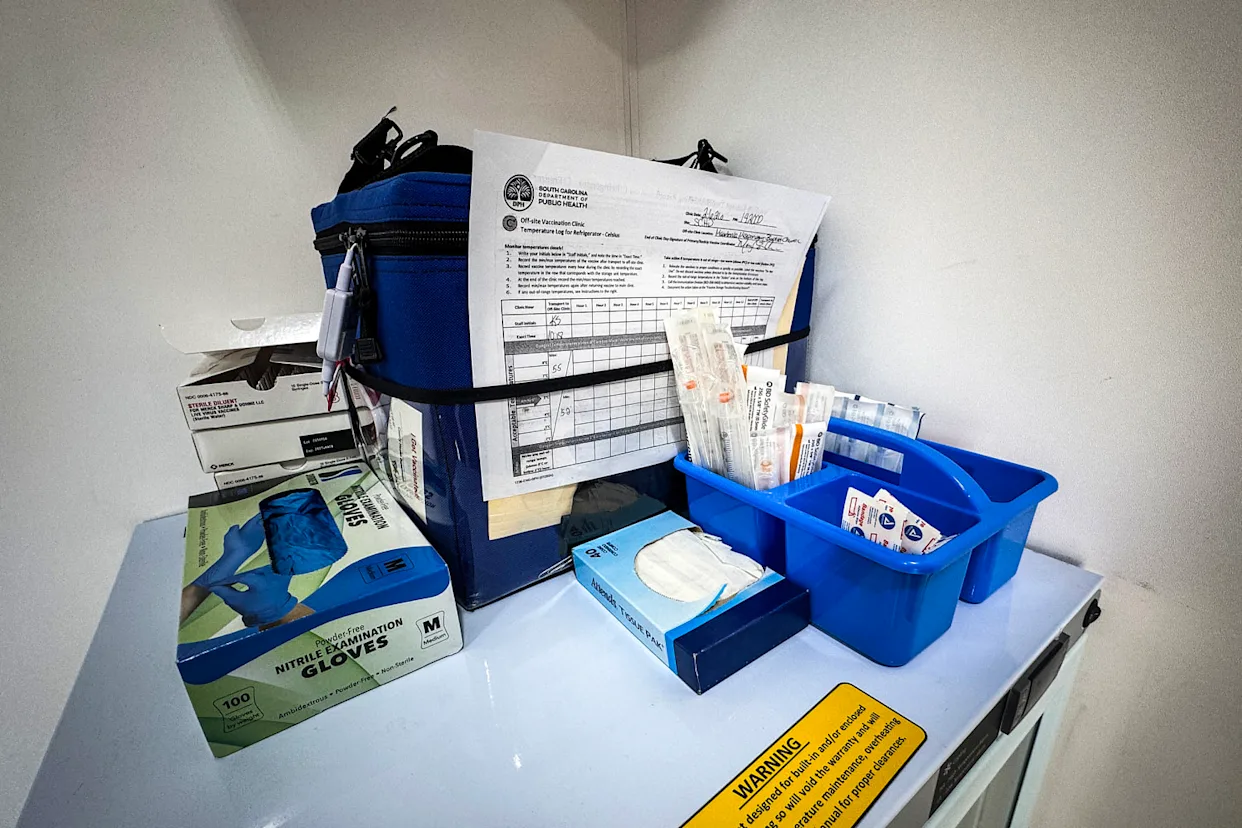
In Lubbock, Texas, public health director Katherine Wells found herself scrambling for resources as measles exposures multiplied across pediatric clinics, restaurants, and daycare centers. Her team was stretched to the limit, with staff working excessive hours just to keep up with contact tracing and outbreak response. Despite repeated requests for emergency funding to hire temporary workers, the answer from state authorities remained the same. No additional financial support was available.
This forced Wells to rely heavily on existing staff, pushing them beyond sustainable limits. The situation highlighted a troubling reality. Even well-organized health departments can quickly become overwhelmed when outbreaks escalate, especially without adequate financial backing. What happened in Lubbock is not unique. It is a preview of what many communities may face as vaccination rates continue to decline.
The Hidden Cost of Falling Vaccination Rates
Over the past several years, vaccination coverage in the United States has quietly eroded. Since 2019, more than two-thirds of counties have reported significant drops in immunization rates. In many areas, coverage has fallen below the threshold needed to prevent measles outbreaks.
Researchers from the Yale School of Public Health warn that if vaccination rates continue to drop by just 1 percent annually over the next five years, the financial consequences could be staggering. Their projections estimate that measles outbreaks could cost the United States up to $1.5 billion every year. This figure includes not only medical expenses but also the broader societal impact of lost productivity and strained public health systems.
The data reveals a troubling trend. A disease that can be prevented with a free vaccine is now threatening to impose massive economic burdens simply because fewer people are choosing to get vaccinated.
Breaking Down the Billion Dollar Price Tag
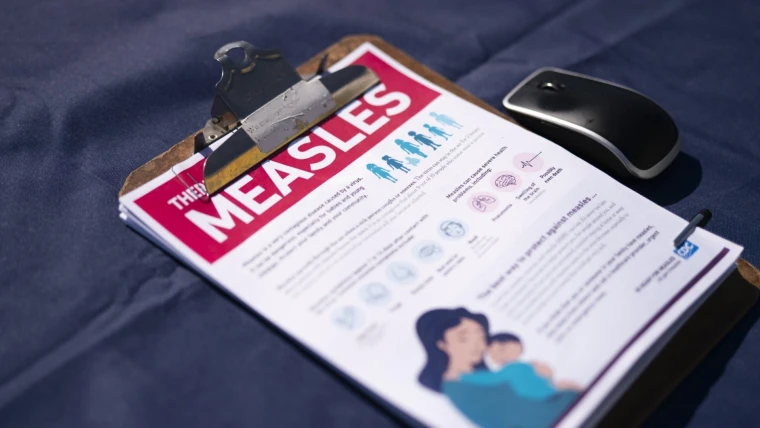
The estimated $1.5 billion annual cost is not just a single expense but a combination of multiple financial pressures that ripple through society. According to Yale researchers, approximately $41 million would be required each year to cover direct medical costs such as hospitalizations and treatments. Meanwhile, public health response efforts, including surveillance, contact tracing, and outbreak management, could account for nearly $947 million.
Perhaps most striking is the impact on the workforce. Lost productivity due to illness, quarantine, and caregiving responsibilities could reach over $510 million annually. This means that the economic burden of measles outbreaks extends far beyond hospitals and clinics, affecting businesses, families, and entire communities.
Why Every Case Comes With a High Price

Each individual measles case carries a significant cost. Studies from Johns Hopkins University estimate that managing a single case can cost around $16,000. This includes medical care, contact tracing, and monitoring individuals who may have been exposed.
When cases multiply, the costs escalate rapidly. An outbreak involving just five people can exceed $300,000, while a larger outbreak of 50 cases may surpass $1 million. These numbers highlight how quickly a seemingly small outbreak can spiral into a major financial burden.
The costs are not just monetary. Every case requires intensive coordination, including tracking down contacts, verifying vaccination status, and enforcing quarantine measures. This process demands time, manpower, and resources that many local health departments simply do not have.
Lessons From Past Outbreaks
Historical outbreaks provide valuable insight into how costly measles can be. In 2019, Clark County in Washington experienced an outbreak involving 72 cases. Public health officials had to mobilize additional staff from across the state and even from neighboring regions to manage the crisis.
The effort required daily monitoring of quarantined individuals, extensive contact tracing, and constant communication with the public. Ultimately, the outbreak resulted in productivity losses exceeding $1 million, even though the number of cases was relatively small compared to current trends.
These experiences demonstrate that even limited outbreaks can have outsized impacts on local economies and health systems. As vaccination rates decline, the likelihood of larger and more frequent outbreaks increases.
A Shifting Approach to Public Health Messaging
The resurgence of measles is also tied to changing attitudes toward vaccination. In recent years, public health messaging in the United States has increasingly emphasized personal choice rather than collective responsibility. While individual freedom remains a core value, this shift has had unintended consequences.
Without strong advocacy for vaccination as a public health necessity, more people are opting out of immunization. This creates pockets of vulnerability where diseases like measles can spread rapidly. The result is a growing risk of widespread outbreaks that threaten not only unvaccinated individuals but also those who cannot be vaccinated due to medical conditions.
The Strain on Health Systems and Workers
Behind every outbreak is a workforce pushed to its limits. Health professionals must manage not only the clinical aspects of the disease but also the logistical challenges of containment. This includes organizing vaccination clinics, coordinating with schools and businesses, and ensuring compliance with quarantine guidelines.
Dr. Dave Chokshi, a public health expert, emphasizes that measles outbreaks affect the entire health ecosystem. Hospitals, clinics, and public health departments all feel the pressure. As resources are diverted to outbreak response, other essential services may be delayed or disrupted.
This strain is not sustainable in the long term. Without increased funding and support, health systems risk becoming overwhelmed, especially if multiple outbreaks occur simultaneously.
The Human Cost Beyond the Numbers
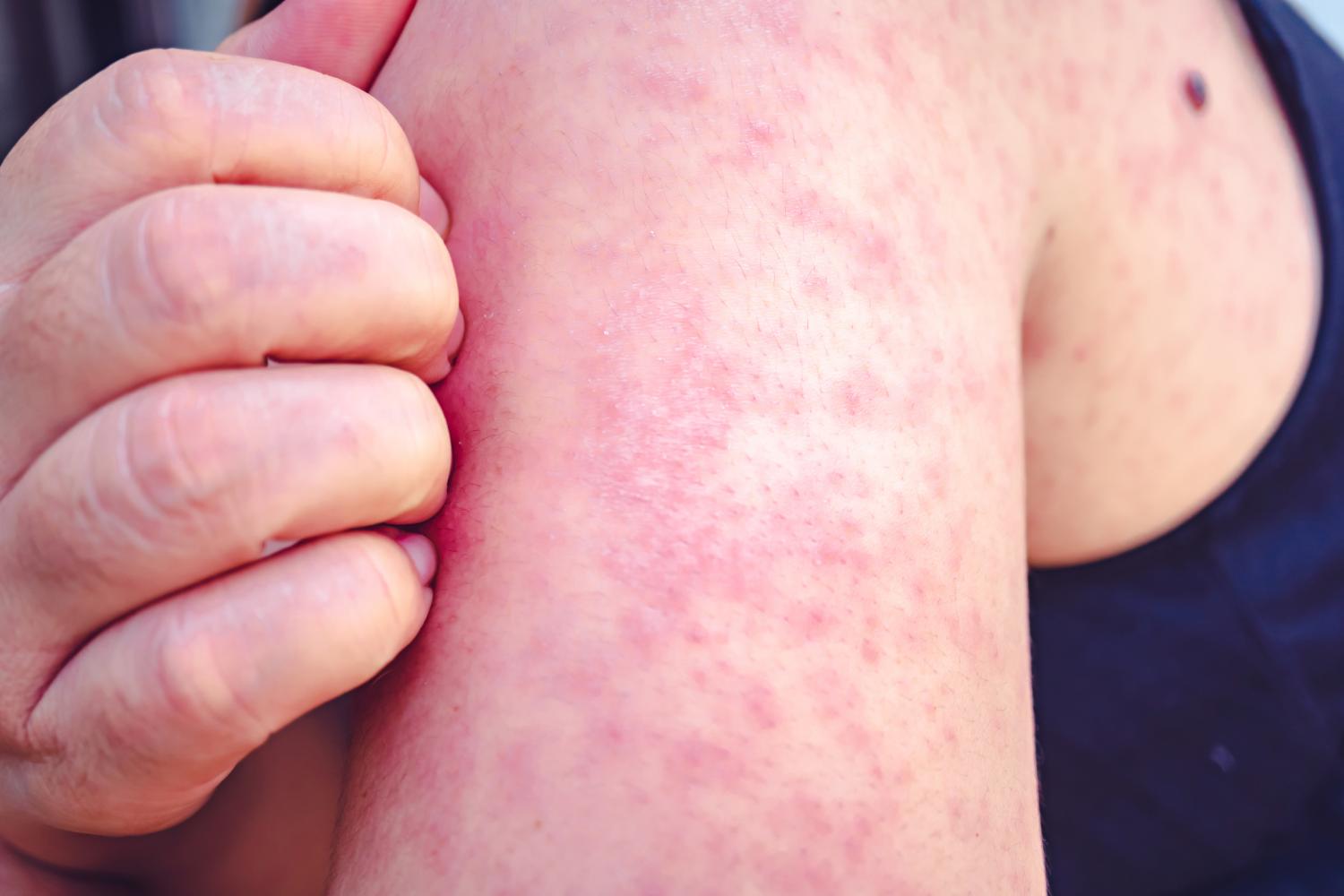
While financial estimates help quantify the impact of measles, they cannot capture the full human toll. Measles is not a harmless childhood illness. It can lead to severe complications, including pneumonia, brain inflammation, and long-term disabilities.
In some cases, the consequences are fatal. Families have faced unimaginable loss as children succumb to complications from the virus. Even survivors may experience lasting effects that alter the course of their lives.
Parents often spend sleepless nights at hospital bedsides, watching their children struggle with high fevers and breathing difficulties. These experiences leave emotional scars that cannot be measured in dollars.
A Preventable Crisis With Growing Consequences
One of the most striking aspects of the measles resurgence is that it is entirely preventable. The measles vaccine is widely available and free in the United States. It has been proven to be safe and highly effective.
Despite this, declining vaccination rates have allowed the disease to regain a foothold. Experts warn that if this trend continues, the United States could lose its measles elimination status, a milestone achieved in 2000.
The situation serves as a reminder that public health achievements can be reversed if vigilance is not maintained. Prevention is not just a medical strategy but an economic one as well.
What the Future Holds If Trends Continue
Looking ahead, the outlook depends largely on whether vaccination rates can be stabilized and improved. If current trends persist, the United States may face more frequent and larger outbreaks, each carrying significant financial and human costs.
Public health experts stress the importance of proactive measures, including education campaigns, improved access to vaccines, and stronger support for local health departments. Without these efforts, the burden of measles outbreaks will continue to grow.
The story of measles in modern America is not just about a virus. It is about choices, priorities, and the consequences of neglecting prevention. As communities grapple with rising cases and mounting costs, one thing becomes clear. The price of inaction is far greater than the cost of prevention.
A Defining Moment for Public Health Policy
The resurgence of measles represents a critical turning point for public health in the United States. It challenges policymakers, health professionals, and communities to reconsider how they approach prevention and response.
The lessons from recent outbreaks are clear. Investing in vaccination and public health infrastructure is not just a moral responsibility but a practical necessity. The alternative is a future where preventable diseases continue to exact a heavy toll on both lives and economies.
As the nation confronts this growing challenge, the question is no longer whether action is needed, but how quickly and effectively it can be taken.