
Table of Contents
- When an Entire Nation Suddenly Goes Dark
- A Nationwide Collapse With No Immediate Answers
- A Fragile System Built on Aging Foundations
- The Role of Oil Shortages in the Crisis
- How External Pressures Intensified the Situation
- Life in the Dark Becomes the New Normal
- The Struggle to Restore Power Step by Step
- Economic Impact Beyond the Blackout
- A System Under Pressure From All Sides
- What This Crisis Means for the Future
- A Nation at a Crossroads
When an Entire Nation Suddenly Goes Dark
When Cuba’s national power grid collapsed without warning in March 2026, the impact was immediate, widespread, and deeply unsettling. Nearly 10 million people across the island were plunged into darkness in a matter of moments, marking one of the most severe energy failures in the country’s recent history. While blackouts have become a familiar part of life in Cuba, this event was different in both scale and implication. It was not just another outage. It was a signal that the country’s fragile energy system may be nearing a breaking point. What follows is not only the story of a blackout, but a deeper look into how years of economic pressure, fuel shortages, and aging infrastructure have converged into a national crisis.
A Nationwide Collapse With No Immediate Answers
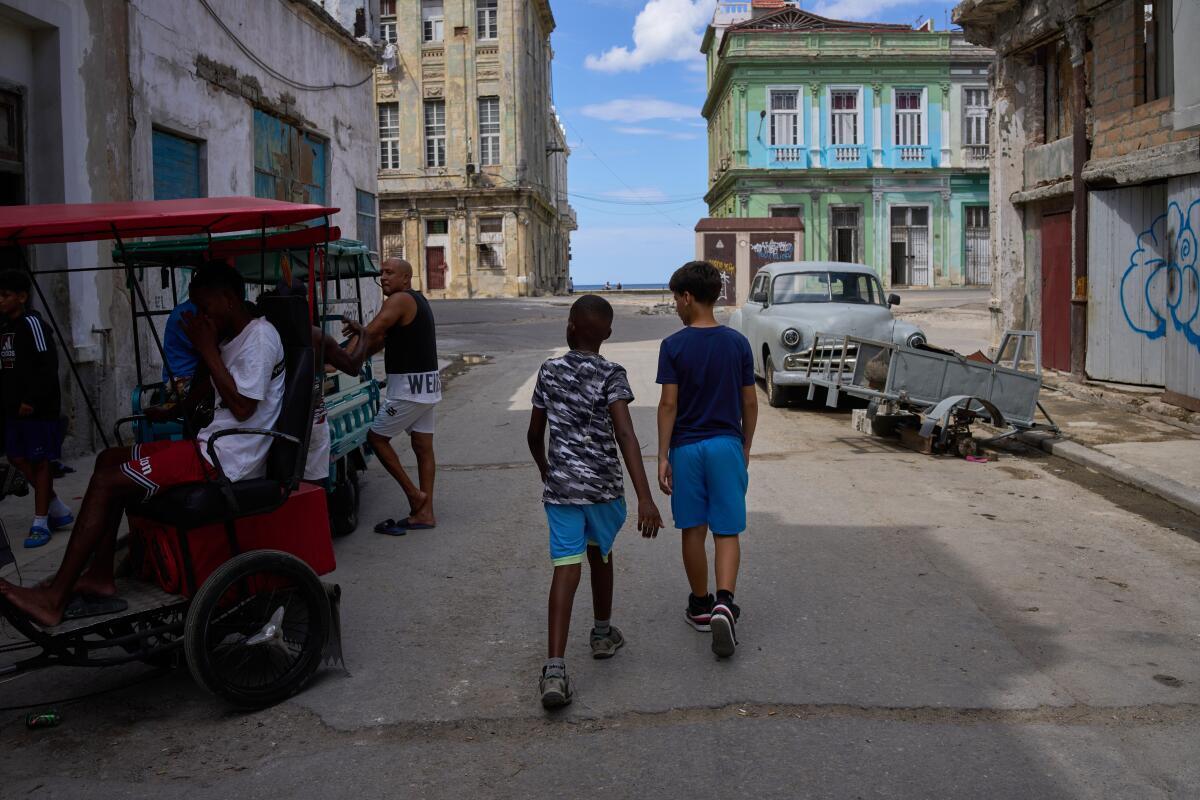
The sudden collapse of Cuba’s power grid left authorities scrambling to understand what had gone wrong. The national grid operator, Unión Eléctrica, confirmed the outage and quickly launched an investigation, but initial findings offered little clarity. Officials ruled out the failure of a major power plant, which is often the cause of such widespread outages, yet they could not pinpoint a definitive reason.
Early indications suggested that the issue may have originated within the transmission system rather than generation itself. This distinction is critical because it highlights a different layer of vulnerability. While power plants may still be capable of producing electricity, the infrastructure needed to distribute that power across the country may no longer be reliable.
A Fragile System Built on Aging Foundations
Cuba’s energy grid is widely regarded as outdated, with much of its infrastructure dating back decades. Over time, limited investment and maintenance have left the system increasingly vulnerable to disruptions. This fragility has been compounded by a lack of consistent fuel supply, which is essential for maintaining stable electricity generation.
The country relies heavily on imported oil to power its electricity plants. Without a steady flow of fuel, even the most well-maintained grid would struggle to function effectively. In Cuba’s case, the situation is further complicated by the condition of its equipment, much of which operates beyond its intended lifespan.
This combination of aging infrastructure and inconsistent fuel supply creates a system that is not only inefficient but also highly susceptible to sudden collapse.
The Role of Oil Shortages in the Crisis
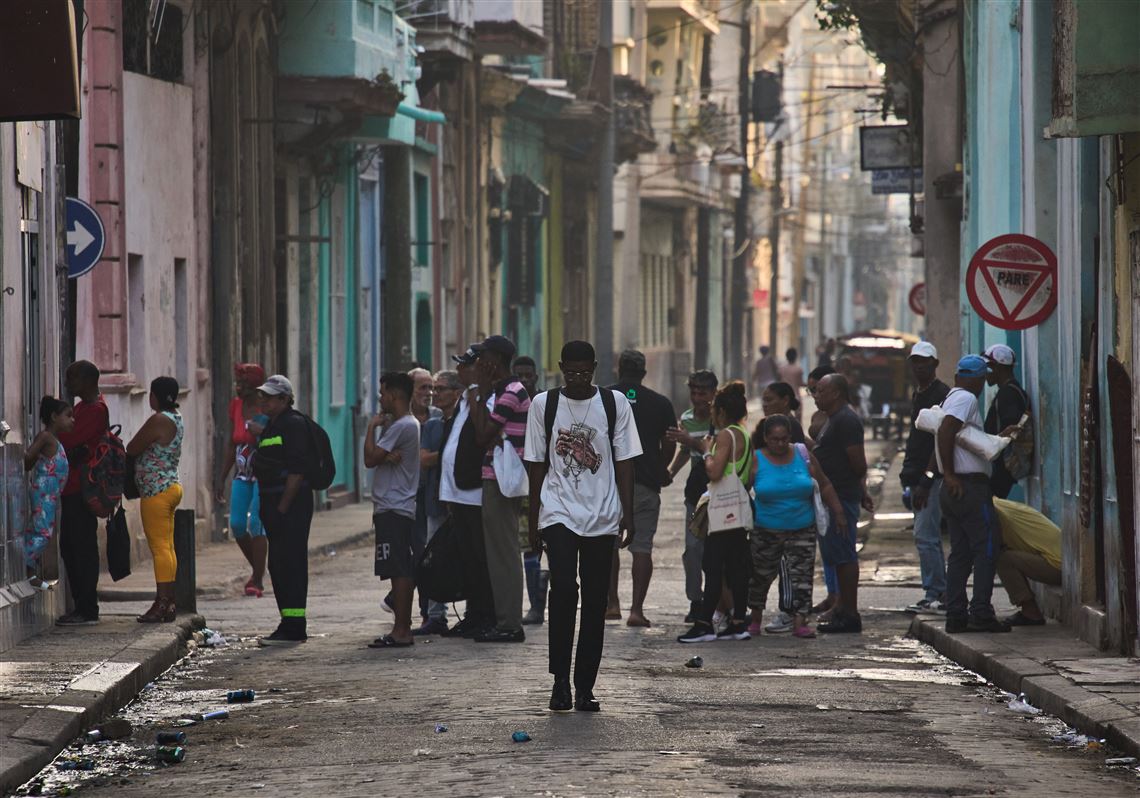
At the heart of Cuba’s energy challenges lies a severe shortage of oil. For years, the country depended heavily on Venezuela as its primary supplier of fuel. However, recent geopolitical developments have disrupted this arrangement, leaving Cuba with limited access to the resources it needs to sustain its power grid.
In 2026, Cuba received only a handful of small oil shipments, a stark contrast to previous years when fuel deliveries were more consistent. The absence of regular supply has forced the country to ration electricity and endure frequent outages, even before the grid collapse.
The situation has been further complicated by external pressures that have restricted Cuba’s ability to secure alternative sources of oil. As a result, the nation finds itself in a precarious position, struggling to meet its basic energy needs.
How External Pressures Intensified the Situation
The energy crisis in Cuba cannot be viewed in isolation. It is closely tied to broader geopolitical dynamics that have shaped the country’s access to resources. Recent policy decisions have significantly limited Cuba’s ability to import oil, placing additional strain on an already fragile system.
Restrictions on fuel shipments, combined with warnings to other countries against supplying oil to Cuba, have effectively tightened the flow of energy resources into the island. This has left Cuban authorities with few options to stabilize their grid.
While negotiations have reportedly begun in an attempt to ease tensions, the immediate impact of these policies is clear. The country’s energy infrastructure is operating under extreme pressure, with little margin for error.
Life in the Dark Becomes the New Normal
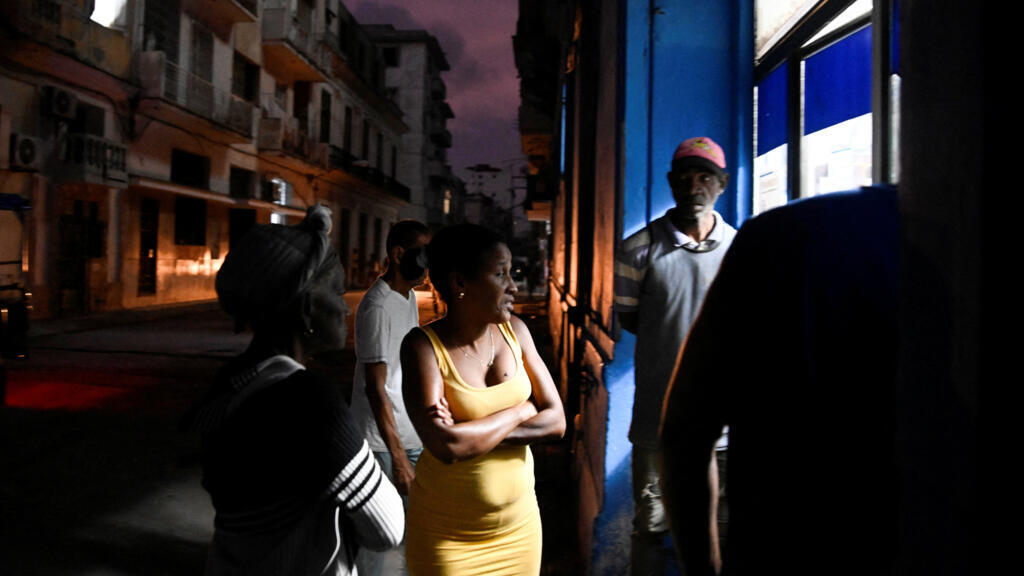
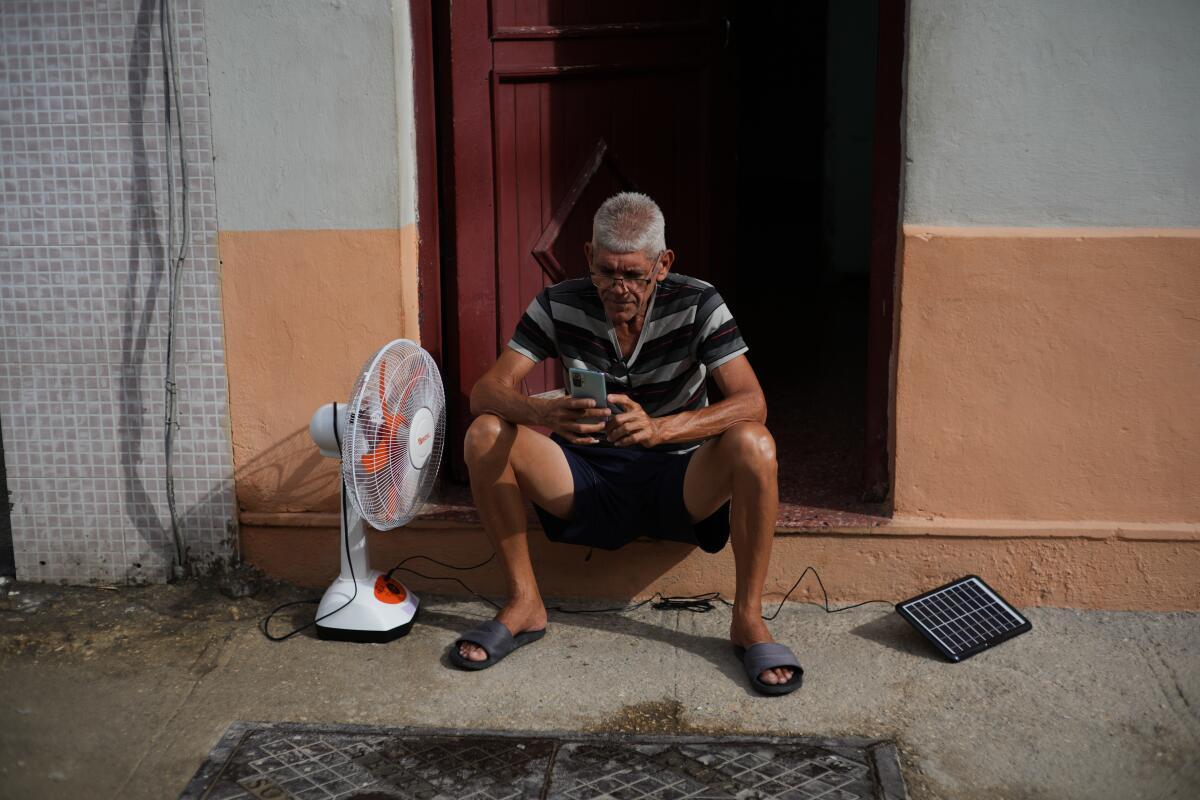
For many Cubans, power outages are no longer an exception but a routine part of daily life. Residents have adapted in various ways, from using generators to relying on alternative cooking methods. However, a nationwide blackout of this magnitude presents challenges that go far beyond inconvenience.
In Havana, residents described the situation with a sense of resignation. For them, the collapse of the grid was not entirely unexpected. Years of recurring outages have conditioned people to anticipate disruptions, even if they do not know when or how severe they will be.
This normalization of instability reflects a deeper issue. When a population becomes accustomed to systemic failure, it signals that the problem has moved beyond temporary disruption and into a prolonged crisis.
The Struggle to Restore Power Step by Step
In the aftermath of the collapse, Cuban officials began the complex process of restoring electricity. Rather than attempting to restart the entire grid at once, they focused on smaller, localized systems known as microsystems. These clusters of circuits can be powered independently, allowing for gradual restoration.
This approach is both practical and necessary. Restarting a national grid requires careful coordination to prevent further damage or instability. By rebuilding the system piece by piece, authorities aim to bring power back safely and sustainably.
However, this process takes time. For millions of people, it means extended periods without electricity, affecting everything from healthcare services to food preservation and communication.
Economic Impact Beyond the Blackout
The collapse of Cuba’s power grid carries significant economic consequences. Businesses are forced to halt operations, leading to lost productivity and income. Essential services, including hospitals and transportation systems, face disruptions that can have far-reaching effects.
For a country already facing economic challenges, the blackout adds another layer of strain. The cost of repairing infrastructure, securing fuel, and managing the crisis places additional pressure on limited resources.
Moreover, the uncertainty surrounding future outages makes it difficult for businesses and investors to plan ahead. This lack of stability can hinder economic recovery and growth, prolonging the impact of the crisis.
A System Under Pressure From All Sides
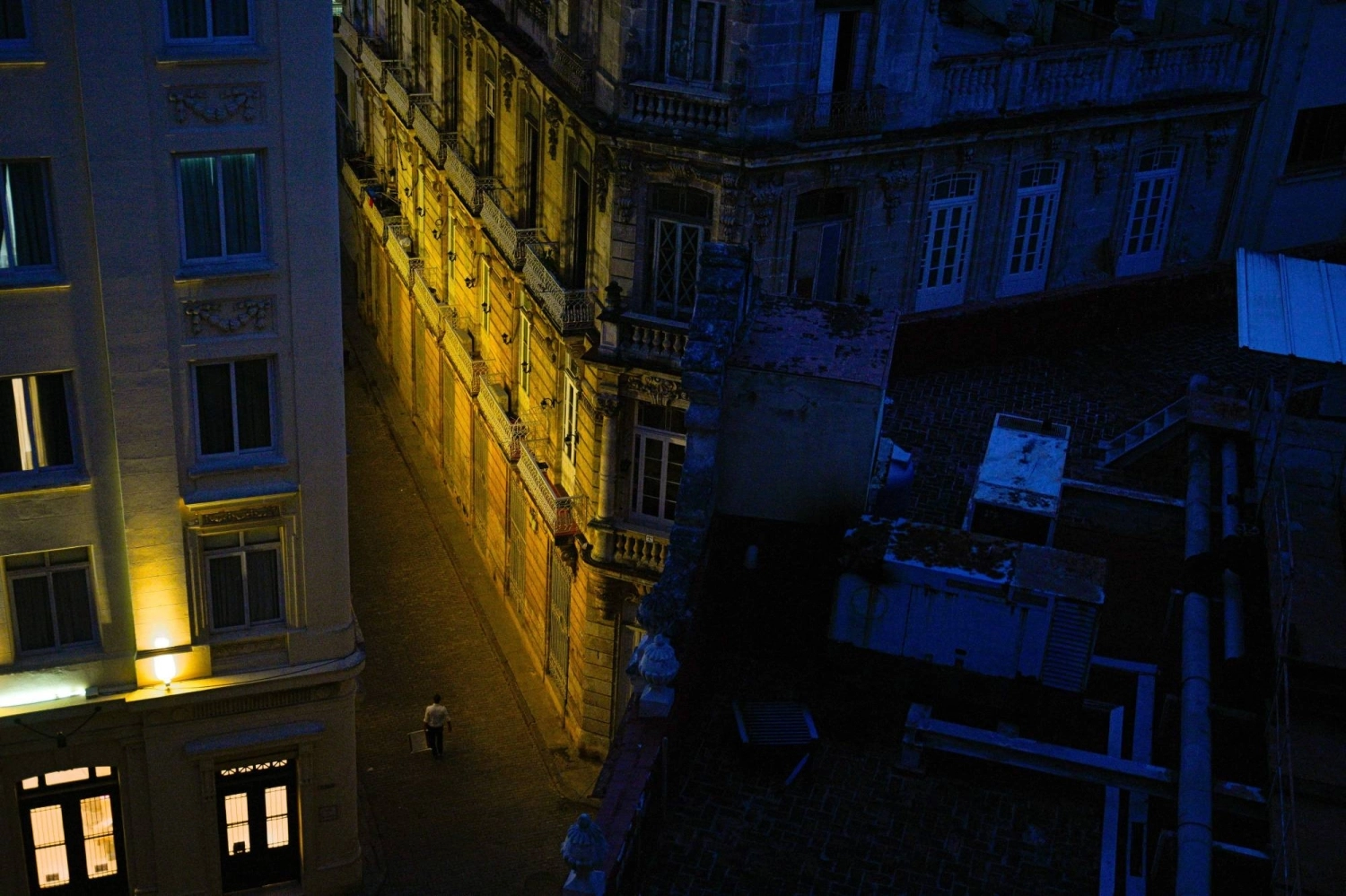
Cuba’s energy crisis is the result of multiple factors converging at once. Aging infrastructure, fuel shortages, and external pressures have created a situation where even minor disruptions can trigger major consequences.
The grid collapse serves as a stark reminder of how interconnected these issues are. Addressing one aspect of the problem without considering the others may provide temporary relief but will not lead to long-term stability.
Experts suggest that meaningful solutions will require a comprehensive approach, including investment in infrastructure, diversification of energy sources, and improved efficiency. Without such measures, the risk of future collapses remains high.
What This Crisis Means for the Future
The events of March 2026 may mark a turning point for Cuba’s energy sector. The scale of the blackout has drawn attention to the urgent need for reform and investment. It has also highlighted the broader implications of energy insecurity in an increasingly interconnected world.
For Cuba, the path forward is uncertain. Negotiations with international partners may offer some relief, but long-term solutions will require significant changes in how the country manages its energy resources.
The crisis also raises important questions about resilience and sustainability. As global energy challenges continue to evolve, countries must find ways to build systems that can withstand both internal and external pressures.
A Nation at a Crossroads
Cuba now stands at a critical juncture. The collapse of its power grid is not just a technical failure but a reflection of deeper structural issues that have been building over time. How the country responds to this crisis will shape its future for years to come.
The blackout has exposed vulnerabilities that can no longer be ignored. It has also underscored the importance of reliable energy as a foundation for modern life. Without it, every aspect of society is affected, from healthcare and education to economic stability and daily routines.
As the lights gradually come back on, the larger challenge remains. Rebuilding trust in the system and ensuring that such a collapse does not happen again will require determination, resources, and a willingness to confront difficult realities.