
Table of Contents
- When Political Attacks Shift Into Personal Territory
- A Comment That Sparked Immediate Reaction
- Understanding Newsom’s Dyslexia
- From Personal Story to Political Flashpoint
- Newsom’s Response and Message to the Public
- The Broader Debate Around Leadership and Ability
- Historical Context of Leaders With Learning Challenges
- Public Reaction Reflects a Divided Climate
- The Intersection of Politics and Personal Identity
- What This Means Ahead of the 2028 Election
- A Moment That Reflects Larger Cultural Shifts
- A Defining Conversation About Leadership and Inclusion
When Political Attacks Shift Into Personal Territory
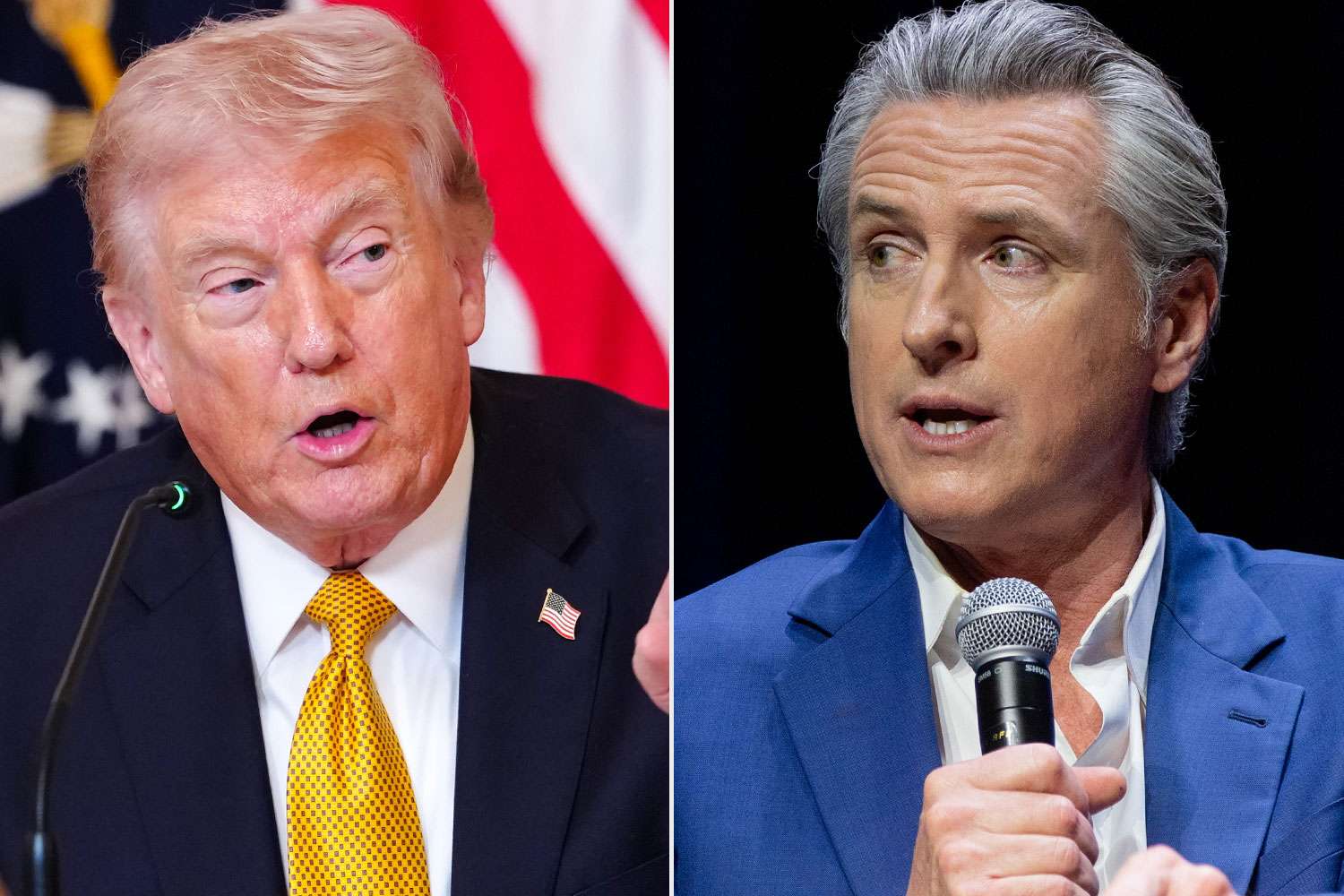
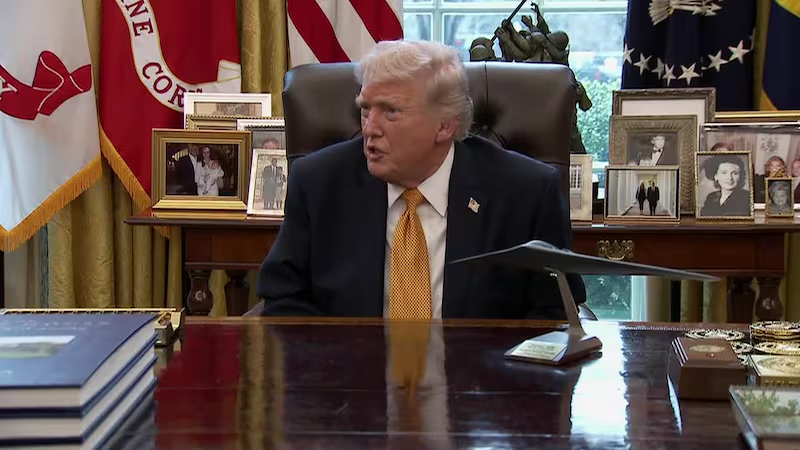
When remarks made inside the Oval Office turned from policy discussion to personal critique, the political landscape once again found itself navigating a deeply sensitive issue. During a conversation about voter identification laws in March 2026, former President Donald Trump referenced California Governor Gavin Newsom’s dyslexia, suggesting that a learning disability should disqualify someone from holding the highest office in the country. The moment quickly escalated beyond a routine political jab, raising broader questions about leadership, perception, and the role of personal challenges in public service. What followed was not just another exchange between political rivals, but a national conversation that reached far beyond politics itself.
A Comment That Sparked Immediate Reaction
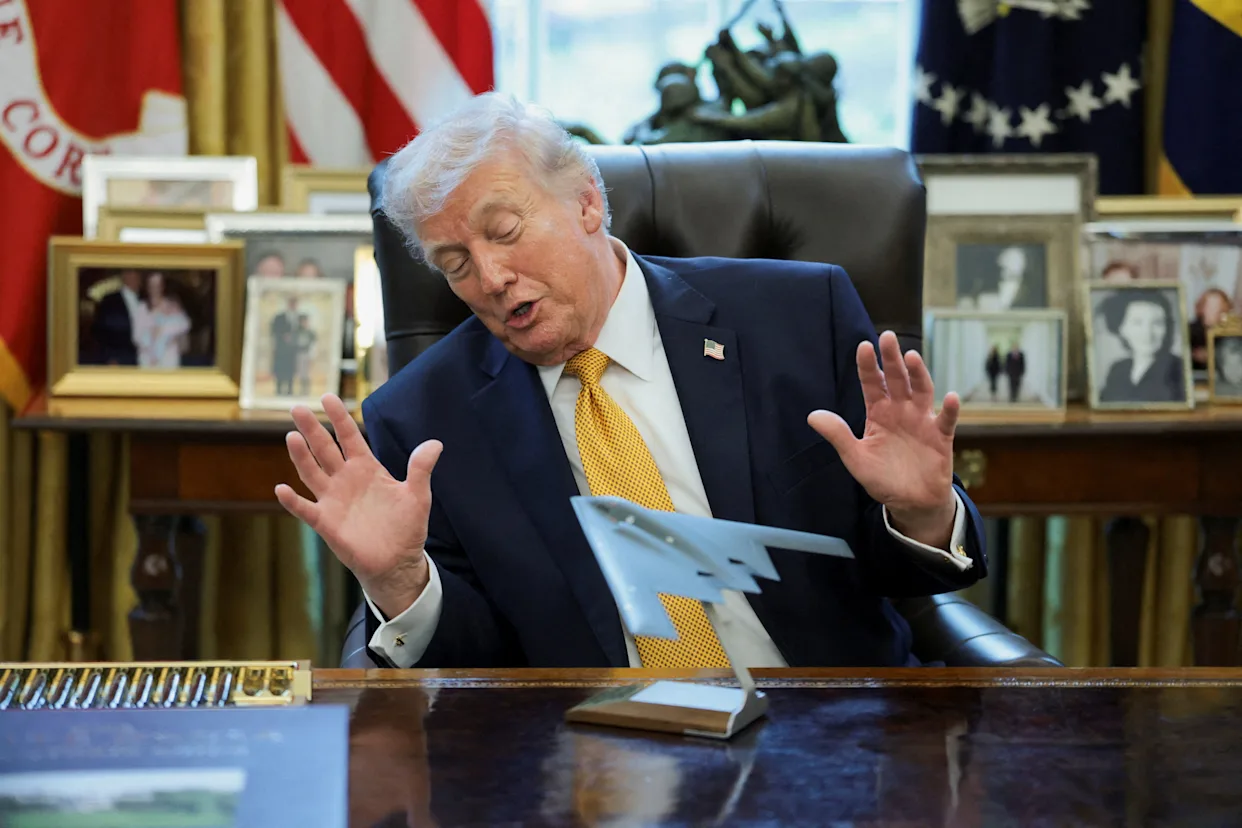
Trump’s remarks were delivered in a familiar tone that blended criticism with controversy. Referring to Newsom as someone with a learning disability, Trump stated that while he supports individuals with such challenges, he does not believe someone with a learning disability should serve as president. The statement was framed as controversial even by Trump himself, acknowledging its potential impact while doubling down on the sentiment.
The response was swift. Critics across the political spectrum expressed concern over the implications of such a statement, arguing that it reinforced outdated and harmful perceptions about individuals with learning disabilities. Supporters, on the other hand, viewed the comment as part of Trump’s broader style of blunt and unapologetic political rhetoric.
Understanding Newsom’s Dyslexia
Gavin Newsom has never hidden his dyslexia. In fact, he has spoken openly about it throughout his career, often framing it as a challenge that shaped his resilience rather than a limitation that defined him. Diagnosed at a young age, Newsom struggled academically during his early years, particularly with reading and traditional learning methods.
Over time, he adapted by developing alternative strategies, relying on memory, listening skills, and verbal communication to succeed. His openness about dyslexia has been a central theme in his public narrative, especially during the promotion of his memoir. He has frequently described himself as someone who has not overcome dyslexia but continues to live with it, turning it into a source of strength.
From Personal Story to Political Flashpoint
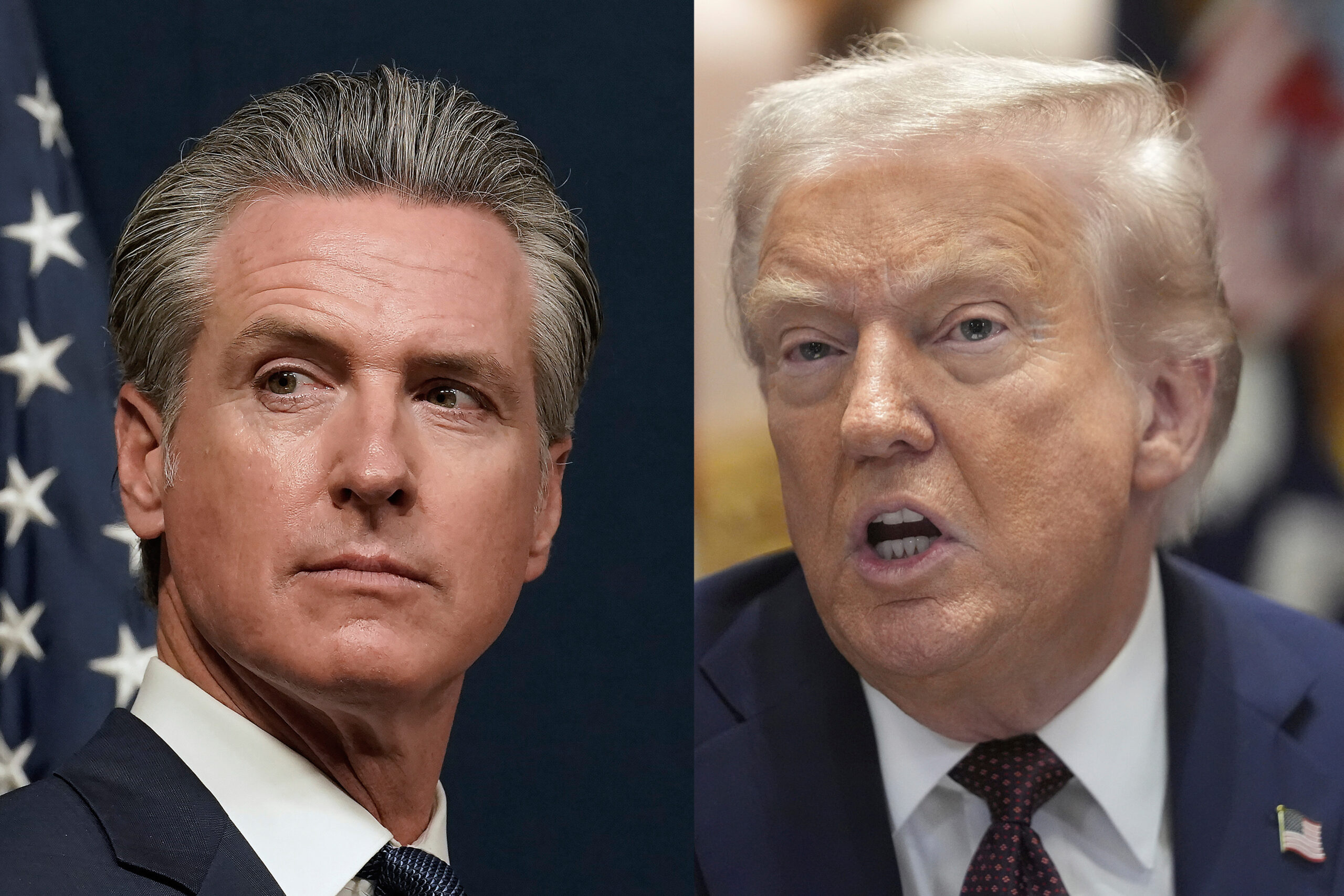
What began as a personal story of perseverance has now become a focal point in political discourse. Trump’s comments transformed Newsom’s dyslexia from a biographical detail into a subject of national debate. The issue is no longer just about one individual’s experience but about how society views learning differences in positions of power.
This shift highlights a recurring pattern in modern politics, where personal attributes are often scrutinized as part of broader ideological battles. In this case, the conversation extends beyond partisan lines, touching on issues of inclusivity, representation, and the evolving understanding of cognitive diversity.
Newsom’s Response and Message to the Public
Newsom responded quickly, using social media to address the remarks. In his response, he reframed the narrative, emphasizing that dyslexia is not a weakness but a different way of thinking. He also directed a message toward young people with learning disabilities, encouraging them not to be discouraged by criticism, even when it comes from the highest levels of government.
This response resonated with many, particularly within communities that advocate for greater awareness and acceptance of learning differences. By turning the criticism into a moment of encouragement, Newsom shifted the focus from the attack itself to a broader message of empowerment.
The Broader Debate Around Leadership and Ability
The controversy has reignited a longstanding debate about what qualities define effective leadership. Does a learning disability impact a person’s ability to govern, or can it contribute unique strengths that enhance decision making and problem solving?
Experts in education and psychology often point out that individuals with dyslexia can possess strong creative thinking, adaptability, and big picture reasoning. These traits can be valuable in leadership roles, where complex challenges require innovative solutions.
The debate also raises questions about fairness and opportunity. If personal challenges are used as criteria for disqualification, it could set a precedent that excludes many capable individuals from public service.
Historical Context of Leaders With Learning Challenges
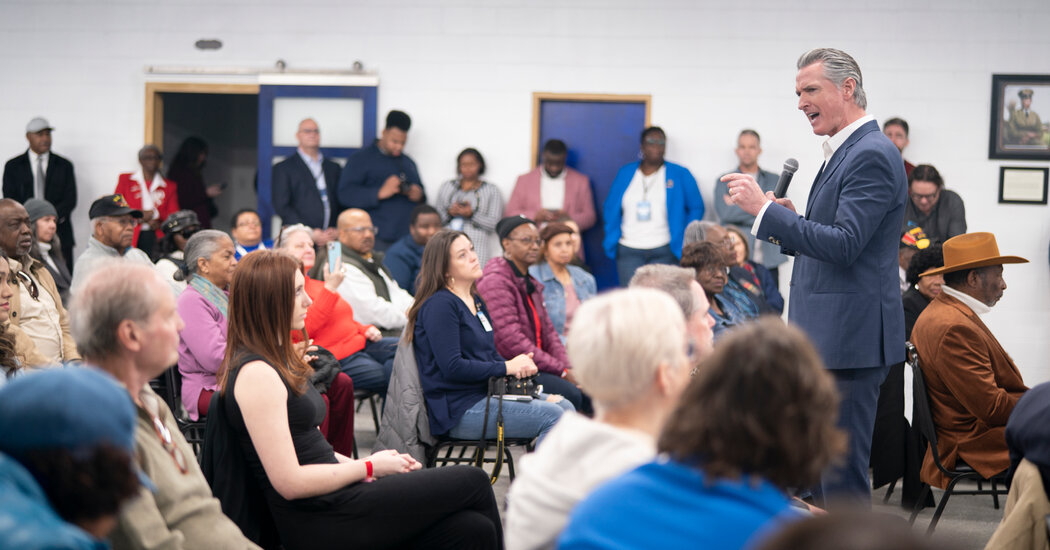
History offers several examples of leaders who have faced learning challenges yet achieved significant success. While not always widely discussed, these examples challenge the notion that traditional academic strengths are the sole indicators of leadership potential.
The mention of past presidents with learning difficulties has surfaced in response to the current controversy, serving as a reminder that leadership comes in many forms. These historical parallels add depth to the conversation, suggesting that the relationship between learning differences and leadership is far more complex than it may appear.
Public Reaction Reflects a Divided Climate
Public reaction to the controversy has been deeply divided, reflecting the broader polarization of American politics. For some, Trump’s comments are seen as an example of candid expression, unfiltered by political correctness. For others, they represent a step backward in the ongoing effort to promote inclusivity and understanding.
Social media platforms have amplified these reactions, turning the issue into a trending topic that extends beyond traditional news outlets. The debate has drawn in voices from various sectors, including educators, activists, and public figures, each contributing their perspective to the conversation.
The Intersection of Politics and Personal Identity
This घटना underscores how personal identity has become increasingly intertwined with political narratives. Attributes such as health, background, and personal history are often brought into the spotlight, sometimes overshadowing policy discussions.
In this case, the focus on dyslexia shifts attention away from substantive political issues and toward individual characteristics. This dynamic raises important questions about the direction of political discourse and the balance between personal critique and policy debate.
What This Means Ahead of the 2028 Election
With speculation already building around the 2028 presidential race, the controversy adds another layer of complexity to an already evolving political landscape. Newsom is widely considered a potential candidate, and this incident may influence how voters perceive him.
At the same time, the debate could shape broader conversations about the qualities voters prioritize in a leader. Will the focus remain on personal attributes, or will it shift back to policy and governance?
The outcome of this discussion may have lasting implications, not only for individual candidates but for the standards by which leadership is evaluated in the future.
A Moment That Reflects Larger Cultural Shifts
Beyond politics, the controversy reflects broader cultural shifts in how society understands and discusses learning differences. Over the past few decades, there has been growing recognition that conditions like dyslexia are not deficits but variations in how the brain processes information.
This evolving perspective challenges traditional assumptions and encourages a more inclusive approach to education and leadership. The current debate serves as a reminder that progress in this area is ongoing and that public discourse plays a crucial role in shaping perceptions.
A Defining Conversation About Leadership and Inclusion
As the discussion continues, it becomes clear that this is more than a political disagreement. It is a defining moment in how society views the intersection of ability, identity, and leadership. The controversy has brought attention to issues that extend far beyond a single comment, prompting reflection on values that shape both politics and culture.
In the end, the question is not just about whether a person with dyslexia can lead, but about what kind of society chooses its leaders. The answer will depend on how these conversations evolve and what lessons are drawn from them.