
Table of Contents
The Controversial Joke
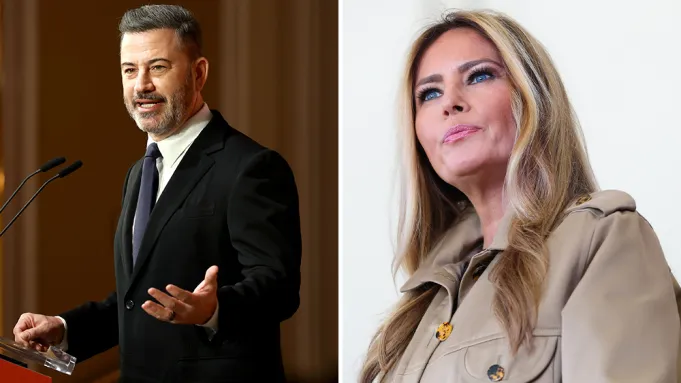
The remark in question was made during Kimmel’s late-night show on Thursday, April 25, 2026, in a parody of the White House Correspondents’ Dinner. Kimmel, in his signature comedic style, said of the First Lady, “Mrs. Trump, you have a glow like an expectant widow.” The joke was intended to be humorous but was widely criticized for its insensitivity, particularly in light of the recent shooting attempt at the event.
Kimmel’s comment was not only in poor taste but was also delivered just two days before an alleged gunman attempted to breach the event, leading to the rapid evacuation of President Trump, Melania Trump, and other top officials. The shooting incident underscored the gravity of the situation and made Kimmel’s joke appear tone-deaf to many.
Melania Trump’s Response
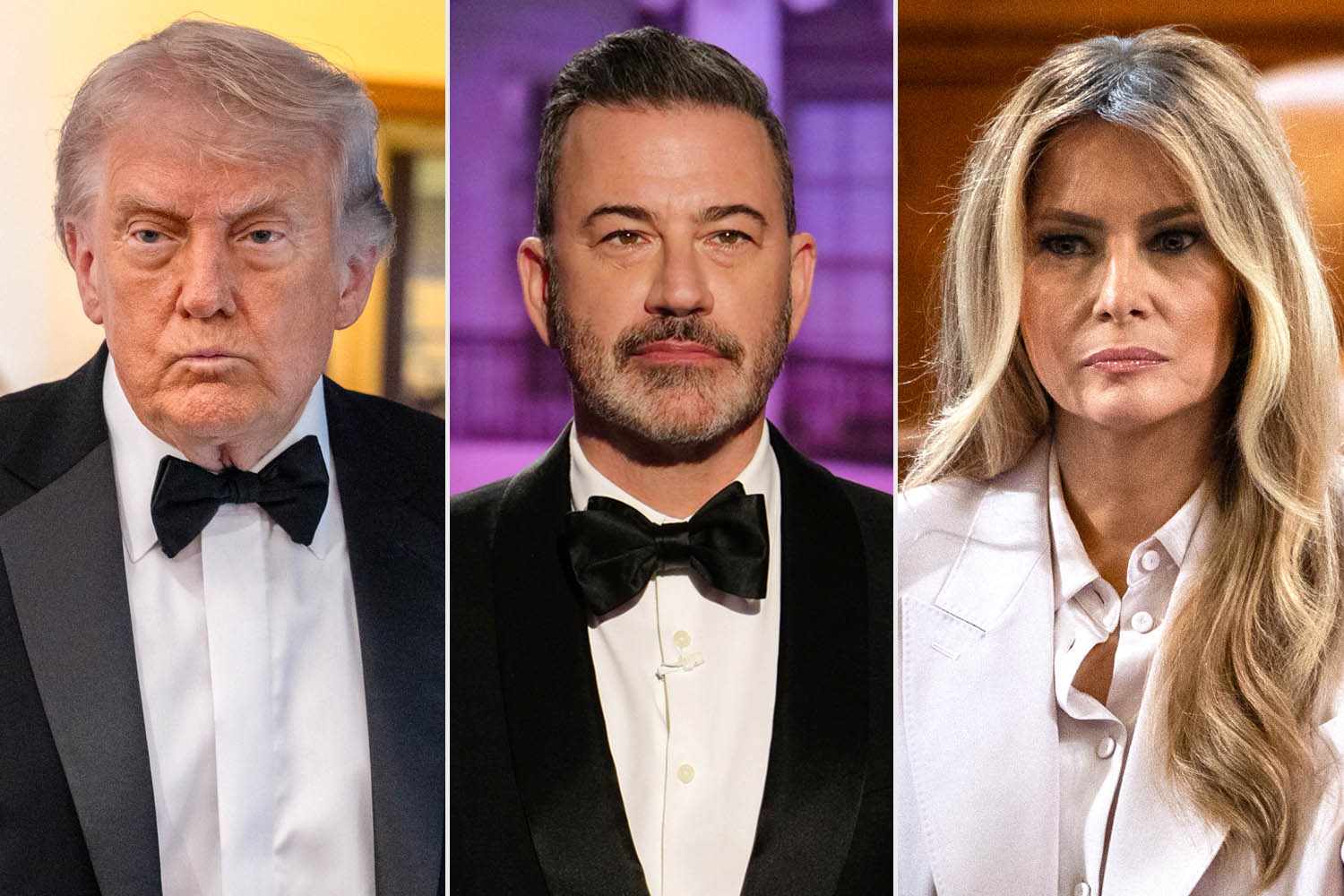
In response to the joke, Melania Trump took to social media, condemning Kimmel’s words as “corrosive” and harmful. “Kimmel’s hateful and violent rhetoric is intended to divide our country,” she wrote in a statement shared on Twitter. “His monologue about my family isn’t comedy—his words are corrosive and deepen the political sickness within America.”
Her statement went on to denounce Kimmel’s platform, claiming that figures like him shouldn’t be allowed to “enter our homes each evening to spread hate.” She labeled Kimmel a “coward,” accusing him of hiding behind the protection of ABC, which she claimed would continue to shield him from the consequences of his actions.
ABC Under Pressure
With Melania Trump’s remarks igniting a firestorm of controversy, ABC now faces mounting pressure to address the situation. The call for Kimmel’s firing from the Trump family highlights the broader debate over the limits of comedy and free speech in today’s politically charged environment.
This situation is not the first time Kimmel has found himself at the center of controversy. Last year, he was briefly taken off the air after making remarks about conservative activist Charlie Kirk’s assassination, which some critics claimed were politically charged. ABC reinstated Kimmel’s show after public backlash and criticism from free speech groups, but this latest incident has once again thrust the network into a difficult position.
Melania Trump’s call for ABC to “take a stand” and discipline Kimmel adds a new layer to the ongoing tension between entertainment and politics, with the network now caught between protecting Kimmel’s right to free expression and addressing the concerns of a political figure demanding accountability.
The Growing Divide Over Free Speech
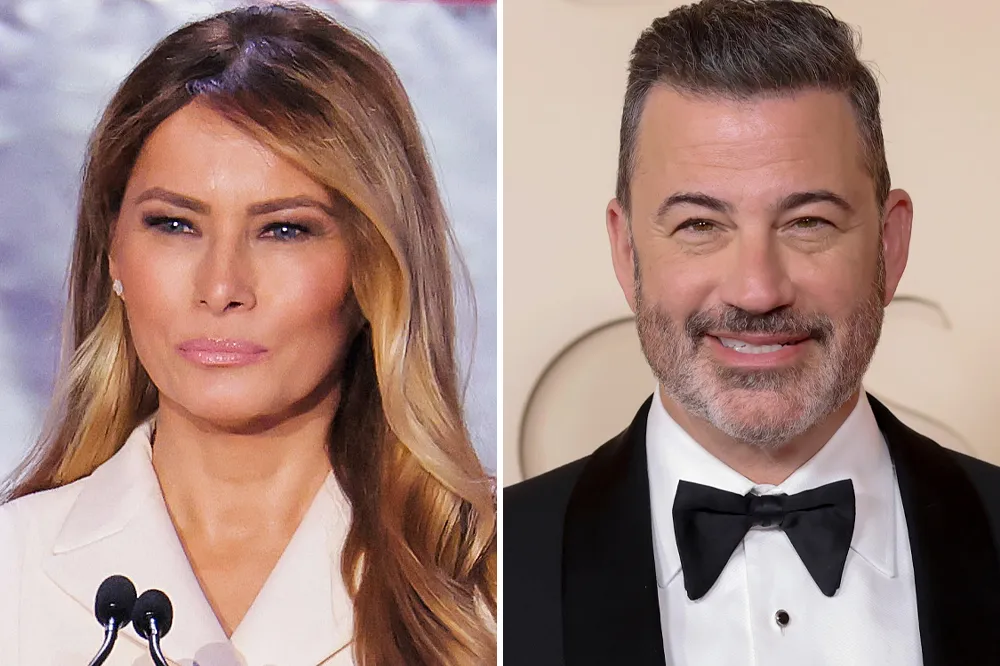
At the heart of this controversy lies a broader issue of free speech and media accountability. Comedians, particularly those on late-night television, have long been a source of political commentary, often mocking public figures, including presidents, through satire. However, as political divisions deepen in the U.S., jokes that once might have been considered harmless fun are increasingly seen as inciting division or even violence.
The debate centers around whether comedy should be censored or whether comedians should have the freedom to push boundaries, even at the expense of offending others. Critics of Kimmel argue that jokes like his can contribute to the toxic political climate, while his supporters maintain that comedy is a crucial part of democratic discourse and should not be subject to political pressure.
Kimmel’s Previous Controversies
Jimmy Kimmel is no stranger to controversy. His late-night show has featured a variety of sharp political jokes aimed at President Trump and other political figures. In 2017, Kimmel faced criticism after mocking President Trump’s handling of the assassination of Charlie Kirk, a conservative activist. The backlash from conservative media and the Trump administration led to a brief hiatus for Kimmel’s show.
Despite the criticism, Kimmel’s show was reinstated after a public outcry from free speech advocates and Hollywood figures, who saw the suspension as an overreach by the government. Since then, Kimmel has continued to use his platform to poke fun at political figures, often making bold and irreverent jokes about the Trump administration.
However, the line between political satire and personal attack has become increasingly blurred, with Kimmel’s recent joke about Melania Trump reigniting the debate over the responsibility of comedians in a politically divided society.
The Impact on ABC and Disney
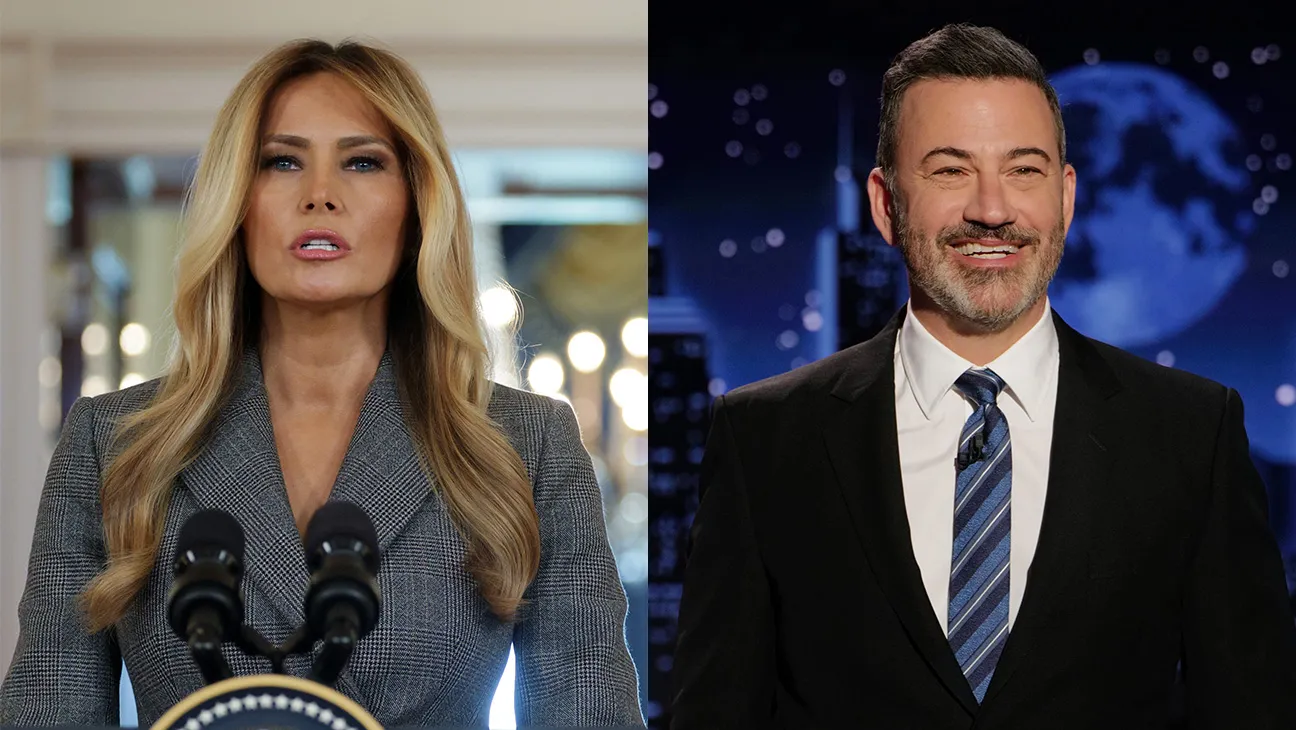
The pressure on ABC to take action against Kimmel puts its parent company, Disney, in a difficult position. Disney has long been seen as a family-friendly brand, and the calls from the Trump family for Kimmel to be fired could create a public relations headache for the company. Disney CEO Bob Chapek, who has faced criticism in the past for his handling of controversial issues, may now have to decide whether to defend Kimmel’s right to free speech or capitulate to political pressure.
ABC has yet to respond publicly to Melania Trump’s statement, but the company’s decision on how to handle the situation will likely set a precedent for how media companies navigate the intersection of entertainment and politics in the age of social media and presidential influence.
A Test for Media Responsibility
The current debate surrounding Kimmel’s joke is a test for the role of media organizations in regulating content. Kimmel’s comments have been widely viewed as crossing a line, particularly in light of the shooting incident. But it’s important to consider the larger context: Should ABC, as a network, be responsible for censoring content based on political influence? Or does Kimmel have the right to joke about public figures as part of his comedic expression?
Melania Trump’s comments have put ABC in a position where it must navigate the fine line between freedom of speech and the potential harm caused by certain forms of political humor. As the controversy continues, the network’s response will be closely scrutinized by both critics and supporters of Kimmel.
What Does This Mean for the Future of Late-Night Comedy?
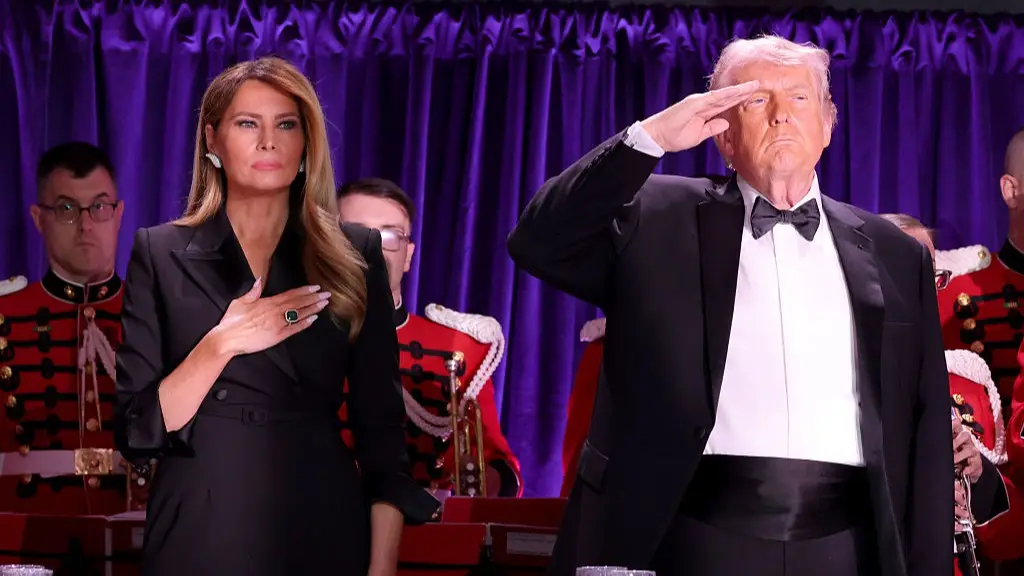
The growing political pressure on late-night hosts like Kimmel raises important questions about the future of comedy and satire in American media. As political divisions continue to deepen, comedians will likely face increasing scrutiny for their remarks, particularly when it comes to mocking political figures.
The question remains: Will late-night comedy continue to serve as a platform for political discourse, or will it be silenced by political pressure? Kimmel’s joke about Melania Trump could be the beginning of a larger trend in which political satire becomes less about humor and more about navigating a political minefield.
The Battle Over Comedy and Politics
The controversy over Jimmy Kimmel’s joke about Melania Trump highlights the ongoing struggle between free speech, media accountability, and political pressure. As the Trump family continues to call for action against Kimmel, ABC and its parent company Disney face a significant decision: whether to stand behind Kimmel’s right to comedic expression or to bow to the demands of a politically influential figure.
As this story develops, it serves as a reminder of the challenges that comedians and media outlets face in a politically polarized society. The outcome will likely shape the future of late-night comedy and its role in American political discourse.