
Table of Contents
The Growing Crisis of Ocean Plastic
The scale of the ocean plastic crisis is staggering. It is estimated that over 170 trillion pieces of plastic are currently afloat in the world’s oceans, and this number continues to increase at an alarming rate. While large pieces of plastic, like bottles and bags, are visible and often cleaned up, the real danger lies in the microplastics. These tiny fragments, less than five millimeters in size, have infiltrated every corner of the marine environment, from the surface waters to the deepest ocean trenches.
These microplastics originate from various sources: the breakdown of larger plastic items, synthetic fibers shed during laundry, and even the tiny particles generated by the friction of vehicle tires on roads. As these particles break down further, they release harmful chemicals, such as bisphenol A (BPA) and phthalates, which can disrupt hormonal systems in marine animals and, ultimately, humans. The problem is compounded by the fact that microplastics are nearly impossible to remove from the environment once they enter it, making prevention and innovative cleanup efforts essential.
The Birth of the Robotic Fish
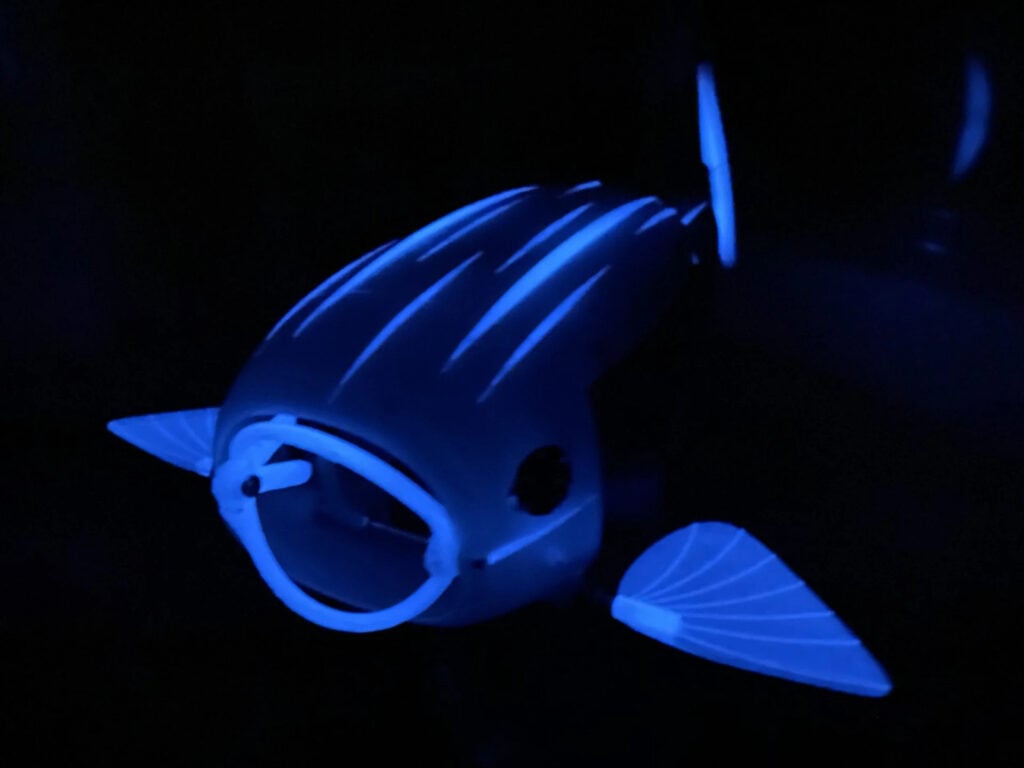
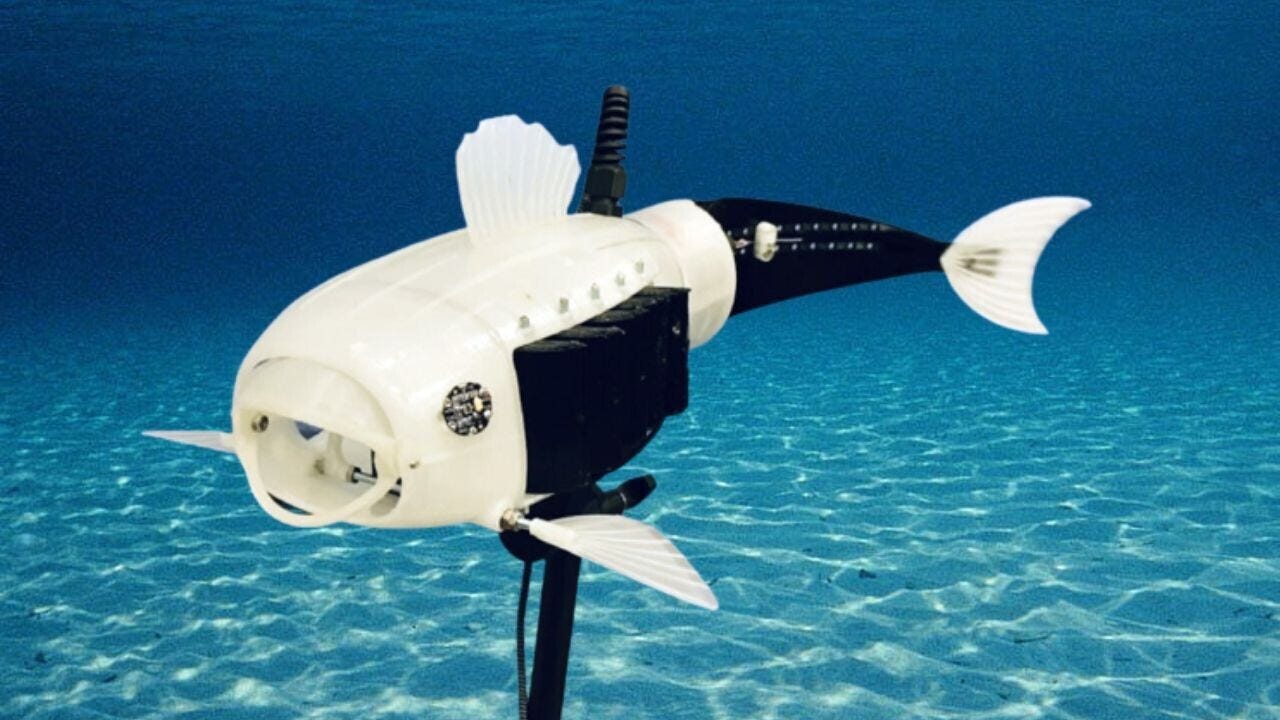
Amid the growing concerns over microplastic pollution, researchers at the University of Surrey in the UK have designed a robotic fish that could offer a novel solution. This robot, which mimics the movement and behavior of real fish, is equipped with a filtration system that draws in microplastic-laden water, collects the pollutants, and then processes the plastic to generate low-voltage electricity. This self-sufficient energy production eliminates the need for external batteries, which are a common environmental concern in traditional cleaning technologies.
The robot’s design is as fascinating as it is functional. Its flexible tail allows it to swim gracefully through the water, while its biodegradable materials ensure that it poses no harm to marine life. The robot collects and digests microplastics, powering itself as it works, and its soft construction allows it to move without disrupting the marine environment. The innovation is poised to revolutionize ocean cleanup efforts by offering a sustainable, autonomous solution to one of the world’s most pressing environmental challenges.
How the Robot Fish Works
The robotic fish functions by mimicking the behaviors of real fish, allowing it to blend seamlessly into marine ecosystems while performing its cleaning duties. The fish’s tail is flexible, allowing it to glide through the water in a fluid, fish-like manner. This movement, combined with its ability to collect microplastics, makes it a highly efficient tool for cleaning up polluted waters.
Once the fish collects the microplastics, it processes the particles to generate low-voltage electricity. This innovative power system means that the fish can operate autonomously without relying on batteries, which are typically used in other types of robotic systems. The fish can patrol for up to twelve hours before needing to “recharge,” and during that time, it can collect up to two kilograms of plastic—far more than what an individual human could collect in the same amount of time.
What makes this robot particularly unique is its use of biodegradable materials. Unlike traditional cleaning machines, which may pose risks to marine life if damaged, this fish is designed to be harmless. It’s a self-sustaining, environmentally friendly device that cleans the oceans while being part of the ecosystem it is meant to protect.
Biomimicry and the Future of Environmental Technology
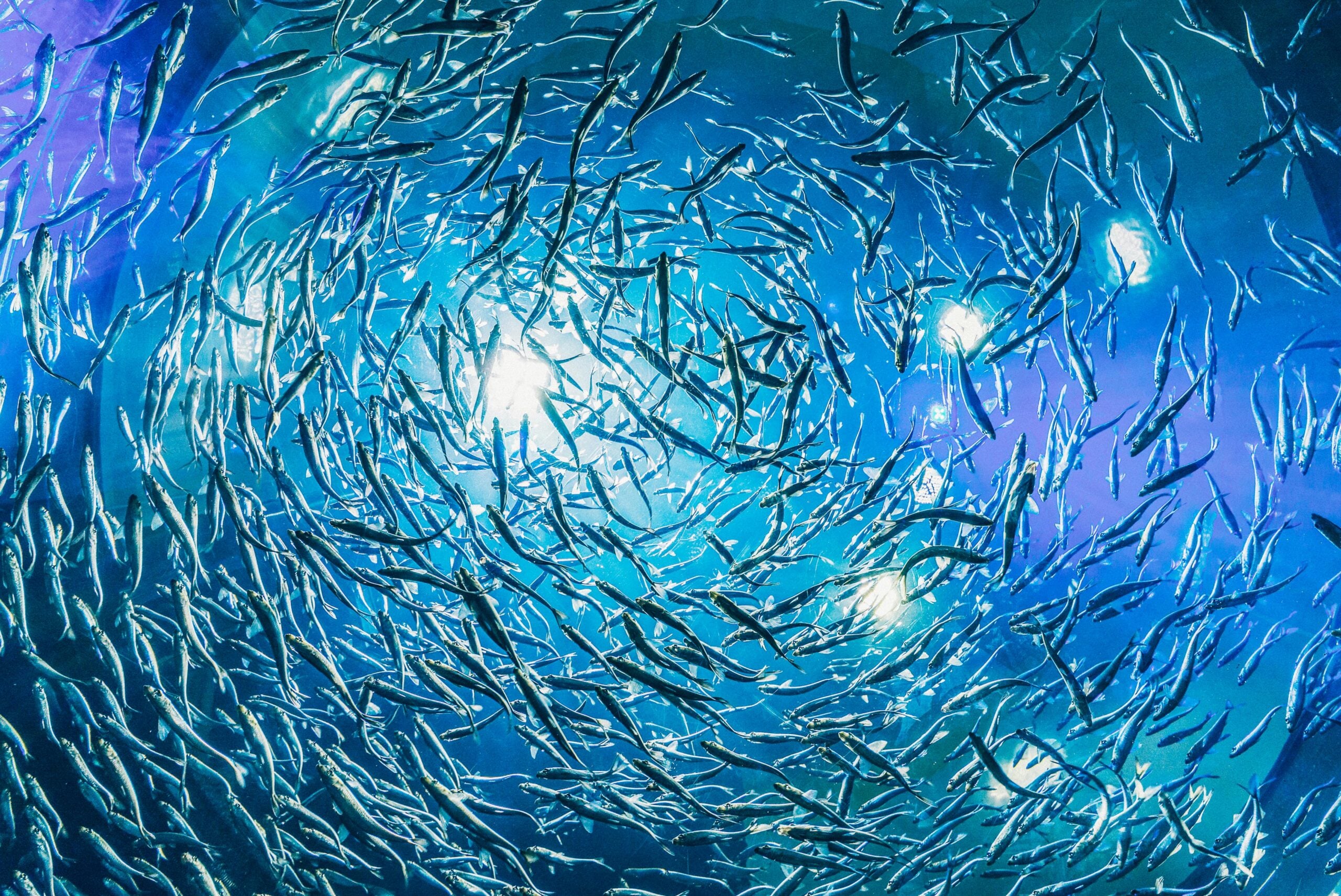
The development of this robotic fish is a perfect example of biomimicry, an approach to innovation that takes inspiration from nature. Scientists have long looked to nature’s solutions to solve human-made problems, and this robotic fish is the latest in a growing list of environmentally conscious technologies inspired by the natural world.
By studying the movements and feeding behaviors of marine animals, researchers have developed a machine that not only cleans up the ocean but does so in a way that mimics the behaviors of fish. This approach represents a paradigm shift in how we think about technology and the environment. Rather than building machines that disrupt natural ecosystems, scientists are now focusing on creating devices that blend into these ecosystems and, in some cases, help restore them.
If the robotic fish can be scaled successfully, it could become part of a larger network of autonomous ocean cleaners. These fish could patrol coastlines, harbors, and other marine areas, working in swarms to clean up the vast amounts of microplastics that currently plague our oceans.
A Global Shift Towards Ocean Robotics
The UK’s robotic fish is not the only example of marine robotics aiming to address ocean plastic pollution. Across the globe, researchers are developing similar technologies designed to clean up the seas. For example, in China, scientists at Sichuan University have created a tiny robotic swimmer that can collect microplastics using electrostatic and chemical interactions. Despite its small size—just 13 millimeters long—the robot is highly effective and can even self-heal if damaged, extending its operational lifespan.
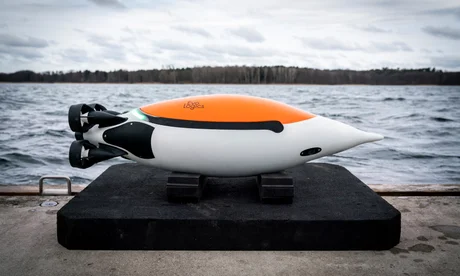
In South Korea, engineers have developed the Ichthus V5.5, a fish-like robot designed to monitor aquaculture and detect pollution before it becomes a threat to marine life. These robots, while diverse in their functions, all share the same goal: to clean up the ocean and protect marine ecosystems.
The common thread between these innovations is the focus on working with nature, rather than against it. By studying the behavior and mechanisms of marine life, scientists are designing robots that can not only clean up pollutants but do so in a way that is harmonious with the environment.
Challenges and Limitations

While the potential of robotic fish is immense, the technology is still in its early stages. The biggest challenge is scaling the technology to have a meaningful impact. One robot can only clean a limited area, so large fleets of robots would be necessary to clean up more expansive areas of the ocean. These fleets would need to be coordinated and equipped with robust navigation systems to ensure that they can cover vast distances and operate effectively in unpredictable marine environments.
Another issue is endurance. The ocean is a harsh environment for any machine, and robotic fish must be able to withstand the corrosive effects of saltwater, as well as the wear and tear from debris. Some robots use self-healing materials to combat this problem, but many still rely on docking stations for recharging, limiting their autonomy.
Perhaps the most pressing issue is that robotic fish can only address the symptoms of ocean plastic pollution, not the root cause. While they can remove microplastics from the ocean, they cannot stop the flow of plastic into the seas. Without a broader shift in how plastic is produced, consumed, and disposed of, robotic fish may become an ongoing necessity rather than a temporary solution.
The Need for Systemic Change
As promising as robotic fish are, they cannot solve the plastic problem on their own. To truly make a difference, we must address the root causes of ocean pollution. This means reducing plastic production, implementing better recycling systems, and shifting to biodegradable materials that do not contribute to the long-lasting damage caused by plastic waste.
In addition, government policies and regulations need to evolve to limit the use of single-use plastics and encourage the development of alternative materials. Public awareness campaigns can also help reduce plastic consumption and encourage individuals to make more sustainable choices.
A Step Toward Restoration
The UK’s robotic fish is an exciting and innovative step in the fight against ocean plastic pollution. By mimicking nature, scientists are creating technology that works in harmony with the environment to restore and protect marine ecosystems. While there are still challenges to overcome, such as scaling the technology and addressing the root causes of plastic pollution, the potential for this technology to change the future of ocean cleanup is immense.
As we continue to develop and refine these technologies, it is crucial that we also address the broader issue of plastic waste. The robotic fish represents a promising future where technology and nature work together to heal the planet. But for that future to become a reality, we must take responsibility for our plastic footprint and commit to meaningful change in how we produce, consume, and dispose of plastic.