
Table of Contents
- Satellite Data Reveals a Hidden Emissions Gap
- Major Cities at the Center of the Discovery
- Why Methane Matters More Than You Think
- The Problem with Current Reporting Systems
- Landfills and Gas Systems as Major Contributors
- A New Era of Monitoring from Space
- Cities That Are Getting It Right
- Turning Waste into Opportunity
- Why This Discovery Changes the Climate Conversation
- What Comes Next for Climate Action
- A Wake-Up Call Hidden in Plain Sight
Satellite Data Reveals a Hidden Emissions Gap
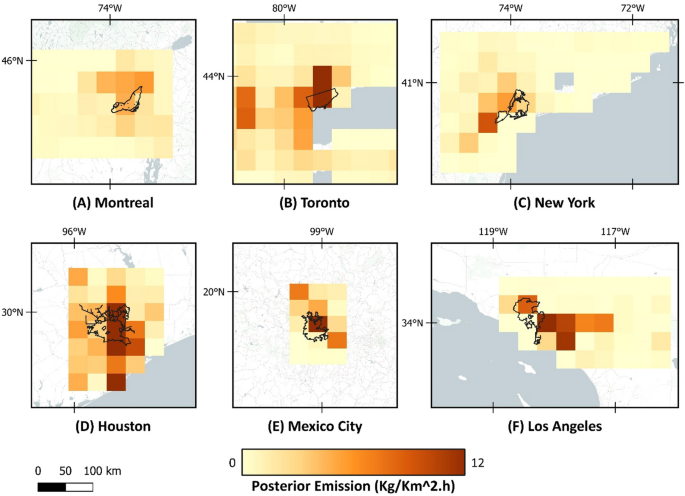
The study, based on satellite observations from advanced monitoring systems, found that methane emissions in major US urban areas could be up to 80% higher than reported in official government inventories. This finding challenges long-standing assumptions about how much pollution cities actually produce and exposes a significant gap between reported data and reality.
Researchers analyzed atmospheric methane concentrations using space-based instruments capable of detecting emissions across entire metropolitan regions. Unlike traditional reporting methods, which rely heavily on ground-level estimates and industry disclosures, satellites provide a broader and more consistent view. This allowed scientists to identify discrepancies that had previously gone unnoticed.
The implications are serious. If emissions are being underestimated at this scale, then current climate models and mitigation strategies may not fully reflect the true extent of the problem.
Major Cities at the Center of the Discovery
The research focused on 12 of the largest urban areas in the United States, including New York City, Los Angeles, Chicago, Houston, and Washington, D.C. These cities are economic powerhouses, dense with infrastructure, industry, and population activity. They are also, as the study suggests, major contributors to methane emissions.
Urban environments are complex systems. Emissions do not come from a single source but from a combination of landfills, natural gas pipelines, wastewater treatment plants, and residential or commercial combustion. This complexity makes accurate measurement difficult, which is why discrepancies can persist for years without detection.
By capturing emissions from an aerial perspective, the satellite data revealed patterns that ground-based systems failed to detect. Entire zones of methane release appeared more active than previously believed, particularly around landfill sites and aging gas infrastructure.
Why Methane Matters More Than You Think
Methane is often overshadowed by carbon dioxide in climate discussions, but its impact is far more intense in the short term. Scientists estimate that methane is more than 28 times more effective than carbon dioxide at trapping heat in the atmosphere over a 100-year period.
Even more concerning is its role in near-term warming. Methane breaks down faster than carbon dioxide, but during its shorter lifespan, it exerts a powerful warming effect. This means that reducing methane emissions could lead to faster climate benefits compared to cutting carbon dioxide alone.
In fact, global research suggests that methane is responsible for nearly half of the current warming observed on Earth today. That makes it not just important, but critical in the fight against climate change.
The Problem with Current Reporting Systems
One of the key reasons behind the underestimation of methane emissions lies in how data is collected and reported. Current systems often depend on self-reported information from industries, combined with generalized models that estimate emissions based on activity levels.
While these methods provide a baseline, they are not always precise. Variations in equipment efficiency, maintenance practices, and environmental conditions can lead to significant differences in actual emissions.
Landfills, for example, are designed to capture methane produced from decomposing waste. However, the efficiency of these systems varies widely. In many cases, gas collection systems fail to capture as much methane as expected, allowing large amounts to escape into the atmosphere.
Without independent verification, these discrepancies can persist, leading to systematic underreporting.
Landfills and Gas Systems as Major Contributors
The study highlights two major sources of urban methane emissions. Landfills and natural gas infrastructure.
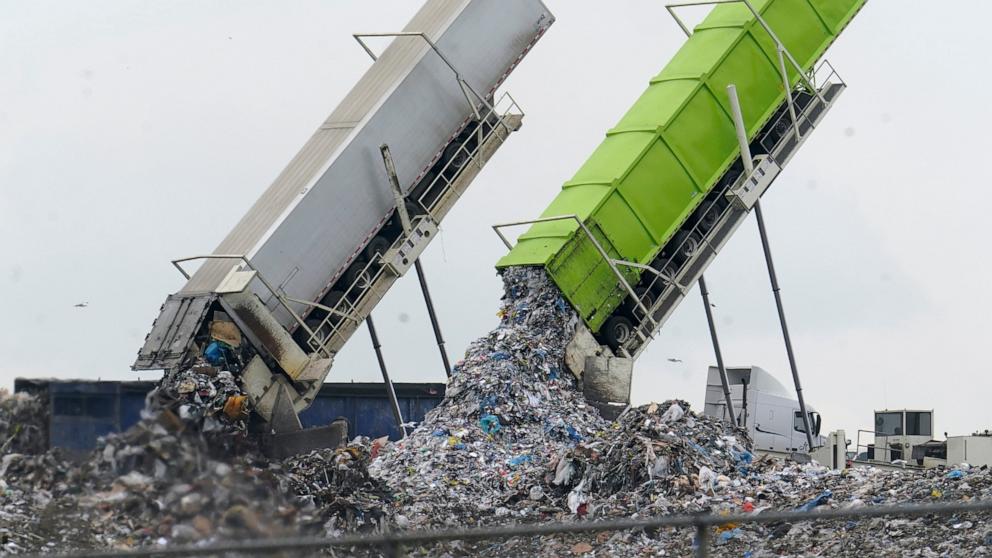
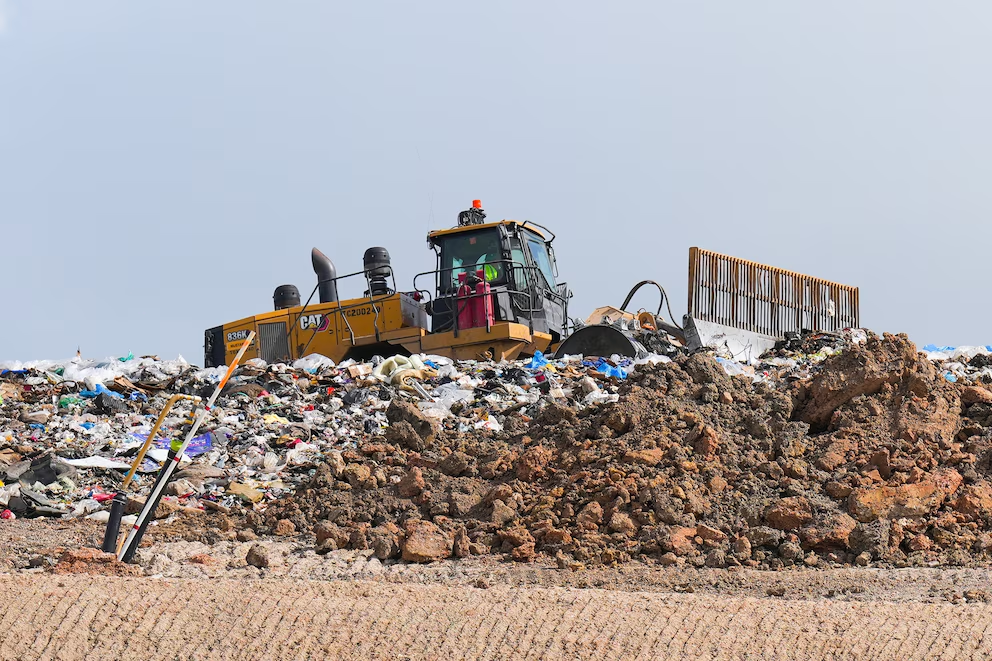
Landfills produce methane as organic waste breaks down in oxygen-poor environments. Although many facilities are equipped with gas capture systems, leaks and inefficiencies are common. In rapidly growing urban areas, waste management systems often struggle to keep up with increasing demand.
Natural gas systems present another challenge. Methane is the primary component of natural gas, and leaks can occur at multiple points, including pipelines, storage facilities, and distribution networks. Older infrastructure is particularly vulnerable, with small leaks accumulating into significant emissions over time.
These sources are not always visible or easily detectable at ground level, which is why satellite monitoring has proven so valuable in uncovering the full picture.
A New Era of Monitoring from Space
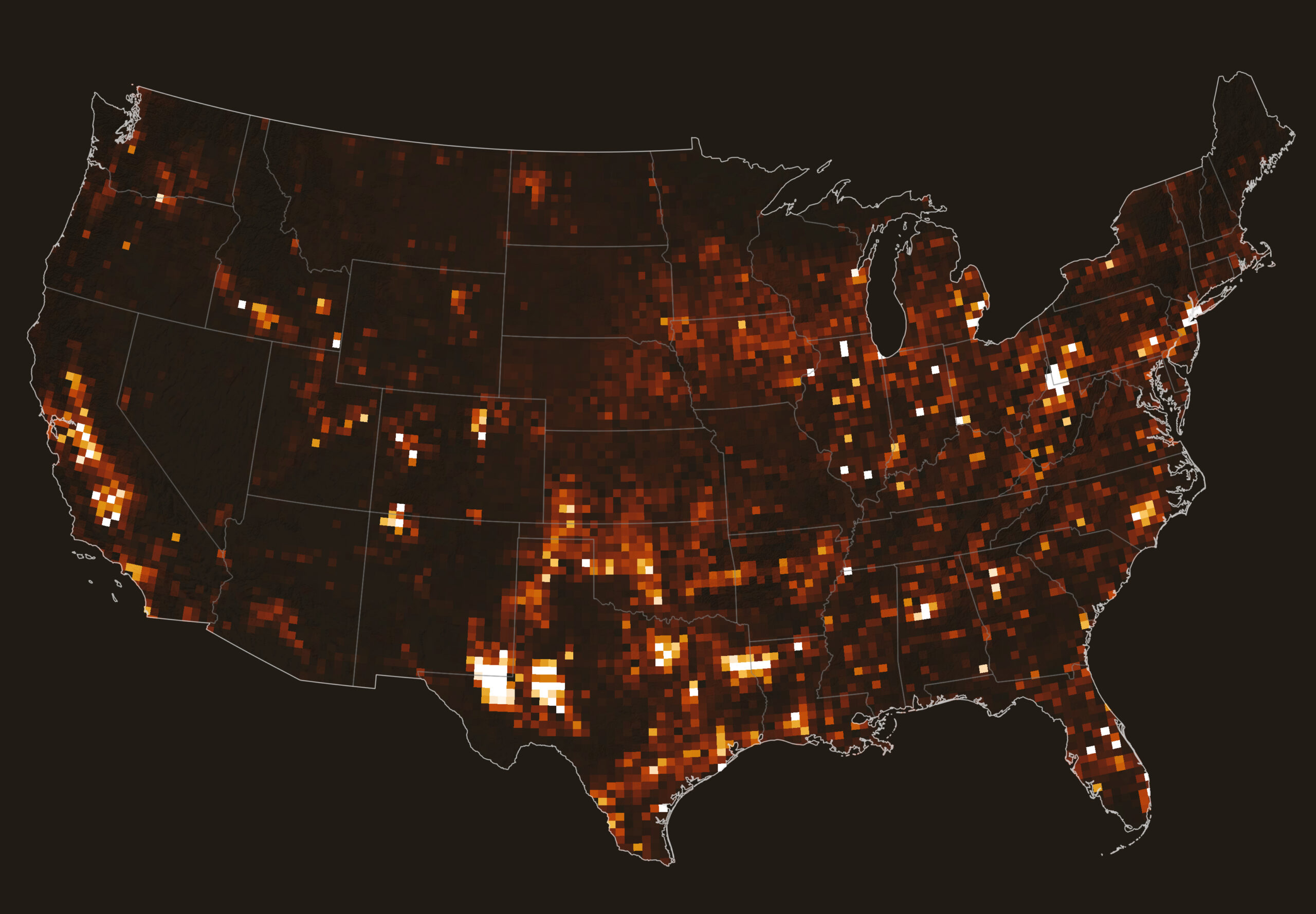
Satellite technology is transforming how scientists track greenhouse gas emissions. By observing atmospheric concentrations from space, researchers can identify emission hotspots across entire regions without relying solely on ground-based measurements.
This approach offers several advantages. It provides consistent data across different locations, reduces reliance on self-reporting, and allows for continuous monitoring over time.
In the case of urban methane emissions, satellite data revealed patterns that traditional methods missed. This not only improves accuracy but also helps policymakers identify specific areas where intervention is needed.
As technology continues to advance, satellite monitoring could become a standard tool in global climate management, offering a clearer and more transparent view of emissions worldwide.
Cities That Are Getting It Right
Despite the concerning findings, there are examples of cities making progress. Some regions have implemented stronger regulations and improved technologies to reduce methane emissions, particularly from landfills.
California, for instance, has introduced stricter standards for methane capture and monitoring. Enhanced gas collection systems and better maintenance practices have helped reduce emissions in certain areas, demonstrating that progress is possible with the right approach.
These successes highlight an important point. Methane emissions are not just a problem. They are also an opportunity. With existing technologies, cities can significantly reduce emissions in a relatively short time frame.
Turning Waste into Opportunity
One of the more optimistic aspects of methane management is its potential for reuse. Captured methane can be converted into energy, providing a renewable source of fuel while reducing emissions.
Landfill gas, for example, can be used to generate electricity or processed into renewable natural gas. This creates a dual benefit. It lowers greenhouse gas emissions and provides an economic incentive for better waste management practices.
Experts suggest that expanding these systems could play a key role in reducing urban methane emissions. Instead of viewing methane as a problem to eliminate, cities can treat it as a resource to harness.
Why This Discovery Changes the Climate Conversation
The revelation that methane emissions may be significantly underestimated forces a reevaluation of current climate strategies. If emissions are higher than expected, then the timeline for addressing climate change becomes even more urgent.
It also raises questions about accountability. Accurate measurement is essential for effective policy. Without it, efforts to reduce emissions may fall short of their goals.
This discovery emphasizes the importance of transparency and innovation in environmental monitoring. It shows that relying solely on traditional methods is no longer sufficient in a rapidly changing world.
What Comes Next for Climate Action
Looking ahead, the focus will likely shift toward improving measurement systems and strengthening emission reduction strategies. Satellite monitoring is expected to play a larger role, providing real-time data that can inform policy decisions and track progress.
Cities may also face increased pressure to upgrade infrastructure, improve waste management systems, and address leaks in natural gas networks. These changes will require investment, but they also offer long-term benefits in terms of environmental protection and economic opportunity.
Ultimately, this discovery serves as a reminder that climate change is not just a global issue. It is a local one, unfolding in cities where millions of people live and work every day.
A Wake-Up Call Hidden in Plain Sight
The idea that methane emissions have been underestimated is both alarming and revealing. It suggests that part of the climate crisis has been hiding in plain sight, masked by incomplete data and outdated methods.
But it also offers a path forward. With better tools, clearer insights, and a willingness to adapt, there is still an opportunity to address these emissions before their impact becomes irreversible.
As scientists continue to refine their understanding and cities begin to respond, one thing is clear. The fight against climate change is entering a new phase. One where accuracy, transparency, and innovation will determine how effectively we can respond to the challenges ahead.