
Table of Contents
- When NASA’s moon return stopped feeling like a distant promise
- Artemis II is the first real crewed step back to deep space
- NASA says the mission is ready, but it is not pretending the risk is gone
- The delays and leaks became part of the story
- The Space Launch System is central to NASA’s future plans
- NASA is skipping another wet dress rehearsal for a reason
- Artemis II is about far more than one launch date
- The emotional power of this mission reaches beyond space enthusiasts
- What success would mean for the next era of lunar exploration
- NASA is now standing at the edge of a defining moment
When NASA’s moon return stopped feeling like a distant promise
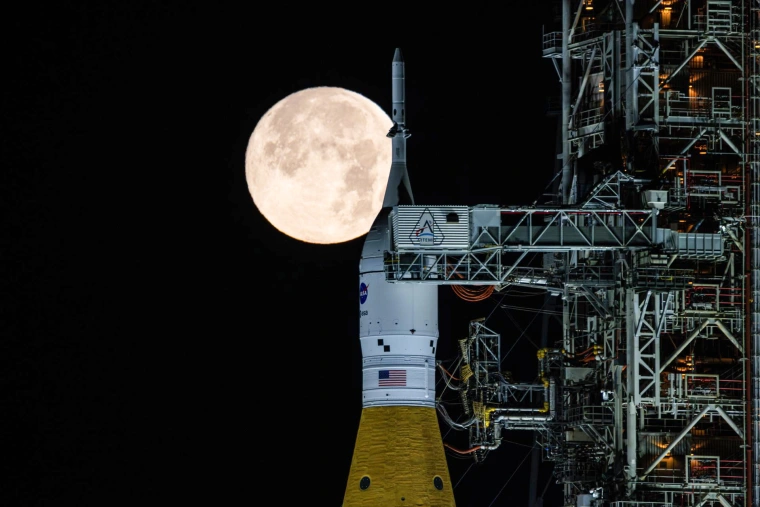
When news broke that NASA was officially targeting April 1 for Artemis II, the moment carried far more weight than a routine launch update. This is not simply another rocket departure from Florida or another carefully managed countdown in front of cameras. Artemis II is the mission meant to send astronauts around the moon for the first time since the Apollo era, reopening a chapter of human spaceflight that has been closed since 1972. For decades, the moon has lived mostly in history books, museum exhibits, and old footage. Now NASA is preparing to make it part of the present again.
That is why this mission feels so important. Artemis II is not a moon landing, but it is the first crewed step back into deep space, and it comes with all the excitement and unease that such a step should bring. Officials say the rocket and the team are ready. They have completed a flight readiness review, are preparing to roll the Space Launch System back to the pad, and are aiming for a 6:24 p.m. ET launch on April 1, with April 2 available as a backup opportunity. Yet even in the middle of growing confidence, NASA has been careful not to oversell certainty. Artemis II is still a test flight. It still carries risk. And it still represents one of the most consequential moments in modern American space exploration.
What follows is more than a scheduling update. It is a look at why Artemis II matters, what NASA has overcome to reach this point, and why this mission could become the bridge between the memory of Apollo and the future of human exploration beyond Earth.
Artemis II is the first real crewed step back to deep space
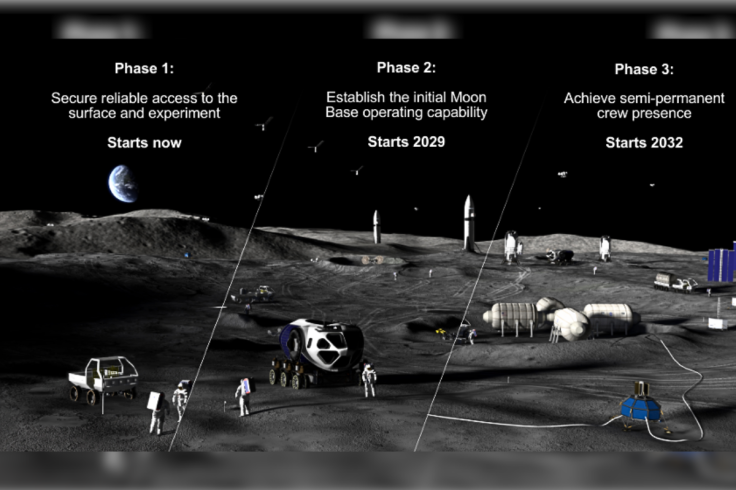
For more than half a century, NASA has not sent astronauts on a mission toward the moon. Human spaceflight continued after Apollo, of course, but it remained largely focused on low Earth orbit through the space shuttle era and the International Space Station. Those missions were extraordinary in their own right, yet they operated in a space environment that allowed faster returns, more familiar logistics, and a different level of operational flexibility. Artemis II is different because it pushes human beings back into deep space, where the stakes rise and the margin for error narrows.
The mission is scheduled to last 10 days and will send four astronauts around the moon and back to Earth. They will not land on the lunar surface. Instead, this flight is designed to test the Orion spacecraft, evaluate life support, communications, propulsion, and navigation systems, and demonstrate that NASA can safely send a crew on a deep space trajectory again. In many ways, that makes Artemis II one of the most important test flights the agency has attempted in generations.
The significance of that cannot be overstated. If Artemis II succeeds, it gives NASA the operational confidence to move toward later missions that are expected to place astronauts near or on the moon. If major problems emerge, the timeline for the rest of the Artemis program could shift dramatically. This is why the mission matters even without a moon landing. It is the proving ground for everything that follows.
NASA says the mission is ready, but it is not pretending the risk is gone
At NASA’s latest briefing, officials said the flight readiness review had concluded with a positive result. Teams polled as ready to launch and fly the mission, pending the completion of final work before rollout to the launch pad. Lori Glaze, acting associate administrator for the Exploration Systems Development Mission Directorate, made the tone of the agency’s position clear. The hardware is ready, the team is ready, but Artemis II remains a test flight, and test flights are never free of danger.
That message matters because NASA is trying to strike a difficult balance. On one hand, the agency must project confidence. The public needs to know that the mission is not being rushed blindly toward the pad. On the other hand, NASA cannot pretend that sending astronauts around the moon on the first crewed flight of a new system is routine. It is not routine. It is exactly the kind of mission that demands sober language.
John Honeycutt, chair of the Artemis II Mission Management Team, reinforced that point when he discussed risk. His comments drew attention because he referenced the historical record of new rocket systems, where early success rates have not always inspired comfort. He later clarified that Artemis II should not be seen as a coin toss or a 50 50 gamble. His point was not that NASA expects failure, but that every new launch system comes with serious unknowns that must be understood, managed, and reduced through engineering discipline.
That is perhaps the most honest thing NASA can say right now. It is not scared to fly, but it is not casual about flying either.
The delays and leaks became part of the story
Artemis II was originally supposed to launch in early February, but the schedule slipped after fuel leaks were detected during testing. A helium leak was later found as well, forcing additional work and sending the rocket back from the launch pad to the Vehicle Assembly Building for repairs. Those delays were frustrating for space fans and gave critics another reason to question whether Artemis timelines are too ambitious or too fragile.
But in another sense, those problems are exactly what test and preparation periods are for. A mission like Artemis II cannot afford unresolved propulsion issues or fueling uncertainty. NASA had to choose between protecting the schedule and protecting the mission. It chose the mission. The leaks were investigated, repairs were made, and the rocket remained under close scrutiny until officials were comfortable advancing toward a new launch target.
That process may not generate the same excitement as a launch countdown, but it is one of the clearest signs that the agency is treating Artemis II seriously. Space history is filled with moments when technical warning signs were ignored or minimized. NASA knows that history better than anyone. So while delays can be disappointing, they are also part of what makes a final go decision more credible when it comes.
The current April 1 target therefore carries more meaning because it comes after those setbacks. It suggests NASA believes the work has been done thoroughly enough to move forward, not simply because the calendar demands it.
The Space Launch System is central to NASA’s future plans
Much of the attention around Artemis II focuses on the astronauts and the moon, but the Space Launch System itself is one of the most important parts of this story. SLS is the powerful rocket designed to send Orion and its crew on their deep space mission. For NASA, it is not just a launch vehicle. It is a symbol of whether the agency can still build and operate the kind of heavy lift system required for ambitious human exploration beyond low Earth orbit.
Officials said the rocket would be rolled back to the launch pad on March 19 following the successful readiness review. After rollout, teams would complete final pad configuration for launch. That may sound procedural, but this stage is where all the pieces begin to converge. Once the rocket is back at the pad, it is no longer an assembly project. It becomes a launch vehicle awaiting its moment.
SLS has faced years of scrutiny over cost, schedule, and long term relevance. Supporters see it as essential infrastructure for deep space exploration. Critics see it as expensive and slower moving than commercial alternatives. Artemis II will not resolve all those debates, but it will provide one very important thing: evidence. If SLS performs successfully in carrying a crew toward the moon, its defenders will have a stronger case that the program is delivering something unique and necessary.
NASA is skipping another wet dress rehearsal for a reason
One of the more interesting operational decisions ahead of Artemis II is NASA’s choice not to conduct another wet dress rehearsal, the prelaunch fueling test often used to validate countdown procedures and tanking operations. Lori Glaze said clearly that when the vehicle is fueled again, NASA wants that to happen on a day when the mission could actually launch.
That decision speaks to the realities of the launch window. NASA does not want to spend valuable launch opportunities performing a rehearsal when it believes the previous testing, repairs, and analysis provide enough confidence to proceed directly into a real countdown. It is a strategic choice, but also one that underscores how carefully the agency is managing time and opportunity.
At first glance, skipping another full fueling test may sound risky. Yet from NASA’s perspective, repeating every test is not always the safest or smartest path. Each major operation carries wear, complexity, and resource cost. At a certain point, the goal shifts from rehearsing to executing. Artemis II appears to have reached that point.
That does not mean NASA is cutting corners. It means the agency believes the most responsible next fueling of the vehicle should happen when the team is positioned to continue all the way to liftoff if conditions allow.
Artemis II is about far more than one launch date
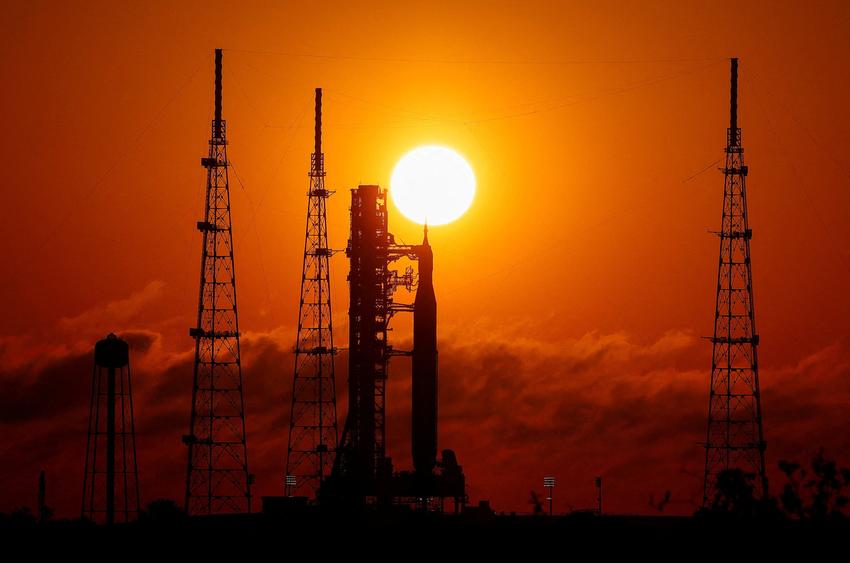
It is tempting to reduce Artemis II to its launch clock, especially when the public conversation is dominated by whether the mission goes on April 1 or slips to April 2. But the bigger picture matters much more. Artemis II is part of a long campaign to return human beings to the moon and establish the systems that could eventually support more sustained lunar exploration.
This mission will test whether Orion can keep astronauts alive and functional far from Earth. It will test whether NASA’s integrated systems can support deep space operations with a crew aboard. It will also test whether the broader Artemis program can maintain public and political confidence through visible milestones rather than promises alone.
That last point is especially important. Artemis has lived for years in PowerPoint slides, political speeches, budget hearings, and projected timelines. A successful Artemis II would turn much of that abstract planning into something tangible. It would tell the public that the moon program is not merely aspirational. It is operational.
And that shift could shape everything from funding confidence to international cooperation to the morale of the workforce that has spent years building toward this moment.
The emotional power of this mission reaches beyond space enthusiasts
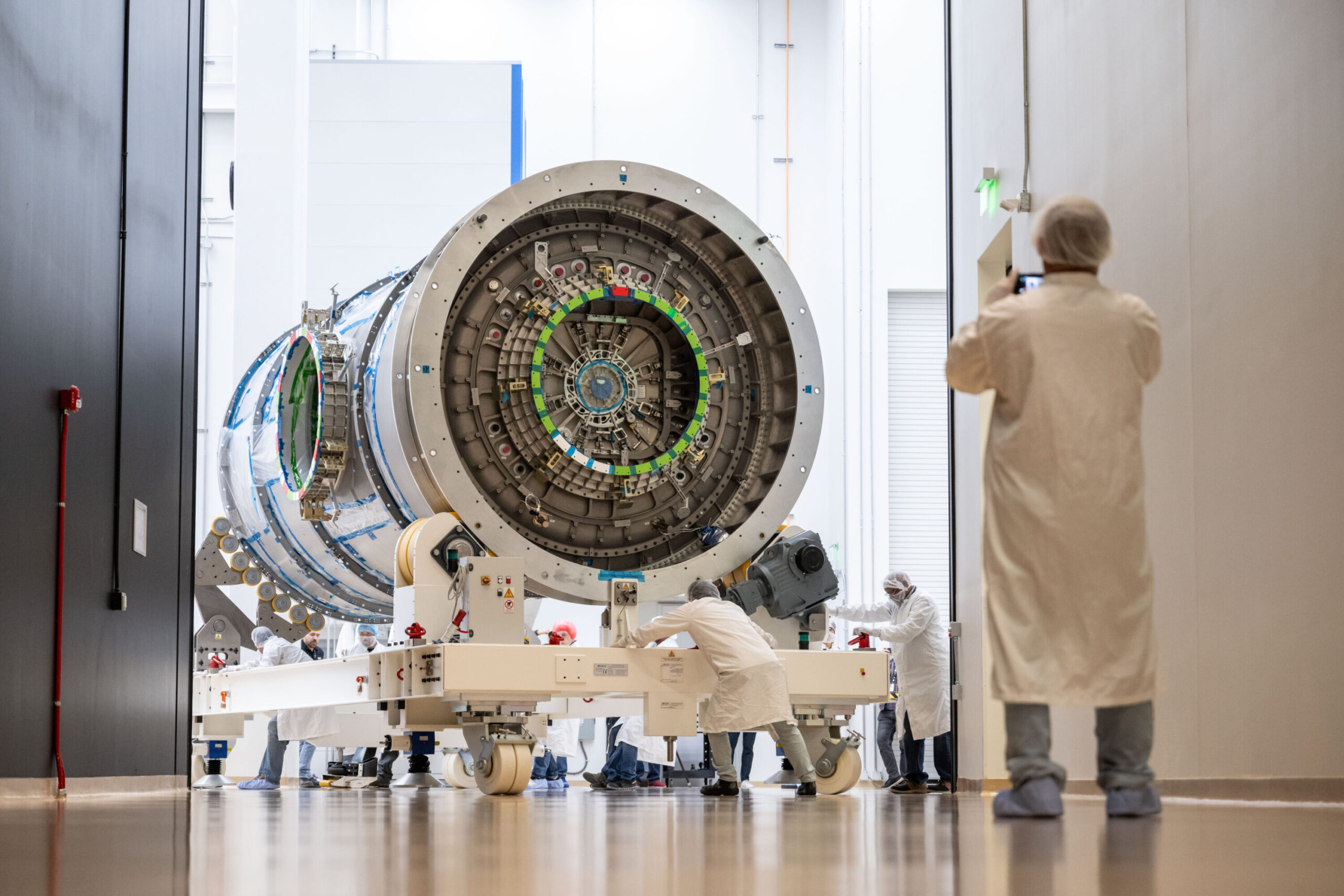
There is a reason Artemis II has captured attention far beyond the usual space community. The mission connects directly to one of the most powerful chapters in modern human history: the first era of moon exploration. Apollo remains a cultural landmark because it combined technical daring with a sense of civilizational scale. It made people feel that the future had arrived.
Artemis II touches that same emotional nerve. Many people alive today never experienced a time when astronauts traveled to the moon. For them, lunar missions belong to the past, not the present. This flight changes that perception. It makes the moon feel active again, reachable again, and part of a future that living people will witness rather than simply inherit from older generations.
That emotional resonance is not trivial. Public imagination matters in space exploration. It shapes whether people feel these missions are worth doing, worth funding, and worth following. Artemis II has the potential to reawaken that imagination in a way few missions can.
What success would mean for the next era of lunar exploration
If Artemis II launches successfully and completes its 10 day mission around the moon, NASA will gain more than a headline. It will gain momentum, validation, and a stronger foundation for everything meant to come next. The mission would provide critical data on how Orion performs with a crew, how the launch system operates under real mission conditions, and how the agency manages the full architecture of a deep space flight.
Just as importantly, success would help solidify the narrative that America’s return to the moon is no longer theoretical. It would show that the long wait since Apollo is finally giving way to a new era of exploration, even if that era looks different from the first one. Artemis is not trying to recreate Apollo exactly. It is trying to build something that can lead not only to lunar missions, but eventually to more durable human operations beyond Earth.
That is why this mission feels so charged. Artemis II is not merely about circling the moon. It is about proving that human deep space exploration can once again move from memory to reality.
NASA is now standing at the edge of a defining moment
As the countdown to April 1 continues, NASA finds itself in a familiar but still extraordinary position. The rocket is nearly ready. The reviews are complete. The team is speaking in the careful language of confidence and caution that major test flights demand. And the world is preparing to watch.
What makes Artemis II so compelling is that it carries both the past and the future at once. It echoes Apollo, but it is not a museum piece. It belongs to a new generation of astronauts, engineers, and mission planners who are trying to reopen a road that has been closed for over 50 years. The risks are real. The pressure is real. But so is the possibility.
If the launch proceeds as planned, April 1 will not simply mark the departure of another spacecraft. It will mark the moment when NASA finally begins the crewed return to deep space in earnest. And after decades of waiting, that may be the most important part of all.