
Table of Contents
- A Local Water Problem Sparked a Bigger Idea
- Why Microplastics Have Become Such a Serious Concern
- The Limits of Traditional Water Filters
- How the Filter Actually Works
- The Trial-and-Error Behind the Breakthrough
- Measuring the Results With a Homegrown Sensor
- Recognition at One of the World’s Biggest Science Fairs
- Expert Excitement, With Important Caveats
- Could It Work in Real Homes?
- Why This Story Feels Bigger Than One Student Project
A Local Water Problem Sparked a Bigger Idea
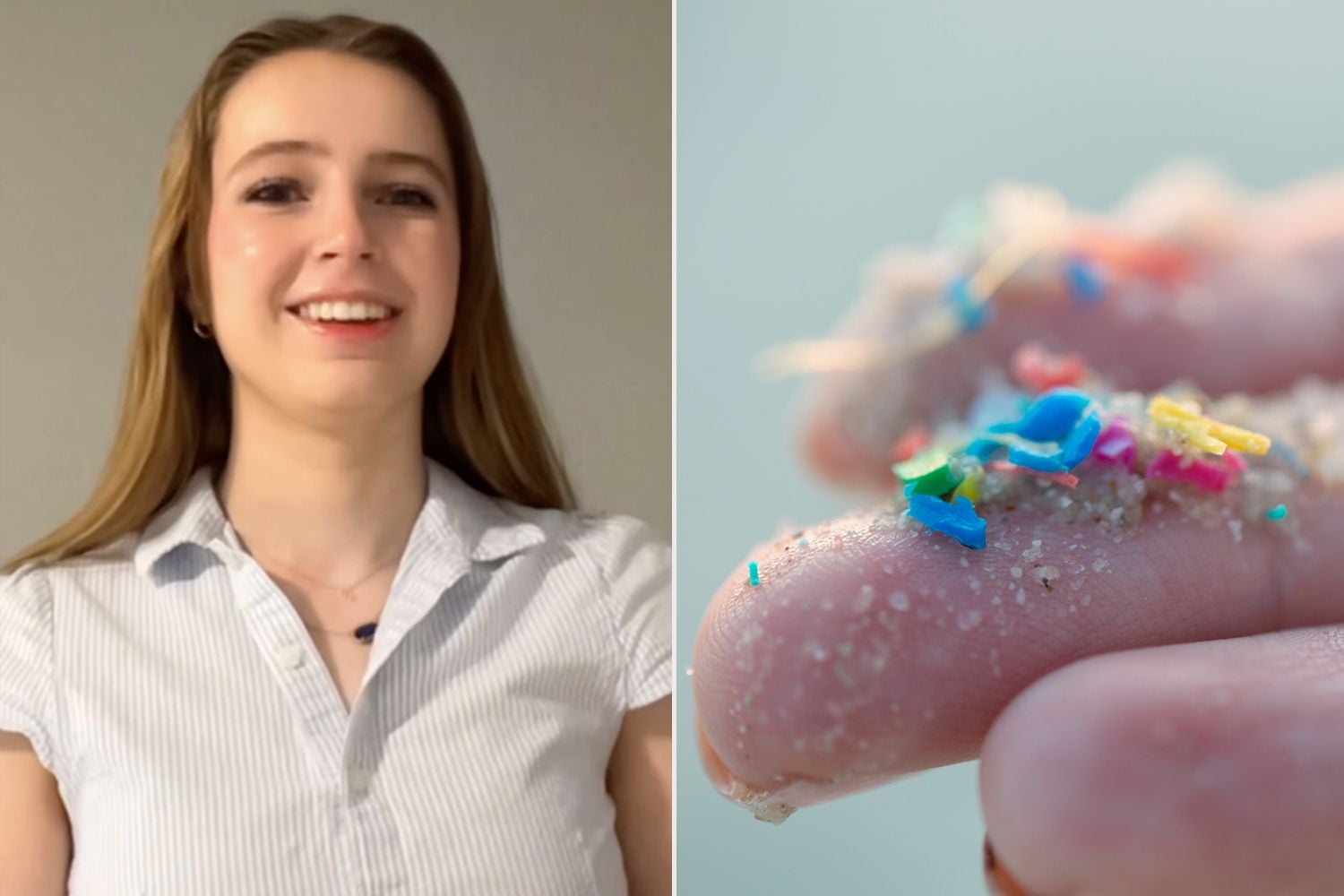
The story began with something small and intensely local. Heller came across a newspaper report about water quality concerns in her area of Warrenton, Virginia, where contamination issues involving PFAS and microplastics had raised alarm. According to the reported account of her project, the article also made clear that residents would largely be left to address filtration on their own. Her family eventually installed an advanced home filtration system, but maintaining it proved frustrating and expensive, especially because of the repeated membrane replacements. Watching that constant upkeep gave Heller a different idea. Instead of accepting membrane-based systems as the default, she started asking whether a lower-maintenance design could do the same job more simply. That question became the basis of her project.
That origin matters because it explains why the invention feels grounded rather than abstract. This was not a science fair project chosen for novelty alone. It grew from a practical household frustration and from a public problem many families are increasingly aware of. The best young inventors often work this way. They start with something close to home, then build outward toward a bigger issue. In Heller’s case, the bigger issue is enormous.
Why Microplastics Have Become Such a Serious Concern

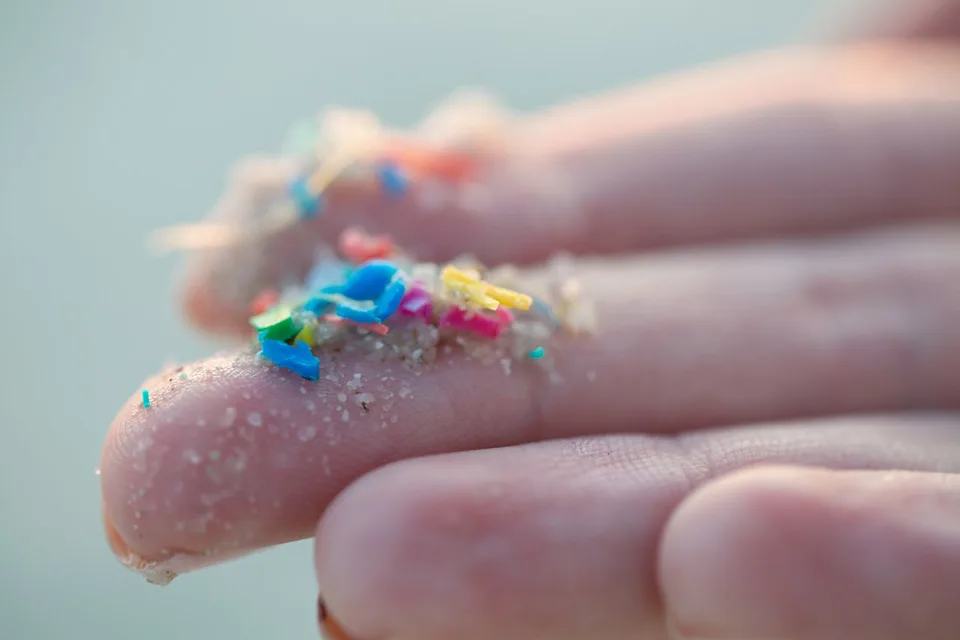
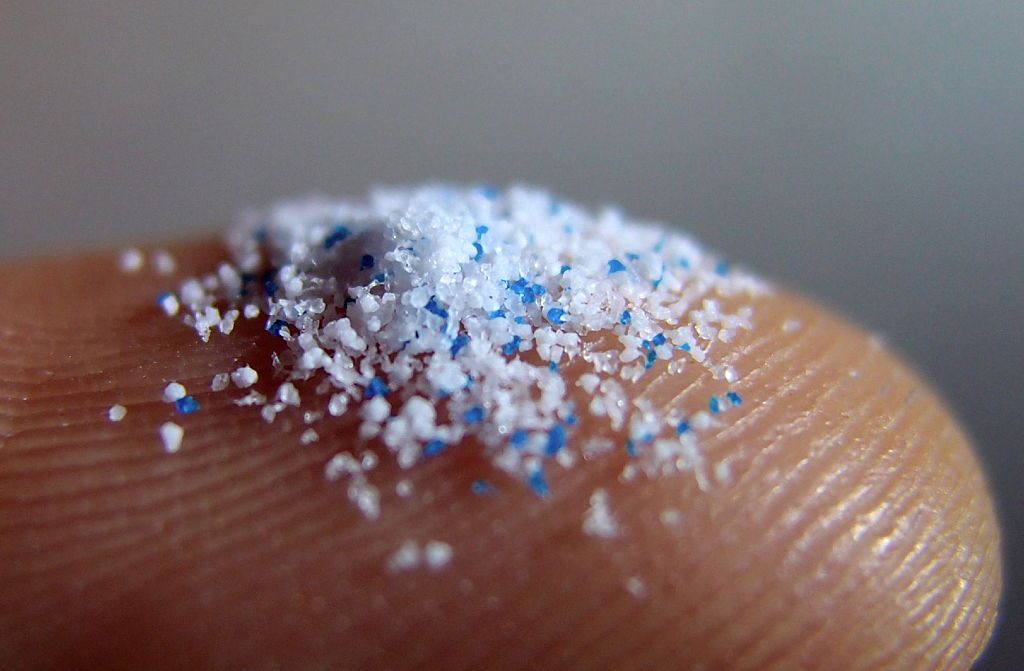
Microplastics are tiny plastic particles, generally defined by the U.S. Environmental Protection Agency as ranging from about 1 nanometer to 5 millimeters. They are created when larger plastics break down or when microscopic particles are produced directly through industrial or consumer processes. Because they are so small and so widespread, they move easily through ecosystems and into living organisms. Scientists have now found them in more than 1,300 species, including humans. Studies have reported microplastics or nanoplastics in the brain, placenta, testes, semen, bone marrow, liver, kidneys, and blood, among other tissues.
One of the most widely discussed recent findings came from researchers at the University of New Mexico, including toxicologist Matthew Campen, who reported that concentrations of microplastics in human brain samples were significantly higher in 2024 than in 2016, rising by roughly 50 percent over that period. That study added urgency to a field already full of unanswered questions. Scientists still do not have firm conclusions about exactly how much harm microplastics may be causing in the human body, but concern has grown because of their persistence, their ability to travel through organs, and emerging associations with cardiovascular, neurological, reproductive, and inflammatory effects. Even where the evidence is not yet conclusive, the trend is disturbing enough that reducing exposure is becoming a serious priority.
The Limits of Traditional Water Filters

That is where Heller’s idea becomes especially interesting. There are already many water filtration systems on the market, but they do not all remove microplastics efficiently, and many are costly to buy and maintain. Conventional systems often depend on membranes that clog, wear down, and need to be replaced. For households already coping with high costs, that maintenance burden can be a barrier. Heller’s approach was to avoid solid membranes altogether and design a lower-waste system with reusable material inside the filter cycle. According to the project description and later reporting, she began developing the concept in 2024 and spent the summer of 2025 refining it through repeated garage and kitchen experiments before arriving at a working prototype.
This is part of what made her project stand out. She was not merely trying to make another filter. She was trying to solve the maintenance problem that keeps many filters from being practical over time. That shift in perspective, from “Can I trap the particles?” to “Can I build something people can realistically use?”, pushed the invention into more meaningful territory.
How the Filter Actually Works
At the center of Heller’s design is ferrofluid, a magnetic oil-like liquid that can interact with microplastic particles in flowing water. Her final prototype uses three modules. One chamber holds the contaminated water. Another holds the ferrofluid. The third, smaller module is where the main separation process happens. As water moves through the system, the ferrofluid selectively binds to microplastic particles. A magnetic field then helps pull the plastic-laden ferrofluid away from the cleaned water, while also allowing much of the ferrofluid itself to be recovered and reused in a closed loop. Heller described the design as a self-recycling system, which is a major reason the project attracted attention from judges and experts.
The numbers she reported were impressive for an early-stage student-built device. Her testing found that the prototype removed 95.52 percent of microplastics and recycled 87.15 percent of the ferrofluid. The current version is about the size of a standard bag of flour and can filter roughly one liter of water at a time, functioning somewhat like a standalone pitcher-style system. Those results do not mean the invention is finished or commercially ready, but they do suggest that the core concept works well enough to deserve serious follow-up.
The Trial-and-Error Behind the Breakthrough
One reason stories like this resonate is that they make invention feel tangible again. Heller’s system did not emerge fully formed. Reporting on the project describes repeated iterations as she tried to figure out how to move the thicker ferrofluid into the water chamber without clogging the system and how to make magnetic separation and ferrofluid recovery function together rather than interfere with one another. She reportedly went through about five major design rounds before arriving at the working structure she now uses.
That detail matters because it reveals the difference between having an idea and engineering a solution. The glamour in innovation stories often sits in the final percentage or the award. The harder part is the accumulation of small failures that slowly teach the inventor what the system needs. In this case, the work happened not in a major corporate lab but in a home setting, with the kind of hands-on persistence that tends to define the strongest student science projects.
Measuring the Results With a Homegrown Sensor
Heller did not stop at building the filter. To evaluate it properly, she also developed a turbidity sensor to measure suspended solids in the water and estimate how much ferrofluid and plastic remained after treatment. That gave her a way to quantify the filter’s performance and calculate a weight-based removal percentage for the microplastics. For a student-led project, that effort to build both the device and the measurement system is notable. It suggests she understood that an invention without credible testing data would be much harder to defend.
At the same time, the article and the expert commentary around it both make clear that her results still need professional validation outside the home setting. Heller herself has said she wants to confirm the findings through more formal testing. That caution is important. A promising prototype becomes much more meaningful when outside researchers can reproduce its performance.
Recognition at One of the World’s Biggest Science Fairs
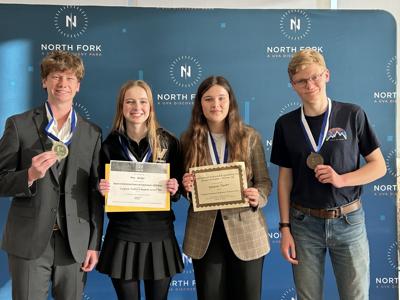
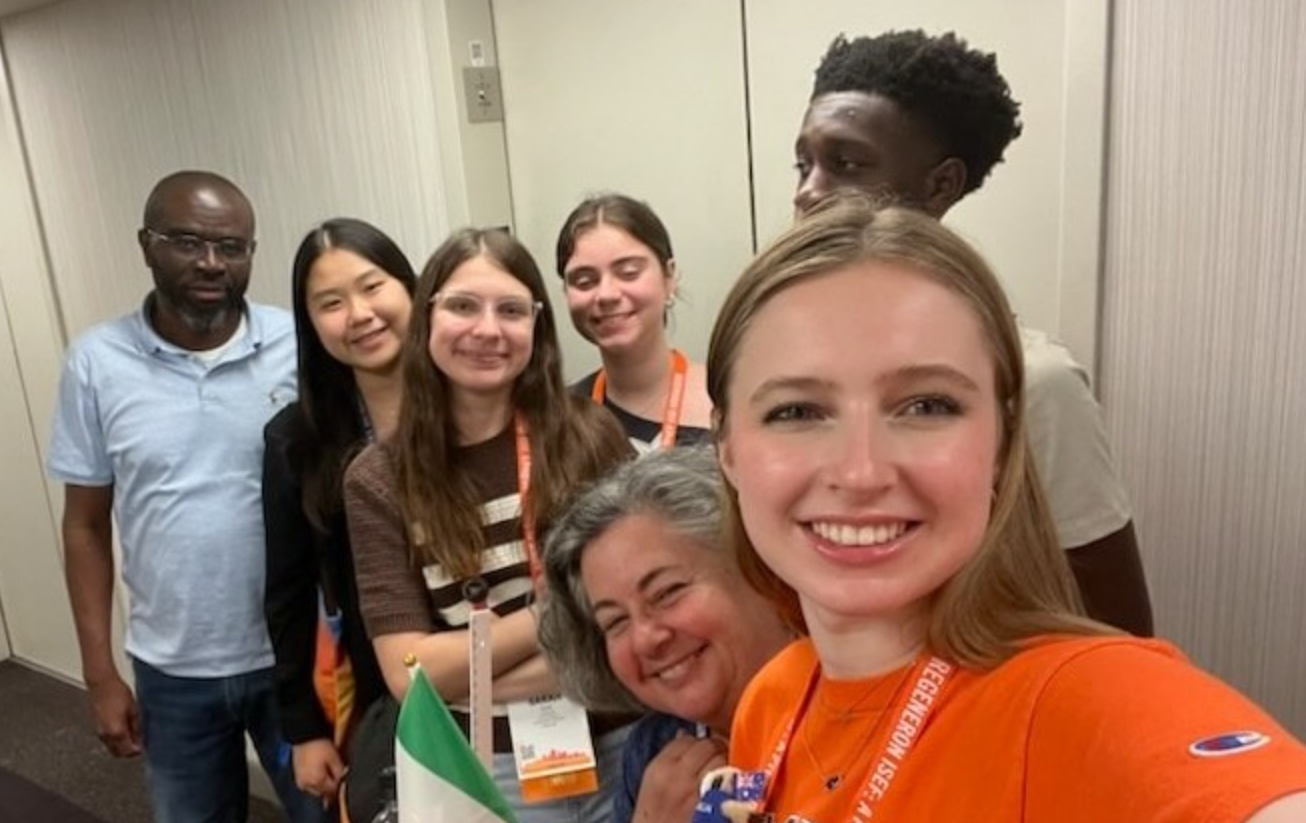
The project’s visibility rose sharply after Heller became a finalist in the 2025 Regeneron International Science and Engineering Fair, widely described as the world’s largest global science competition for high school students. There she received a special $500 award from the Patent and Trademark Office Society for her low-cost, efficient filtration concept. The ISEF project page describes her work as a self-recycling system for microplastic removal and emphasizes its potential as a cost-effective, energy-efficient, and sustainable approach.
That recognition matters because competitions like Regeneron ISEF often serve as early visibility platforms for ideas that later evolve into serious research or startup ventures. Not every science fair project becomes a commercial product, of course, but the best ones attract exactly the kind of technical attention and feedback that can push them into the next stage of development.
Expert Excitement, With Important Caveats
Matthew Campen, the University of New Mexico toxicologist who has studied microplastics in human tissue, called Heller’s filter a “really great idea” in the coverage of the project and said she is working on something that has to be done. But his praise came with careful caveats. He noted that if the system captures microplastics, those particles then need to be discarded or destroyed in a way that fully removes them from the environment. He also raised the question of residue, warning that a filter should not solve one pollution problem by leaving another behind. And beyond performance, he pointed to the next major question: scalability.
Those are exactly the right concerns. Many inventions look powerful at small scale but become harder to deploy safely, affordably, or efficiently when translated into homes, buildings, or municipal systems. Campen’s response did not diminish the project. It placed it where it belongs, at the promising beginning of a longer engineering path.
Could It Work in Real Homes?
For now, Heller sees the most realistic application as an under-the-sink home system rather than a municipal-scale installation. One reason is cost. Ferrofluid is still expensive to produce at larger scales, which limits the practicality of rolling the system out across full water treatment plants in the near term. That makes home filtration the more plausible first use case if the design continues to improve. She has also said she would like to bring the invention to market eventually, but only step by step.
That seems like a sensible direction. Household systems often provide a more manageable route for emerging filtration technologies because they can be tested, refined, and targeted to people actively seeking additional protection. If the prototype can be independently validated and made durable, affordable, and safe, it could appeal to families worried about microplastics but unwilling or unable to maintain more cumbersome systems.
Why This Story Feels Bigger Than One Student Project
What makes this invention so compelling is not just the headline number. It is the combination of urgency, practicality, and youth. Heller is tackling a problem that scientists, regulators, and industry are still struggling to define clearly, and she has done it in a way that tries to reduce waste and maintenance rather than simply maximize novelty. That gives the project a different kind of credibility. It feels like an answer shaped by real-world use, not just laboratory ambition.
It also speaks to a broader shift in how environmental innovation is happening. Some of the most interesting ideas are now emerging not only from established companies and research institutes, but from students who are growing up inside the problems themselves. They are not waiting for pollution, climate, or water issues to become abstract policy debates. They are treating them as design challenges that belong to their generation.
In the end, Heller’s invention should be understood with both excitement and discipline. The results she reported are strong for an early-stage prototype. The concept has attracted expert praise and science-fair recognition. The public health problem it addresses is undeniably real. But it is still a prototype, still in need of outside validation, and still facing questions about residue, disposal, durability, and cost. That does not weaken the story. It makes it more believable. What Mia Heller has built is not a finished revolution in water treatment. It is something rarer and, in some ways, more valuable: a credible first step toward a cleaner, lower-maintenance way to remove microplastics from drinking water. In a world where plastic pollution keeps turning up in places it should never be, even a first step like that can feel enormous.