
Table of Contents
What Are Microplastics and How Do They End Up in Our Food?
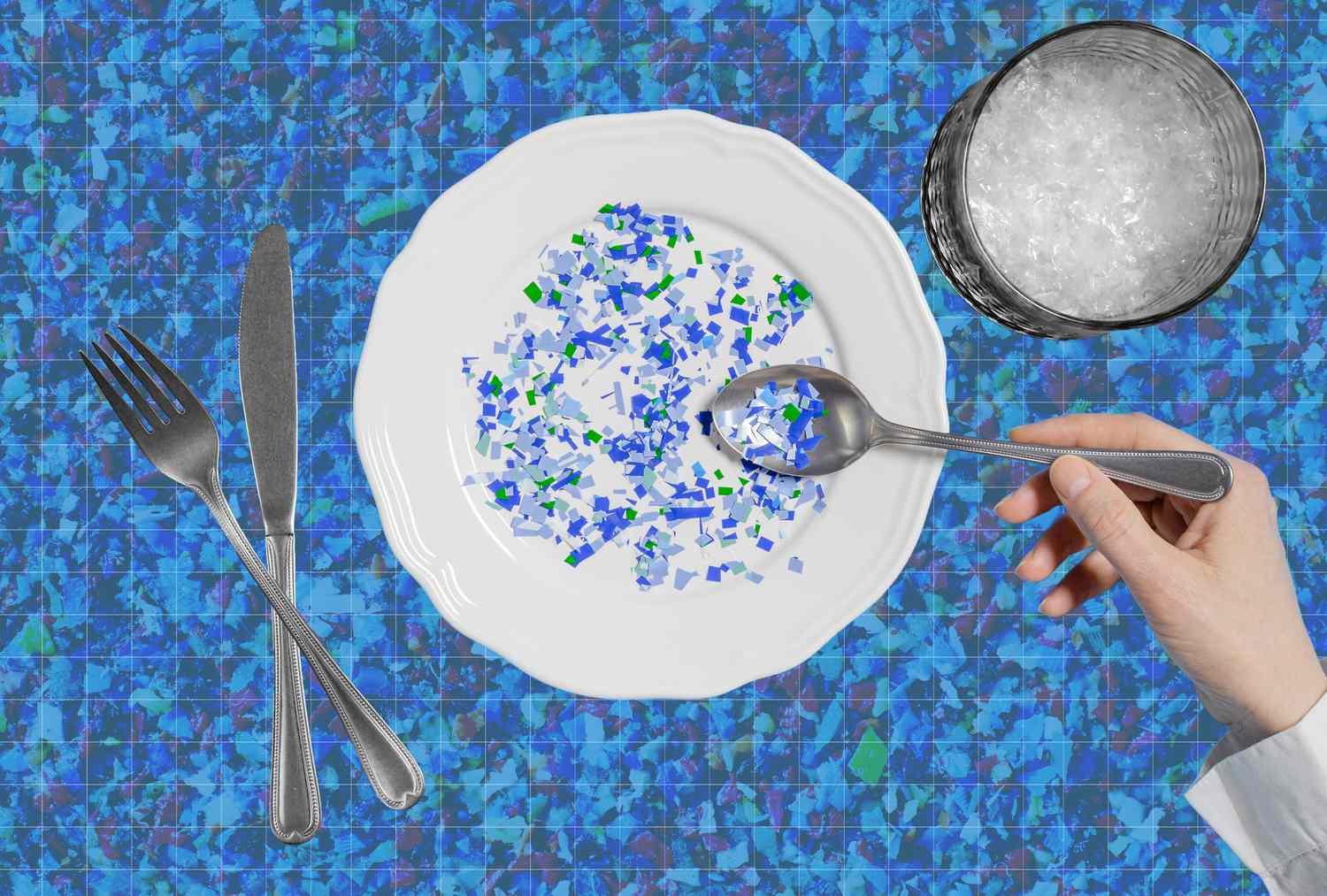
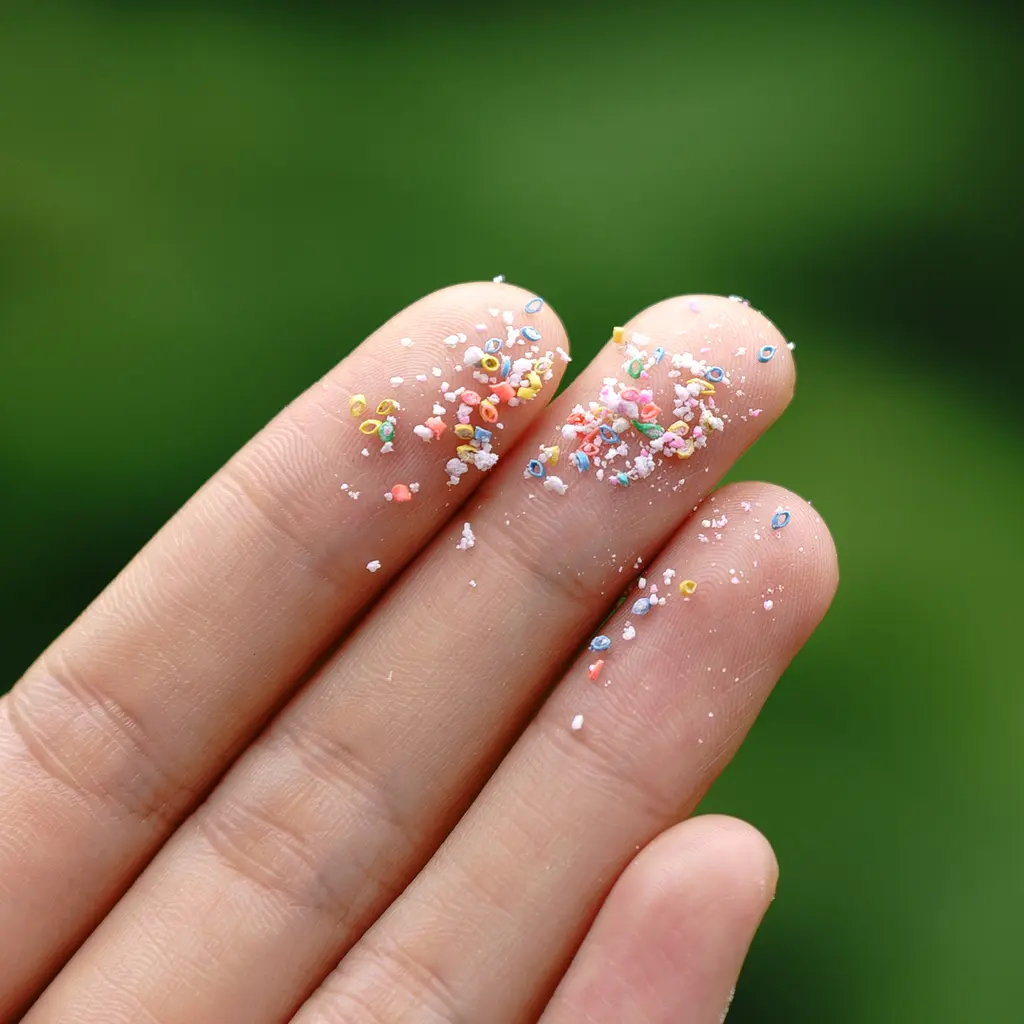
Microplastics are small plastic particles that measure less than 5 millimeters in diameter. They can originate from larger plastic objects that break down over time due to environmental factors such as sunlight, wind, and water. Some microplastics are intentionally manufactured for use in products like cosmetics, cleaning products, and plastic bottles. Over time, these materials degrade, creating smaller fragments that are hard to avoid.
The primary ways microplastics enter our food are through contaminated water or soil and plastic packaging. Studies have found that microplastics are commonly present in seafood, which often accumulates plastic debris from polluted oceans. Similarly, plants and crops can absorb microplastics from the soil, particularly if sewage sludge or plastic-laden fertilizers are used on agricultural land. The widespread use of plastic containers, bags, and packaging further contributes to the problem, as microplastics can leach into food during storage or transport.
The Surprising Extent of Microplastics in Food
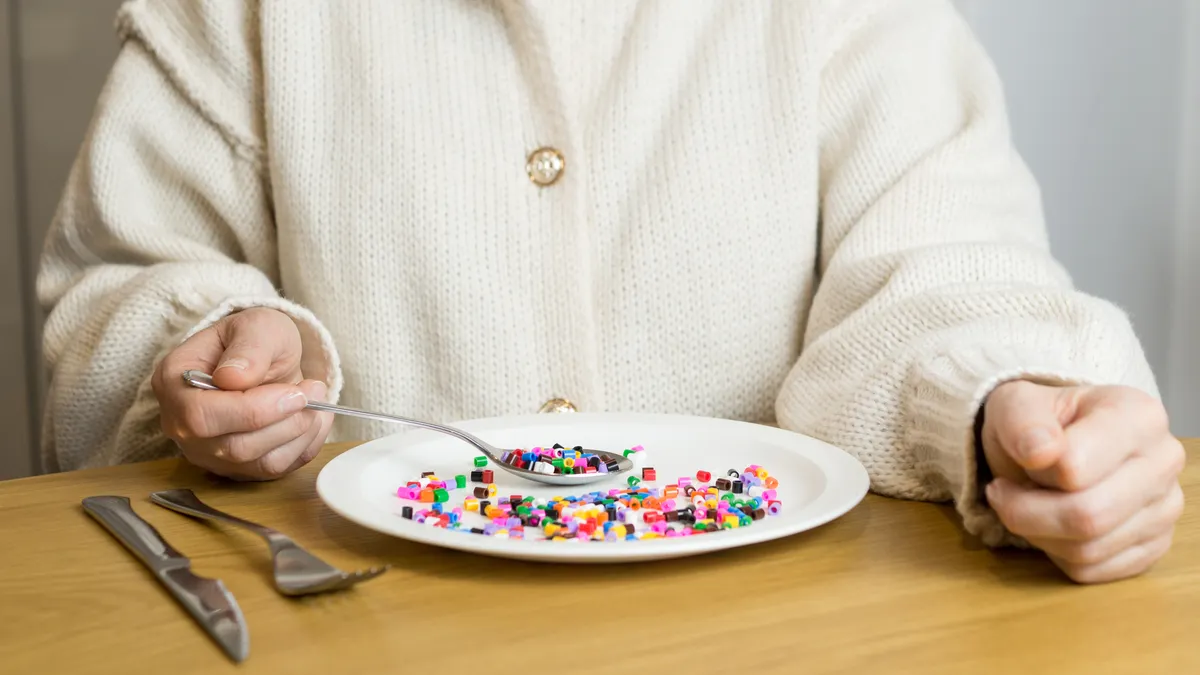
It may come as a shock to learn that microplastics are present in many of the foods we consume daily. One study found that nearly 90% of seafood samples tested contained microplastics, with significant contamination found in highly processed proteins like plant-based nuggets and tofu blocks. Terrestrial meats like chicken and beef contained fewer microplastics, but still had some traces.
The source of this contamination is primarily linked to the environment and packaging. When seafood, for example, is caught from the ocean, it is often contaminated by microplastic particles suspended in the water. Similarly, food that comes in plastic packaging is likely to have absorbed microplastic particles over time. Even food processing methods, such as microwaving in plastic containers, can contribute to the release of microplastics.
Are Microplastics Dangerous to Our Health?
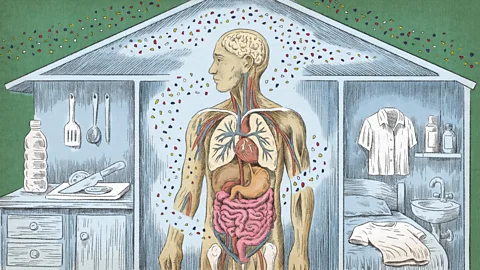
The health impacts of microplastics are still being studied, and while conclusive evidence is lacking, early research suggests they may not be as harmless as once thought. Microplastics can be found in human organs, blood, and even breast milk, raising concerns about their potential effects on our bodies.
One area of concern is inflammation. Studies have shown that microplastics can cause inflammation in human cells, which is linked to numerous diseases, including diabetes, cancer, and cardiovascular conditions. Ingesting microplastics could also disrupt the gut microbiome, leading to digestive issues and even more serious conditions like dysbiosis, an imbalance of bacteria in the gut.
Microplastics have also been found to attract heavy metals and chemical pollutants, which could increase the potential risks associated with their ingestion. Additionally, some researchers have speculated that microplastics may contribute to rising cancer rates, particularly in relation to colon cancer in younger individuals.
Steps You Can Take to Minimize Exposure to Microplastics in Food
While it is impossible to completely avoid microplastics, there are several steps you can take to limit your exposure—especially through food. Here’s how:
1. Opt for Glass Containers
When storing food or preparing meals, choose glass containers over plastic. One study found that plastic blenders release billions of microplastic particles into food within just 30 seconds of use. Glass and stainless steel are better alternatives because they do not leach plastic particles into food.
2. Avoid Plastic Water Bottles
Investing in a reusable, nonplastic water bottle is one of the simplest ways to reduce your exposure. Bottled water has been found to contain microplastics, with one study showing that a single liter of bottled water can contain up to 100,000 microplastic particles.
3. Be Cautious with Tea Bags
Many tea bags are made from food-grade nylon, which can release microplastics into hot water. To reduce exposure, look for tea bags made from nonplastic materials like plant-based hemp or opt for loose-leaf tea, which avoids the need for bags altogether.
4. Switch to Nonplastic Cutting Boards
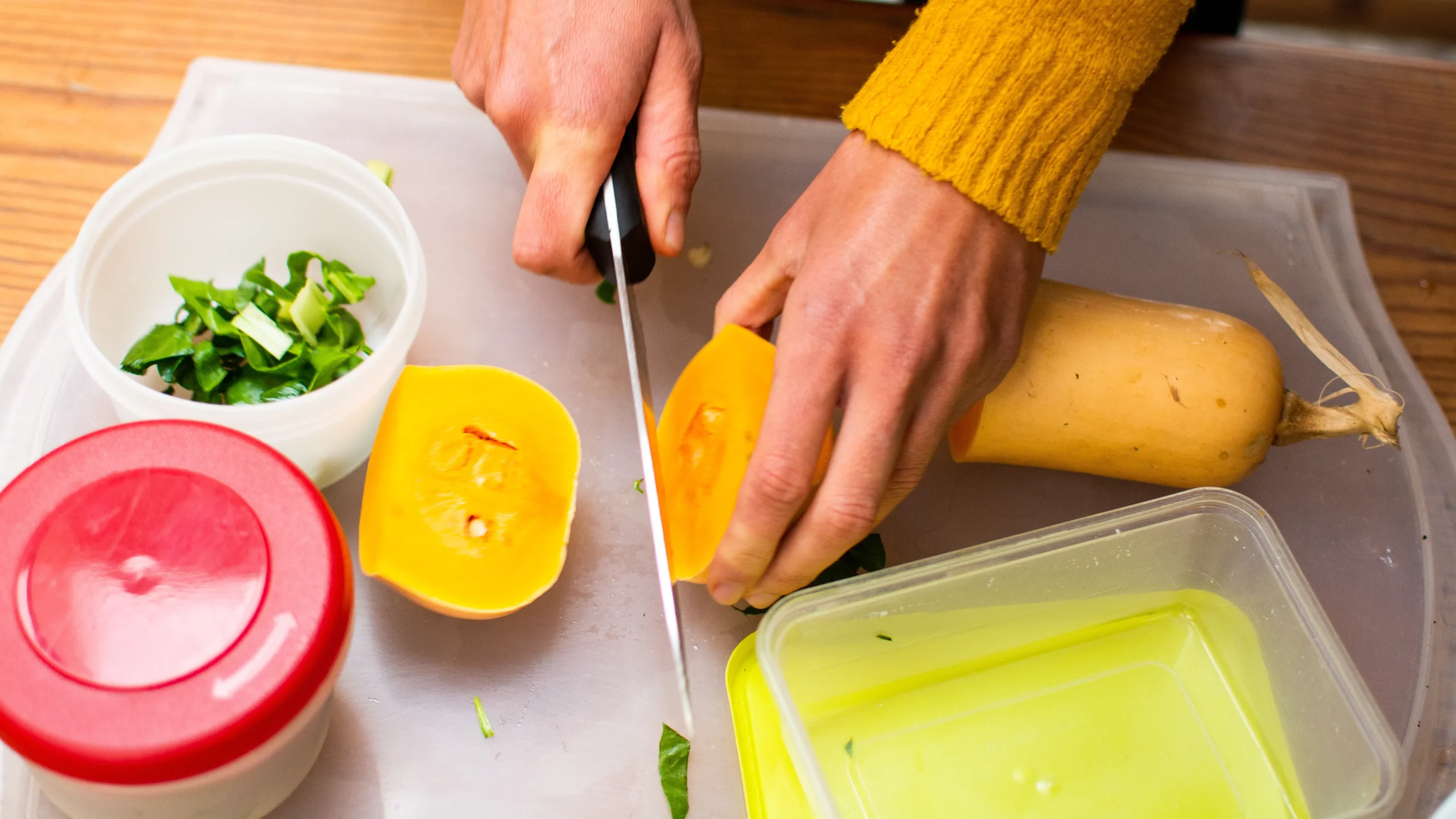
Plastic cutting boards are another common source of microplastics in food. Opt for wooden or bamboo cutting boards to prevent plastic particles from contaminating your meals. These natural materials are less likely to shed microplastics into food during cutting.
5. Avoid Microwaving Food in Plastic Containers
Avoid microwaving food in plastic containers, as heat can cause plastic to release microplastics into your food. Instead, use glass or ceramic containers for reheating food. This simple switch can help reduce your exposure to harmful particles.
6. Use Filtered Water
Investing in a water filtration system can help remove microplastics from your drinking water. Research shows that microfiltration systems can effectively eliminate up to 100% of microplastics, making it one of the most effective ways to ensure clean drinking water.
7. Bring Reusable Produce Bags to the Store
When shopping for fruits and vegetables, use reusable cloth produce bags instead of plastic ones. This reduces the chances of microplastics being transferred from plastic bags to the produce you buy.
Special Considerations for Seafood Lovers
If you enjoy seafood, it’s important to be mindful of the types of seafood you consume. Bivalves like clams and mussels tend to accumulate more microplastics because you eat their entire body, including the digestive system, where microplastics are more likely to be found. In contrast, fish fillets generally contain fewer microplastics, as only the muscle tissue is consumed.
Reducing Exposure to Microplastics
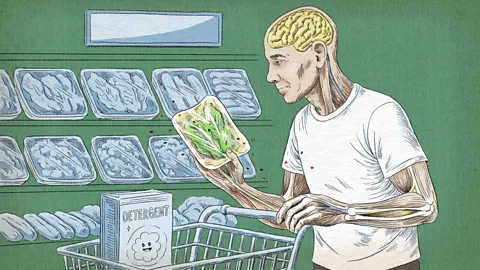
Microplastics are ubiquitous in our environment, and while their long-term effects on human health are still unclear, early studies suggest they may pose risks, especially to our digestive and immune systems. The good news is that there are steps you can take to reduce your exposure, particularly through food. By swapping out plastic containers, avoiding bottled water, and being mindful of plastic packaging, you can minimize your intake of microplastics.
As research continues, it’s important to stay informed about potential health risks and take action where possible. While we may not be able to fully eliminate microplastics from our food, making small changes in our daily habits can go a long way in protecting our health.