
Table of Contents
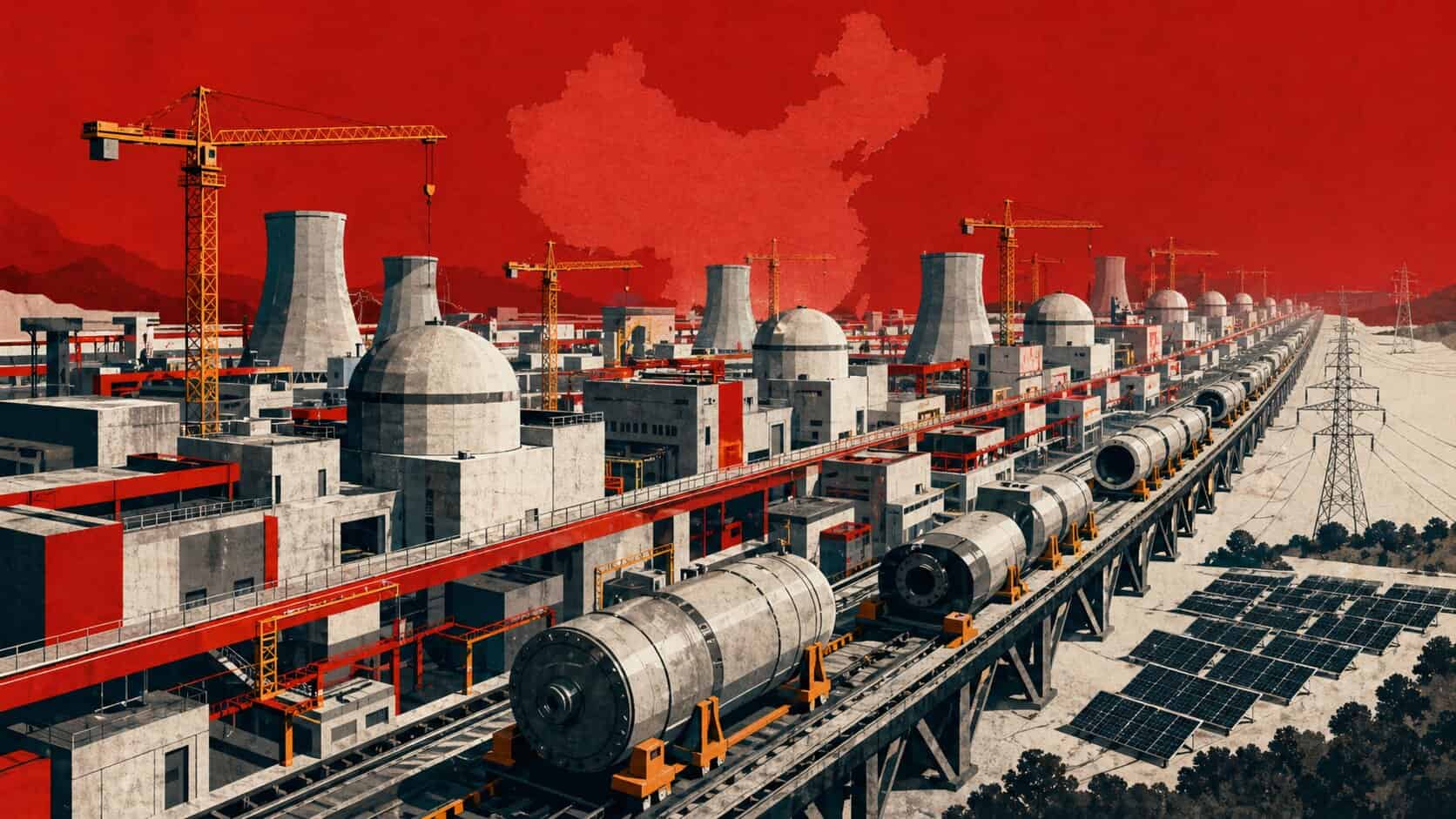
- China’s Rapid Expansion: The Capacity to Build 50 Reactors at Once
- China’s Current Nuclear Capacity: The Race to 125 Gigawatts
- The U.S. Nuclear Struggles: Delayed Projects and Rising Costs
- The Factory Assembly Line: China’s Secret to Nuclear Success
- The Role of International Partnerships in China’s Nuclear Success
- The U.S. Response: Will the U.S. Reclaim Leadership in Nuclear Power?
- The Future of Nuclear Power: Will China’s Lead Last?
- The Battle for Nuclear Leadership
China’s Rapid Expansion: The Capacity to Build 50 Reactors at Once
The most recent update from China’s nuclear sector shows a staggering growth rate that no other nation has matched. The country’s ability to construct 50 nuclear reactors at once reflects a sophisticated, industrialized approach to nuclear power. While the U.S. struggles to complete just one or two reactors per decade, China’s assembly-line methodology, which involves mass-producing reactors and streamlining regulatory processes, has allowed for unprecedented speed and scale.
According to the CNEA, China’s nuclear technology capabilities have moved beyond mere replication of foreign designs. The country has progressed from “following” international trends to “leading” in some areas. Chinese companies now operate across the full nuclear value chain, from research and development to reactor design and manufacturing, creating a self-sustaining ecosystem that drives its rapid expansion.
China’s Current Nuclear Capacity: The Race to 125 Gigawatts
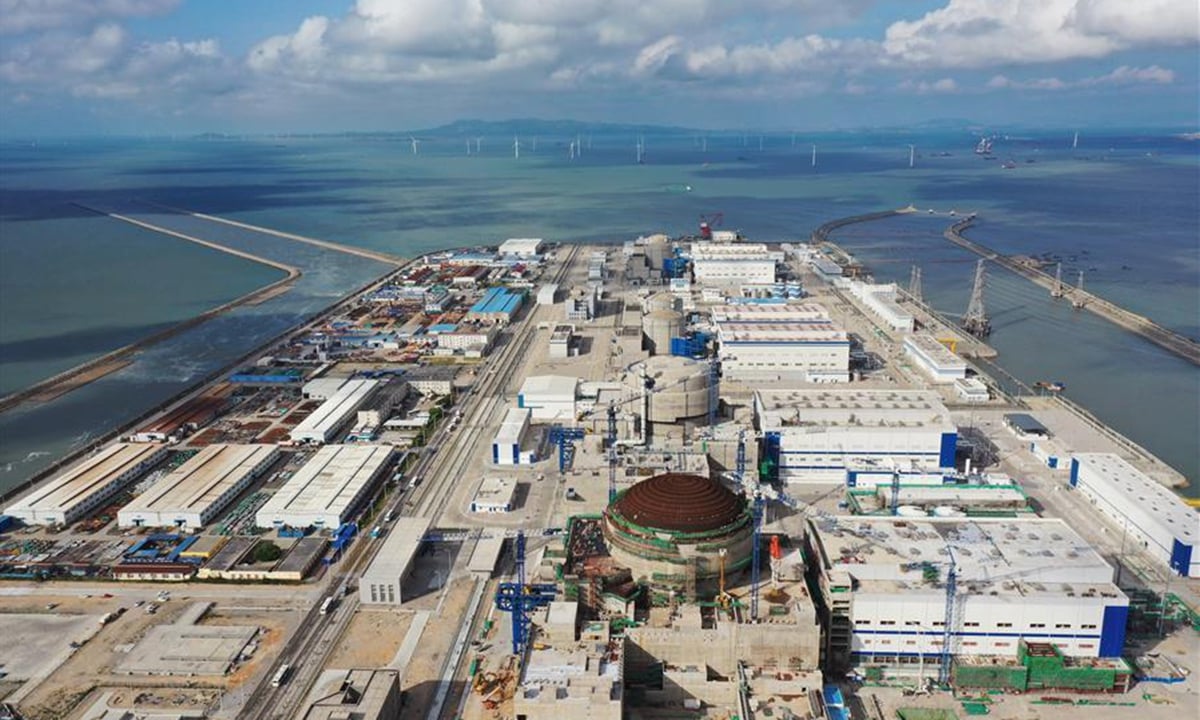
China’s current nuclear capacity is impressive, with 60 commercial reactors in operation and another 36 under construction. This represents half of the new nuclear reactors being built globally. By 2040, China’s nuclear energy capacity is projected to reach 200 gigawatts, making it a formidable competitor to the U.S. in the nuclear energy sector. Yang Changli, rotating chairman of the CNEA, stated that China could reach 125 gigawatts of installed nuclear capacity by the end of this decade, positioning itself as the global leader in nuclear energy by 2040.
This aggressive expansion is part of China’s broader strategy to reduce its reliance on coal and fossil fuels, which have contributed to severe air pollution and climate change. By investing heavily in nuclear power, China hopes to not only meet its energy demands but also lead the way in global efforts to combat climate change. Nuclear energy, being a clean and efficient power source, is central to China’s push for a sustainable future.
The U.S. Nuclear Struggles: Delayed Projects and Rising Costs
While China is accelerating its nuclear ambitions, the United States is facing significant challenges in expanding its nuclear infrastructure. Projects like the Vogtle Units 3 and 4 in Georgia have experienced significant delays and budget overruns, highlighting the difficulty the U.S. faces in bringing new reactors online. Regulatory hurdles, environmental concerns, and a lack of political consensus have all contributed to the sluggish pace of nuclear development in the U.S.
Unlike China, which benefits from a centralized government that can quickly approve large-scale projects, the U.S. faces a complex web of local, state, and federal regulations that slow down the approval process for new reactors. Additionally, the cost of building and maintaining nuclear plants has skyrocketed in recent years, making it difficult for companies to secure financing for new projects.
The Factory Assembly Line: China’s Secret to Nuclear Success
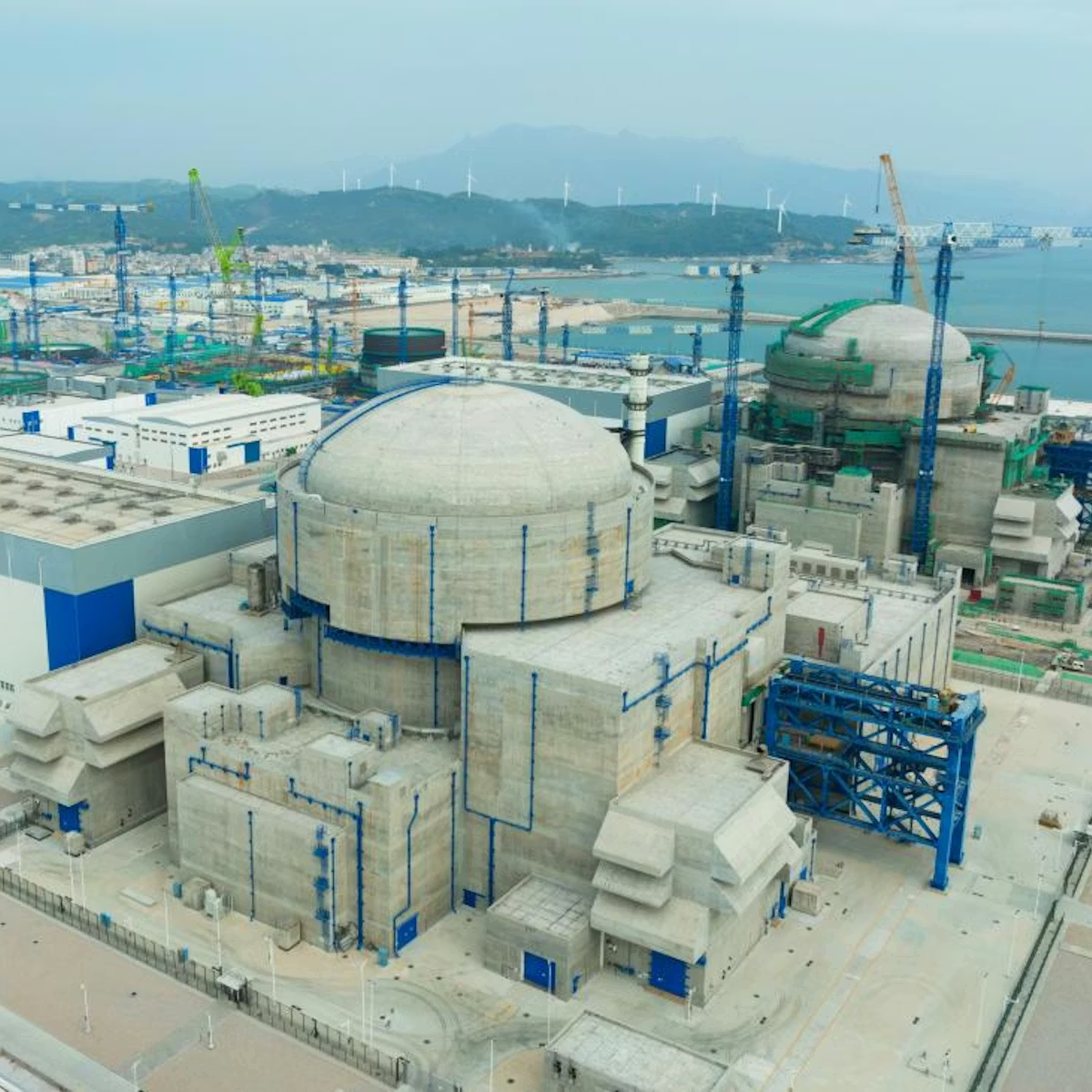
China’s success in nuclear power can be attributed to its approach of treating nuclear reactor construction like a factory assembly line. This method contrasts sharply with the traditional, artisanal approach used by many Western countries, where each reactor is treated as a one-off, bespoke project. By standardizing reactor designs, creating a large, skilled workforce, and securing low-cost financing, China has reduced both the time and cost of building nuclear plants.
This approach allows China to build reactors quickly and efficiently, minimizing the risks of delays and cost overruns that plague Western nuclear projects. Additionally, China’s state-owned enterprises play a central role in the nuclear sector, ensuring that projects remain on track and within budget. The government’s role in overseeing and directing nuclear development has allowed China to streamline the entire process, making it the global leader in nuclear infrastructure.
The Role of International Partnerships in China’s Nuclear Success
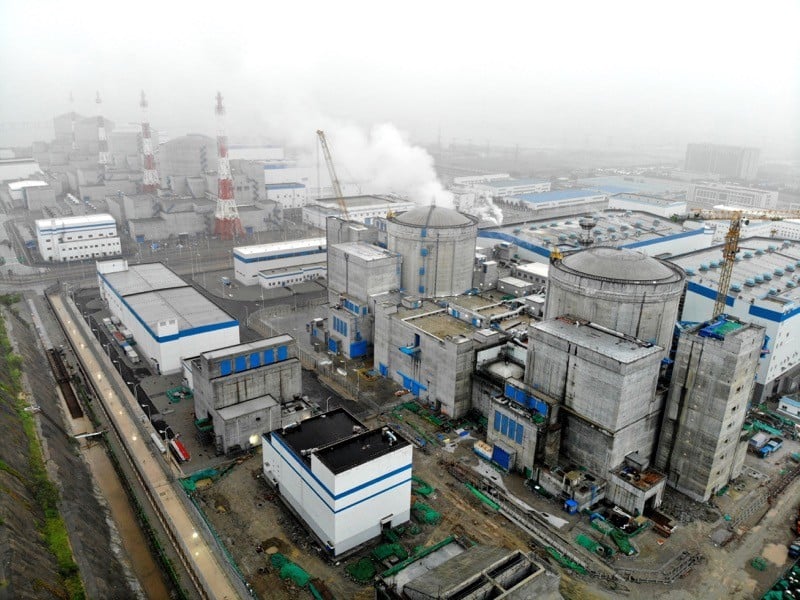
China’s rapid rise as a nuclear power is not solely the result of domestic efforts. The country has also benefited from international partnerships and collaborations, particularly with Russia and France. These relationships have allowed China to access advanced nuclear technologies and knowledge that have helped accelerate its own development.
China has worked closely with Russia on several nuclear projects, with both countries sharing expertise in reactor design and construction. The collaboration has been particularly fruitful in the development of China’s Hualong One reactor, which is based on Russian and French designs. By leveraging these international partnerships, China has been able to fast-track its nuclear ambitions, learning from the mistakes and successes of other nations.
The U.S. Response: Will the U.S. Reclaim Leadership in Nuclear Power?
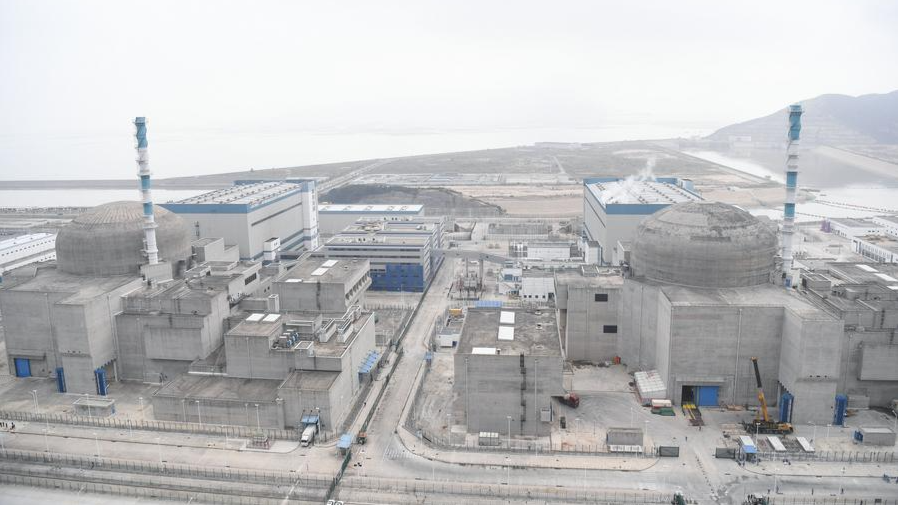
The rise of China as a nuclear power is a wake-up call for the United States, which has historically been the global leader in nuclear energy. However, the U.S. faces significant challenges in catching up to China’s rapid expansion. To reclaim its leadership in nuclear power, the U.S. will need to address several key issues: streamlining the regulatory process, reducing construction costs, and investing in new reactor designs that are both safer and more efficient.
The U.S. government has recently taken steps to address these challenges, with the Department of Energy pushing for new nuclear initiatives and the development of small modular reactors (SMRs). These smaller, more flexible reactors could offer a solution to the high costs and long timelines associated with traditional nuclear plants. SMRs are designed to be built quickly and at a lower cost, making them a more attractive option for the U.S. as it looks to increase its nuclear capacity.
The Future of Nuclear Power: Will China’s Lead Last?
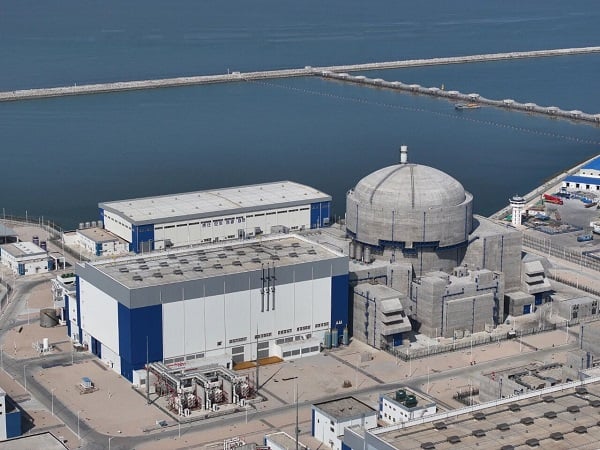
As China continues to build its nuclear empire, the question remains: can the U.S. catch up? While China’s rapid expansion is impressive, the future of nuclear power is far from certain. Public opinion about nuclear energy is still divided in many countries, including the U.S. Nuclear power plants are expensive to build and maintain, and concerns about safety and waste disposal continue to haunt the industry. Additionally, the growing interest in renewable energy sources like wind and solar could pose a challenge to the future of nuclear energy.
However, with the global push for clean energy solutions and the growing concern over climate change, nuclear power may become an increasingly important part of the energy mix in the coming decades. Whether China’s dominance in nuclear power will continue or whether the U.S. can rise to meet the challenge will depend on how both countries navigate the complex political, economic, and technological landscape of the nuclear industry.
The Battle for Nuclear Leadership
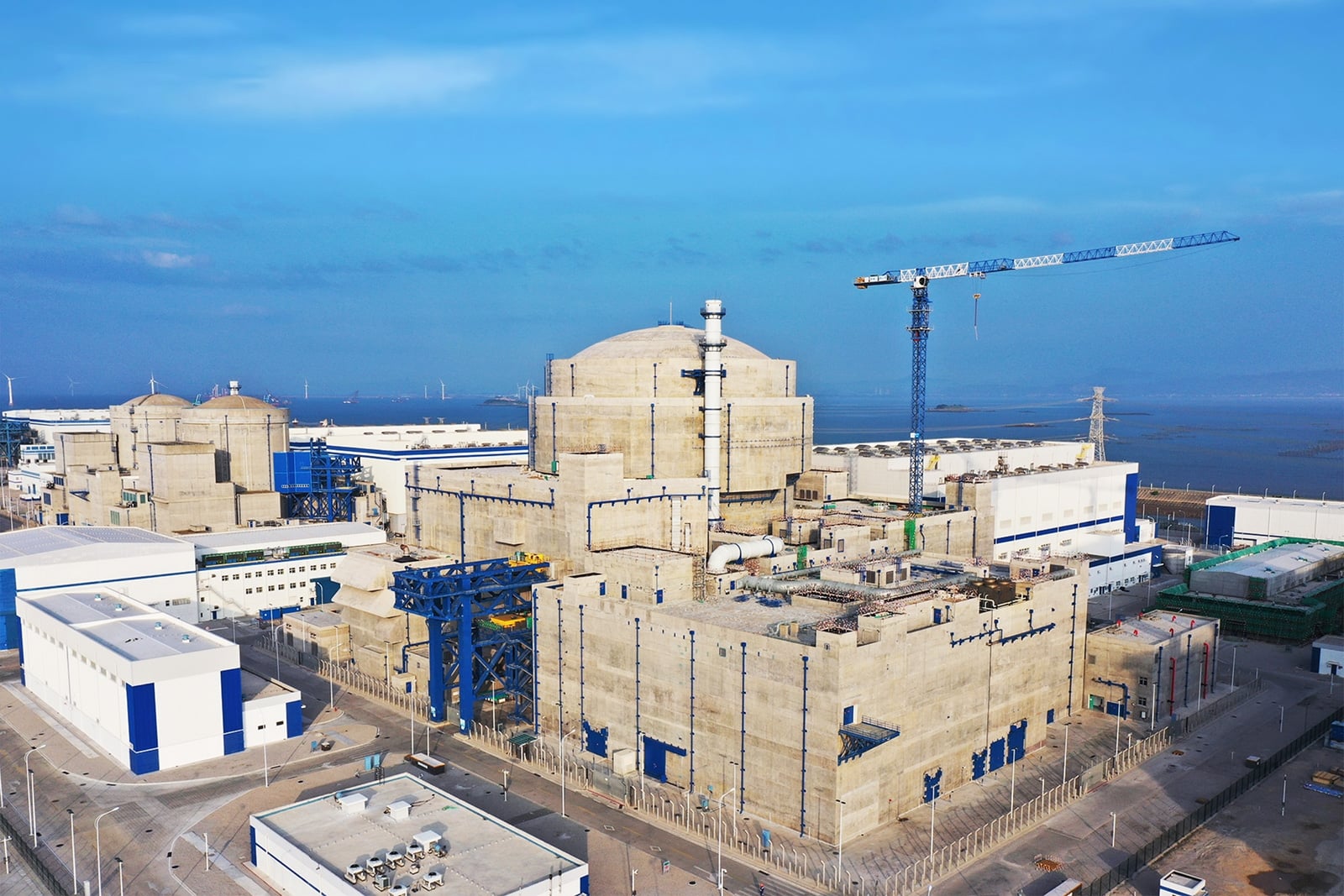
As China moves ahead with its ambitious plans to dominate the nuclear energy sector, the U.S. must decide whether it will respond with urgency or risk falling behind. With nuclear power playing a crucial role in global efforts to reduce carbon emissions and combat climate change, the stakes are high. China’s ability to build nuclear reactors at an unprecedented scale offers a glimpse into the future of nuclear energy, and the U.S. must act quickly to reclaim its leadership role in the industry.
The next few years will be critical in determining whether China’s rapid nuclear expansion will continue or whether the U.S. can reclaim the top spot in the global nuclear race. Regardless of the outcome, one thing is clear: the future of nuclear power is a key battleground in the global energy transition.