
Table of Contents
- Minneapolis Moves To End A Decades-Old Ban
- What The Council Approved
- Why The Ban Existed
- Supporters Call It A Public Health Shift
- A Symbolic Vote Before Pride
- What Opponents Said
- Why The Decision Became Controversial
- Regulation Comes Next
- A Debate About Stigma And Safety
- Minneapolis Joins A Wider Conversation
- What Happens Now
- A 38-Year Ban Nears Its End
Minneapolis Moves To End A Decades-Old Ban
When the Minneapolis City Council voted to lift a 38-year ban on adult bathhouses and sex venues just days before Twin Cities Pride, the decision immediately became more than a local policy update. For supporters, it was a symbolic correction of a law they said was rooted in stigma and fear during the AIDS crisis. For critics, it raised questions about priorities at a time when the city is also facing concerns around public safety, housing, and economic development.
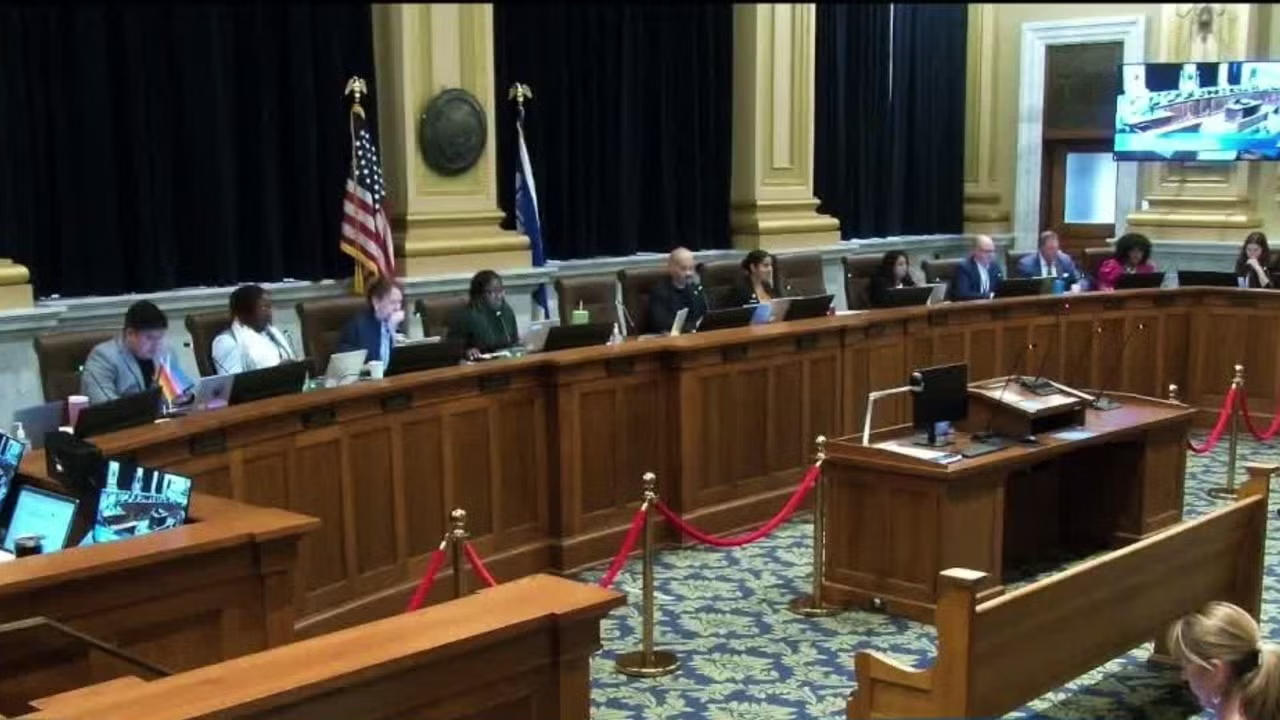
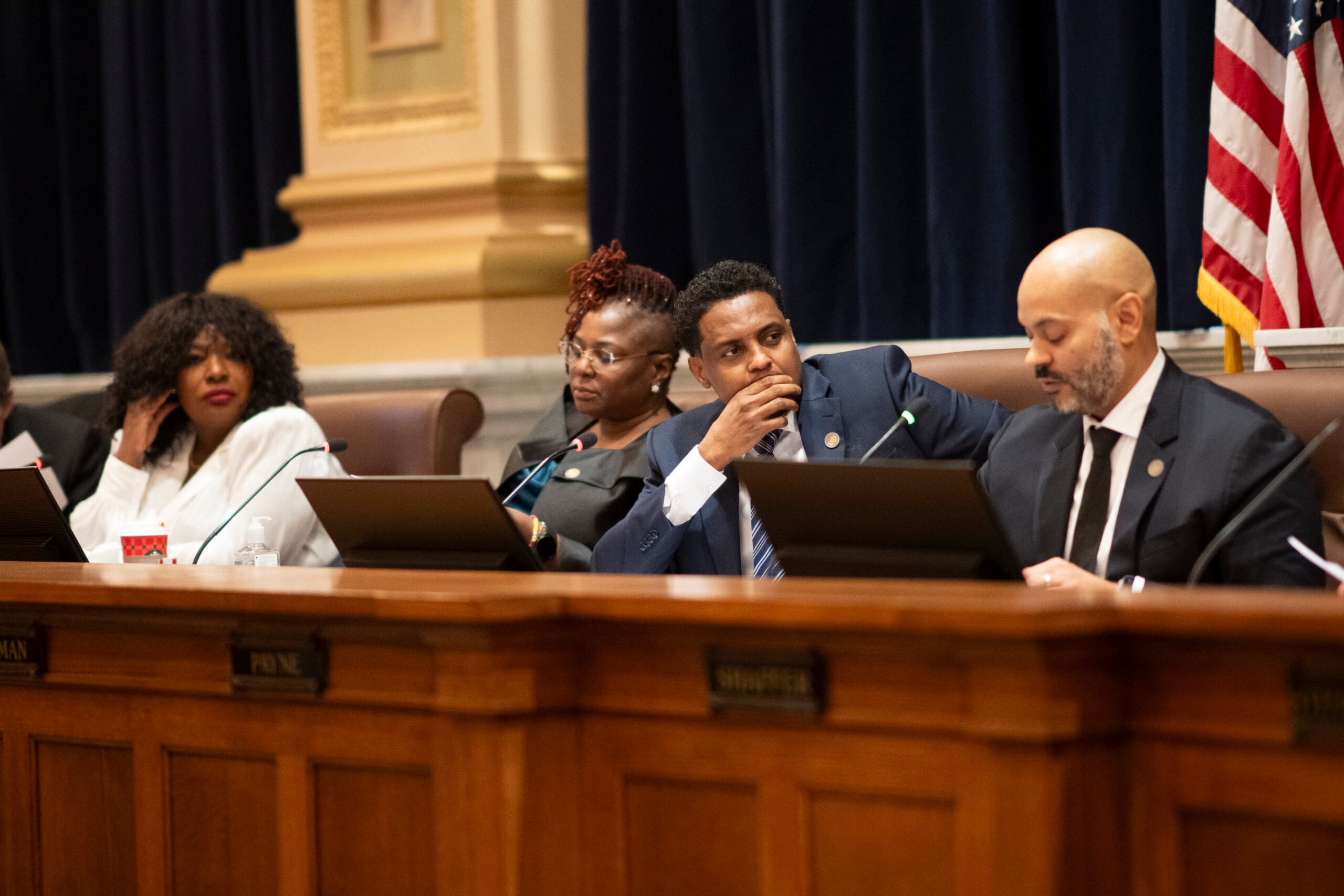
The council voted 9-2 on Thursday to approve two ordinances dealing with adult bathhouses and sex venues. One measure focused on licenses and business regulations, while the other addressed health and sanitation rules. Council Vice President Jamal Osman abstained, and Council Member Jamison Whiting was absent.
The vote came during a politically sensitive and highly visible week for Minneapolis, as the city prepared for Twin Cities Pride and also approved a broader “Pride in Policy” package supporting LGBTQ+ residents and visitors. The measures now head to Mayor Jacob Frey, whose office said he plans to sign the bathhouse ordinances.
The change does not mean adult bathhouses can open immediately. Instead, it clears away the old ban and allows city officials to begin building a modern regulatory framework.
What The Council Approved
The newly approved ordinances would repeal Minneapolis’ 1988 ban on adult bathhouse licenses. That ban had remained in city code for nearly four decades, even as public health understanding, LGBTQ+ rights, and attitudes toward sexual health changed significantly.
The council’s action also removes outdated language from city rules and creates space for future licensing and regulation of adult bathhouses. According to council members, the immediate effect is not the instant opening of such businesses. Rather, the vote allows the city to start the next stage of policy work.
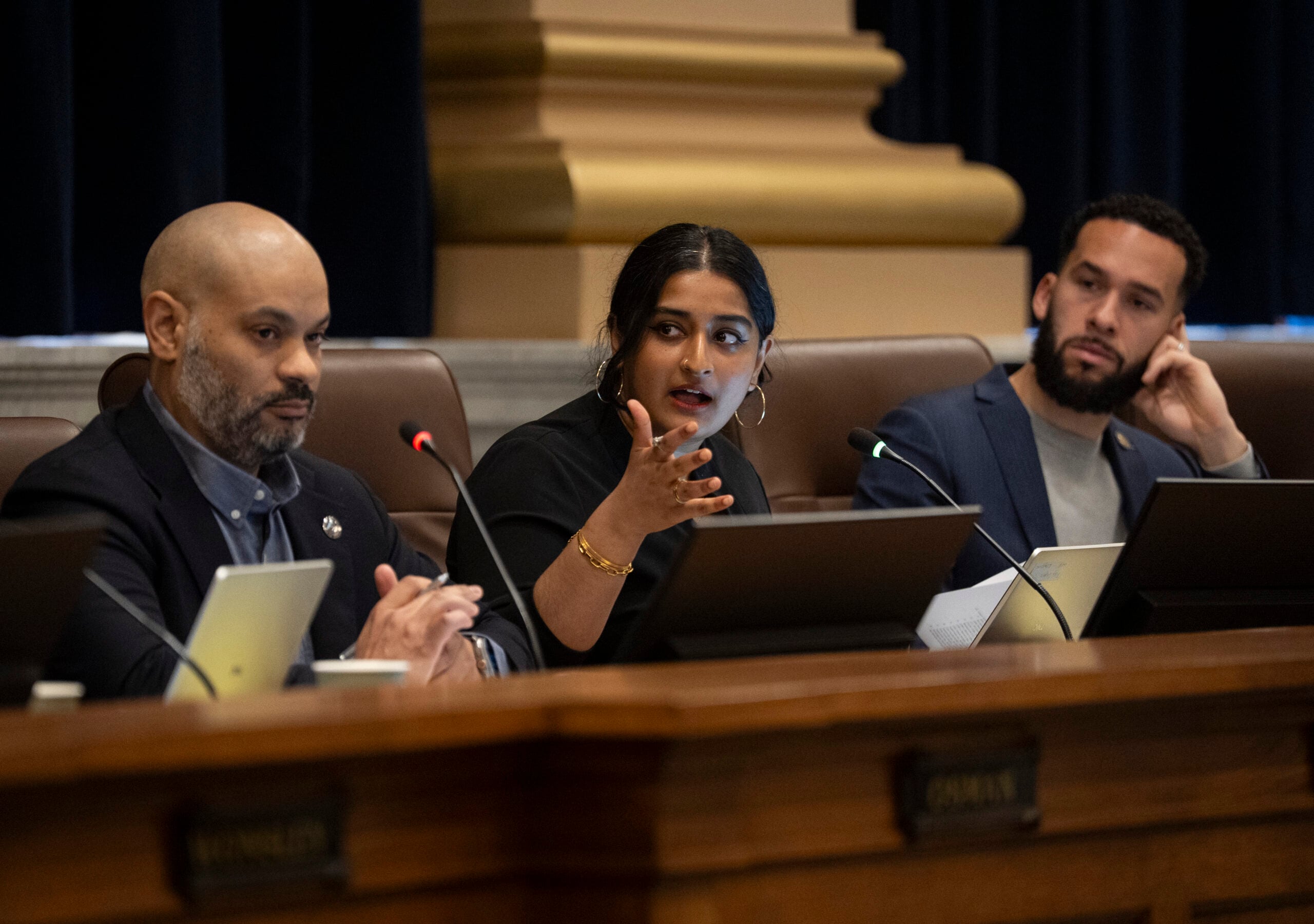
Council Member Jason Chavez explained after the meeting that adult bathhouses would still need a regulatory structure before they could open. In other words, Minneapolis has voted to remove the barrier, but the city still has to decide exactly what rules would apply.
That distinction is important. The vote was not simply about opening doors overnight. It was about whether the city should continue to maintain a blanket ban or instead create a controlled, health-focused licensing system.
Why The Ban Existed
The original adult bathhouse ban was enacted in 1988, during an era when the AIDS crisis deeply shaped public health policy, political debate, and LGBTQ+ life across the United States. At that time, many cities responded to the crisis with restrictions on spaces associated with gay men and sexual activity.
Supporters of the repeal argue that the old Minneapolis ban reflected the fear and stigma of that era. They say the law treated LGBTQ+ spaces as public threats rather than as communities that needed support, education, health services, and dignity.
For many advocates, the ban was not just outdated. It was painful. They viewed it as a remnant of a time when government policy often targeted LGBTQ+ people rather than protecting them. To them, removing the ban is part of a larger effort to correct language and laws that carried discriminatory assumptions.
This is why the vote became closely tied to Pride week. For supporters, the timing was meaningful. It suggested that the city was not only celebrating LGBTQ+ residents symbolically, but also changing policy in ways advocates had long requested.
Supporters Call It A Public Health Shift
Supporters of the repeal say adult bathhouses have historically served as LGBTQ+ gathering spaces and that banning them does not necessarily improve public health. Instead, they argue that regulated venues can create opportunities for safer practices, outreach, testing information, and health education.
Their argument is built on a shift in how public health is understood. Decades ago, officials often tried to reduce risk by shutting down spaces. Today, many public health advocates argue that people are safer when spaces are regulated, visible, and connected to health resources.
The new ordinances preserve Health Department enforcement powers while allowing the city to develop future rules grounded in public health and evidence-based practices. That phrase matters because it suggests the city wants to move away from moral judgment and toward practical safety standards.
Supporters say that if adult venues are going to exist, they should exist under clear rules. Those rules could include sanitation standards, inspections, health requirements, licensing expectations, and other safeguards.
A Symbolic Vote Before Pride
The timing of the council vote added to its public impact. The decision came just days before Twin Cities Pride, one of the region’s most visible LGBTQ+ celebrations. At the same meeting, the council also approved a “Pride in Policy” package.
That broader package included updates to make city codes more gender inclusive, a study on how to expand all-gender restrooms across the city, and language affirming support and protections for LGBTQ+ people in Minneapolis.
Together, these measures sent a clear political message. Minneapolis was not only issuing Pride statements or hanging flags. The city council was changing policy language and reviewing practical systems that affect LGBTQ+ residents and visitors.
Supporters saw the adult bathhouse vote as part of that larger effort. To them, removing the ban meant stripping away a piece of city code they believed had long carried stigma. It also signaled that LGBTQ+ spaces should not be automatically treated as dangerous or shameful.
What Opponents Said
Not everyone supported the move. Opponents argued that the city had bigger problems to focus on. In their view, Minneapolis leaders should spend their time and political energy on core issues such as safe streets, housing, and economic development.
That concern was echoed in a statement from Mayor Frey’s spokesperson, who said the mayor would sign the bathhouse ordinances but wanted the city’s focus to remain on basic services, including public safety, housing, and economic growth.
This position does not necessarily reject the repeal outright. Instead, it frames the issue as one of priorities. Critics and skeptics may ask why the council is spending time on adult bathhouse regulations when residents are also concerned about crime, homelessness, affordability, and the local economy.
That tension is common in city politics. One side may see a policy as a necessary civil rights or public health update. Another side may see it as a distraction from more urgent everyday concerns. The Minneapolis vote sits directly inside that debate.
Why The Decision Became Controversial
The controversy comes from the subject itself, but also from what it represents. Adult bathhouses carry a complicated history in American cities. For some, they are remembered as community spaces connected to LGBTQ+ culture and social life. For others, they raise concerns about public health, regulation, and neighborhood impact.
In Minneapolis, the debate is sharpened by the 38-year age of the ban. A law that remains on the books for decades can become more than policy. It becomes a symbol. Supporters of repeal say this particular symbol was connected to legalized discrimination and fear during the AIDS crisis.
The word “homophobic” used by advocates to describe the old ban reflects that view. They argue the city should not maintain laws that grew from panic and stigma, especially when modern public health tools are very different from those available in the late 1980s.
Opponents, however, may argue that removing the ban requires careful oversight and that the city must be prepared for enforcement responsibilities. Even if adult bathhouses are allowed in the future, the public will expect clear rules around licensing, sanitation, safety, and neighborhood compatibility.
Regulation Comes Next

Council members emphasized that the vote is only the beginning of the process. Adult bathhouses would still need regulations before they could open. That means Minneapolis officials will likely need to answer a series of detailed questions.
How would these businesses apply for licenses? What sanitation standards would be required? How often would inspections happen? What health rules would apply? Where could such venues operate? What enforcement tools would the Health Department and city inspectors have?
Moving building standards for adult entertainment venues into the adult entertainment code is part of that modernization. It helps place related rules in a more appropriate section of city law while preserving health enforcement authority.
The next phase may be less symbolic but more important in practical terms. Repealing a ban removes an old restriction. Creating a framework determines how the policy will actually function in daily life.
A Debate About Stigma And Safety
At its heart, the Minneapolis decision is about the balance between stigma and safety. Supporters say the old ban confused the two. They believe the city treated LGBTQ+ sexual spaces as a threat instead of addressing health through education, testing, regulation, and community partnership.
They argue that stigma can make people less safe. When certain spaces are pushed underground or treated as shameful, public health outreach can become more difficult. A regulated environment, they say, can make health conversations easier and more visible.
Skeptics may respond that regulation must be strong enough to protect the public and surrounding communities. They may worry that the city is moving into a sensitive area without enough clarity about enforcement.
Both concerns are likely to shape the next stage. The city will need to show that it can honor LGBTQ+ history and rights while also creating standards that are practical, enforceable, and transparent.
Minneapolis Joins A Wider Conversation

The council’s vote places Minneapolis inside a broader national conversation about LGBTQ+ rights, public health, city codes, and how old laws should be reconsidered. Across the country, governments are reviewing language and policies that were written in earlier eras and may no longer reflect current values or knowledge.
Some changes are symbolic, such as updating gendered language in city code. Others are structural, such as expanding all-gender restrooms or creating formal protections for LGBTQ+ residents. The bathhouse repeal sits somewhere between symbolic and practical. It removes a ban with historical weight, but it also opens the door to future business regulation.
That combination is why the issue has drawn attention. It is not only about one type of venue. It is about whether cities should continue to enforce laws created during a very different public health and cultural moment.
What Happens Now
The ordinances now go to Mayor Jacob Frey for final approval. His spokesperson indicated that he will sign them. Once that happens, the old ban will be repealed, but the practical work will continue.
No adult bathhouse is expected to open immediately simply because of the vote. The city must still build the rules that would make licensing possible. That process could involve public health experts, city staff, community members, business applicants, legal review, and further council discussion.
For supporters, Thursday’s vote was a long-awaited step toward removing stigma from city law. For opponents and skeptics, it was a reminder that policy changes must be matched with strong oversight and attention to broader city priorities.
The decision is likely to remain part of Minneapolis’ political conversation beyond Pride week. It touches history, identity, public health, local government, and the meaning of safety in a modern city.
A 38-Year Ban Nears Its End
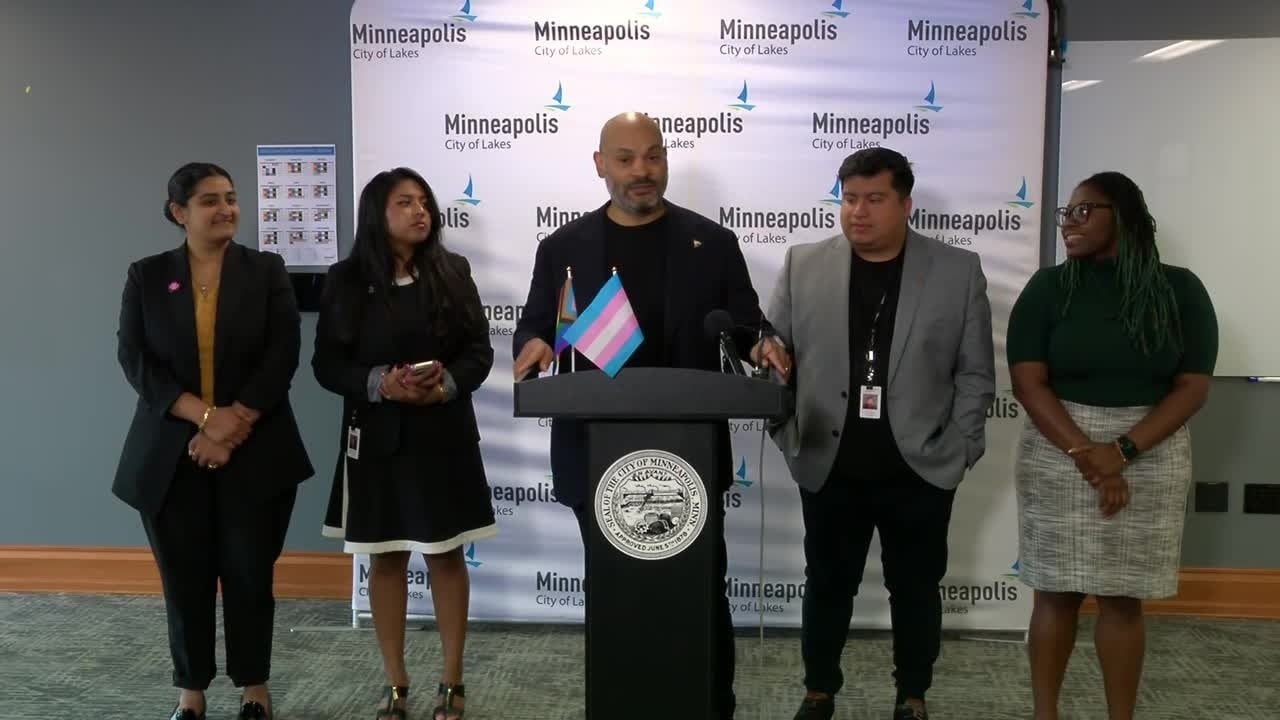
Minneapolis’ vote to lift the adult bathhouse ban marks a turning point in a decades-old debate. What began as a city ordinance from 1988 has now become a flashpoint over LGBTQ+ dignity, health policy, and government priorities.
Supporters see the repeal as the removal of outdated and discriminatory language. They believe the city is finally acknowledging that public health should be guided by evidence, not fear. Opponents and skeptics see a city that must be careful not to lose focus on core services while entering a sensitive new regulatory area.
Both sides agree on one thing: the vote matters.
It matters because laws carry messages. A ban can tell a community that its spaces are suspect. A repeal can tell that same community that the city is ready to reconsider old assumptions. But the final meaning of the vote will depend on what comes next.
If Minneapolis builds a thoughtful, health-focused framework, the city may present the repeal as both a civil rights update and a public health modernization. If the process becomes unclear or poorly managed, critics will argue that their concerns about priorities and regulation were justified.
For now, the city has taken a historic step. After 38 years, Minneapolis is preparing to move beyond a ban born in another era and into a new debate over how adult venues should be regulated in a city that wants to present itself as inclusive, modern, and accountable.