
Table of Contents
- A Plant That Changes Motherhood? New Research Says Yes
- The Study That Changed Everything
- Meet Moringa: The “Miracle Tree” With More Nutrients Than You Think
- How Moringa Boosts Milk Supply — The Science Explained Simply
- Here’s where Moringa steps in:
- Does It Work for All Mothers? The Real-World Impact
- Why This Discovery Is a Game Changer Worldwide
- Is Moringa Safe for Breastfeeding Moms? What Researchers Say
- Why Results Happen So Fast — The 5-Day Acceleration Window
- Should Moringa Replace Traditional Lactation Support?
- How Mothers Typically Use Moringa — Realistic Daily Guide
- Extra Benefits: Why Moringa Helps Mothers Even After Weaning
- What This Breakthrough Means for the Future of Postpartum Health
- Final Reflection: If You Had a Chance to Triple Your Milk Supply… Would You Take It?
A Plant That Changes Motherhood? New Research Says Yes
Imagine struggling with breastfeeding — pumping for hours, drinking water nonstop, eating all the foods the internet recommends — and still barely filling a bottle.
Now imagine taking a simple plant-based supplement and watching your breast milk supply triple in just five days.
Sounds unbelievable, right?
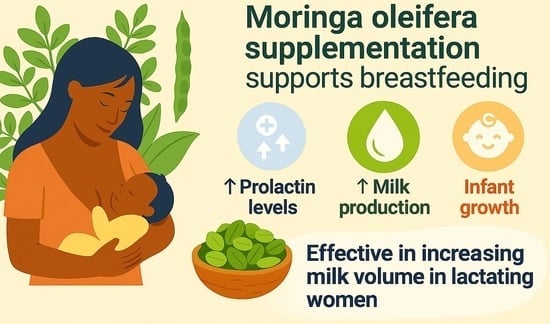
But that’s exactly what new research is showing about Moringa oleifera, a leafy green often called “The Miracle Tree.”
For mothers around the world — from busy professionals to first-time moms fighting exhaustion — this discovery feels less like nutrition science and more like a lifeline.
And the deeper you dig, the more surprising it becomes.
(But how does a simple plant do what even expensive lactation supplements struggle with? Keep reading.)
The Study That Changed Everything
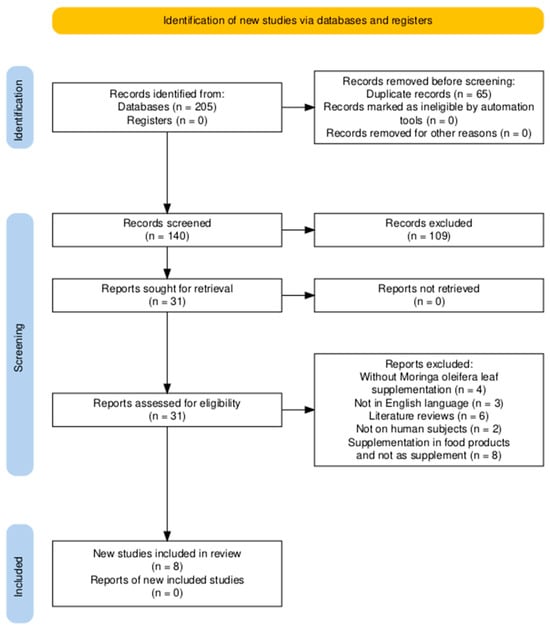
Researchers investigating natural lactation support found something remarkable:
Mothers who consumed Moringa showed a nearly three-fold increase in breast milk supply after only five days.
Not a slight improvement.
Not a 10% bump.
But almost three times more milk.
When compared with mothers who took a placebo, the results became even clearer — Moringa wasn’t acting as a supportive nutrient.
It was acting as a powerful natural galactagogue (a substance that promotes lactation).
This wasn’t anecdotal “mom group” advice. This was controlled research.
And suddenly, the plant long used in traditional medicine earned scientific validation.
(But what exactly is Moringa — and why does it work so fast?)
Meet Moringa: The “Miracle Tree” With More Nutrients Than You Think
Moringa oleifera grows in tropical regions across Asia and Africa. It’s been used for centuries in traditional postpartum care.
Why?
Because the leaves are packed with:
- protein
- iron
- calcium
- vitamin A
- vitamin B6
- vitamin C
- essential amino acids
- antioxidants
- anti-inflammatory compounds
In fact, gram for gram, Moringa contains:
- more vitamin C than oranges
- more iron than spinach
- more calcium than milk
- more potassium than bananas
But nutritional richness alone doesn’t explain how mothers suddenly produce so much more milk.
The secret lies deeper — in how Moringa interacts with prolactin, oxytocin, and postpartum recovery.
(Which leads to the next question: how does Moringa supercharge the milk-making process?)
How Moringa Boosts Milk Supply — The Science Explained Simply
Breast milk production is controlled by three main factors:
1. Prolactin levels
This is the hormone responsible for stimulating milk production.
2. Oxytocin release
Often called the “let-down” hormone, it helps milk flow.
3. Maternal nutrition and recovery
Your body won’t produce optimal milk when depleted.
Here’s where Moringa steps in:
✔ It naturally elevates prolactin levels
Studies show Moringa increases serum prolactin, directly triggering higher milk volume.
✔ It reduces inflammation and oxidative stress
Postpartum inflammation can interfere with milk production.
✔ It restores nutrient stores depleted during pregnancy
Low iron and low protein levels are major contributors to low milk supply.
✔ It improves overall maternal energy and well-being
A healthier mom produces better and more consistent milk.
Combine these effects — and you get increases of 200% to 300% milk production within days.
Imagine filling one bottle in the morning on Monday, and by Saturday filling three — with the same effort.
(It’s impressive — but does Moringa help every mother? That’s where the story gets more interesting.)
Does It Work for All Mothers? The Real-World Impact

Here’s what researchers and lactation consultants are seeing:
☑ First-time moms
They often experience delayed milk “coming in.” Moringa helps front-load the process.
☑ Moms returning to work
Pumping output increases dramatically — reducing stress and guilt.
☑ Mothers recovering from C-section
Surgery delays milk production; Moringa appears to counteract that delay.
☑ Moms dealing with fatigue & nutrient depletion
Postpartum exhaustion is a supply killer — Moringa restores the body quickly.
☑ Moms with naturally low supply
Many see meaningful increases after just a few days.
☑ Moms of NICU babies
Extra milk allows them to store and support their baby longer.
The consensus:
Not every mother jumps to 3× output — but almost every mother sees a significant increase.
So if Moringa is this effective, why isn’t it standard postpartum care worldwide?
(Simple: most breakthroughs take time to reach the public — but interest is growing fast.)
Why This Discovery Is a Game Changer Worldwide
Breastfeeding challenges affect mothers across the globe, regardless of culture or income level.
But Moringa changes the landscape because it’s:
- natural
- affordable
- widely accessible
- safe for most mothers
- easy to incorporate into daily routine
- validated by research
This matters because low breast milk supply impacts:
- maternal mental health
- infant immunity
- household finances
- workplace stress
- formula-feeding costs
- travel flexibility
- sleeping schedule
- nutrition for mother and child
For example:
💰 Financially:
Formula costs can exceed $1,500 yearly. A natural supply boost is a major budget benefit.
🌍 For mothers who travel or work:
Higher milk output equals more stored milk, more freedom, and less logistical stress.
❤️ For health:
Breast milk protects newborns from illness, allergies, and infections — making Moringa’s impact a public health advantage.
It’s not just a supplement.
It’s a solution with global ripple effects.
(But is it safe? Let’s tackle that.)
Is Moringa Safe for Breastfeeding Moms? What Researchers Say
Research and clinical data show Moringa is generally safe for breastfeeding mothers.
It is:
- non-toxic
- plant-based
- nutrient-rich
- free of hormonal drugs
- historically used in postpartum recovery
But like any supplement:
- It should be taken in recommended doses
- Consult your doctor if you have medical conditions
- Avoid roots and extracts not intended for breastfeeding
- Stay within guidelines for powdered or capsule form
Most studies used 2–4 grams per day of Moringa leaf powder or capsules.
And mothers reported:
- better energy
- improved milk flow
- less fatigue
- better postpartum mood stability
But the story gets even more fascinating when you look at the timeline…
Why Results Happen So Fast — The 5-Day Acceleration Window
The body usually takes weeks to respond to dietary changes.
So why does Moringa work in five days?
Researchers believe it’s because:
- Moringa’s nutrients absorb quickly
- Prolactin stimulation is immediate
- Inflammation drops rapidly
- Hormonal balance improves within days
Think of it this way:
Your body wants to make milk — it simply needs the right fuel.
Moringa supplies that fuel in a highly concentrated form.
It’s the equivalent of giving your milk-making system a turbocharge.
So by the fifth day, the difference is not subtle — it’s measurable.
(But there is still one major question: should mothers rely on Moringa alone?)
Should Moringa Replace Traditional Lactation Support?
The short answer: No — but it should complement it.
Breastfeeding success relies on:
- consistent nursing or pumping
- proper latch
- hydration
- adequate calories
- rest
- stress management
- support system
Moringa is not a replacement.
It’s an accelerator.
Think of it as turning your milk production from “standard mode” to “high-performance mode.”
Lactation consultants agree:
Moringa is most effective when paired with frequent milk removal (nursing or pumping).
So if a mother is:
- tired
- inflamed
- nutrient-deficient
- hormonally imbalanced
- overwhelmed
Moringa fills all those gaps — fast.
(But how should mothers start? Let’s break that down.)
How Mothers Typically Use Moringa — Realistic Daily Guide
Moringa comes in different forms:
- capsules
- powder
- tea
- blended in smoothies
- added to soups or meals
Most research trials used capsules or powder.
A common, safe routine looks like:
Day 1–5:
2 grams Moringa per day (morning + evening)
Stay hydrated
Pump or nurse consistently
Day 5–10:
Increase to 3–4 grams per day if needed
After supply stabilizes:
Decrease dose or maintain depending on personal need
Many moms pair Moringa with:
- Oatmeal
- Fenugreek (optional and less preferred due to side effects)
- Body armor drinks
- Lactation cookies
- Electric pump schedule
But Moringa alone often makes the biggest difference.
(And the best part? Its benefits extend beyond breastfeeding.)
Extra Benefits: Why Moringa Helps Mothers Even After Weaning
Even once breastfeeding ends, Moringa offers ongoing health benefits for mothers:
⭐ Boosts iron and prevents anemia
Huge for postpartum recovery.
⭐ Enhances energy levels
Counteracts sleep deprivation exhaustion.
⭐ Regulates blood sugar
Useful for women with gestational diabetes history.
⭐ Improves gut health
Fiber + antioxidants make digestion smoother.
⭐ Reduces inflammation
Helpful for C-section or vaginal birth recovery.
⭐ Supports skin, hair & nails
Natural vitamins accelerate healing and growth.
This is why many women continue Moringa long after motherhood transitions into toddlerhood.
(But how will this research shape the future of postpartum care?)
What This Breakthrough Means for the Future of Postpartum Health
The research validating Moringa could reshape maternal wellness worldwide by:
1. Integrating Moringa into hospital postpartum programs
Especially in regions struggling with formula shortages.
2. Making breastfeeding more accessible for working mothers
Higher supply = less stress.
3. Reducing formula reliance in developing countries
A major public health benefit.
4. Positioning Moringa as a global maternal health superfood
Affordable, safe, effective.
5. Shifting healthcare systems toward natural galactagogues
Backed by research, not just tradition.
Moringa is no longer folk medicine — it’s entering evidence-based healthcare.
And for millions of mothers, that matters.
Final Reflection: If You Had a Chance to Triple Your Milk Supply… Would You Take It?
Picture this:
A mother sits quietly, holding her newborn, exhausted, worried her milk supply isn’t enough.
She tries teas, hydration, pumping schedules, every trick she hears.
Still — drops, not ounces.
Now imagine someone hands her a plant-based supplement, telling her:
“Give it five days.”
And suddenly, her supply rises — her freezer fills — her confidence returns.
This isn’t magic.
This is Moringa.
This is research.
This is hope.
So ask yourself:
If your body could produce three times more nourishment for your baby… would you fight it, or embrace it?
Because sometimes, the simplest plants create the biggest miracles.