
Table of Contents
The Growing Global Burden of Cataracts
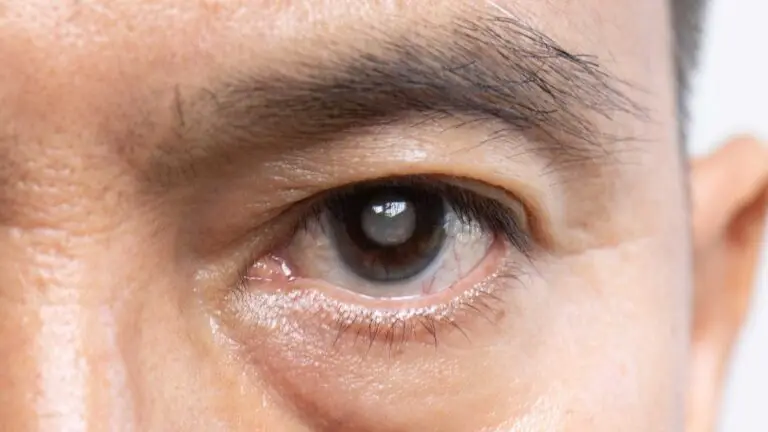
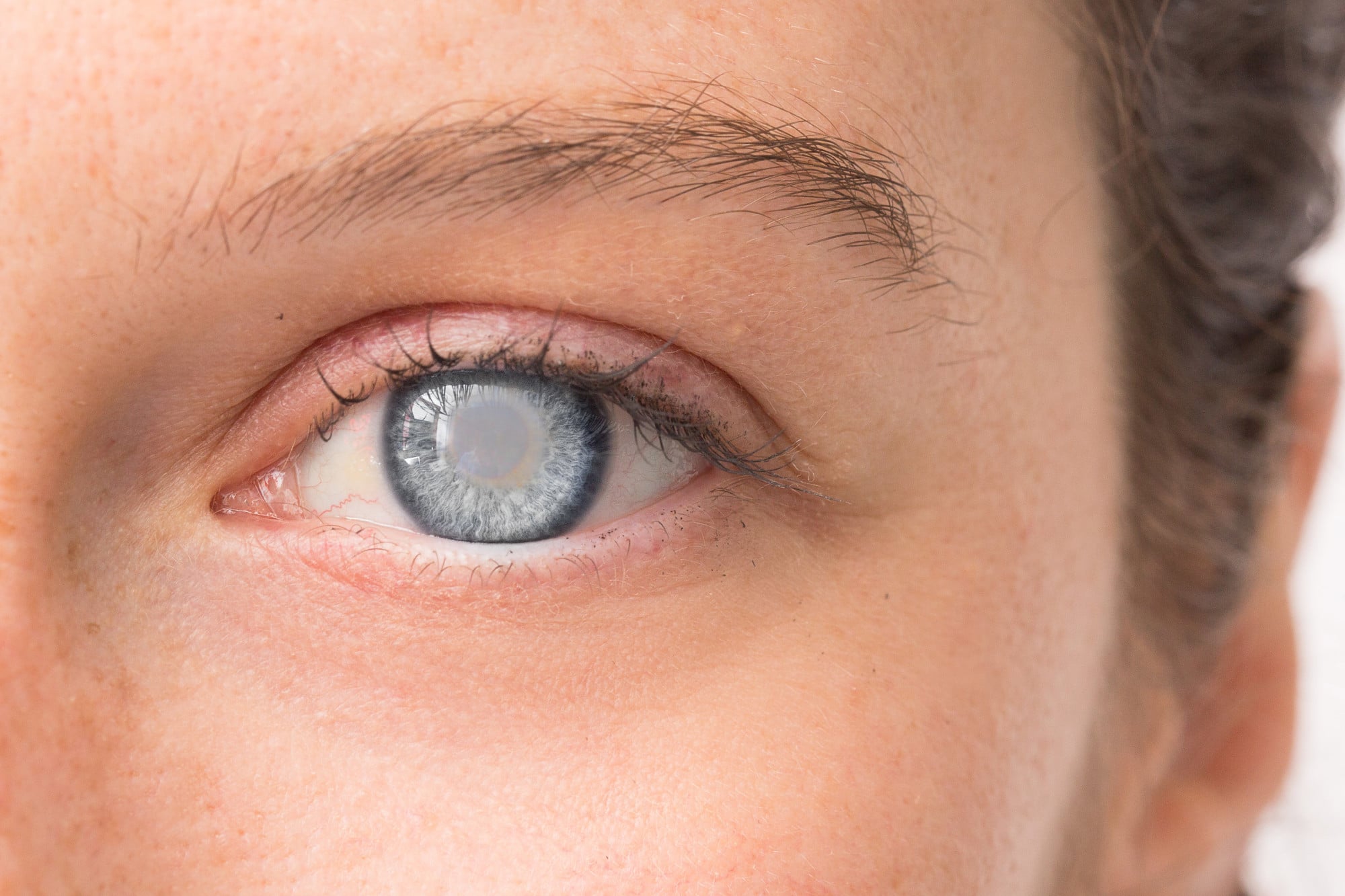
Cataracts are a slow and often insidious condition that affects millions of people worldwide, particularly as they age. They begin with a subtle clouding of the eye’s natural lens, often going unnoticed until they progress. Early symptoms can include difficulty reading, blurry vision, or an increased sensitivity to light. As the cataracts worsen, vision becomes more impaired, with colors appearing faded and familiar faces becoming difficult to recognize.
According to the World Health Organization (WHO), more than 94 million people suffer from cataract-related vision impairment, making it the leading cause of blindness globally. Cataracts can be triggered by a variety of factors, including aging, UV exposure, smoking, diabetes, and even injuries. While surgery is a highly effective treatment, it is not always accessible to everyone. In many low-income regions, access to surgical care can be limited, and the costs of treatment can be prohibitive.
The impact of cataracts extends beyond vision loss. Research has shown that those with cataracts face an increased risk of falls, depression, and even cognitive decline. As the disease progresses, individuals may find it harder to navigate their environment, leading to a loss of independence. For many, cataracts significantly affect their quality of life, limiting their ability to work, engage socially, and maintain an active lifestyle.
Why Cataract Surgery Isn’t Always the Solution
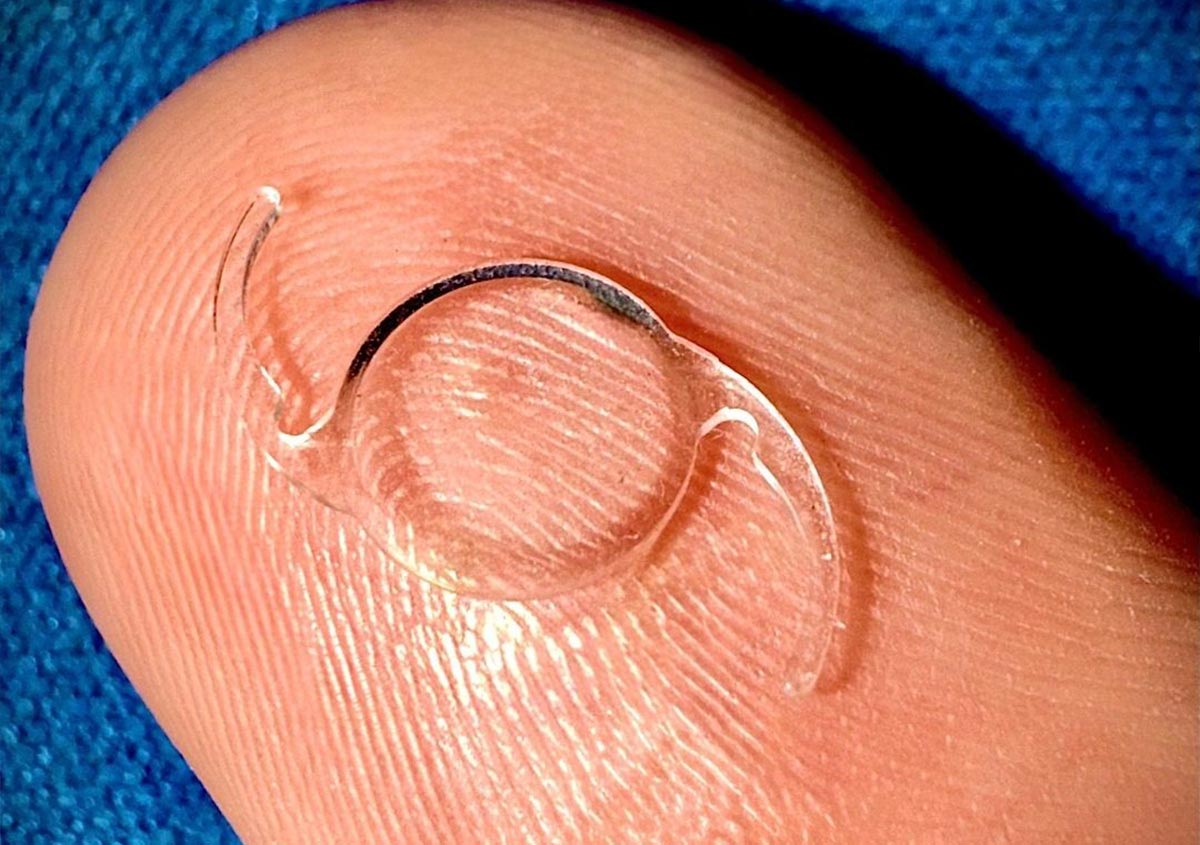
Cataract surgery is one of the most successful medical procedures worldwide, with high success rates and a quick recovery time. During the procedure, the clouded natural lens is removed and replaced with an artificial intraocular lens (IOL). For most patients, this leads to a near-instant improvement in vision. However, the surgery is not without its barriers.
For millions of people, cataract surgery is simply not an option due to factors such as affordability, lack of access to medical facilities, and fear of surgery. In rural and remote areas, patients may need to travel long distances to access surgical centers, which can be a significant financial burden. Additionally, older adults with underlying health conditions such as heart disease or diabetes may face increased risks from surgery, making them hesitant to undergo the procedure.
For children with congenital cataracts, surgery may not be ideal as removing the lens too early can interfere with proper eye development. Furthermore, even after surgery, the artificial lens does not have the same ability to focus at different distances as the natural lens. This limitation means that patients may still need glasses for certain activities, such as reading or driving.
The Science Behind the Eye Drop Solution
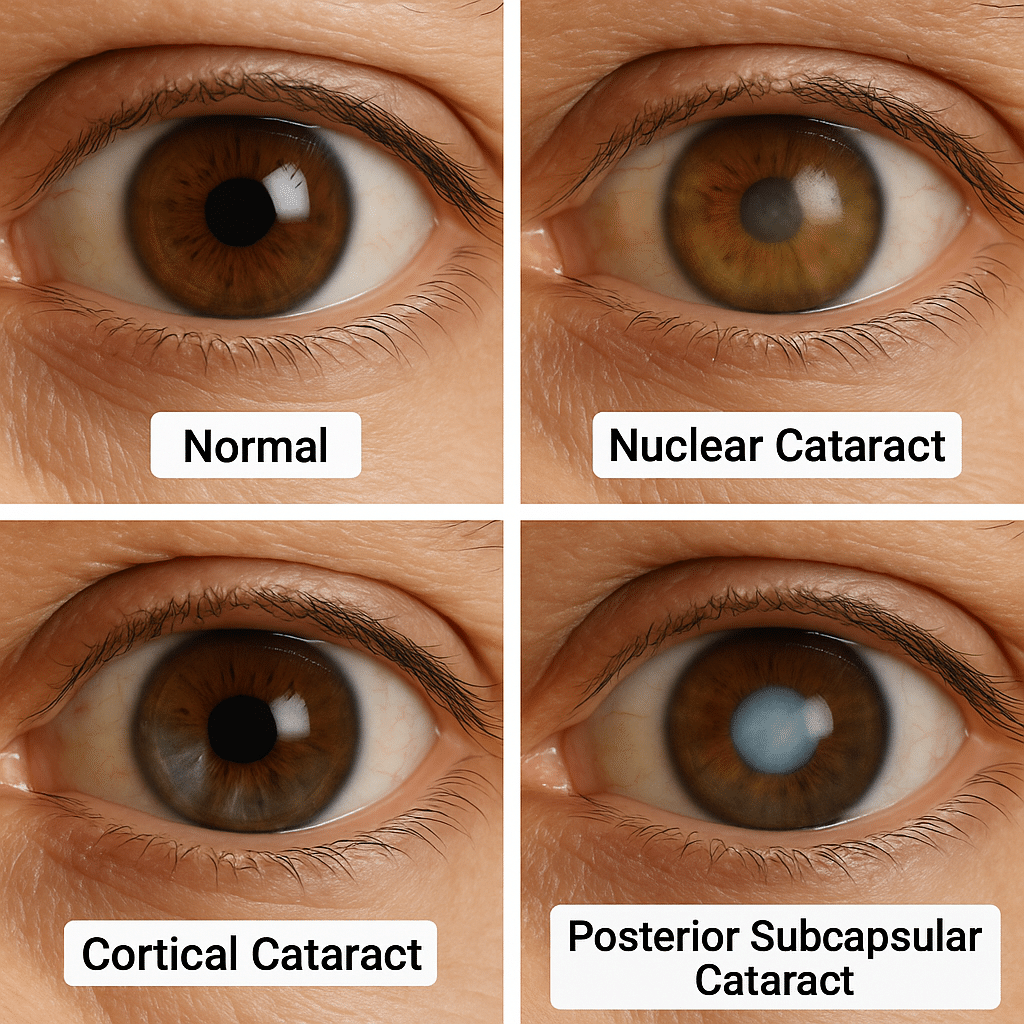
So, how could an eye drop be a game-changer in cataract treatment? The key lies in the science of how cataracts form. Cataracts occur when the proteins in the eye’s natural lens begin to clump together, causing the lens to become cloudy. Over time, the lens becomes less flexible and more opaque, leading to vision impairment.
The experimental eye drops in question are designed to target the crystallin proteins in the lens. These proteins are responsible for maintaining the lens’s transparency and flexibility. When they become misfolded or clumped together, cataracts form. The eye drops contain a compound called VP1-001, which acts as a pharmacological chaperone. In simple terms, it helps the misfolded proteins return to their proper structure, thereby reversing the cloudiness in the lens.
VP1-001 is an oxysterol, a molecule derived from cholesterol, which has been shown to penetrate the lens and interact with the crystallin proteins. By restoring the correct folding of these proteins, the drug helps to clear the lens and restore its ability to focus light properly. In animal studies, the application of VP1-001 has shown significant improvement in lens clarity, with some lenses even regaining their ability to focus light properly—a result never before achieved without surgery.
Early Success in Animal Models
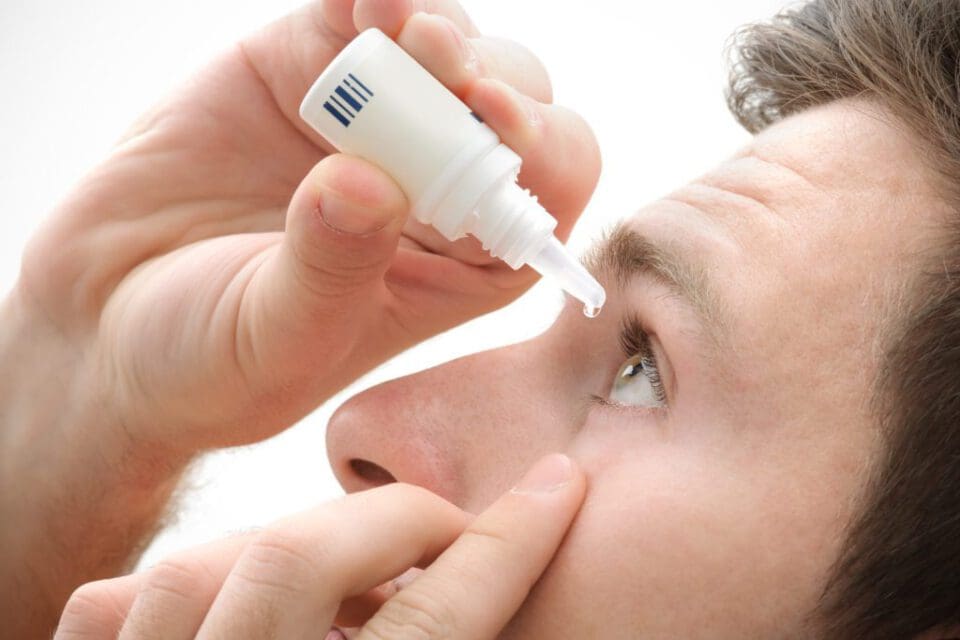
In laboratory studies, VP1-001 has shown remarkable results. When applied as an eye drop to mice with cataracts, 61% of the treated lenses showed optical improvement, and 46% showed a measurable reduction in opacity. Some lenses even regained their ability to focus light properly, suggesting partial restoration of the lens’s original function.
Unlike previous attempts to treat cataracts with eye drops, VP1-001 has shown better penetration into the lens and greater stability. This improved ability to reach the target tissue is critical for the success of the treatment. In addition to its effectiveness, VP1-001 appears to stabilize the three major types of crystallins (alpha, beta, and gamma), which are crucial for maintaining the lens’s transparency and flexibility.
These promising results in animal models have sparked hope that this treatment could eventually be applied to humans. However, as with any new treatment, further research and clinical trials are necessary to determine its safety and efficacy in human patients.
What We Know and What Still Needs to Be Tested
While the early results of VP1-001 are encouraging, much remains to be tested. The most significant hurdle is translating the success seen in animal models to human patients. The human lens is larger, more complex, and better protected by natural barriers than the mouse lens, which could affect how well the eye drops work in people.
One challenge is ensuring that the drug can penetrate the lens in high enough concentrations to produce significant effects. Additionally, researchers must determine how to deliver the drug effectively without causing irritation or damage to surrounding tissues such as the cornea. Studies are ongoing to refine the delivery methods and improve the drug’s ability to reach the lens.
Another factor to consider is the variability of cataract formation. While VP1-001 has shown promise for certain types of cataracts, it may not work for all patients. Cataracts can develop due to various factors, such as aging, injury, or underlying medical conditions. It remains to be seen whether VP1-001 can effectively treat all forms of cataracts or if it will be most effective for specific types.
The Potential Global Impact
If VP1-001 proves to be safe and effective for humans, it could have a profound impact on cataract treatment worldwide. One of the most significant benefits would be for communities where surgical options are limited or unavailable. In rural areas of developing countries, where access to eye care is scarce, a non-surgical treatment option could be a game-changer. People who cannot afford surgery or cannot travel to specialized centers could instead receive treatment at local clinics or even in their own homes with eye drops.
For individuals in wealthier countries, VP1-001 could offer a gentler alternative to surgery. Older adults with underlying health conditions that make surgery risky could benefit from a non-invasive treatment option that preserves their natural lens. Additionally, using eye drops could help reduce the backlog of cataract surgeries in many healthcare systems, which have been overwhelmed by the COVID-19 pandemic.
For children with congenital cataracts, the eye drops could offer a solution that allows for better preservation of the natural lens, reducing the need for surgery and minimizing the risk of long-term developmental issues.
A Clearer Future for Cataract Treatment
The development of VP1-001 represents a groundbreaking advancement in the treatment of cataracts. If successful in human trials, these eye drops could offer a safer, more accessible alternative to surgery, transforming how cataracts are treated worldwide. By targeting the root cause of cataracts at a molecular level, this new approach has the potential to restore sight without the need for invasive procedures.
While much more research is needed before this treatment becomes widely available, the early results are promising. In the meantime, individuals can take steps to protect their vision by following proven practices, such as wearing UV-protective eyewear, eating a nutrient-rich diet, and managing chronic health conditions.
The future of cataract treatment looks brighter than ever, with the possibility of non-surgical options bringing clearer vision to millions of people around the world.