

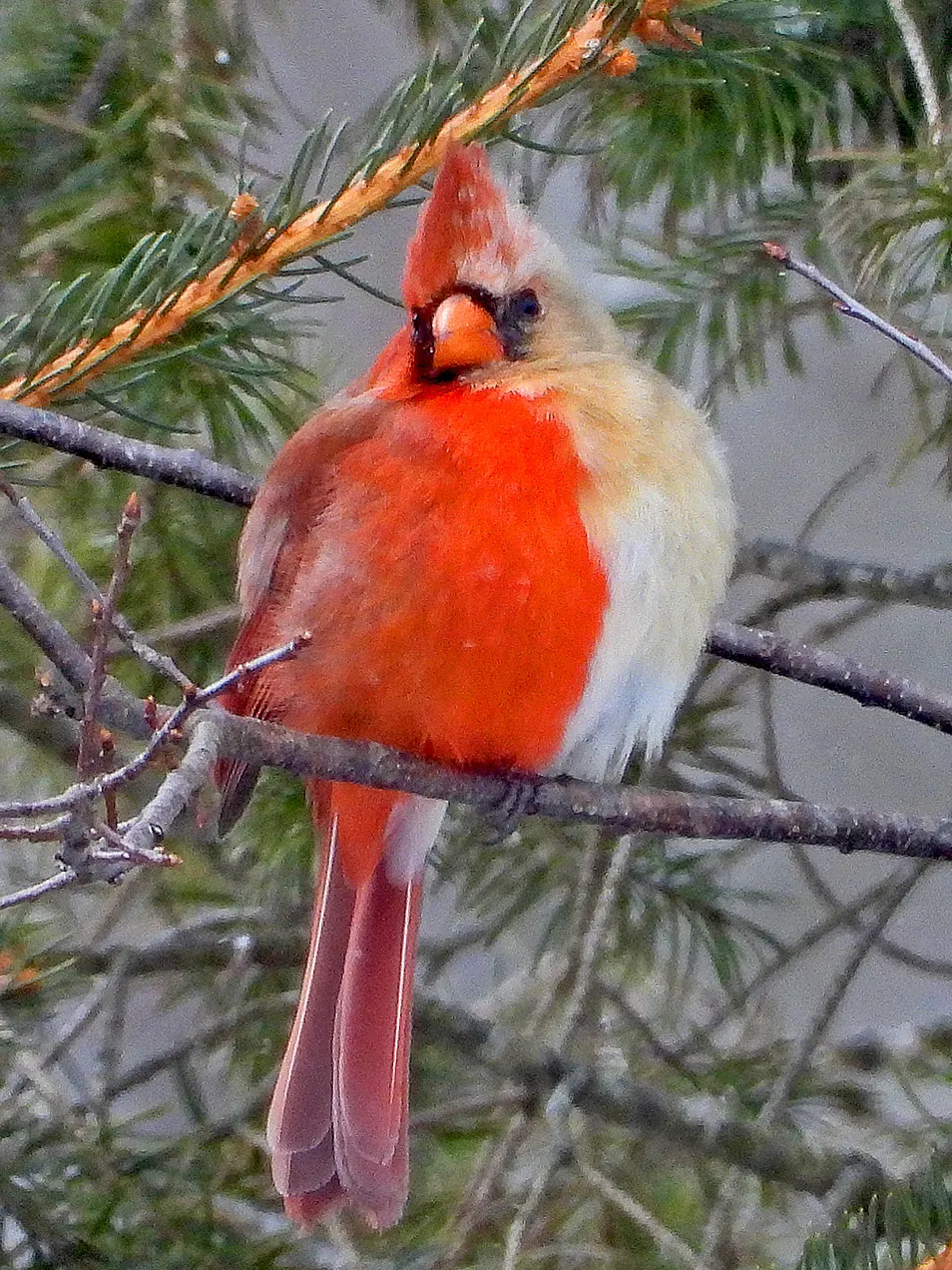
In the quiet suburbs of Pennsylvania, something extraordinary has appeared—a bird that defies the rules of nature. A Northern Cardinal, the beloved songbird known for its vivid red plumage, has been spotted exhibiting a rare phenomenon: it’s half male, half female. On one side, fiery crimson feathers; on the other, muted brown. Scientists call this gynandromorphism, a condition so rare it occurs in fewer than one in every 10,000 birds.
Birdwatchers, conservationists, and casual observers alike are captivated. Images of the half-and-half cardinal are circulating online, sparking curiosity, awe, and even debate about what it tells us about genetics, evolution, and the mysteries of nature. But the story goes beyond a single bird—it opens a window into the fragile balance of wildlife, backyard ecosystems, and the wonder hidden in our own backyards.
Could this one bird also hold clues for biology enthusiasts, eco-tourists, and even those interested in genetic science? Let’s explore.
Table of Contents
- Gynandromorphism: Nature’s Biological Quirk
- Why Birdwatchers Are Flocking to Pennsylvania
- The Science of Split Birds
- Backyard Birding: Witnessing Wonders Close to Home
- Conservation Implications
- Why Scientists Care About This Cardinal
- Viral Fame Meets Scientific Curiosity
- Nature’s Mysteries: What We Still Don’t Know
- A Call to Watch and Protect
Gynandromorphism: Nature’s Biological Quirk
Gynandromorphism occurs when an animal possesses both male and female physical traits. In birds, this can happen due to an early developmental mishap in the egg: one cell line develops male chromosomes, the other female. The result? A bird literally split in two, like a living science experiment.
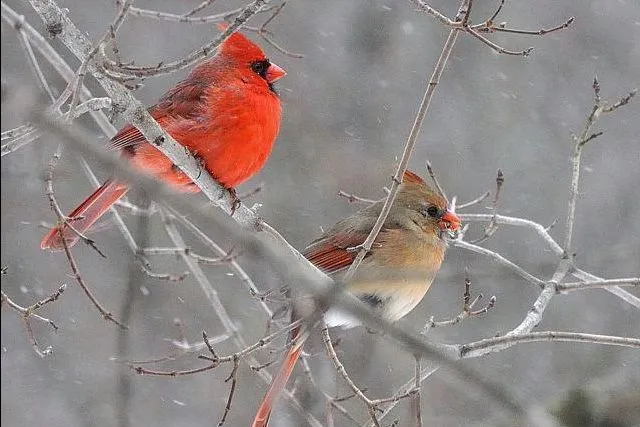
For Northern Cardinals, this is especially striking. Normally, males are vibrant red to attract mates, while females are muted brown, camouflaged to protect nests. Seeing both traits on a single bird is like watching a red velvet cake with chocolate frosting fused perfectly down the middle.
This cardinal isn’t just a curiosity—it’s a window into genetics in action. Researchers are examining whether this unique bird can reproduce, what behaviors it will exhibit, and how its hybrid appearance affects survival.
Imagine seeing such a bird in your own backyard. Would you stop what you’re doing just to take a closer look, or would you rush to share photos online like thousands of others have?
Why Birdwatchers Are Flocking to Pennsylvania
Pennsylvania is no stranger to avid birdwatchers. The state’s temperate climate, abundant forests, and rivers make it a haven for migratory and resident birds. But this half-male, half-female Northern Cardinal is a once-in-a-lifetime sight.
Bird enthusiasts are traveling from nearby states, hoping to glimpse the rare creature. Observing it offers more than bragging rights; it provides an opportunity to study unique behavioral patterns. For instance:
- Does the cardinal sing male mating songs, female calls, or both?
- Which side will it display courtship behaviors from?
- How does it interact with other cardinals in feeding areas or territory disputes?
For eco-tourists and wildlife photographers, this cardinal is a goldmine. Social media posts have already gone viral, drawing attention to the importance of backyard ecosystems and bird-friendly habitats.
If even one rare bird can inspire nationwide interest, imagine what other hidden marvels exist in your neighborhood. Are we overlooking the everyday wonders of local wildlife?
The Science of Split Birds
Scientists have been fascinated with gynandromorphic birds for decades. Unlike hermaphrodites, which can have reproductive organs of both sexes, gynandromorphs display physical traits split between sexes. In the wild, this phenomenon has been recorded in cardinals, finches, robins, and even pigeons.
But what makes this Pennsylvania cardinal so special is the perfect bilateral division. This isn’t a mere smudge or partial coloration—it’s a straight-down-the-middle split. This makes it one of the clearest examples of gynandromorphism ever documented in Northern Cardinals.
Researchers are now analyzing feather samples, observing behavior, and even tagging the bird for further study. Every tiny detail could provide insight into genetic development, chromosomal anomalies, and evolutionary biology.
And here’s the question buzzing in scientists’ minds: could studying such rare occurrences help us better understand broader concepts, like sex-linked traits, evolutionary pressures, or even adaptive advantages in certain ecosystems?
Backyard Birding: Witnessing Wonders Close to Home
For homeowners and urban dwellers, this story is a reminder: nature doesn’t only exist in faraway jungles or exotic travel destinations. The everyday environment—your garden, balcony, or local park—can host rare biological marvels.
Encouraging bird visits through simple measures—feeding stations, native plants, water sources—can create a mini wildlife sanctuary. These efforts not only support species like cardinals but also allow curious observers to witness rare events first-hand.
Birdwatching has benefits beyond fascination. Studies show that engaging with nature can:
- Reduce stress and improve mental health
- Boost mindfulness and attention
- Inspire creativity and educational pursuits for children and adults alike
Could your own backyard host the next viral wildlife discovery? What if the extraordinary is closer than you think?
Conservation Implications
While this half-male, half-female cardinal is safe for now, its appearance highlights broader issues in wildlife conservation. Habitats are shrinking, climate patterns are shifting, and human activity increasingly disrupts ecosystems. Every rare sighting reminds us of the delicate balance necessary for wildlife survival.
Supporting conservation isn’t only for scientists. Homeowners, birdwatchers, and communities can contribute by:
- Planting native species to support local wildlife
- Avoiding pesticides that harm insects and birds
- Participating in citizen science projects, like bird counts
A single rare cardinal can spark fascination, but widespread conservation efforts ensure future generations have countless natural wonders to marvel at.
Why Scientists Care About This Cardinal

Beyond its viral appeal, this cardinal offers insights into:
- Genetic anomalies: Understanding gynandromorphism helps unravel how DNA regulates physical traits.
- Behavioral ecology: Observing how the bird interacts socially informs broader ecological studies.
- Evolutionary biology: Rare traits like this may shed light on how species adapt over generations.
In other words, this one bird is more than a pretty image—it’s a living laboratory for some of the most pressing questions in biology.
And the open question remains: what can we learn from the rarest corners of nature that might impact human science, medicine, or environmental policy?
Viral Fame Meets Scientific Curiosity
Thanks to social media, this Northern Cardinal has become an internet sensation. Photographs are being shared across platforms, with thousands of people commenting, speculating, and asking questions.
For researchers, this public fascination is a double-edged sword. On one hand, it raises awareness about biodiversity and conservation. On the other, human curiosity can put rare animals at risk if people disturb habitats or try to capture images irresponsibly.
The challenge is balancing public engagement with wildlife safety. Educators, birdwatchers, and communities are now finding ways to share this marvel without endangering it. Could this cardinal become a case study in how science and public fascination intersect responsibly?
Nature’s Mysteries: What We Still Don’t Know

Despite centuries of observation, the natural world continues to surprise us. The half-male, half-female Northern Cardinal reminds us that biology is full of quirks, anomalies, and astonishing adaptations.
Will this cardinal successfully find a mate? Will it pass on any of its unique traits? How will it survive predation or seasonal challenges? Every observation brings more questions than answers—a hallmark of the wild, unpredictable world we share with animals.
For wildlife enthusiasts and curious minds, it’s an invitation to keep looking, observing, and learning. Sometimes, the most extraordinary discoveries are hiding in plain sight.
A Call to Watch and Protect
As you sip your morning coffee or tend your garden, consider this: a rare cardinal, a butterfly, or an unusual squirrel could be nearby, waiting to inspire awe and curiosity. By creating bird-friendly spaces and respecting wildlife, you’re participating in a story that’s far bigger than any single animal.
Every rare sighting, from this Pennsylvania cardinal to the tiniest hummingbird, offers lessons in resilience, adaptation, and the magic of the natural world.
So the next time you glance at a tree, bush, or bird feeder, ask yourself: what hidden marvel might be waiting there?
Because nature, as this extraordinary cardinal proves, is never ordinary.