

Table of Contents
- DOJ Blocks Bondi’s Testimony
- The Subpoena and Its Significance
- 3. DOJ’s Stance on Subpoenas for Former Officials
- The Committee’s Response
- Bondi’s Role in the Epstein Case
- The Bipartisan Effort to Subpoena Bondi
- The Legal Controversy Over Testimony
- The Fallout From Bondi’s Refusal to Testify
- The Importance of Bondi’s Testimony
- Moving Forward in the Epstein Investigation
- Conclusion
DOJ Blocks Bondi’s Testimony
The Department of Justice informed House Oversight Chairman James Comer that Bondi would not be required to appear for her deposition, as the subpoena was issued while she was serving as Attorney General. Assistant Attorney General Patrick D. Davis explained that since Bondi is no longer in office, she is no longer obligated to testify in her official capacity. The DOJ’s letter effectively halted the scheduled deposition, causing frustration among members of the committee who are determined to continue the investigation.
The Subpoena and Its Significance

Bondi was subpoenaed to testify about her involvement in overseeing the release of Epstein’s investigative files. Her role in the case, specifically in the Justice Department’s handling of Epstein’s past crimes, has come under scrutiny. The subpoena was issued in a bipartisan manner, with both Democrats and Republicans demanding answers regarding the Justice Department’s handling of the case. Bondi’s testimony is seen as crucial to understanding the full extent of the Department’s actions during Epstein’s years of criminal activity.
3. DOJ’s Stance on Subpoenas for Former Officials
The DOJ’s position hinges on the legal argument that Bondi’s subpoena was tied to her role as Attorney General. According to the department, subpoenas issued to former officials no longer hold the same legal weight once they leave office. This argument presents a new challenge for the House Oversight Committee as it seeks to continue its investigation into Epstein’s network of enablers. The DOJ’s decision could set a precedent for how former officials are treated in future congressional investigations.
The Committee’s Response
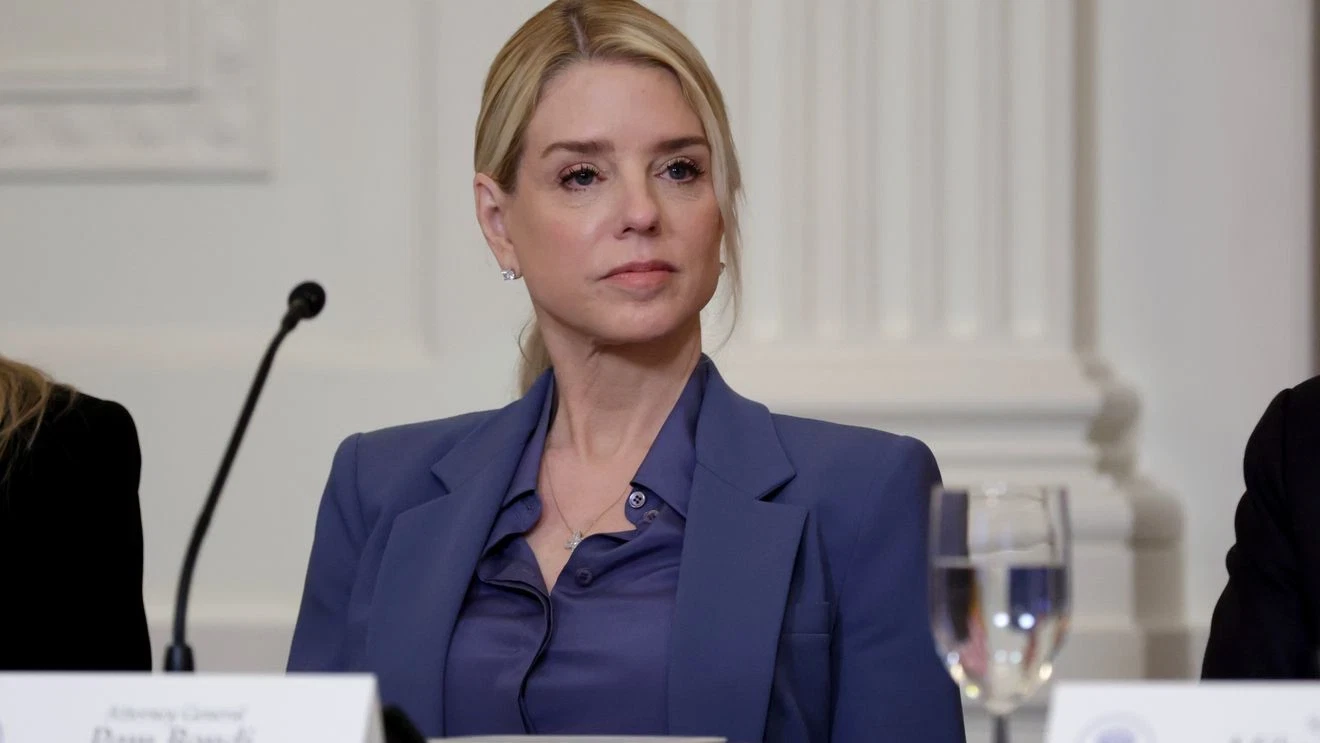
Despite the DOJ’s assertion that Bondi is not required to testify, the House Oversight Committee is determined to move forward with the investigation. A spokeswoman for the Republican-led panel expressed that the committee would pursue Bondi’s personal counsel to discuss next steps regarding her deposition. Committee members have emphasized the importance of securing her testimony, regardless of her title, in the pursuit of justice for Epstein’s victims. Rep. Robert Garcia, a top Democrat on the panel, has made it clear that Bondi must appear, threatening contempt charges if she fails to comply.
Bondi’s Role in the Epstein Case
Bondi’s involvement in the Epstein case is critical, as she oversaw the release of investigative files that may contain crucial details about the U.S. government’s past dealings with Epstein. Her testimony could shed light on how Epstein managed to avoid significant legal consequences for years, despite widespread allegations of sexual abuse. The House committee’s investigation into the Justice Department’s handling of Epstein’s case aims to hold those accountable who may have enabled his crimes, including officials like Bondi.
The Bipartisan Effort to Subpoena Bondi

The subpoena for Bondi’s testimony was issued through a bipartisan effort, with five Republicans joining Democrats in their call for answers. Rep. Nancy Mace, a Republican from South Carolina, played a key role in pushing the subpoena forward. Mace has made it clear that Bondi’s position as a former official does not exempt her from accountability. She has strongly argued that Bondi’s testimony is necessary to ensure that the American people receive the full truth about Epstein’s crimes and the government’s role in his ability to evade justice.
The Legal Controversy Over Testimony
Bondi’s refusal to testify raises questions about the legality and ethics of shielding former officials from congressional scrutiny. Legal experts argue that once a former official is subpoenaed in a matter of public importance, they should not be able to evade testimony simply due to a change in their professional status. Critics of the DOJ’s position claim that it sets a dangerous precedent, where former officials could easily avoid accountability for their actions while in office. This controversy over Bondi’s testimony could have broader implications for future investigations involving former government officials.
The Fallout From Bondi’s Refusal to Testify
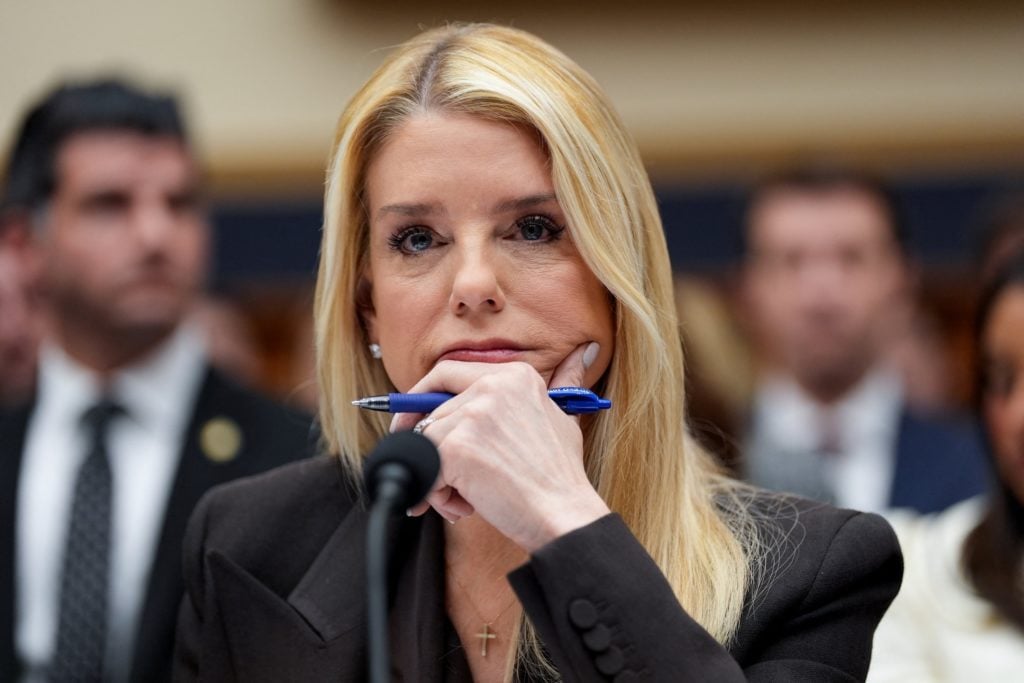
The refusal of Bondi to testify has sparked outrage among some members of Congress, particularly Democrats who view the investigation as a crucial step in holding the government accountable for its handling of Epstein’s crimes. Some committee members argue that the decision to block Bondi’s testimony is an obstruction of justice and undermines the investigation’s credibility. This development has created a divide between those who believe the investigation should continue regardless of political affiliation, and those who feel that political maneuvering is obstructing the pursuit of truth.
The Importance of Bondi’s Testimony
Bondi’s testimony is seen as a key moment in the broader investigation into Jeffrey Epstein’s network of enablers. As former Attorney General, Bondi was in a position to influence the way the Justice Department handled Epstein’s case, particularly in relation to the public release of investigative files. By testifying, Bondi could provide critical insights into the decision-making process within the Justice Department, potentially revealing how Epstein’s influence allowed him to avoid facing the full consequences of his crimes. Her testimony would be an important step toward ensuring that all those involved in enabling Epstein’s criminal activity are held accountable.
Moving Forward in the Epstein Investigation
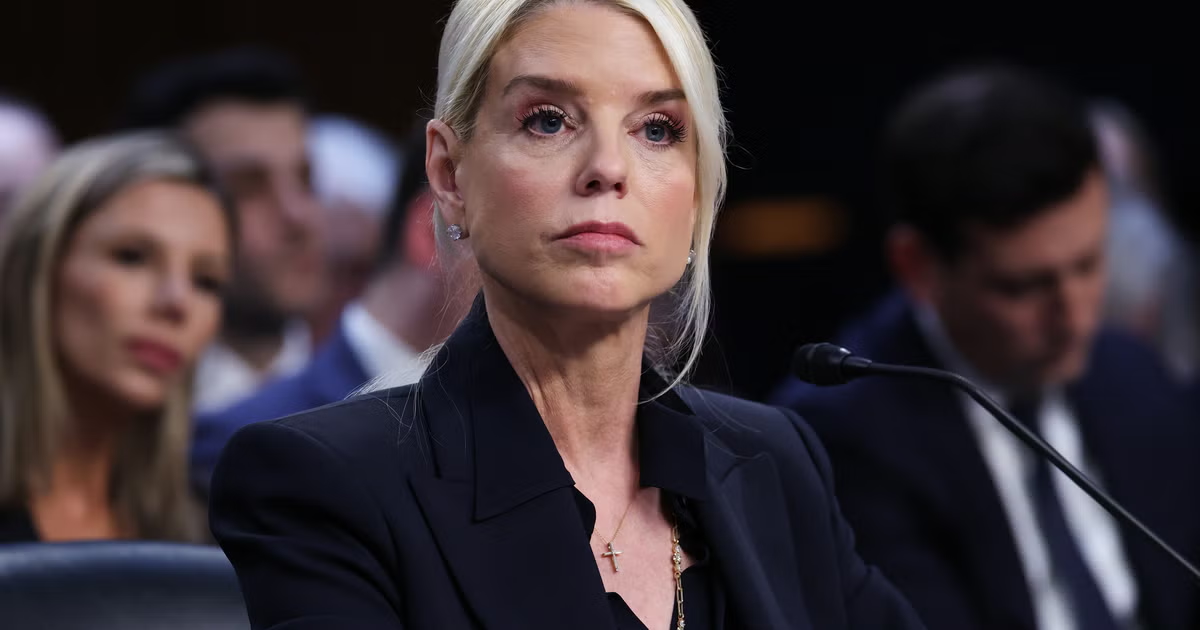
As the DOJ’s decision to block Bondi’s deposition sets a new challenge for the investigation, the House Oversight Committee is determined to press on. Committee members continue to push for further testimony and documentation that could shed light on the government’s handling of Epstein’s case. The investigation is still ongoing, with new witnesses expected to testify in the coming weeks. The fight for accountability continues, as the committee works to ensure that the truth behind Epstein’s network of abuse is fully exposed.
Conclusion
The legal battle over Pam Bondi’s testimony represents a critical juncture in the ongoing investigation into Jeffrey Epstein’s crimes. While the DOJ’s decision to block Bondi’s deposition adds a new layer of complexity to the investigation, the House Oversight Committee remains committed to uncovering the full truth. As the committee works to navigate these obstacles, the ultimate goal remains clear: to hold those responsible for enabling Epstein’s horrific crimes accountable for their actions. The fight for justice continues, and the coming weeks may determine the future of the investigation.