
Table of Contents
- The Initial Threat and Reversal
- Pakistan’s Role in Mediation
- Iran’s Acceptance of the Ceasefire
- The Condition: Reopening the Strait of Hormuz
- Global Reactions to the Ceasefire
- The Role of Civilian Infrastructure in the Conflict
- Speculation on the Future of the Ceasefire
- The Potential for a Lasting Peace
- Israel’s Role and Regional Implications
- The Broader Impact on Global Politics
- Conclusion
The Initial Threat and Reversal
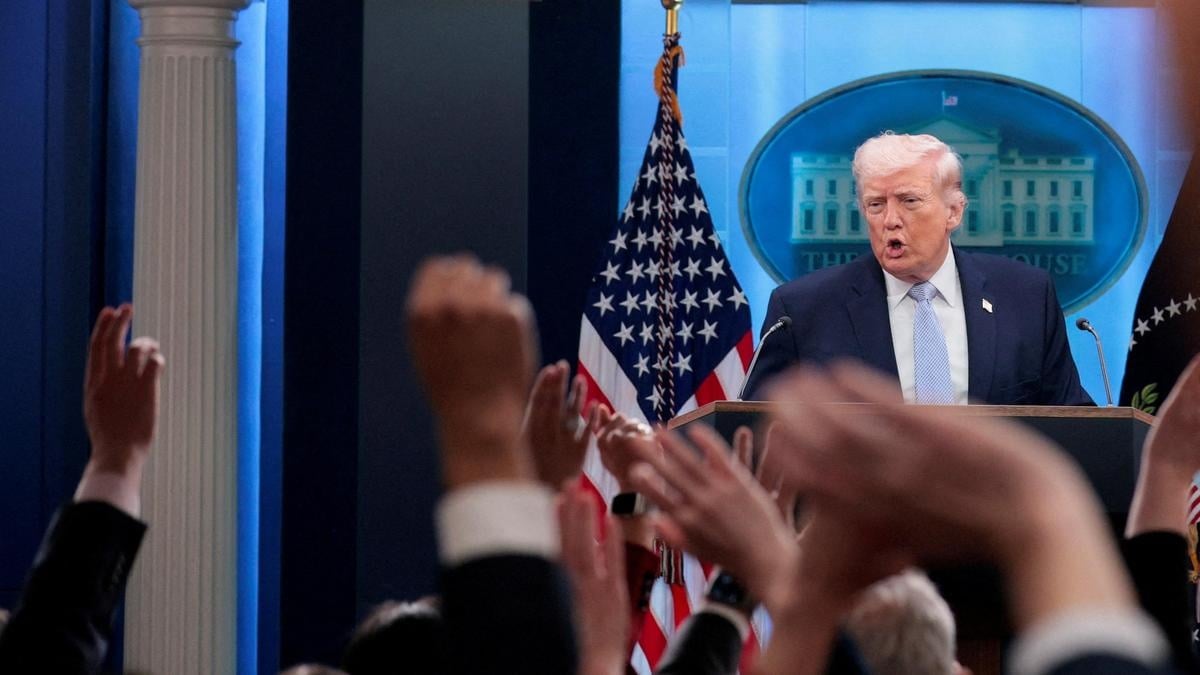
In the hours leading up to the deadline, President Trump issued a stark warning on his social media platform, Truth Social, declaring that “a whole civilization will die tonight, never to be brought back again” unless Iran complied with his demands. This apocalyptic rhetoric raised tensions to a fever pitch, as both Iran and the international community braced for the consequences of U.S. military action. However, in a surprising turn of events, Trump announced that he would hold off on the planned attacks for two weeks, citing diplomatic efforts facilitated by Pakistan’s leadership.
Pakistan’s Role in Mediation
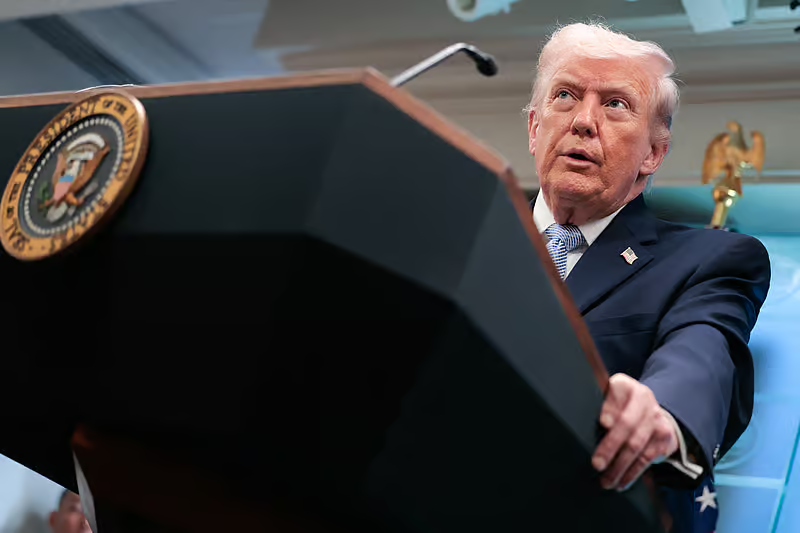
Pakistan played a key role in brokering the ceasefire, with Prime Minister Shehbaz Sharif and Field Marshal Asim Munir personally urging Trump to delay the military strikes. The U.S. president credited Pakistan for its last-minute intervention, calling it a crucial factor in averting immediate disaster. “Based on conversations with Pakistani officials, I agree to suspend the bombing for a period of two weeks,” Trump wrote in his message, signaling a temporary pause in hostilities. The ceasefire provides a brief window for further diplomatic talks, raising hopes for a long-term resolution to the ongoing conflict.
Iran’s Acceptance of the Ceasefire
Following Trump’s announcement, Iran’s Minister of Foreign Affairs, Abbas Araghchi, confirmed that Iran had agreed to the terms of the ceasefire. In a statement, Araghchi emphasized that Iran’s powerful armed forces would cease their defensive operations during the two-week period if U.S. attacks were halted. Iran’s government also expressed willingness to cooperate with the safe passage of ships through the Strait of Hormuz, albeit with certain technical limitations. This marked a significant diplomatic breakthrough, as both sides agreed to temporarily set aside military action in favor of dialogue.
The Condition: Reopening the Strait of Hormuz
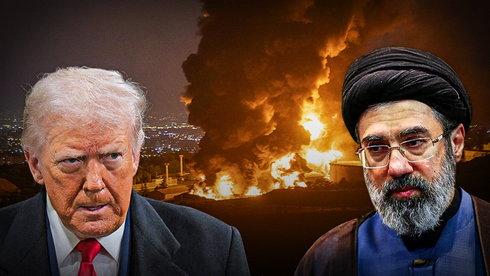
At the heart of the ceasefire agreement is the reopening of the Strait of Hormuz, a vital waterway through which a significant portion of global oil exports pass. Iran had previously moved to block passage through the Strait, exacerbating the global energy crisis and triggering widespread international concern. Trump’s demand that Iran fully reopen the Strait within two weeks is a key condition of the ceasefire, with both sides agreeing to technical coordination between their armed forces to ensure safe passage for vessels. The future of this critical maritime route is now at the forefront of the ongoing negotiations.
Global Reactions to the Ceasefire
World leaders, including Canadian Prime Minister Mark Carney and UN Secretary-General António Guterres, have expressed relief at the temporary cessation of hostilities. However, concerns remain about the potential for renewed violence if the ceasefire fails to lead to a more comprehensive peace agreement. Guterres and Carney both emphasized the importance of international law and the protection of civilian infrastructure in any future negotiations. Their statements reflect a global consensus that, while the ceasefire is a positive step, it is not a permanent solution to the underlying tensions between the U.S. and Iran.
The Role of Civilian Infrastructure in the Conflict
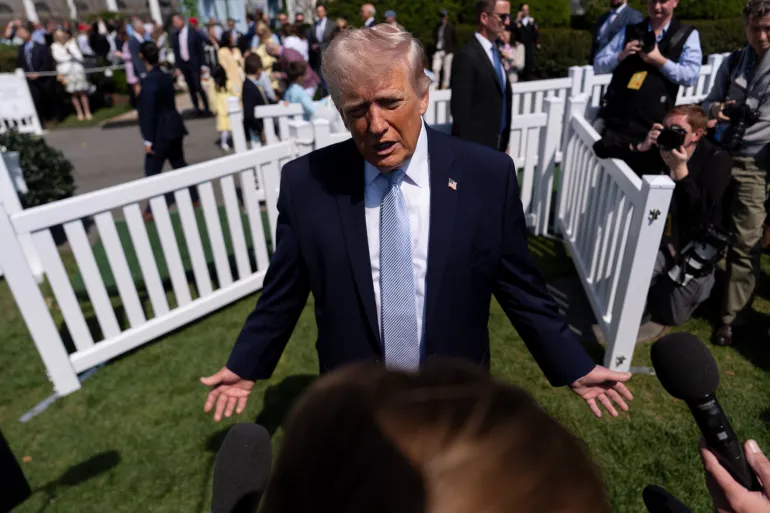
One of the major points of contention in the conflict has been the targeting of civilian infrastructure. Trump had previously threatened to strike Iran’s power plants, bridges, and other civilian targets, actions that many legal experts argue would constitute war crimes. Iran has repeatedly warned that such attacks would only deepen the crisis and harm innocent civilians. The issue of civilian infrastructure remains a critical concern, as international law prohibits such attacks unless they are directly related to military objectives. The temporary ceasefire gives both sides an opportunity to address these concerns and avoid further harm to civilians.
Speculation on the Future of the Ceasefire
While the ceasefire provides a welcome break from active hostilities, its long-term effectiveness remains uncertain. The agreement is contingent on further negotiations, and the situation could deteriorate if either side perceives the other as failing to meet its commitments. Iran has hinted that it may be willing to extend the ceasefire beyond the initial two weeks if progress is made in talks. However, the U.S. has made it clear that it will hold Iran accountable for any violations, particularly with regard to the reopening of the Strait of Hormuz.
The Potential for a Lasting Peace
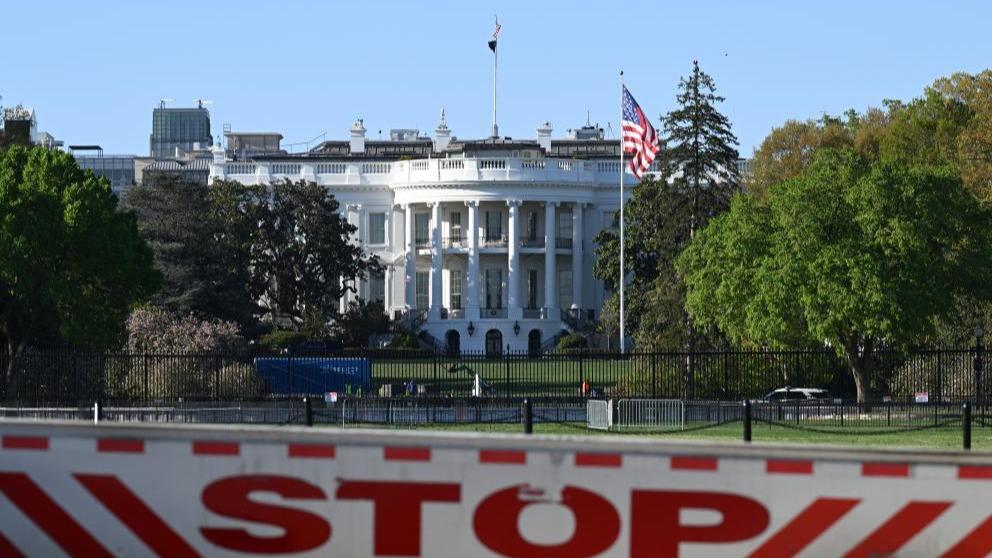
The two-week ceasefire offers a brief window for both sides to engage in diplomatic talks and work toward a more lasting peace. The U.S. has expressed optimism that the agreement could pave the way for a more comprehensive resolution to the conflict. Trump’s comments about having “exceeded all military objectives” suggest that the U.S. may be willing to seek a diplomatic solution rather than continue its military campaign. However, the involvement of Israel in the conflict raises concerns about whether the ceasefire will hold, as Israel’s leadership may have its own agenda in the region.
Israel’s Role and Regional Implications
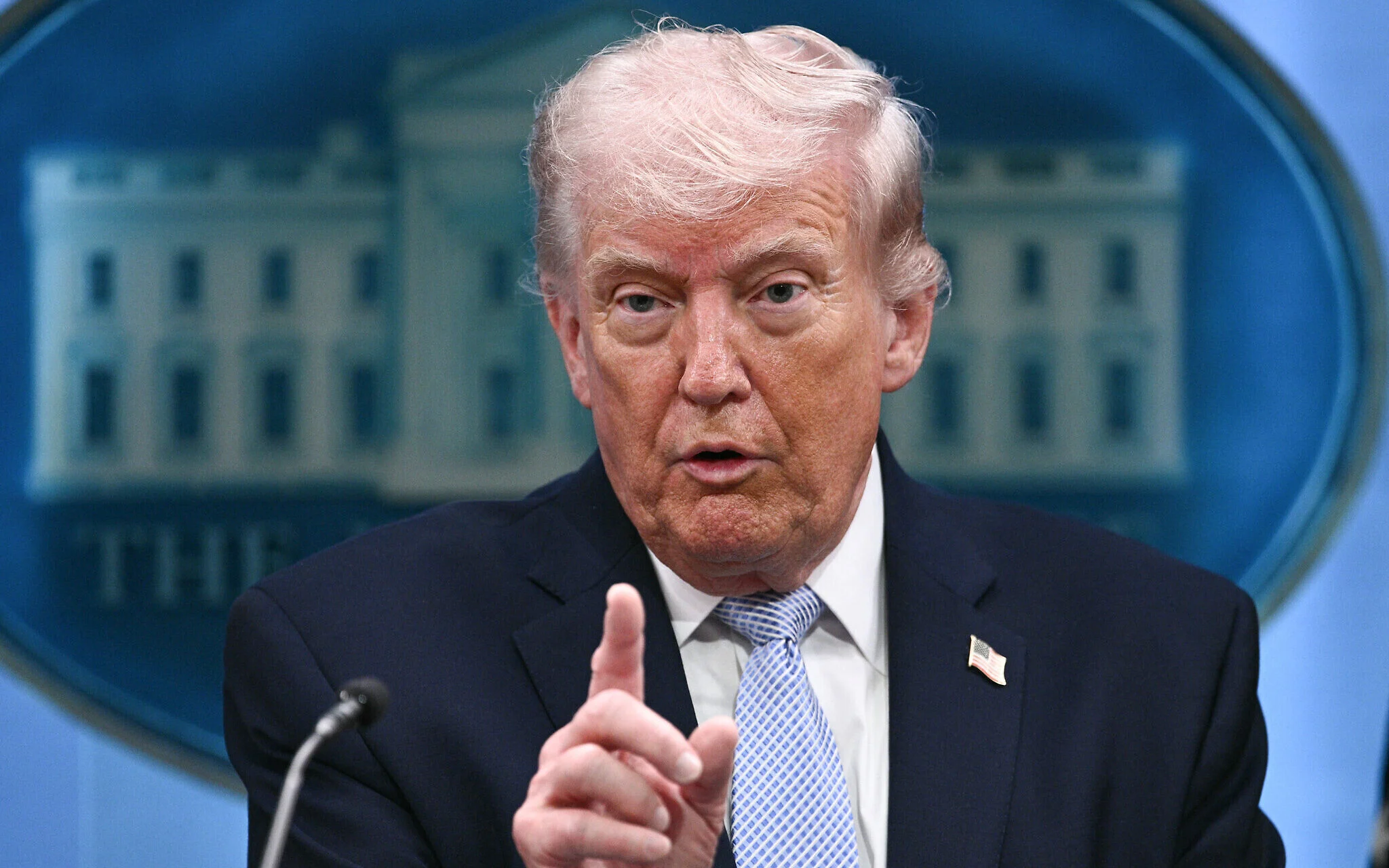
Israel’s role in the conflict cannot be overlooked, as it has been a key U.S. ally in the region. Israeli Prime Minister Benjamin Netanyahu has supported U.S. military action against Iran, and Israel’s continued strikes on Iranian targets in Lebanon and Syria have complicated efforts to achieve a ceasefire. There is concern that Israel may continue its operations even if the U.S. and Iran agree to a temporary halt in hostilities. The future of the ceasefire will depend on whether Israel adheres to the terms of the agreement or pushes for further military action.
The Broader Impact on Global Politics
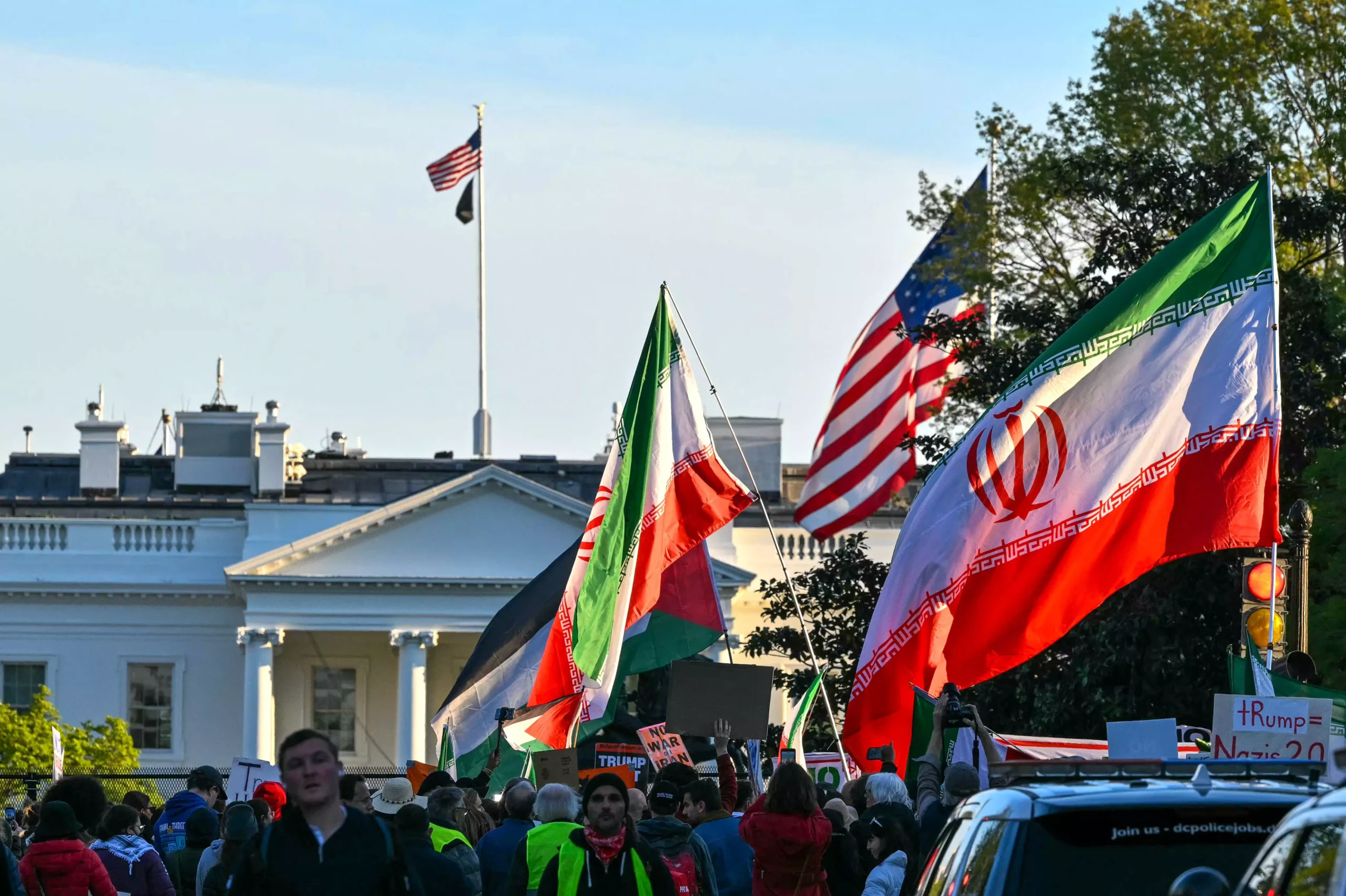
The outcome of the U.S.-Iran ceasefire could have profound implications for global politics. A successful agreement could lead to a shift in the Middle East, with both sides gaining credibility for reaching a peaceful resolution. However, if the ceasefire collapses and hostilities resume, it could lead to further instability in the region, particularly in the oil markets. The global community will be watching closely as the two-week ceasefire period progresses, hoping for a breakthrough that could bring lasting peace to a region that has seen decades of conflict.
Conclusion
The announcement of a two-week ceasefire between the U.S. and Iran offers a moment of hope in an otherwise volatile conflict. As both sides engage in talks to finalize the terms of the ceasefire, the international community remains on edge, watching for any signs of further escalation. The reopening of the Strait of Hormuz is a key condition of the ceasefire, and its future remains uncertain. While the two-week period provides a temporary reprieve, the ultimate outcome of the U.S.-Iran conflict will depend on the success of ongoing negotiations and the willingness of both sides to pursue a lasting peace.