
Table of Contents
- The Impending Deadline
- Iran’s Rejection of a Ceasefire Proposal
- Escalation of Military Strikes
- Global Leaders Call for De-escalation
- Rising Civilian Casualties
- Canada’s Position on Civilian Infrastructure
- The Tension Between Trump’s Rhetoric and Global Diplomacy
- The Role of Israel in the Conflict
- The Four Possible Scenarios
- The Future of U.S.-Iran Relations
- Conclusion
The Impending Deadline
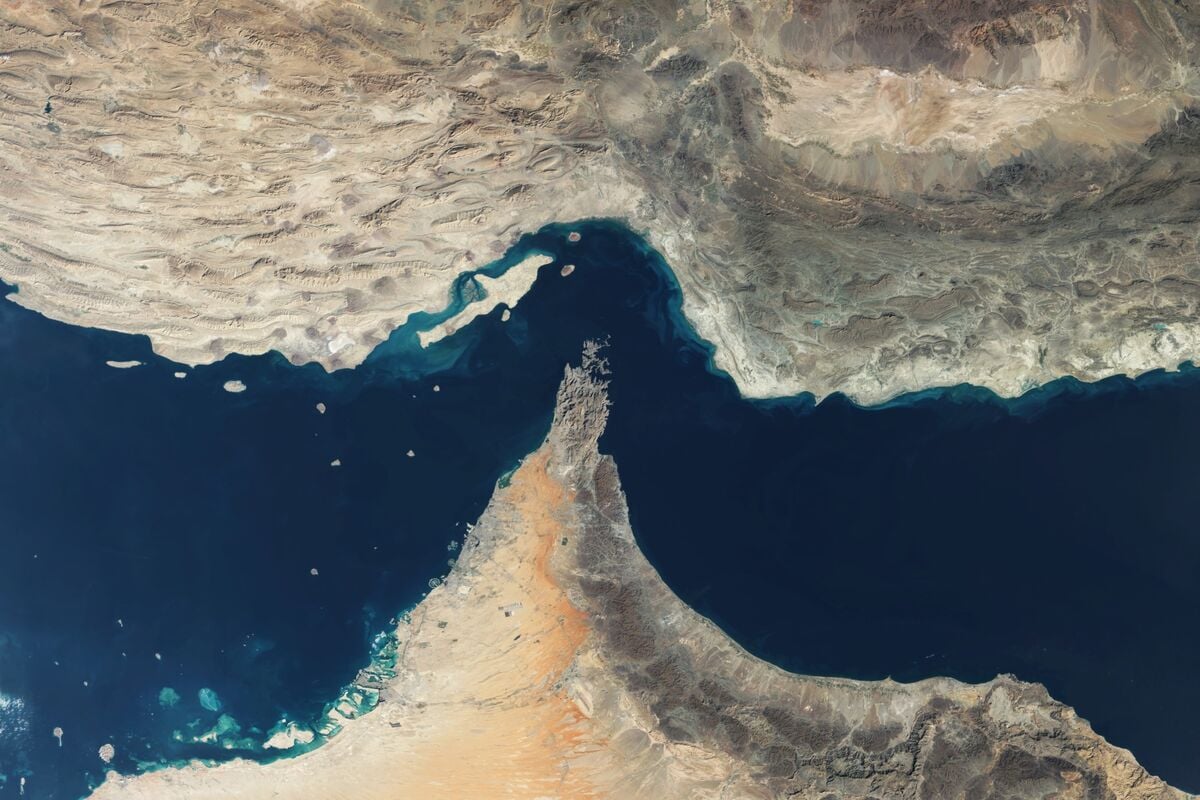
The U.S. has set a strict deadline for Iran to reopen the Strait of Hormuz, a vital maritime route for global oil shipments. Iran’s continued resistance to reopening the Strait has led to increasing pressure from the U.S. and its allies. The deadline has been framed as a final warning, with Trump’s rhetoric intensifying the situation. Should Iran fail to comply, Trump has threatened devastating consequences, adding to the already tense geopolitical environment.
Iran’s Rejection of a Ceasefire Proposal
Amid the looming deadline, Iran has rejected the U.S.’s proposed 45-day ceasefire, signaling its desire for a permanent end to the war rather than temporary truces. Iranian leaders insist on full control over the Strait of Hormuz, viewing it as an essential leverage point in the ongoing conflict. The rejection of the ceasefire proposal highlights the deep-rooted distrust between the two nations and the challenges of achieving a long-lasting peace.
Escalation of Military Strikes
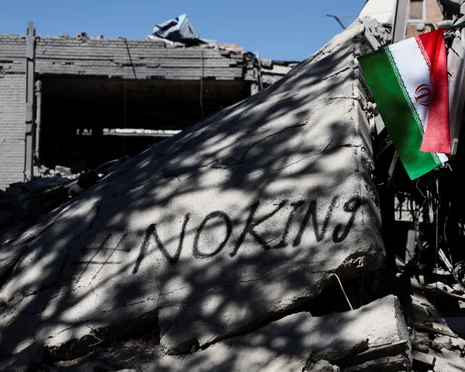
The conflict between the U.S. and Iran has already resulted in significant military action. U.S. and Israeli forces launched new strikes across Iran, including attacks on the energy hub of Kharg Island, a key point for Iran’s oil exports. These strikes are part of a broader strategy aimed at crippling Iran’s military infrastructure. The escalation of military activity has sparked fears of further violence and greater regional instability.
Global Leaders Call for De-escalation
International leaders have expressed deep concern over the rapidly escalating situation. Canadian Prime Minister Mark Carney and UN Secretary-General António Guterres have called for a return to diplomacy and emphasized the importance of international law. Both leaders have stressed the need for stability and peace, condemning the targeting of civilian infrastructure. Their statements reflect a growing global consensus that the conflict must be contained to prevent further loss of life.
Rising Civilian Casualties
The death toll in the conflict has continued to climb, with over 1,900 people reported dead in Iran, 1,400 in Lebanon, and 23 in Israel. Additionally, 13 U.S. service members and 11 Israeli soldiers have lost their lives in the ongoing violence. The mounting casualties underscore the devastating human cost of the conflict, which has already claimed thousands of lives and displaced countless more.
Canada’s Position on Civilian Infrastructure
In response to the growing concerns about the targeting of civilian infrastructure, Canada has reiterated its stance on the importance of protecting civilians in conflict zones. Foreign Affairs Minister Anita Anand has emphasized that civilian infrastructure must not be the object of military actions. Canada’s call for de-escalation highlights the urgent need to preserve human life and avoid further harm to non-combatants caught in the crossfire.
The Tension Between Trump’s Rhetoric and Global Diplomacy
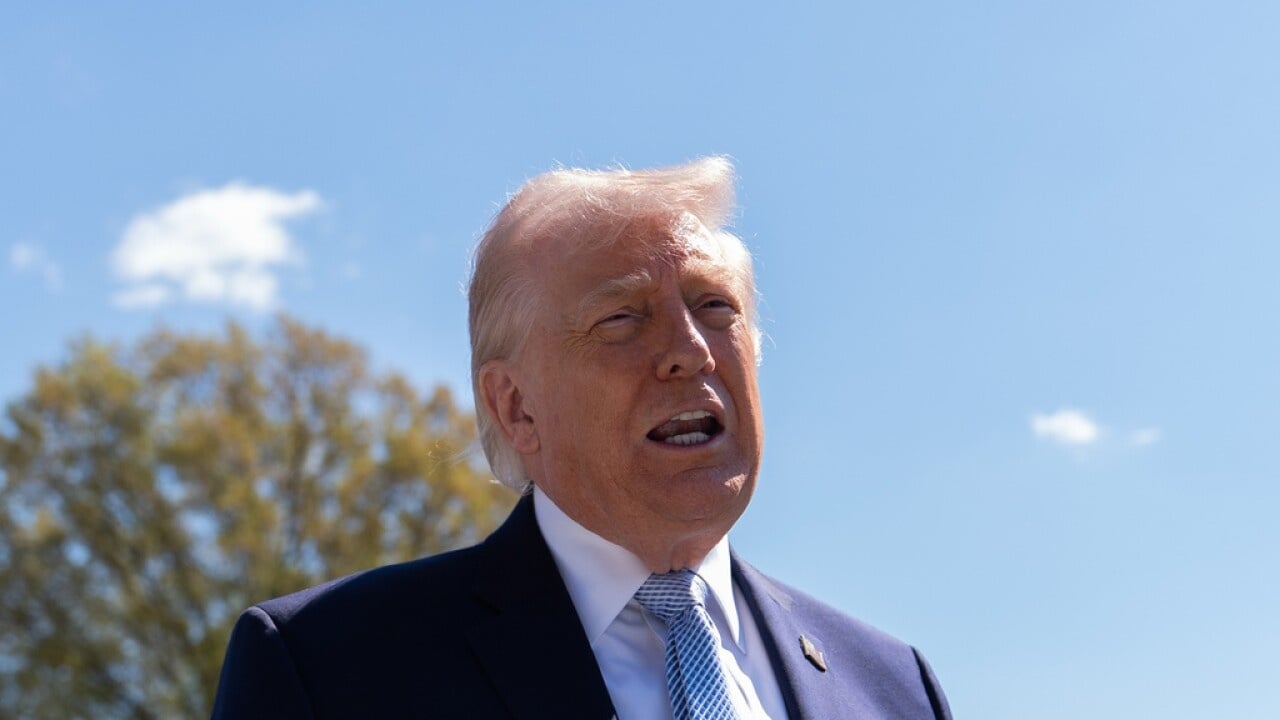
Trump’s apocalyptic language has drawn significant criticism both domestically and internationally. His comments, particularly his warning that “a whole civilization will die tonight,” have raised concerns about the potential for escalation into a larger, more destructive conflict. While some view his tough rhetoric as a necessary tool in negotiations, others fear it could provoke further violence. The disconnect between Trump’s statements and the diplomatic calls for peace creates a volatile situation that could spiral out of control.
The Role of Israel in the Conflict
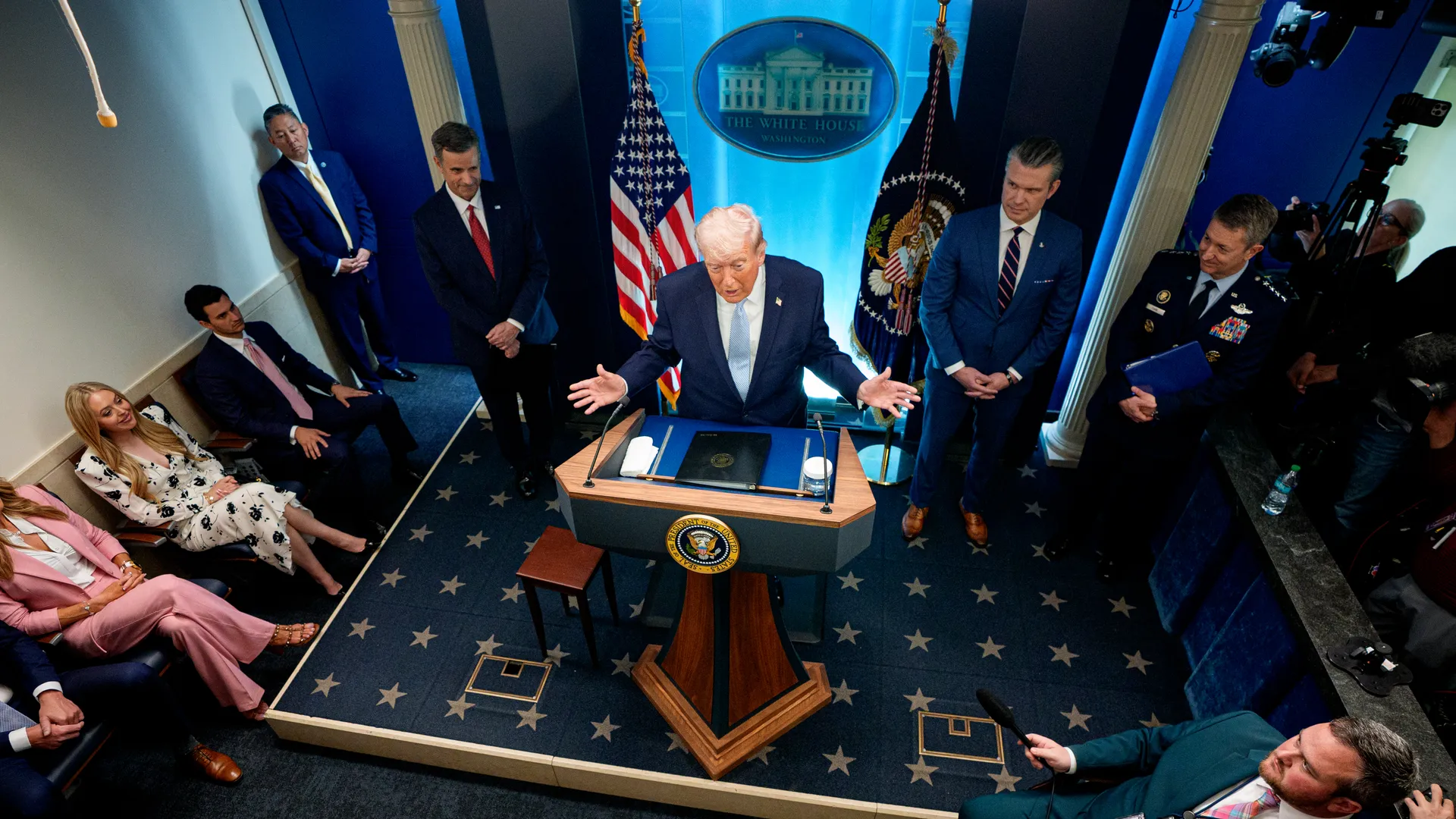
Israel’s role in the conflict has been a point of contention, particularly regarding its military actions in Iran. Prime Minister Benjamin Netanyahu has supported U.S. actions in the region, but Israel’s continued strikes have raised concerns about the potential for further escalation. The alliance between the U.S. and Israel remains a significant factor in the conflict, with both nations working in tandem to weaken Iran’s military and economic infrastructure.
The Four Possible Scenarios
As the deadline approaches, analysts have outlined four possible scenarios for what might happen next:
- A Deal is Struck
There is a possibility that the U.S. and Iran could reach an agreement, although the details of any potential deal remain unclear. Both sides have been engaged in indirect talks, but the specifics of the proposed terms have yet to be finalized. - The War Continues
If no deal is reached, the war could continue with escalating rhetoric and targeted military strikes. The U.S. may intensify its pressure on Iran, while Iran could retaliate, further destabilizing the region. - Strikes on Iran’s Oil Infrastructure
The U.S. may escalate its attacks by targeting Iran’s oil infrastructure, potentially crippling the country’s ability to produce and export oil. This would have severe consequences for global energy markets, but it remains an unlikely option due to the long-term economic impact it could cause. - Massive Increase in Attacks
In the most extreme scenario, the U.S. could launch a full-scale assault on Iran’s key infrastructure, including power plants and bridges. This would involve a combination of airstrikes and missile attacks designed to push Iran into submission. However, it is unclear whether such an attack would force Iran to capitulate or escalate the conflict further.
The Future of U.S.-Iran Relations
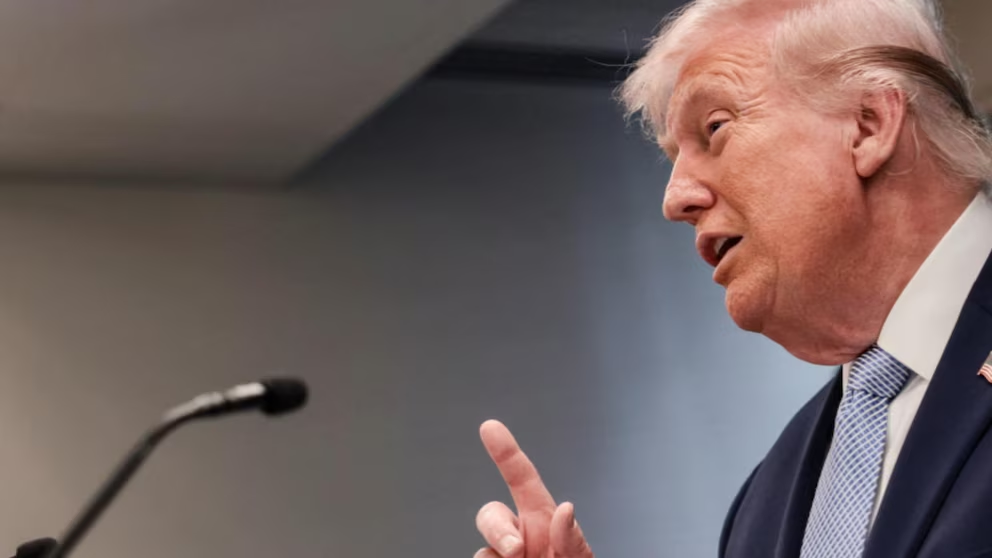
The outcome of this crisis will have far-reaching implications for U.S.-Iran relations. If peace is achieved, it could mark a significant shift in the region, with the potential for a new diplomatic framework. However, if the conflict continues, it could further entrench hostilities and destabilize the entire Middle East. The world is watching as the deadline for the Strait of Hormuz approaches, with hopes that diplomacy can prevail over destruction.
Conclusion
As the deadline for the reopening of the Strait of Hormuz draws near, the world holds its breath, waiting to see whether diplomacy will succeed or if further violence is inevitable. With Trump’s rhetoric escalating and military actions intensifying, the stakes could not be higher. Global leaders continue to call for restraint, but the pressure on both the U.S. and Iran to reach a resolution is mounting. The coming days will determine the future of the conflict and the potential for peace in the Middle East.