
Table of Contents
- The Ceasefire Agreement
- Vance’s Role in the Negotiations
- The Complexities of Peace Proposals
- Iran’s Public and Private Messaging
- The Role of the Strait of Hormuz
- The Disputed 10-Point Iranian Proposal
- Trump’s Tough Rhetoric
- Iran’s Military Actions
- The Impact on U.S.-Iran Relations
- The Future of NATO and the U.S. Global Role
- Conclusion
The Ceasefire Agreement
In an unexpected turn of events, the U.S. and Iran reached a temporary ceasefire after months of escalating conflict. The ceasefire agreement, which was announced amid mounting pressures on both sides, provides an opening for diplomatic discussions. However, the details of the ceasefire remain hazy, and Iran’s behavior in the region, including threats to block the Strait of Hormuz, raises questions about the sincerity of the agreement. The ceasefire has been described as a fragile peace, with both nations still deeply entrenched in their respective positions.
Vance’s Role in the Negotiations
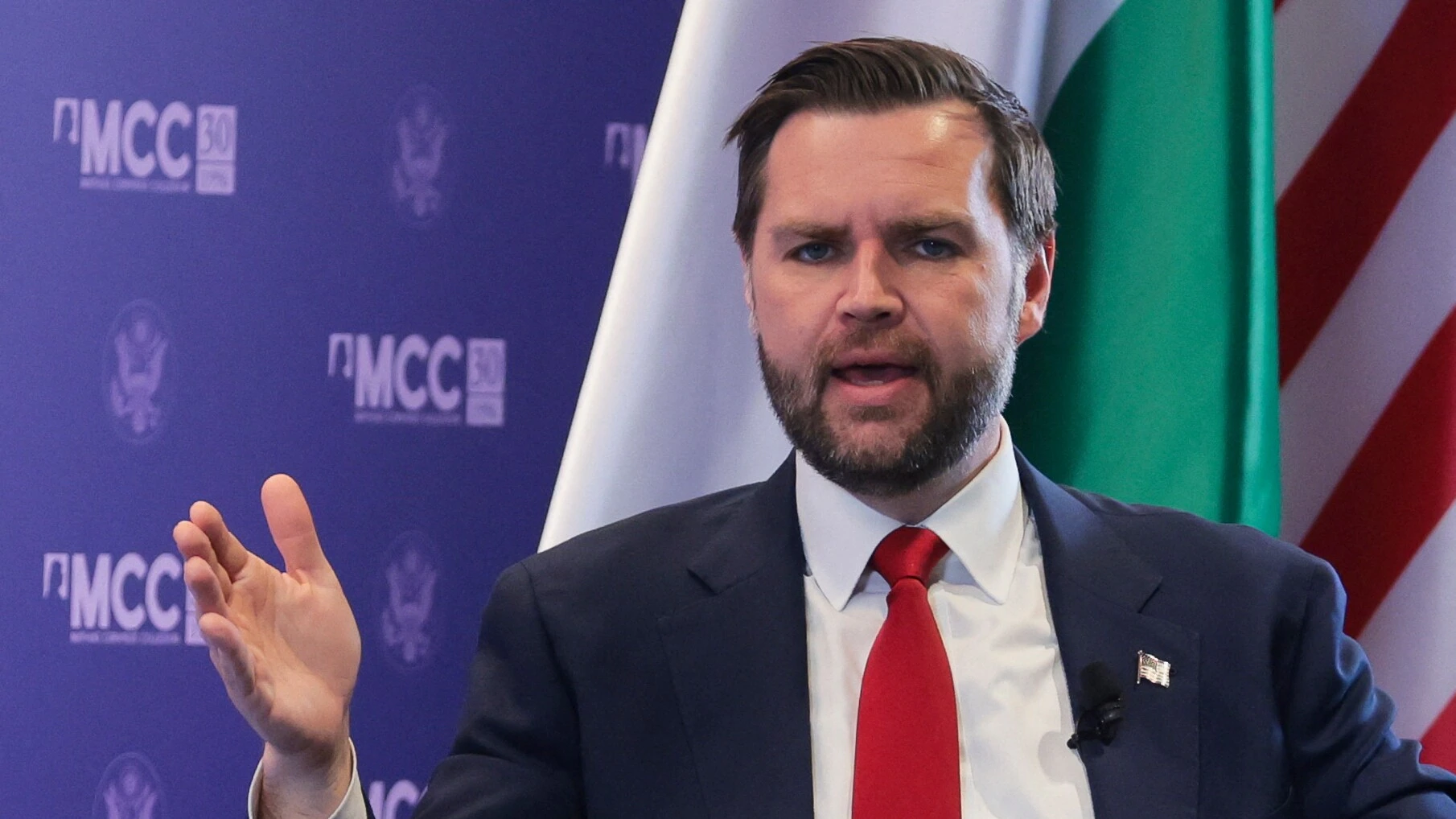
JD Vance, as the leader of the U.S. delegation, will play a pivotal role in shaping the future of the negotiations. Along with special envoy Steve Witkoff and Jared Kushner, Vance will travel to Pakistan for in-person talks with Iranian officials. The U.S. delegation’s goal is to solidify the ceasefire and explore long-term solutions to the conflict. The delegation’s presence in Pakistan underscores the importance of the talks and signals a serious U.S. commitment to finding a peaceful resolution.
The Complexities of Peace Proposals
While the ceasefire has created a diplomatic opening, the peace proposals being discussed remain unclear. Iran’s initial response to the U.S. offer was deemed “fundamentally unserious,” leading to a rejection of the first proposal. Since then, Iran has offered a “modified” proposal, which U.S. officials have not publicly endorsed. The exact terms of the proposals are still under wraps, but there is speculation that they could involve issues like the lifting of sanctions, military withdrawals, and guarantees over Iran’s nuclear program.
Iran’s Public and Private Messaging
Iran’s contradictory public and private statements are another point of contention. While Iranian officials have made aggressive public statements, including threats to disrupt shipping in the Strait of Hormuz, White House Press Secretary Karoline Leavitt emphasized that Iran’s private stance is different. According to Leavitt, Iran’s leadership is more willing to negotiate behind closed doors, despite its inflammatory rhetoric aimed at maintaining a strong domestic political position.
The Role of the Strait of Hormuz
The Strait of Hormuz remains a critical point in the ongoing conflict. Iran’s threats to block the passage of ships through the Strait have raised alarms globally, as it is one of the world’s most important shipping routes for oil and gas. The U.S. has insisted that Iran’s control of the Strait should not impede global trade, and with Vance leading the talks, the U.S. aims to ensure its free and safe passage. However, Iran’s aggressive stance and its refusal to allow unregulated passage through the Strait complicate efforts to secure a peaceful resolution.
The Disputed 10-Point Iranian Proposal
Leavitt also addressed reports about Iran’s 10-point proposal, dismissing them as inaccurate. She stated that Iran’s first proposal was unworkable and that the U.S. would never accept a proposal that amounted to a “wish list.” Despite this, Iran has since modified its demands, likely in an attempt to salvage the negotiations. The outcome of the talks will depend on whether both sides can find common ground on critical issues like Iran’s nuclear program, military presence in the region, and the future of the Strait of Hormuz.
Trump’s Tough Rhetoric
President Trump’s comments, particularly his threat that “a whole civilization will die” unless a deal is reached, have caused both outrage and support. Critics argue that such tough talk risks exacerbating tensions and leading to more violence, while others believe it has been effective in pushing Iran to the negotiating table. Leavitt defended Trump’s approach, claiming that his blunt rhetoric has been central to the U.S.’s success in securing this opening for peace. The balance between diplomatic pressure and military might remains at the core of the U.S. strategy.
Iran’s Military Actions
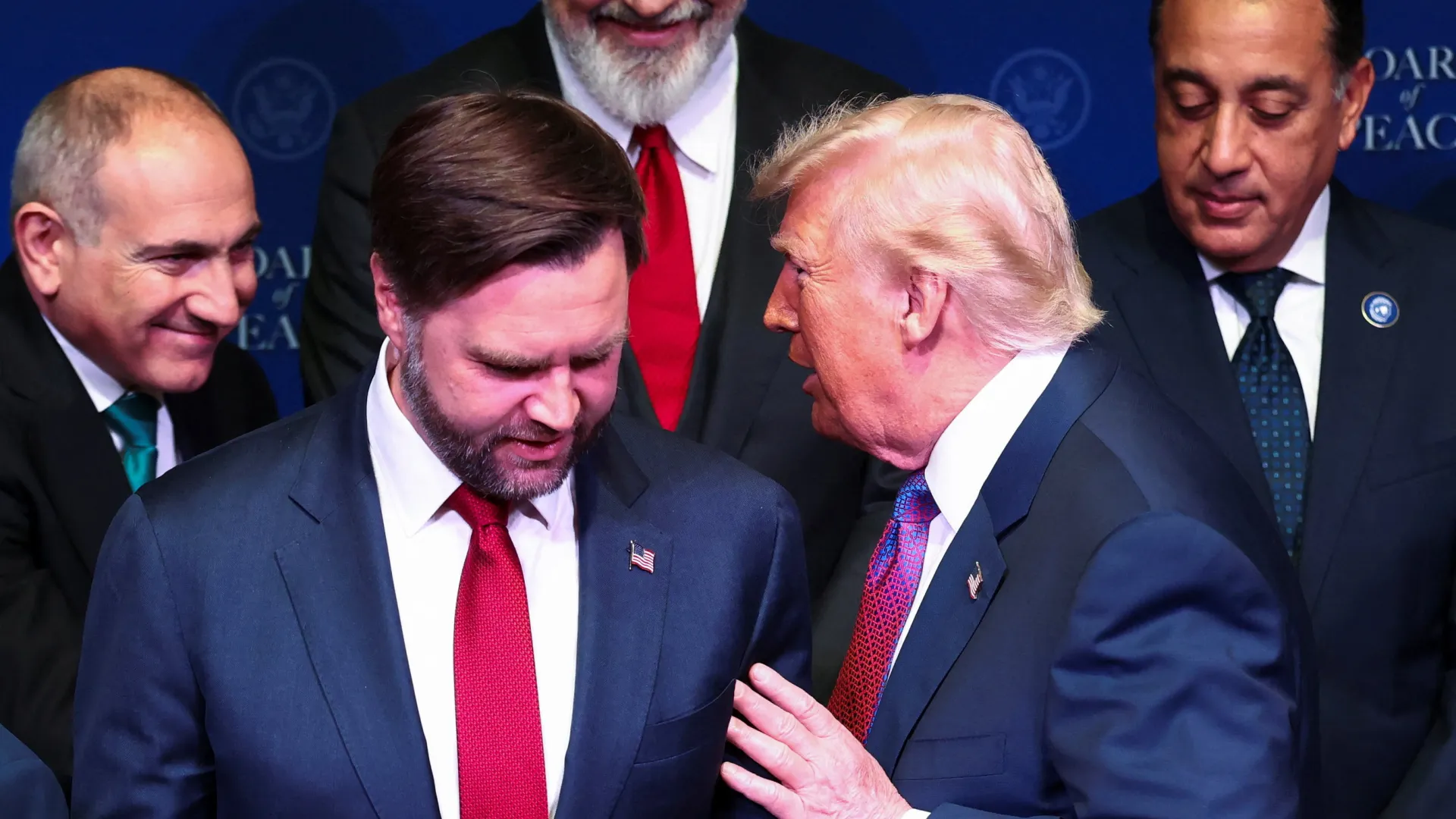
Despite the ceasefire, Iranian-backed militias have continued their operations in the region, including strikes on Israeli targets and hostile actions against U.S. interests. These actions undermine the ceasefire and have prompted the U.S. to take a hard line in its negotiations. If the ceasefire is to hold, Iran must halt its military provocations, particularly in Lebanon and Syria, where Iranian influence remains strong. The U.S. has made it clear that continued violence will not be tolerated.
The Impact on U.S.-Iran Relations
The strained relations between the U.S. and Iran have reached a critical point, and these talks could either mark the beginning of a new chapter in diplomacy or lead to further escalation. The outcome of the negotiations will have far-reaching implications, not just for the two countries, but for global stability. Should the talks fail, both nations risk plunging deeper into conflict, with disastrous consequences for regional security. The world will be watching as the talks unfold in Pakistan, hoping for a breakthrough that could bring peace to a region that has seen decades of strife.
The Future of NATO and the U.S. Global Role
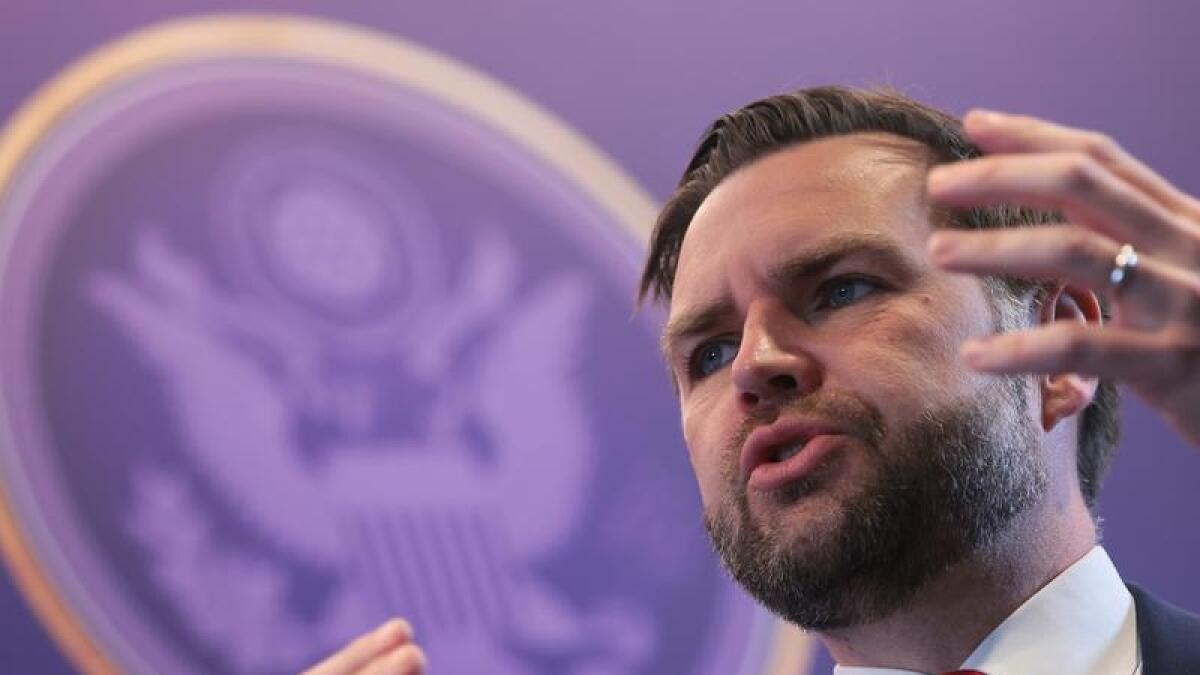
As the U.S. navigates its relationship with Iran, the issue of NATO’s role in global conflicts remains a point of contention. Trump has repeatedly criticized NATO for not supporting the U.S. during the Iran conflict and has even floated the idea of leaving the alliance. This rift between the U.S. and NATO adds another layer of complexity to the geopolitical landscape, as Europe and the U.S. continue to diverge on key foreign policy issues. The future of NATO’s influence in global diplomacy could be at stake, depending on how the U.S. handles its negotiations with Iran.
Conclusion
The U.S.-Iran talks in Pakistan represent a pivotal moment in the long-running conflict between the two nations. With JD Vance leading the delegation, the U.S. hopes to establish a foundation for lasting peace, but numerous challenges remain. The outcome of these negotiations will determine not just the future of U.S.-Iran relations, but the stability of the entire Middle East. As both sides prepare for critical discussions, the world waits to see if diplomacy can prevail over decades of mistrust and hostility.