
Table of Contents
The Surge in Oil Prices
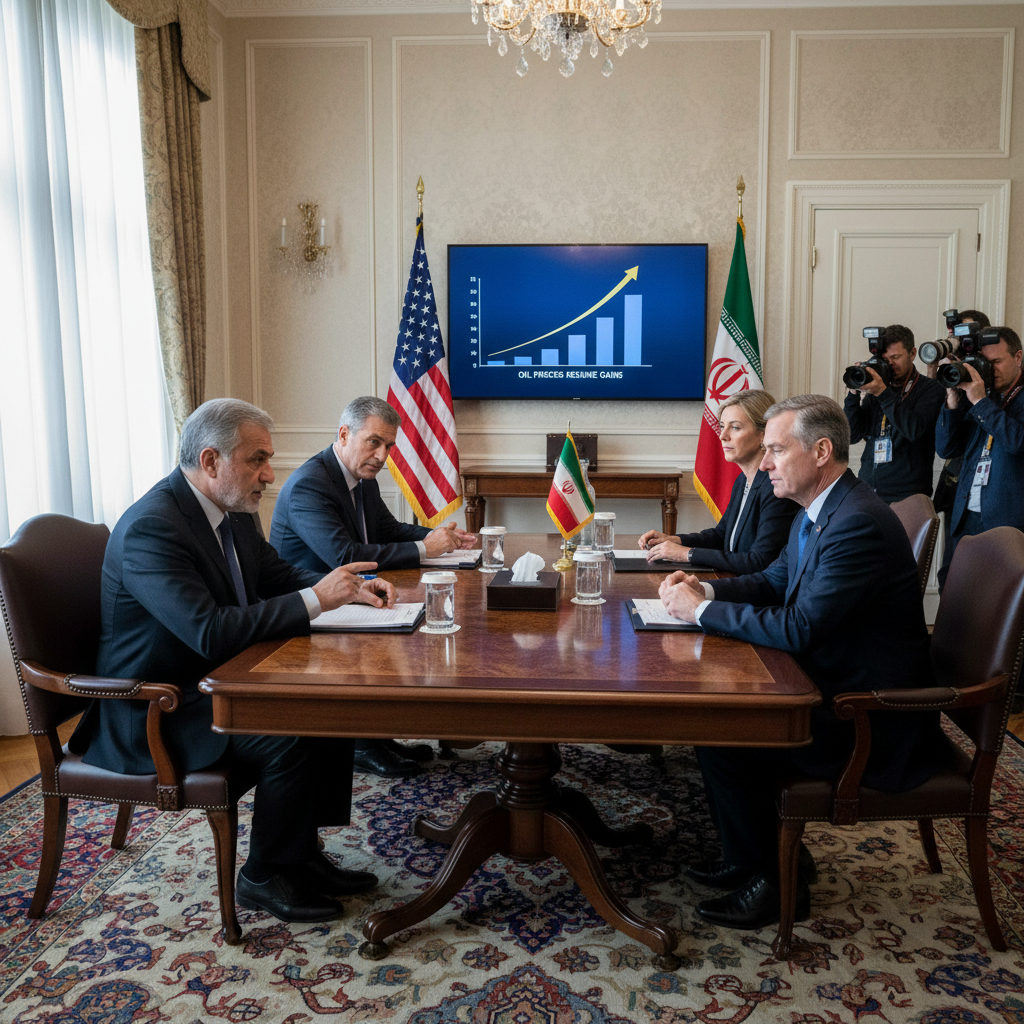
Brent crude futures for June delivery rose 2.08%, reaching $96.83 per barrel, while U.S. West Texas Intermediate (WTI) crude futures for May jumped 2.86% to $97.27 per barrel. This sharp increase follows Iran’s claims that the U.S. breached the terms of the ceasefire deal, which had previously brought some hope of de-escalation. This sudden rise in oil prices has sent shockwaves through global markets, as oil remains a critical commodity in the global economy.
The U.S. Crude Oil Drop
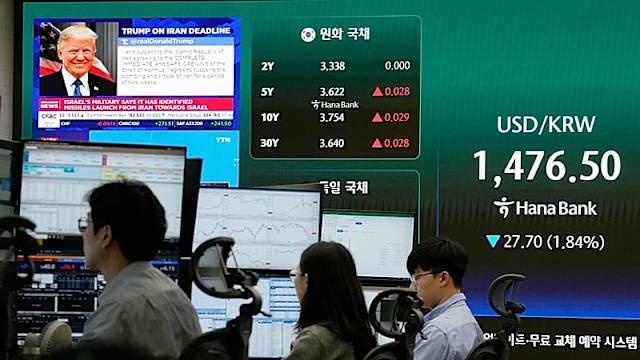
On the previous day, U.S. crude oil experienced its largest single-day drop since 2020, sparking concerns among refiners and traders. The price fluctuations reflect the extreme uncertainty in the market, as geopolitical tensions continue to influence global oil prices. The price drop had many analysts scrambling to adjust their forecasts, but the rise on Thursday has created a sense of instability that could persist in the coming days.
Iran’s Accusations
Iran’s parliamentary speaker, Mohammad Bagher Ghalibaf, publicly accused the United States of violating three elements of the ceasefire agreement. The violations reportedly involved Israel’s ongoing strikes in Lebanon, a drone entering Iranian airspace, and what Ghalibaf described as the denial of Iran’s right to enrich uranium. These accusations have heightened tensions between the two countries, who have been locked in a bitter conflict for years.
The Ceasefire Agreement Breakdown

The ceasefire agreement, which had initially been viewed as a step toward de-escalation, has now been called into question. Iran’s government has emphasized its dissatisfaction with the terms, arguing that the U.S. has not lived up to its commitments. The breach of the ceasefire deal has reignited fears of further military escalation, which could destabilize the entire Middle East and beyond.
U.S. Response to the Allegations
In response to the accusations, U.S. officials have downplayed the significance of the alleged violations. Vice President JD Vance, speaking during a visit to Hungary, acknowledged that ceasefires are often messy but maintained that Iran’s actions should not be viewed as an excuse for further escalation. Vance reiterated the U.S. stance that Iran should not be allowed to enrich uranium, which remains a central point of contention in the negotiations.
Iran’s Continued Military Actions

Despite the ceasefire agreement, Iran has continued military operations in the region, including drone strikes and missile launches. These actions have further strained the ceasefire, undermining any efforts at diplomacy. Iran’s continued strikes in Lebanon have particularly been a point of contention, as Israel and the U.S. both view these actions as a violation of the agreement.
Energy Market Impact

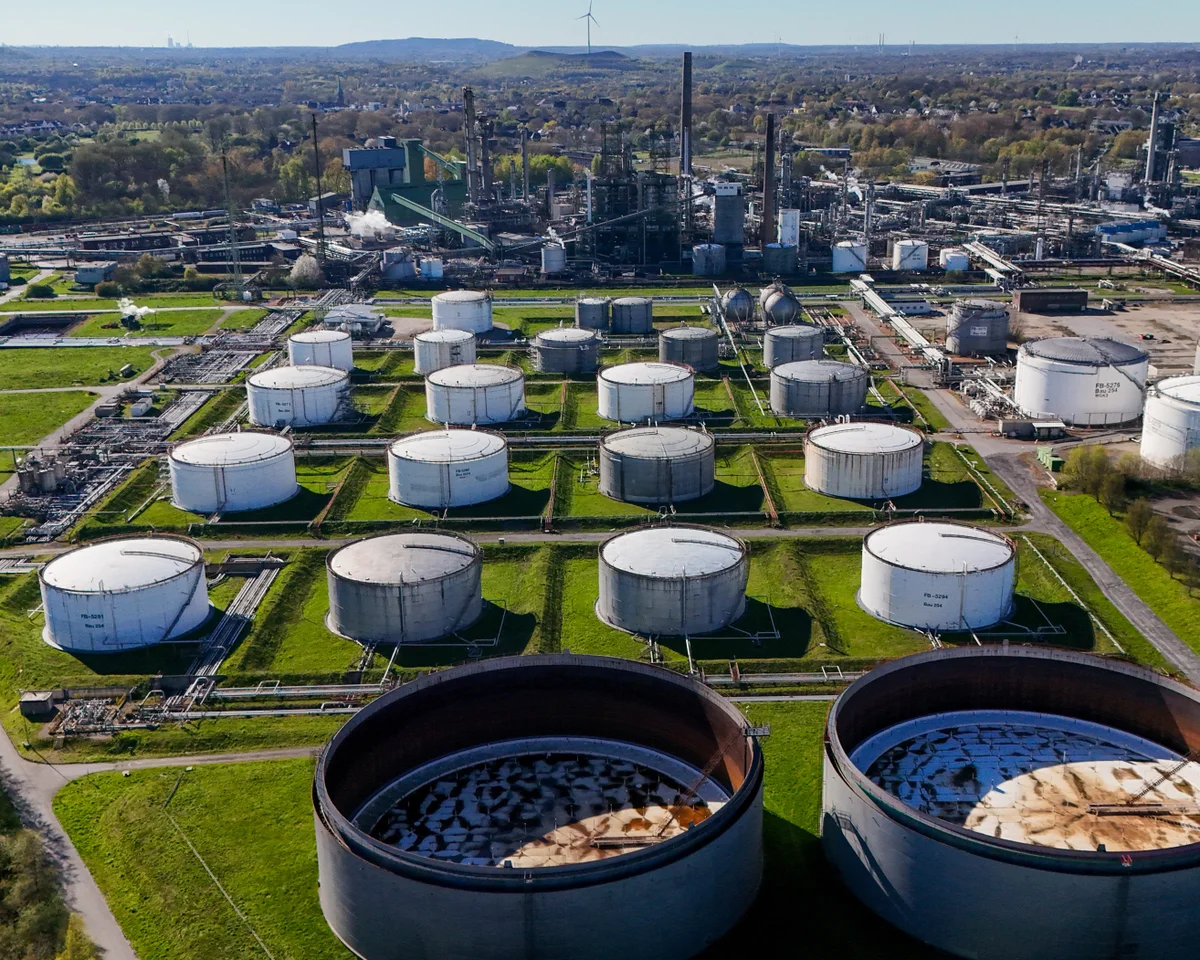
The volatility in oil prices is directly linked to these geopolitical tensions. The rise in oil prices has created challenges for global refineries, which are already dealing with a tight market. As oil prices hover just below $100 per barrel, refiners are facing difficult decisions about whether to purchase oil at current prices or wait for further price fluctuations. The uncertainty in the market has left many businesses scrambling to secure their energy needs in the face of potential supply disruptions.
The Role of Global Refiners
As oil prices have risen, refiners have been advised to take advantage of the current window to make opportunistic purchases. However, this window is narrow, and refiners must carefully navigate the uncertainty in the market. Rystad Energy’s vice president of commodity markets, Janiv Shah, noted that while the price drop could offer an opportunity for refiners to stock up, delays in purchases could lead to further product tightness even amid de-escalation.
Potential for Further Escalation

The ongoing tensions between the U.S. and Iran continue to pose a significant threat to global oil markets. While the ceasefire agreement offered a glimmer of hope for peace, the violations and accusations have rekindled fears of escalating conflict. Should hostilities resume, the impact on oil prices could be catastrophic, potentially sending prices well above $100 per barrel and further disrupting global energy supplies.
Looking Ahead
As both sides continue to trade accusations and threats, the future of the ceasefire remains uncertain. Oil prices are likely to remain volatile, with market participants closely monitoring developments in the U.S.-Iran relationship. The uncertainty surrounding the situation makes it difficult to predict how the global energy landscape will evolve, but one thing is clear: the geopolitical tensions between the U.S. and Iran will continue to have a significant impact on oil prices and the broader global economy.