
Table of Contents
- The Pressing Deadline
- Tehran’s Response and the 10-Point Proposal
- Trump’s Tough Stance
- Tensions on the Ground in Israel
- The Economic Impact of the War
- The Ceasefire and the Call for Diplomacy
- The Role of U.S. Diplomacy
- Iran’s Challenges
- Global Reactions and Consequences
- The Future of U.S.-Iran Relations
- Conclusion
The Pressing Deadline
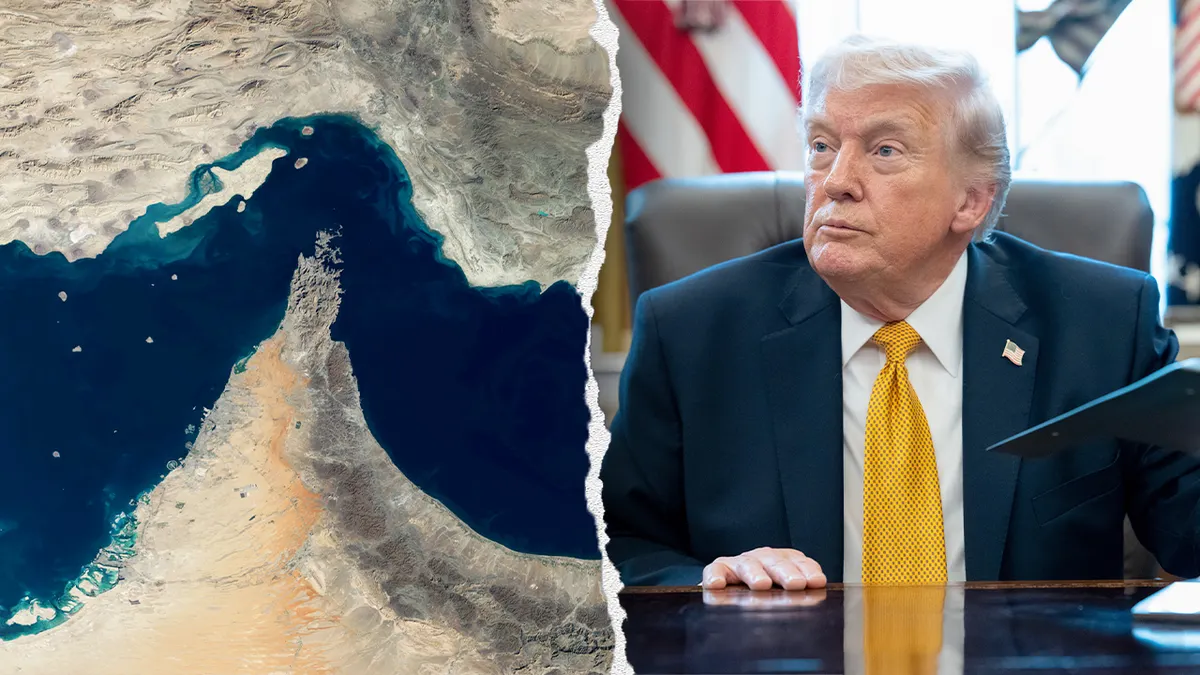
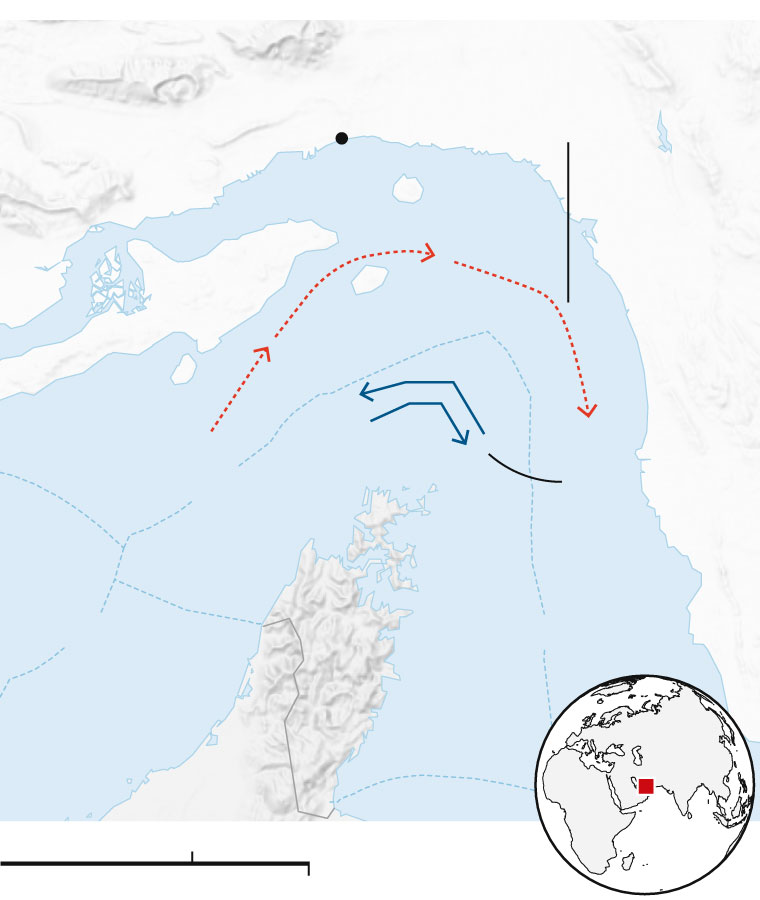
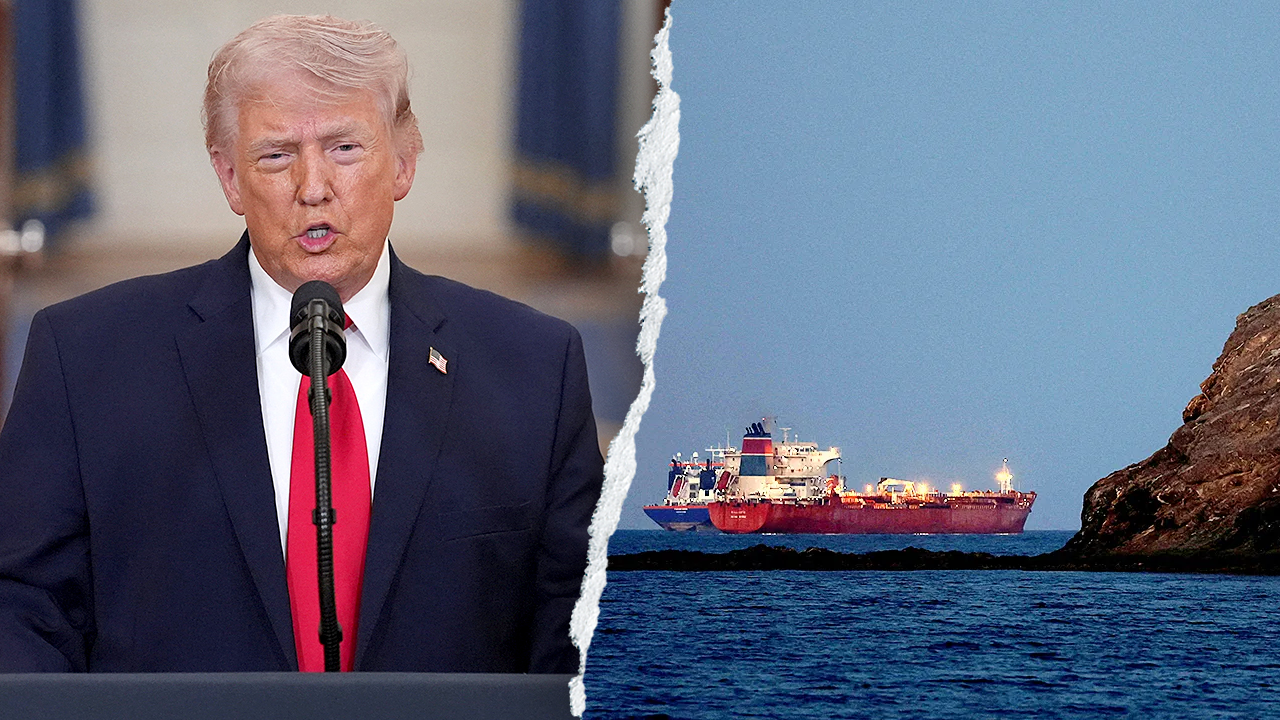
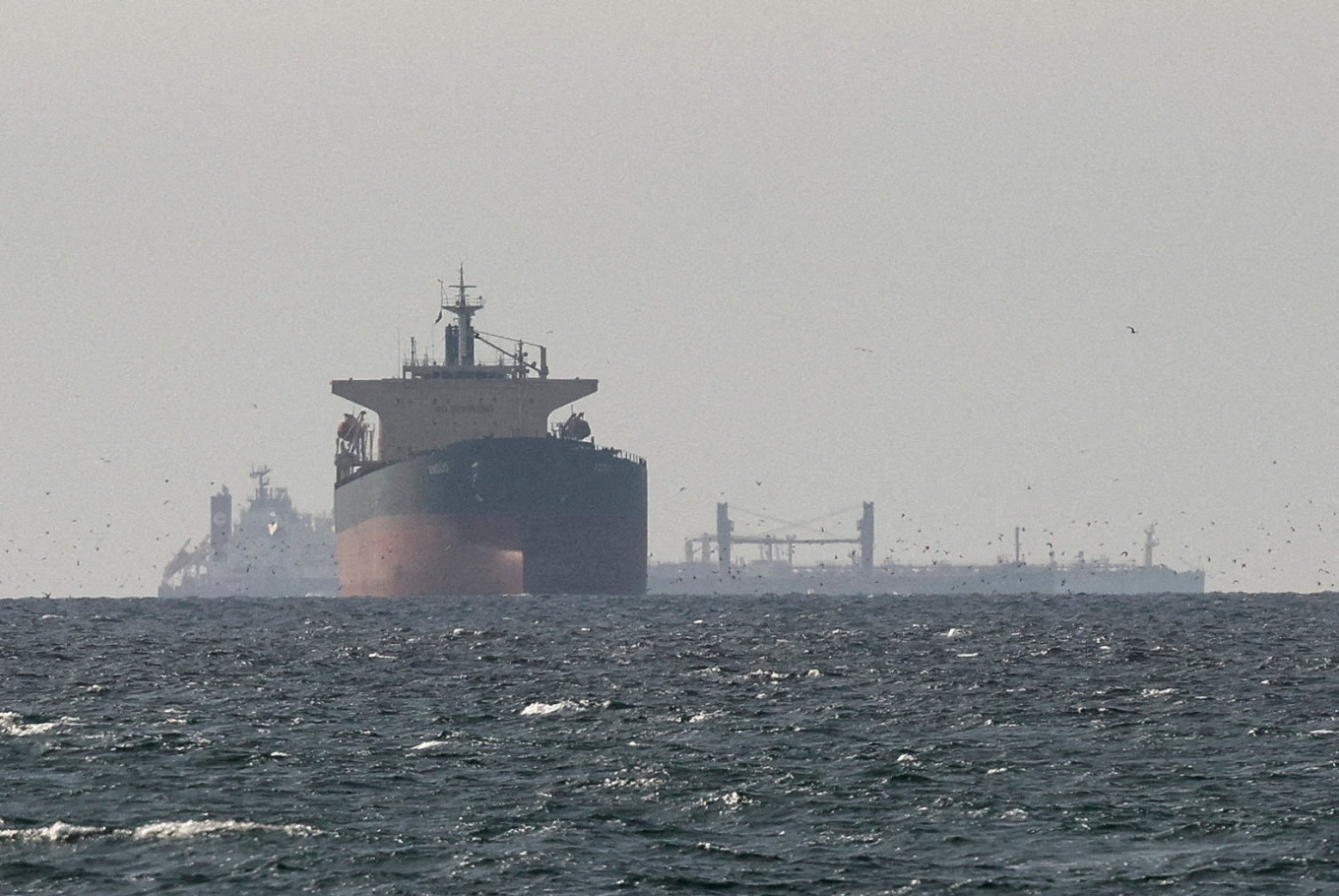
The situation began with the United States setting a firm deadline for Iran, demanding the reopening of the Strait of Hormuz, a crucial waterway for global oil shipments. On March 20, 2026, Trump issued a 48-hour ultimatum for Iran to comply or face significant military action. With oil markets and global economies watching, the timing of the deadline highlighted the increasing urgency of the matter. The conflict was reaching a boiling point, with both nations preparing for what many feared could be an all-out war.
Tehran’s Response and the 10-Point Proposal
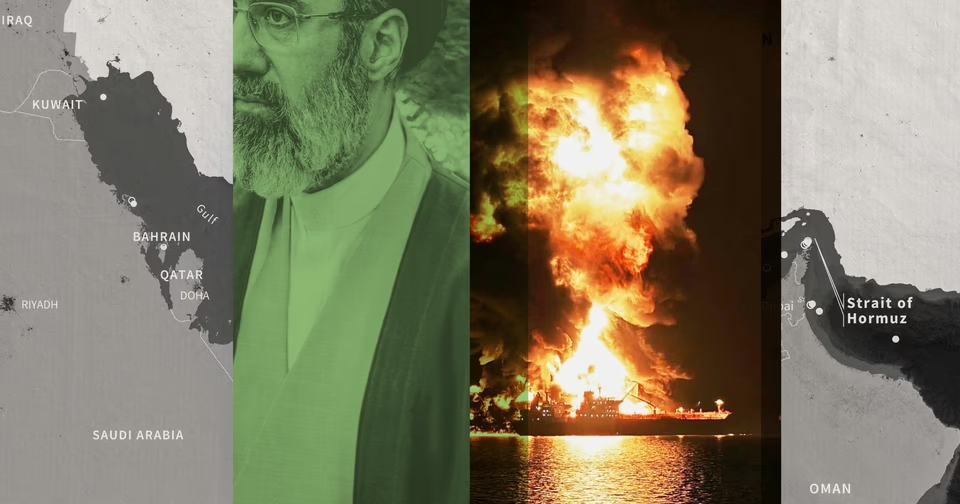
Rather than simply accepting the U.S. demand, Iran responded with a 10-point proposal. The proposal outlined Tehran’s conditions for ending hostilities, which included the lifting of U.S. sanctions, the recognition of Iran’s right to a peaceful nuclear program, and the withdrawal of U.S. forces from the region. Iran’s government expressed that any peace deal must respect its sovereignty and the control it holds over the Strait of Hormuz. The proposal was seen as a clear rejection of the initial terms laid out by Washington, signaling that Tehran was determined to stand firm on its demands.
Trump’s Tough Stance
Despite his public persona as a dealmaker, Trump has made it clear that he is not desperate for a deal. During a Cabinet meeting on March 26, Trump dismissed accusations that he was seeking a hasty resolution to the crisis, stating, “I don’t care” about the deadline. He framed the negotiations as a matter of leverage, asserting that Iran, already weakened by years of military and economic pressure, was seeking a deal out of necessity. His administration has continued to use harsh rhetoric, even suggesting that the U.S. might seize Iran’s oil reserves as a bargaining chip if talks failed.
Tensions on the Ground in Israel
As the U.S. and Iran engaged in diplomatic sparring, the situation on the ground in Israel was becoming increasingly dire. Israeli officials have warned that the ongoing conflict was taking a severe toll on the country’s military. The Israeli Defense Forces (IDF) are stretched thin, and there are concerns about the adequacy of their resources in the multi-front war. Opposition leaders, including Yair Lapid, have raised alarms about the strain on the military, urging the government to rethink its strategy and resources.
The Economic Impact of the War
While the political and military landscape is fraught with tension, the economic implications are just as pressing. The conflict has had a profound impact on global oil markets, with prices surging as fears of disrupted supply chains loom large. Economists and business leaders are closely monitoring the situation, as oil prices can significantly affect global inflation rates and consumer behavior. The U.S. administration has already warned that further action, including possible military strikes, would lead to greater economic instability worldwide.
The Ceasefire and the Call for Diplomacy
Amidst the ongoing back-and-forth, there was a momentary halt in military action. Both sides agreed to a temporary ceasefire as a show of goodwill, albeit with significant reservations. Despite the temporary truce, Iranian-backed militias in the region have continued to launch minor attacks on U.S. and Israeli interests. The ceasefire remains fragile, and experts warn that any breakdown in talks could easily reignite the conflict with devastating consequences.
The Role of U.S. Diplomacy
Trump’s envoy, Steve Witkoff, spoke at length during the Cabinet meeting about the potential for further diplomatic talks. He confirmed that Washington had presented Iran with a 15-point action list, a framework for peace that would address Iran’s key concerns. These talks were mediated through Pakistani officials, serving as intermediaries in the tense negotiations. Despite the optimism from some quarters of the administration, the likelihood of a breakthrough remains uncertain.
Iran’s Challenges

On the Iranian side, the government faces mounting pressure from both domestic hardliners and international powers. Hardline factions within Iran have expressed frustration with the proposed peace terms, arguing that the country’s sovereignty is being compromised. Iranian media has reported that the government is considering the possibility of accepting the deal but only on the condition that the U.S. respects Iranian sovereignty over the Strait of Hormuz and halts military actions in the region.
Global Reactions and Consequences
The international community is closely watching these developments, with many nations voicing concern over the potential for further conflict. European countries have called for greater diplomatic efforts, while Russia and China have taken a more cautious stance, urging both the U.S. and Iran to engage in dialogue. The United Nations has also raised alarms about the humanitarian consequences of the conflict, especially with civilians caught in the crossfire. Global markets remain jittery, and many investors are keeping a close eye on the diplomatic talks, as any major escalation could send shockwaves through the global economy.
The Future of U.S.-Iran Relations
As the deadline extension passes, the future of U.S.-Iran relations remains uncertain. The conflict has already had devastating consequences for both sides, with significant losses in military personnel and civilian lives. While Trump’s extension of the deadline offers hope for peace, many are skeptical that an agreement will be reached. The U.S. administration continues to push for a resolution, but Iran’s insistence on its terms could delay any meaningful progress.
Conclusion
The crisis in the Strait of Hormuz is far from over, with the international community holding its breath as talks between the U.S. and Iran continue. Trump’s extension of the deadline has provided a brief moment of respite, but the fundamental issues at the heart of the conflict remain unresolved. The outcome of these negotiations will have far-reaching implications, not just for the U.S. and Iran, but for global stability as a whole. As both sides continue to jockey for position, the world watches to see whether diplomacy will prevail or if further conflict is inevitable.