
Table of Contents
A Routine Shift Turns Heart-breaking
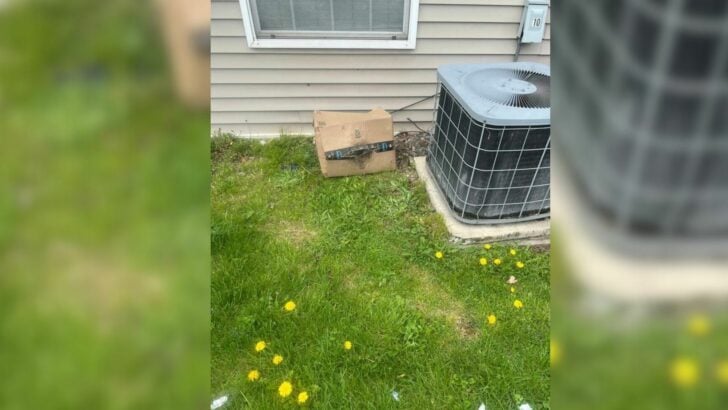
It was just after noon at the busy urban shelter in the heart of New York City when the call came in: an anonymous delivery, left on the loading dock.
Workers expected the usual — old crates, run-of-the-mill strays, maybe a scared cat.
But when they unsealed the box, they found something else entirely.
The shelter volunteer reached inside, gently peeling back the tape.
What he pulled out brought the shift to a sudden halt.
Inside the cardboard lay a young pup.
Soiled. Shivering. Abandoned.
And she wasn’t alone.
Abandonment That Hits Hard
Two rabbits. A kitten. And the pup — small enough to clutch in one hand.
They’d been boxed together, no food, no water, no comfort.
Just a cold cardboard coffin.
The workers’ faces shifted from shock to urgency.
Gloves on. Towels out. A flood of questions: “Where did this come from?” “How long had they been inside?” “Who could do such a thing?”
Inside the box, the trio trembled, dehydrated and unnerved by the world they’d just entered.
In that moment, every abandonment story changed.
Not just about lost pets. About betrayal.
About humans giving up hope on beings who depended on them.
The Rescue Plan Begins

The shelter’s team was trained for emergencies—but nothing quite like this.
They cradled the animals in warm blankets, offered water inch by inch, and began a silent countdown: how long since food? How many hours of fear? How do we undo what happened?
While the veterinarian assessed the animals, the shelter manager posted the story online.
Because this wasn’t just about rescue.
It was about conversation.
What would you do if you found animals like this left behind?
Would you walk away? Call help? Or feel powerless?
The online post brought a flood of responses—hashtags, shares, heartbreak-emojis, “we’re so sorry” comments pouring in by the thousands.
Kindness turned viral.
Health Checks, Healing, and Hope
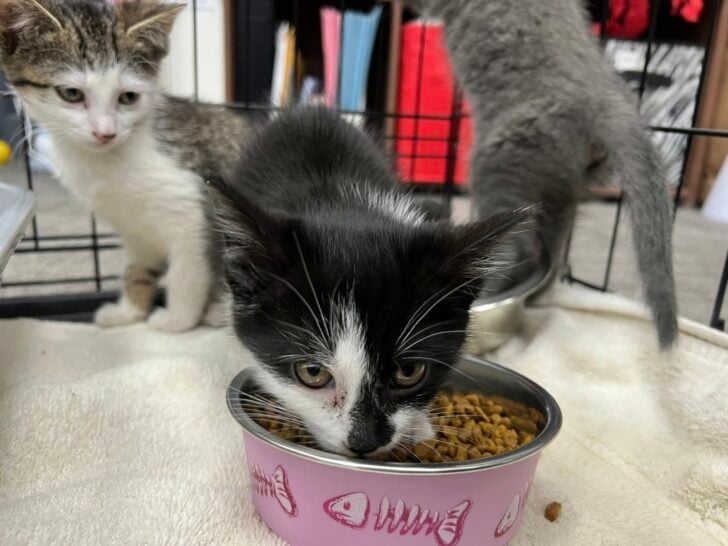
At the clinic, the pup (now named Hope) was found to be underweight, suffering mild dehydration, and with fleas—nothing beyond veterinary help, but serious.
The rabbits and kitten were in slightly better shape, but still traumatized.
The vet explained what happens when animals are boxed:
- Dehydration speeds up in closed containers
- Panic sets in, raising heart rate and stress hormones
- Basic functions shut down — eating, playing, trusting
It’s a small detail that matters: the vet bill.
Rescue cost money. Supplies cost money.
In fact, you might say rescue and shelter work tie directly into home improvement and financial concerns too—protecting your property, your pets, and ensuring you don’t become part of a story like this.
From Trauma to Trust
In the following days, Hope and her new friends began their transformations.
Hope wagged at the volunteers. The kitten purred in laps. The rabbits hopped again.
Each day showed progress—but the shelter knew the real progress would come when they found forever homes.
Meanwhile, the story opened doors into bigger discussions:
- Animal abandonment in cities
- The cost of unmonitored pet ownership
- Urban pet-travel safety (yes, even city apartments and transit systems have traps!)
- Insurance for pet-related incidents (yes, that exists!)
It reminds us: rescue stories aren’t just about the animals—they tie into health, home improvement, travel, and finance.
A Forever Home in Sight
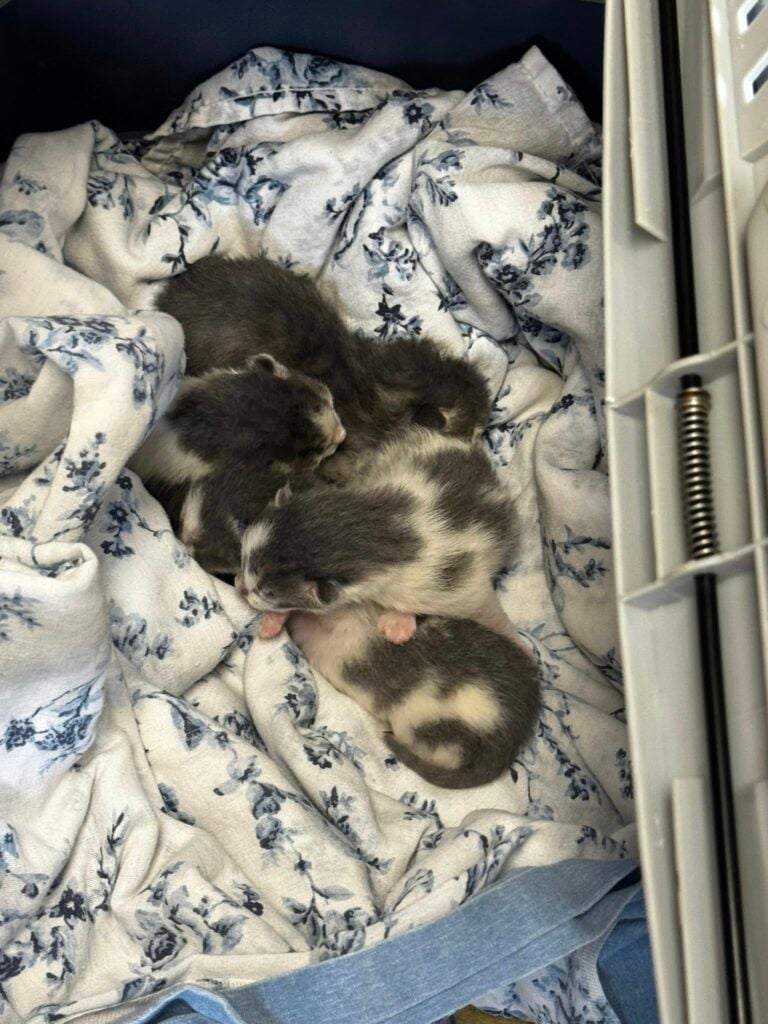
A week later, a family saw the shelter’s post.
They’d been looking to adopt a second pet. They met Hope and her new rabbit and kitten friends in a group intake event.
Hope bounded across the room, tail a whirlwind, her eyes bright.
The family paused. Pistons of guilt fired in their minds: “We don’t deserve this joy yet.”
But the shelter staff smiled. They knew Hope did.
Adoption papers signed, photos taken, goodbyes whispered.
And then… the box story changed. It became the beginning of something better.
Why This Story Resonates
Why do we scroll for rescue stories? What hooks us?
Because beneath the emotion lies something universal: vulnerability, fear, redemption.
In terms of Health:
Pets and people share stress. Animals abandoned face trauma we often tie to post-traumatic disorders in humans.
In terms of Home Improvement:
Boxes may seem harmless. But a garage, a shed, an attic—can become a trap. Structural hazards and abandoned pets often go hand in hand.
In terms of Travel:
City dwellers move, pets travel, and boxes ship. This story warns: always secure transit and surroundings for pets.
In terms of Finance:
Rescue costs real money. Prevention is cheaper. That means vet checks, insurance, secure environments—all budget items.
The Open Loop You’re Closing—And Why You Should Click On
This was a rescue story—and also a wake-up call.
What about the unknown animals still left behind?
What about the humane laws falling short in big cities?
What about the next “box” yet to be opened?
You’ve read Hope’s story. But the bigger story? It’s still unfolding.
Call to Action
If this touched you:
- Consider donating to your local shelter.
- Check your property for boxes, hidden spaces, or abandoned animals.
- Travel with pets in mind—secure carriers, safe transit zones.
- Talk about abandonment and care. Share the story. Let it ripple.
One box opened. One act of cruelty uncovered.
And one family of animals found the hope they didn’t know they’d lost.