
Table of Contents
- When News Broke: A Revolution in Aviation Propulsion
- From Concept to Reality: The Plasma Engine Prototype
- The Science of Plasma: A Revolutionary Shift
- How the Engine Works: Breaking Down the Components
- Overcoming the Challenges: Heat Management and Efficiency
- The Promise of Zero-Emission Aviation
- The Road Ahead: Scaling the Technology
- Military Applications and Drones: Testing the Waters
- A Decade of Development: The Future of Plasma Propulsion
- The Final Take: What This Breakthrough Means for the Future
When News Broke: A Revolution in Aviation Propulsion
In a world constantly battling rising emissions, aviation has long been one of the most challenging sectors to decarbonize. Jet engines, running on fossil fuels, contribute significantly to global greenhouse gas emissions. But when Chinese scientists at Wuhan University unveiled a jet engine that operates on air and electricity alone, it was nothing short of revolutionary. This breakthrough doesn’t just offer an alternative; it opens the door to a future where aircraft might fly without the need for fuel tanks or harmful exhaust.
The potential for zero-emission flights has never been so tangible. The technology, which uses plasma propulsion to generate thrust, could significantly reduce aviation’s environmental footprint. But what does this mean for the future of air travel and the global fight against climate change?
From Concept to Reality: The Plasma Engine Prototype

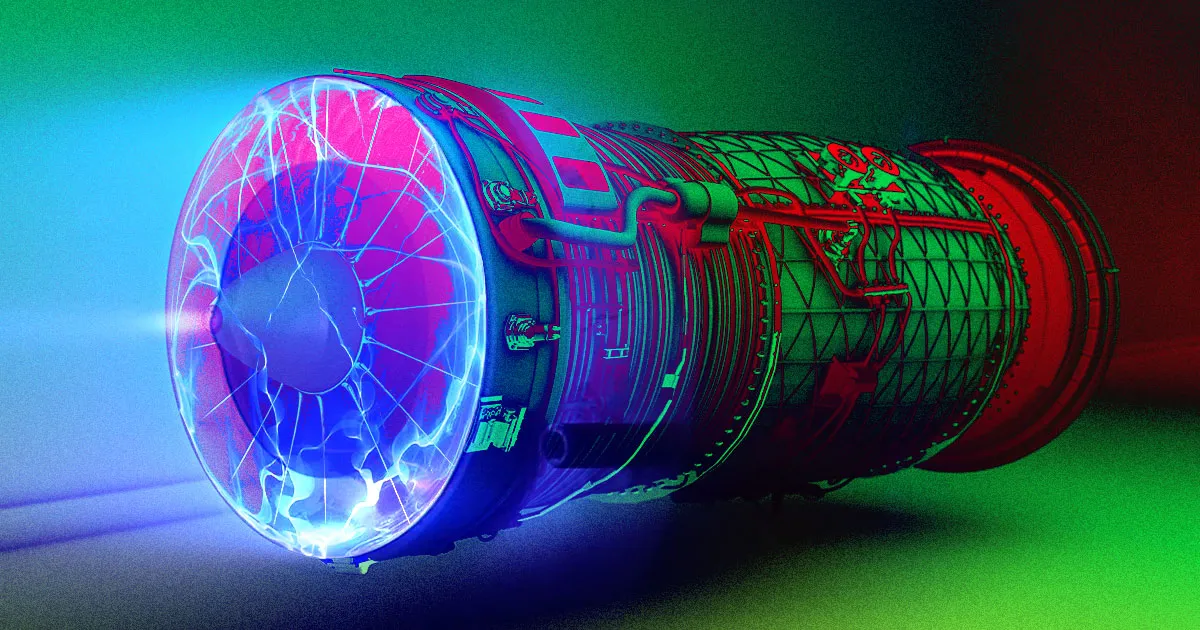
Professor Jau Tang and his team at Wuhan University have created a jet engine that completely reimagines how aircraft propulsion could work. Traditional jet engines rely on burning fuel, which results in harmful carbon emissions. But Tang’s engine skips combustion altogether, utilizing microwaves to transform the air into plasma — a high-energy gas that propels objects without burning any fuel.
The innovation behind this technology lies in the use of atmospheric air itself as the medium for propulsion. Microwaves, operating at 2.45 GHz (the same frequency used in household microwaves), are used to ionize air molecules, turning them into plasma. This ionized gas then expands rapidly, generating thrust — enough to lift a steel ball and, eventually, potentially propel an aircraft. In a laboratory setting, this technology has already lifted small objects and demonstrated jet-like pressures with minimal power consumption.
The Science of Plasma: A Revolutionary Shift
The shift from combustion engines to plasma propulsion might sound like science fiction, but the science is rooted in decades of research. Plasma propulsion, used primarily in spacecraft, has been studied for years. However, traditional plasma systems work only in space, where there is no air resistance. Tang’s team solved the challenge of making plasma propulsion viable in Earth’s atmosphere, where air density and gravity create significant obstacles.
This is where the true innovation lies. Tang’s engine uses ordinary atmospheric air, converting it into plasma and generating thrust without any fuel tanks, unlike conventional jet engines that rely on kerosene or hydrogen fuel cells. The result? A propulsion system with no harmful byproducts, zero emissions, and potentially less weight, leading to lighter, more efficient aircraft.
How the Engine Works: Breaking Down the Components

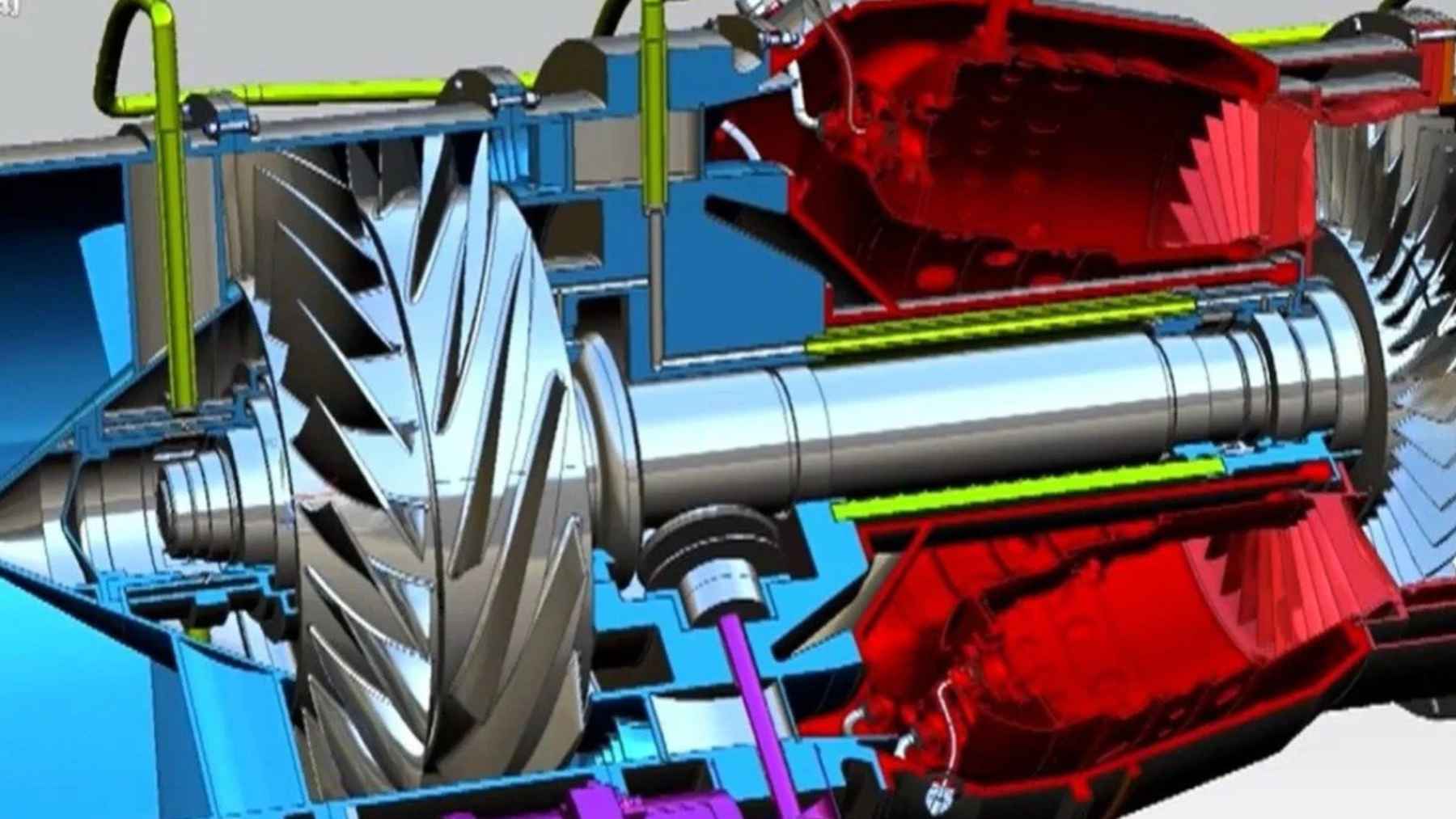
In their prototype, Tang’s team used a turbine compressor to draw in atmospheric air, which is then compressed to high pressure before entering a microwave ionization chamber. The microwaves hit the air molecules, stripping electrons and turning the air into plasma. The rapid expansion of this plasma creates the thrust necessary to lift objects.
What’s remarkable is that this process eliminates the need for traditional fuel sources and infrastructure. Unlike hydrogen-powered aircraft, which require cryogenic tanks and extensive refueling infrastructure, this engine simply draws from the air around it, making it vastly more efficient. Theoretically, the engine could also be powered by renewable energy sources like solar or wind, making it a sustainable, carbon-neutral solution.
Overcoming the Challenges: Heat Management and Efficiency
While the prototype has demonstrated success in lab conditions, there are still hurdles to overcome before plasma engines can be used in commercial aviation. One of the primary challenges is managing the extreme temperatures generated by the plasma. The process of ionizing air molecules produces temperatures that would melt most conventional materials, requiring the use of specialized materials like quartz that can withstand high heat.
Tang’s team is already working on advanced heat management strategies, such as integrating new materials and cooling systems, to ensure that the plasma engines remain efficient and durable during extended use. These innovations will be crucial if the technology is to be scaled up for use in larger commercial aircraft.
The Promise of Zero-Emission Aviation

The environmental implications of this breakthrough are profound. Aviation is responsible for a significant portion of global emissions, and finding a way to eliminate fuel use could radically change the sector. With zero-emission jet engines, not only could air travel become more sustainable, but it could also reduce local pollution, particularly around airports, where jet engine exhausts contribute to poor air quality.
More than just reducing carbon emissions, this technology offers the possibility of completely transforming how airlines operate. Without the need for fuel tanks, aircraft could potentially be lighter and more efficient, with fewer operational costs and environmental concerns.
The Road Ahead: Scaling the Technology
While Tang’s prototype has already demonstrated its potential, scaling this technology for commercial use will take time. The challenge lies in increasing the thrust output and power requirements to meet the demands of large aircraft. Current battery technology limits the ability to generate the necessary megawatts of continuous power required for long-haul flights. Additionally, scaling up the engine design to accommodate larger aircraft and meet aviation industry standards will require years of testing and refinement.
Despite these challenges, the potential for small applications, such as drones and cargo planes, is immediate. These vehicles don’t face the same range and payload constraints as passenger aircraft, making them ideal test platforms for this technology.
Military Applications and Drones: Testing the Waters

One promising area for early adoption is the use of plasma engines in unmanned aerial vehicles (UAVs) and military drones. These aircraft could serve as testing grounds for the new technology, as they don’t carry passengers and can operate in less regulated environments. The military’s interest in UAVs and the growing demand for greener logistics solutions make drones an ideal platform for plasma propulsion.
Testing on smaller aircraft and unmanned vehicles will provide crucial data on performance, durability, and safety. Once these smaller applications are proven, the technology could be scaled to larger aircraft, providing a clear path to wider adoption.
A Decade of Development: The Future of Plasma Propulsion
While the plasma propulsion technology may take a decade or more to be ready for large commercial aircraft, the possibilities it offers are exciting. As aviation continues to grapple with its carbon footprint, innovations like Tang’s plasma engine could hold the key to a more sustainable future. Though the road ahead is long, the promise of a world without jet fuel is a powerful motivator for researchers and industry leaders alike.
The Final Take: What This Breakthrough Means for the Future
The breakthrough in plasma propulsion marks a pivotal moment in the quest for sustainable aviation. By eliminating the need for fuel tanks and reducing emissions to zero, this technology could reshape how we think about air travel. While significant hurdles remain, Tang’s work offers a glimpse into a future where air travel is no longer tied to fossil fuels or their harmful environmental effects.
As we look toward the future of aviation, we must embrace bold ideas and technologies that challenge the status quo. Plasma propulsion is just one example of how science and innovation can change the world for the better, helping us move closer to a carbon-free future where the skies are no longer a source of pollution, but a gateway to a sustainable, cleaner world.