
Table of Contents
- When a Grocery Store Incident Escalated Into a Fatal Police Shooting
- The Shoplifting Call That Triggered a Chain of Events
- Movement Into Traffic and the First Use of Force
- Escalation Into a Physical Struggle Outside the Apartment Complex
- The Moment Deadly Force Was Used
- The Decision Not to File Criminal Charges
- Bodden’s Background and Mental Health Concerns
- Body Camera Evidence and Public Interpretation
- A Sergeant With Prior Use of Force History
- Broader Debate on Police Use of Force Standards
- A Case That Raises Unresolved Questions
When a Grocery Store Incident Escalated Into a Fatal Police Shooting
When news broke that a man had been shot and killed by a Pineville police sergeant outside a Charlotte area Food Lion, the case immediately drew national attention and renewed scrutiny of police use of force standards in the United States. The incident, which began as a reported shoplifting complaint, quickly escalated into a confrontation involving multiple officers, a physical struggle, and ultimately the use of deadly force.
The man at the center of the case was Dennis Bodden, an unarmed individual accused of stealing approximately $84 worth of groceries. The officer involved, Pineville Police Sergeant Adam Roberts, later said he believed he was facing an imminent threat during a rapidly evolving struggle that ended with three gunshots fired.
What followed was a legal determination that no criminal charges would be filed, a decision that intensified debate over policing tactics, mental health, and the threshold for justified deadly force.
The Shoplifting Call That Triggered a Chain of Events
The incident began on May 14, 2024, when police were alerted to a shoplifting report at a Food Lion store in south Charlotte. According to investigators, Bodden was suspected of taking wine and groceries without payment and was believed to have outstanding warrants related to prior theft incidents.
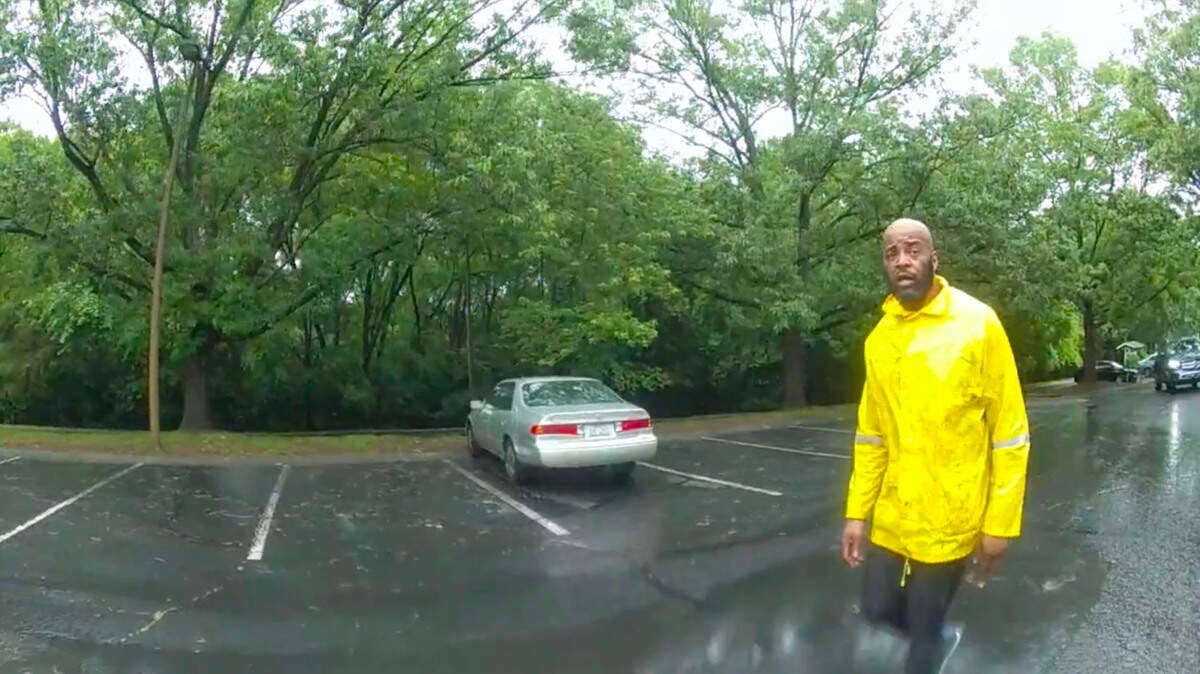
Sergeant Roberts, who was working in uniform off duty as security at a nearby shopping center, responded to the call. He located Bodden in the parking lot wearing a raincoat and headphones, carrying a bag of groceries.
According to the district attorney’s findings, Roberts approached the suspect and verbally identified himself as police. However, Bodden did not respond, possibly due to wearing headphones, and continued walking away from the store area.
This moment marked the beginning of a pursuit that would move from a parking lot into a roadway and eventually end in a deadly confrontation near an apartment complex.
Movement Into Traffic and the First Use of Force
As Bodden continued walking along Johnston Road, Roberts followed closely behind. Concerned that Bodden was approaching traffic, the officer attempted to redirect him away from the roadway.
The district attorney’s report notes that Roberts repeatedly told Bodden not to walk into traffic. Despite these instructions, Bodden crossed multiple lanes of the road while still being followed by the officer.
At this point, the situation escalated significantly. Roberts deployed his Taser twice in an attempt to subdue Bodden. Both men fell to the ground during the encounter, creating a physical struggle that quickly intensified.
During this struggle, Bodden bit Roberts on the arm, further escalating tensions and shifting the encounter from a foot pursuit into a close contact confrontation.
Escalation Into a Physical Struggle Outside the Apartment Complex
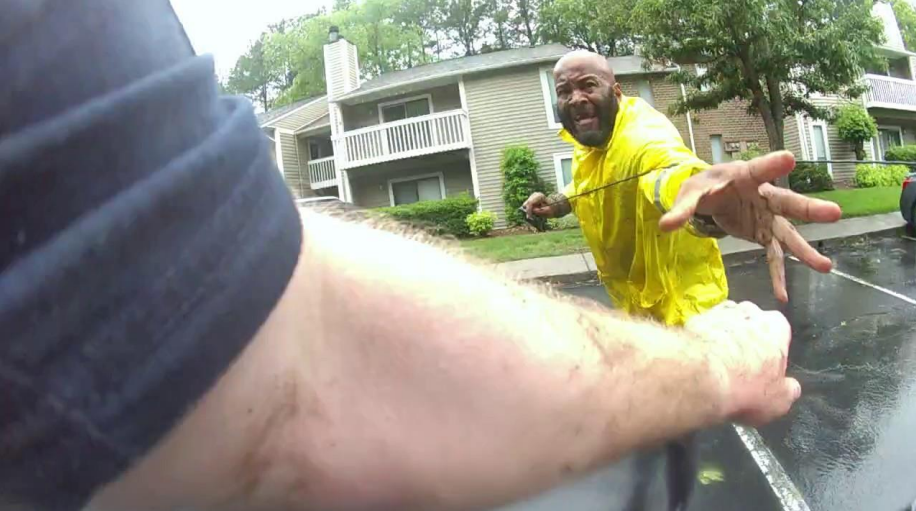
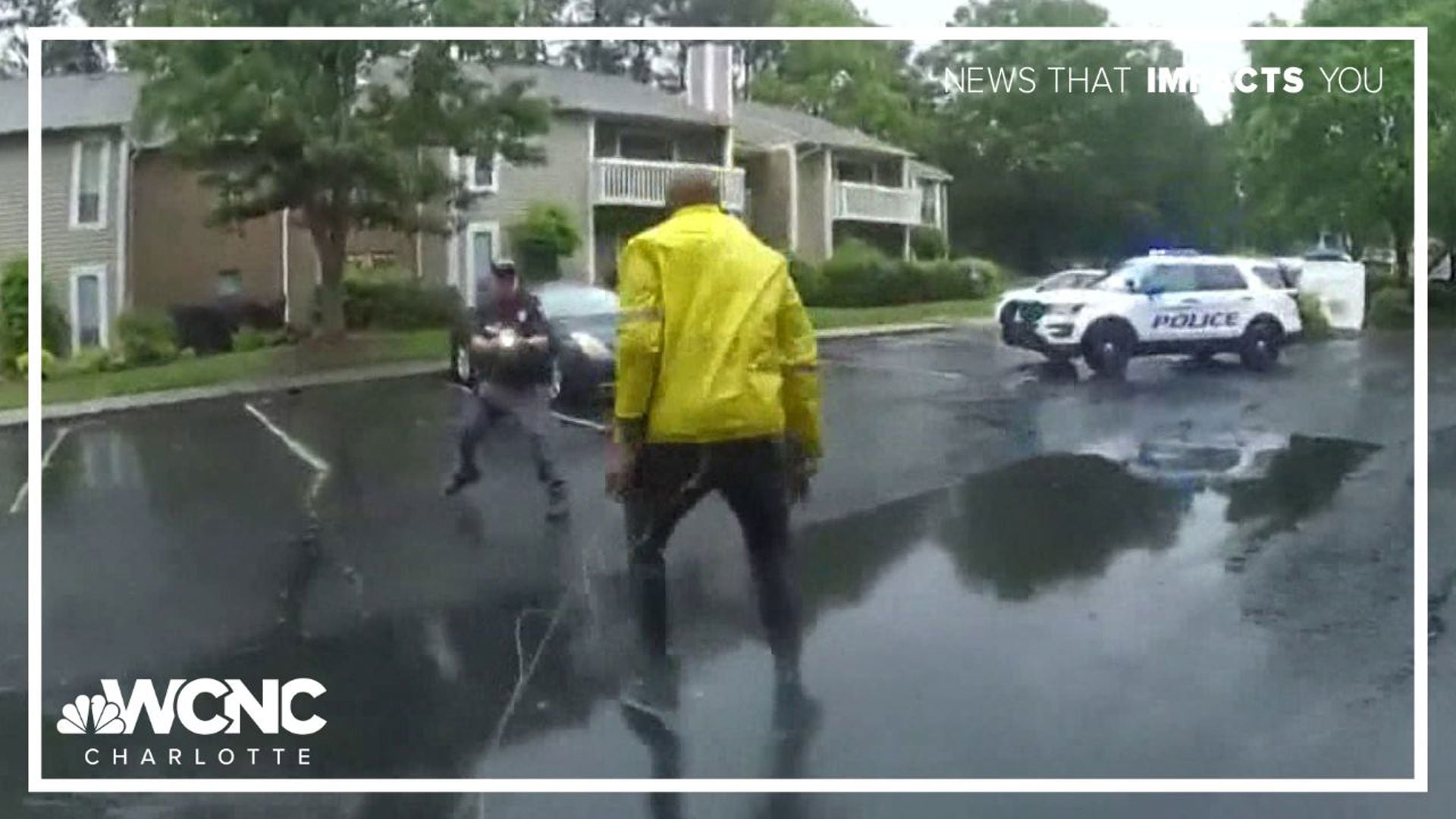
After the initial Taser deployment, Bodden continued moving toward the Berkshire Place Apartments, where he reportedly lived. Another officer, identified as Officer Down, arrived shortly afterward to assist.
According to investigative reports, Roberts and Down attempted to restrain Bodden as the situation became increasingly chaotic. Physical force was used by all parties as Bodden resisted arrest and attempted to break free.
At one point, Bodden allegedly grabbed Officer Down’s radio cord and pulled it during the struggle. Officers later stated that Bodden became physically aggressive, leading to a rapidly escalating confrontation involving punches and defensive maneuvers.
The situation reached a critical turning point when officers reported that Bodden charged toward Officer Down, prompting further use of a Taser, which was again ineffective.
The Moment Deadly Force Was Used
As the struggle continued, Sergeant Roberts drew his firearm. According to police accounts and body camera review, Bodden reached toward the officer’s weapon during the confrontation.
It was at this moment that Roberts fired three shots, striking Bodden and killing him at the scene.
The district attorney later noted that Roberts stated he believed Bodden was attempting to seize his firearm and posed an immediate threat of death to both officers. Officer Down, who did not draw his firearm during the incident, later told investigators that he did not believe the situation had yet reached a threshold requiring lethal force.
The difference in perception between officers became a key point in the investigation.
The Decision Not to File Criminal Charges
Following a full review of body camera footage, witness statements, and forensic evidence, Mecklenburg County District Attorney Spencer Merriweather announced that no criminal charges would be filed against Adam Roberts.
The district attorney stated that while the circumstances were “especially jarring,” the legal standard for criminal prosecution could not be met. He explained that it was unlikely a jury would unanimously find that Roberts acted outside the bounds of North Carolina law governing use of force.
Under state law, officers may use deadly force if they have an objectively reasonable belief that they or others are facing imminent death or serious bodily injury.
However, the district attorney also noted that while the shooting may be legally justified, the tactics used during the encounter could still be subject to review by other oversight bodies.
Bodden’s Background and Mental Health Concerns
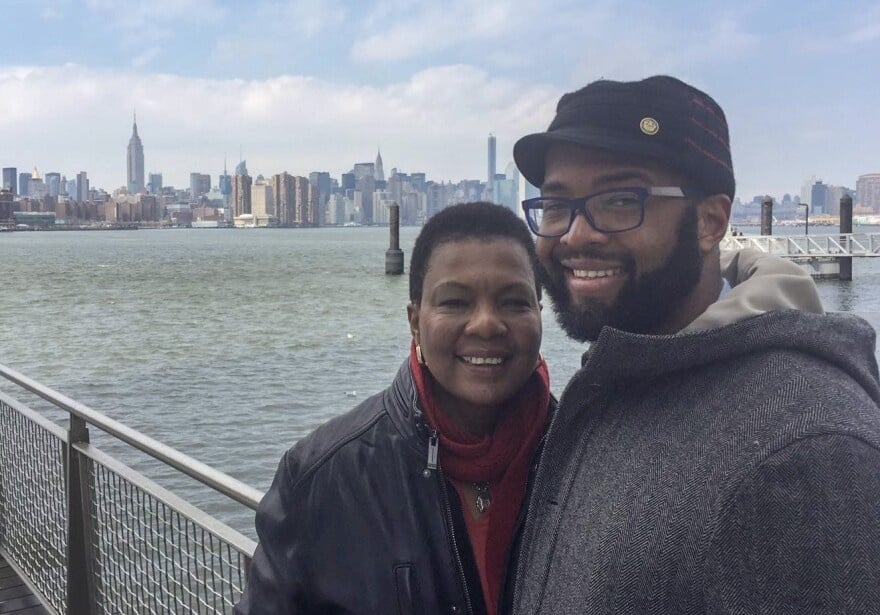
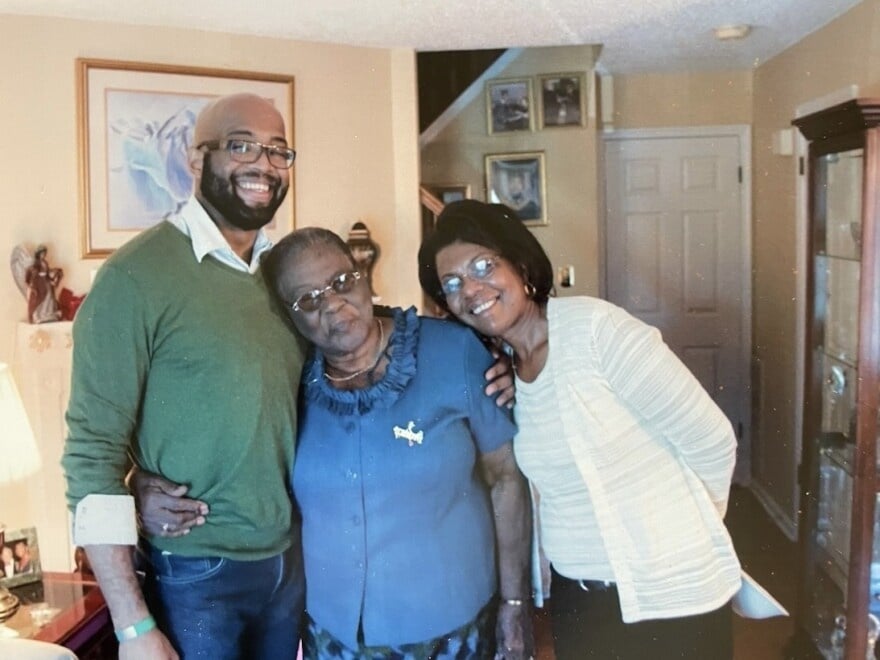
Following the shooting, additional information emerged about Dennis Bodden. He was described by family members as a highly educated individual with degrees in law and science who had previously worked as an attorney representing individuals with disabilities.
Family members stated that Bodden’s mental health began to deteriorate during the COVID 19 pandemic. He was later diagnosed with bipolar schizophrenia and had relocated to Charlotte in search of improved living conditions and stability.
His mother expressed deep frustration following the decision not to charge the officer, stating she believed racial bias played a role in how the case was handled. She also indicated that the family intended to pursue a civil lawsuit.
These claims added another layer of complexity to an already highly sensitive case involving mental health, race, and policing.
Body Camera Evidence and Public Interpretation
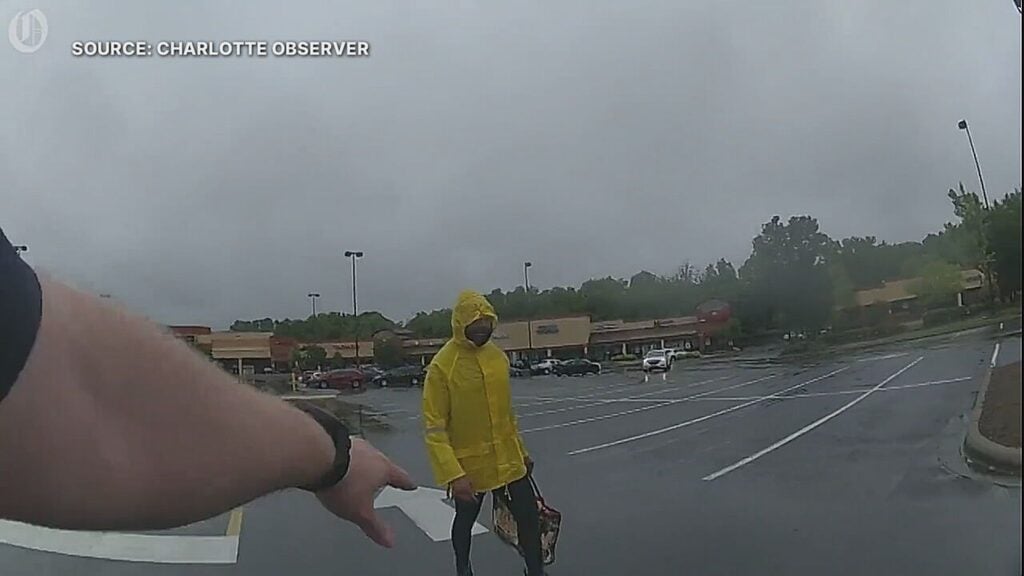
Body camera footage played a central role in the investigation. The video showed Bodden wearing headphones and walking away from officers, followed by verbal commands, a Taser deployment, and a physical struggle that escalated rapidly.
Interpretations of the footage varied widely. Some observers argued that officers acted within policy given the perceived threat of a suspect resisting arrest and allegedly reaching for a weapon. Others believed the escalation could have been avoided earlier in the encounter.
The footage also raised questions about communication breakdown, particularly the failure of verbal commands to reach Bodden due to his headphones, which may have contributed to the rapid escalation.
A Sergeant With Prior Use of Force History
The case also drew attention because Adam Roberts had previously been involved in another officer involved shooting in 2020. In that earlier case, he was cleared after firing at a suspect during a separate confrontation.
This history led critics to question patterns in use of force incidents involving the same officer, while supporters argued that repeated exposure to violent encounters reflects the realities of frontline policing rather than misconduct.
Broader Debate on Police Use of Force Standards
The Pineville shooting quickly became part of a broader national discussion about policing standards in the United States, particularly regarding the use of Tasers, escalation protocols, and the decision to transition to deadly force.
Advocacy groups argue that cases involving unarmed or mentally distressed individuals highlight systemic issues in how police are trained to respond to noncompliance and uncertainty.
Law enforcement defenders counter that officers must make split second decisions in unpredictable and potentially dangerous situations, often without complete information.
This tension continues to define national conversations about police reform and accountability.
A Case That Raises Unresolved Questions
The fatal shooting of Dennis Bodden remains legally closed in terms of criminal charges, but it continues to generate public debate about policing, mental health, and use of force thresholds.
While prosecutors concluded that the actions of Adam Roberts were legally justified under North Carolina law, questions remain about whether the outcome could have been prevented with different tactics or de escalation strategies.
As civil litigation is expected and public scrutiny continues, the case stands as another example of how quickly routine police encounters can escalate into fatal outcomes, and how difficult it is to draw clear legal and moral lines in real world policing situations.